Alfa Romeo Tonale SUV: Overview & Key Information

4.6 (3 Reviews)
rate

The Tonale blends Italian styling with sporty handling, delivering a sharp, driver-focused experience and a distinctive front end that stands out in its segment. Inside it pairs quality materials with a modern infotainment layout, making it an engaging daily driver that prioritizes style and connection with the road over bland practicality.

Reviews & community

All real reviews and experiences about the Alfa Romeo Tonale in one place.

To community

Technical data, trims & prices

All technical data, dimensions and equipment details of this model at a glance.

To technical data

Alternative car models

Discover similar models and possible alternatives to this vehicle.

To alternatives

from £35,900
Tonale

Alfa Romeo Tonale

  • Engine Type Petrol MHEV, Plug-in Hybrid, Diesel
  • Transmission Automatic
  • Drive Type Front-Wheel Drive, All-Wheel Drive
  • Power HP 130 - 268 HP
  • Consumption L/100km 3.4 - 5.6 L/100km
  • Electric Range 62 km

Italian Poise, Everyday Purpose

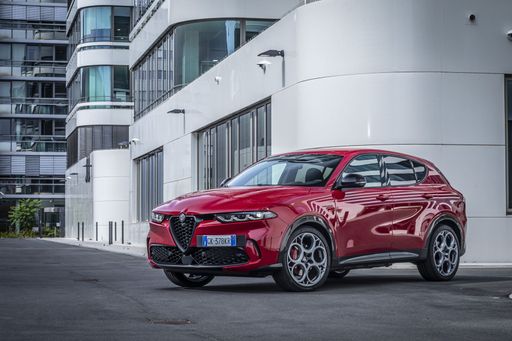
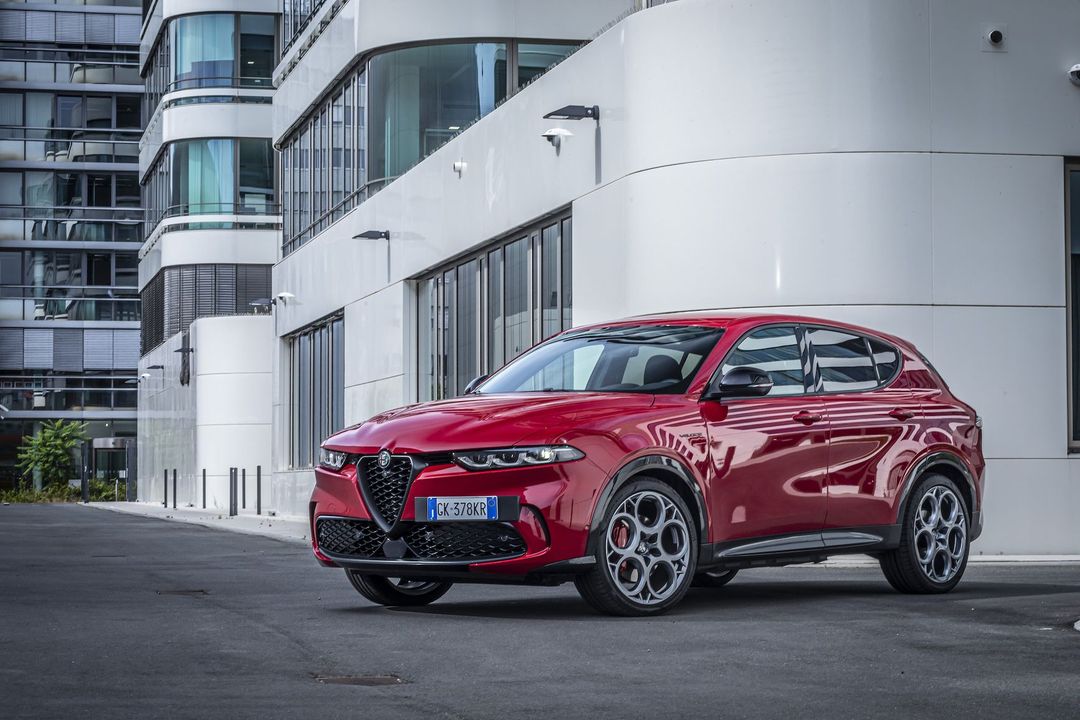
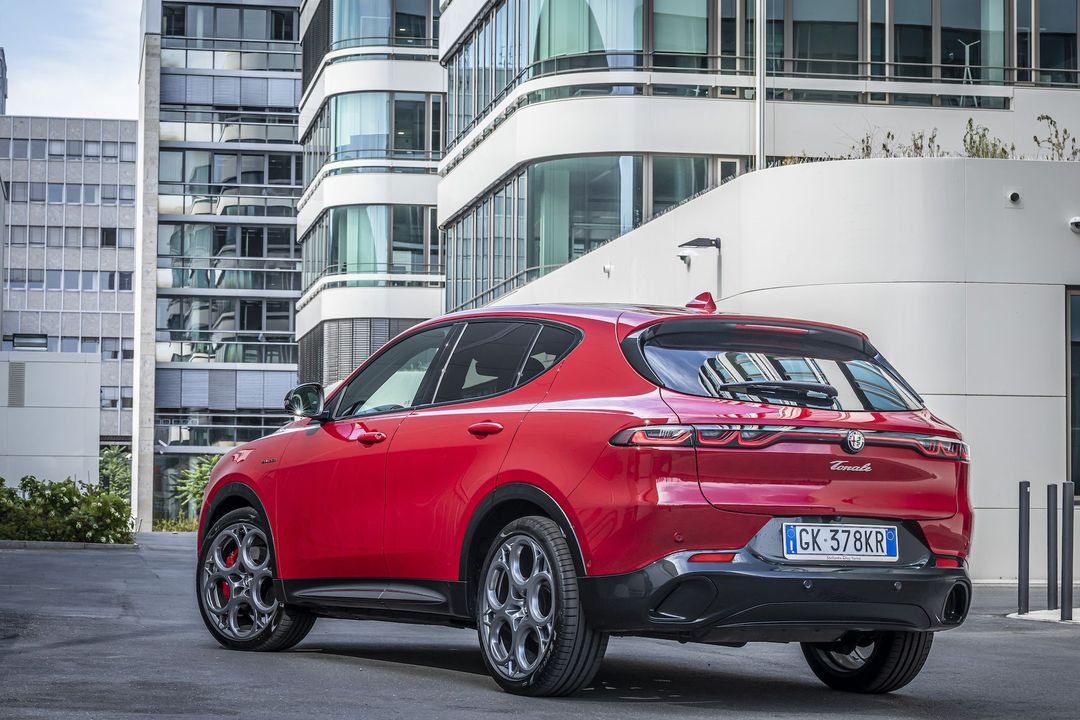
The Alfa Romeo Tonale leans hard into brand DNA, with a crisp shield grille, triple‑pod lighting and taut surfacing that stands out among cookie‑cutter crossovers. Its stance is athletic without shouting, and at 1,835 mm wide it feels compact enough for city streets yet planted on a motorway. Details like the offset number plate and tapered tail give it a classy, slightly exotic presence. It is more about elegance and lightness than off‑road posturing, which suits how most people will actually use it. If design character matters as much as spec sheets, this SUV delivers the right first impression.
Buttons Where You Want Them

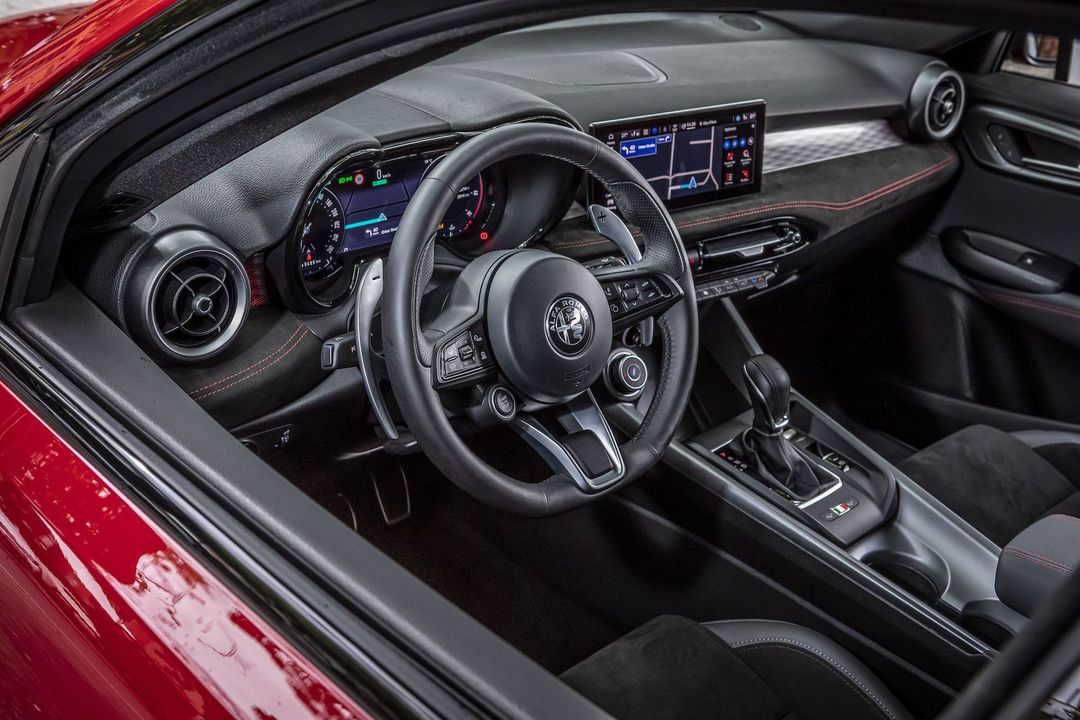
Inside, the Tonale mixes a driver‑centric layout with welcome physical controls for climate and key functions, so everyday tasks take one press rather than a deep dive. The Uconnect 5 system runs on a 10.25‑inch touchscreen that responds quickly, while a 12.3‑inch digital cluster keeps navigation and assistance info clear. Some on‑screen icons are small and demand a longer glance, a minor frustration in busy traffic. Material quality is visually appealing, but the mix of soft and hard plastics is less consistent than German premium rivals. Niceties like solid‑feeling stalks and, on certain trims, long aluminum shift paddles add tactile charm without gimmicks.

Space With One Notable Asterisk

Up front, supportive seats and simple ergonomics make long days easy, and two adults will be fine in the rear for head and knee room. The cabin’s dark headliner and rising window line can make the back feel a touch enclosed, though airiness improves with the optional glass roof. Families will appreciate two Isofix points and wide‑opening rear doors for child seats. Luggage space is the split: mild‑hybrid and diesel versions offer about 500 liters with a practical shape, while the plug‑in hybrid drops to roughly 385 liters due to the battery. That reduction is noticeable on holiday runs, where a stroller and two suitcases fit in the PHEV, but with less slack for extra bags.

Light on Its Feet, Not a Track Toy

The steering is quick and precise, giving the Tonale an eager, pointy feel that makes tight streets and parking surprisingly easy. Feedback at the rim is limited, so keen drivers won’t find the last layer of connection on a winding road. Ride quality skews firm, especially on 19‑ or 20‑inch wheels, where sharp edges and joints are felt more than in comfort‑first rivals; adaptive dampers help but don’t transform it. The dual‑clutch gearbox in mild‑hybrid and diesel models can hesitate or shuffle at low speeds, smoothing out once rolling. Performance spans 0–100 km/h in 6.6–10.9 seconds, with the all‑wheel‑drive PHEV being the quickest yet less punchy when its battery is low.

Real‑World Numbers, Plainly Explained

Power outputs run from 130 to 268 hp, with up to 320 Nm of torque depending on engine, so overtakes are confident rather than explosive. The mild‑hybrid typically returns 5.0–7.5 l/100 km in mixed use, trending lower on gentle A‑roads and higher in city or fast Autobahn traffic. Official figures show 5.6 l/100 km for the 1.5 MHEV and 5.3 l/100 km for the 1.6 diesel, useful guides if your routes mirror WLTP conditions. The plug‑in hybrid’s WLTP electric range is 62 km, and 45–55 km is realistic in temperate weather, enough for most commutes if you can charge at home or work. On long trips with a flat battery, expect 7–8 l/100 km from the PHEV, reminding that its stellar 3.4 l/100 km rating assumes frequent charging.

Safety Nets and Screens

Tonale earned five Euro NCAP stars and packs standard active safety like autonomous emergency braking, adaptive cruise and traffic sign recognition. Lane keeping and centering work, but can fuss on poorly marked roads, so occasional nudges are part of the experience. The suite is otherwise confidence‑boosting, and camera options help offset limited rear three‑quarter visibility. Infotainment supports wireless Apple CarPlay and Android Auto, and the system wakes quickly after start‑up. The best part is the balance: modern connectivity without burying essentials behind layers.

The Line‑Up Without the Fine Print

The range spans a 1.5 VGT mild‑hybrid with a dual‑clutch and front‑wheel drive, a 1.3 plug‑in hybrid Q4 with all‑wheel drive and about 62 km WLTP electric range, and a 1.6 diesel automatic for efficient long runs. Trims such as Sprint, TI, Veloce and Sport Speciale tailor looks and equipment rather than changing the core character. The MHEV’s party trick is electric creeping and coasting in town, which keeps things smooth when the gearbox behaves. The PHEV is the quickest and most secure in bad weather, provided you keep it charged to enjoy its best response. The diesel majors on steady, low‑effort mileage, suiting drivers who cover big distances at consistent speeds.

Who Will Love It, Who Won’t

Design‑led buyers who want a stylish, easy‑to‑use compact SUV will connect with the compact SUV character of the Tonale, and commuters will like the mild‑hybrid’s calm manners. Company‑car drivers with charging access will get the most from the plug‑in hybrid, combining low BiK taxes with real 45–55 km electric days. If comfort on rough roads is a top priority, or you crave steering feel and powertrain fireworks, rivals are more indulgent and engaging. Families who pack heavy should note the PHEV’s smaller boot, while value hawks will find stronger residuals elsewhere, notably versus a BMW X1. For many, though, the blend of style, straightforward tech and usable efficiency hits a sweet, distinctly Italian note.

Costs and Consumption

Price
35,900 - 53,700 £
Consumption L/100km
3.4 - 5.6 L/100km
Consumption kWh/100km
-
Electric Range
62 km
Battery Capacity
-
co2
77 - 138 g/km
Fuel tank capacity
-

Dimensions and Body

Body Type
SUV
Seats
5
Doors
-
Curb weight
1,600 - 1,910 kg
Trunk capacity
385 - 500 L
Length
-
Width
1,835 mm
Height
-
Max trunk capacity
-
Payload
510 - 535 kg

Engine and Performance

Engine Type
Petrol MHEV, Plug-in Hybrid, Diesel
Transmission
Automatic
Transmission Detail
Dual-Clutch Automatic, Automatic Gearbox
Drive Type
Front-Wheel Drive, All-Wheel Drive
Power HP
130 - 268 HP
Acceleration 0-100km/h
6.6 - 10.9 s
Max Speed
-
Torque
320 Nm
Number of Cylinders
4
Power kW
96 - 197 kW
Engine capacity
1,332 - 1,598 cm3

General

Model Year
2,025 - 2,026
CO2 Efficiency Class
D, B, E
Brand
Alfa Romeo
Is the Alfa Romeo Tonale offered with different drivetrains?

The Alfa Romeo Tonale is available as Front-Wheel Drive or All-Wheel Drive.

DriveDuel uses data analysis and artificial intelligence to evaluate vehicle data and create content. Content is regularly reviewed and improved. The displayed prices are estimates based on German list prices, adjusted to the respective country’s VAT. Country-specific registration taxes are not included. This information is not legally binding.