BMW X1 alternatives & comparisons

Here you can find alternatives to the BMW X1, based on existing comparison pages and popular model matchups. We currently show 6 suitable models as a starting point for your buying decision.

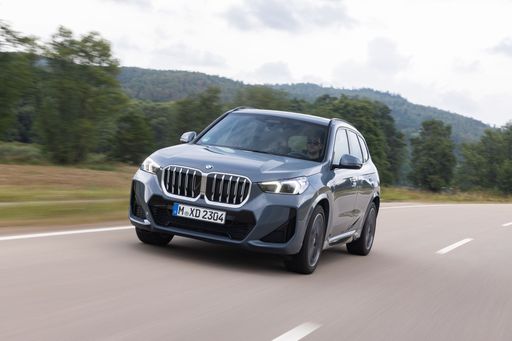
BMW X1

Alternative models

These models are frequently compared with the BMW X1 and are good next research steps.

from £31,500
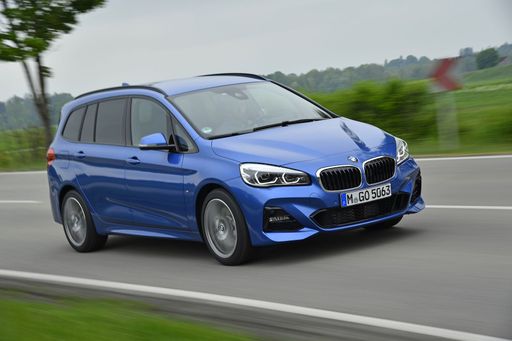
2 Series Active Tourer

BMW 2 Series Active Tourer

  • Engine Type Petrol, Petrol MHEV, Diesel, Diesel MHEV, Plugin Hybrid
  • Transmission Automatic
  • Drive Type Front-Wheel Drive, All-Wheel Drive
  • Power HP 122 - 326 HP
  • Consumption L/100km 2.9 - 6.2 L/100km
  • Electric Range 82 km

BMW 2 Series Active Tourer as a suitable alternative to BMW X1

The BMW 2 Series Active Tourer is the clever, family-focused MPV that swaps SUV posturing for genuinely useful space and a lower, car‑like ride, while the BMW X1 dresses up as a compact SUV with higher seating, tougher styling and a bit more composure on rutted roads. Pick the 2 Series for easy access, clever packaging and relaxed refinement; choose the X1 if you want presence, a firmer ride and the kind of image that makes neighbours do a double‑take.

The BMW 2 Series Active Tourer turns the family MPV into something you’d actually want to park outside a café, pairing compact practicality with surprisingly premium cabin flair. It won’t thrill like a sports car, but it drives with the composed poise you expect from the badge and keeps daily life easy and un-fussy.
Quick data check: BMW 2 Series Active Tourer

  • clearly cheaper
  • only slightly more electric range
  • very slightly lighter
from £41,100
3 Series Touring

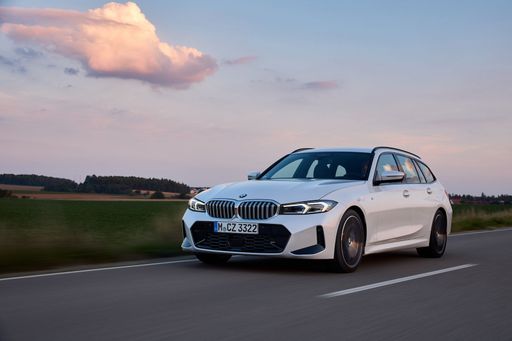
BMW 3 Series Touring

  • Engine Type Diesel MHEV, Petrol, Petrol MHEV, Plugin Hybrid
  • Transmission Automatic
  • Drive Type Rear-Wheel Drive, All-Wheel Drive
  • Power HP 150 - 530 HP
  • Consumption L/100km 2.5 - 10.3 L/100km
  • Electric Range 91 - 97 km

BMW 3 Series Touring as a suitable alternative to BMW X1

Deciding between the BMW 3 Series Touring and the BMW X1 means weighing estate-car driving dynamics and cargo capacity against compact-SUV practicality and a higher seating position. The 3 Series Touring delivers sharper handling and a roomier load area, while the X1 offers greater ride height, easier access and a more upright cabin—choose the one that best matches your priorities.

The BMW 3 Series Touring blends sporting poise with everyday practicality, wrapping sharp handling and a premium cabin into a wagon that actually makes errands feel enjoyable. It’s the kind of car that hides a family-hauler’s sense of duty beneath a driver's-car attitude — useful, classy, and just cheeky enough to make you smile on the open road.

Quick data check: BMW 3 Series Touring

  • noticeably more power
  • slightly more electric range
  • significantly quicker 0–100 km/h
from £34,200
Kuga

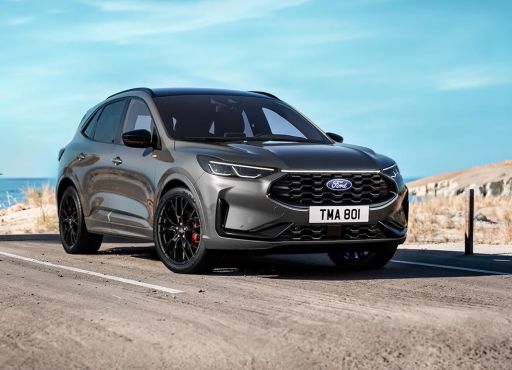
Ford Kuga

  • Engine Type Petrol, Full Hybrid, Plugin Hybrid
  • Transmission Manual, Automatic
  • Drive Type Front-Wheel Drive, All-Wheel Drive
  • Power HP 150 - 243 HP
  • Consumption L/100km 2.8 - 6.8 L/100km
  • Electric Range 68 km

Ford Kuga as a suitable alternative to BMW X1

Choosing between the BMW X1 and the Ford Kuga comes down to whether you prioritise premium driving dynamics and a refined cabin or practicality, lower running costs and value. I’ll compare the two across space, performance, technology and ownership to help you decide which compact SUV suits your needs.

The Ford Kuga is a practical and comfortable compact SUV that balances everyday usability with a composed ride and adaptable interior. It offers sensible tech and safety features, making it a solid choice for families or anyone seeking a versatile, easy-to-live-with crossover.

Quick data check: Ford Kuga

  • a bit cheaper
  • very slightly lighter
from £29,400
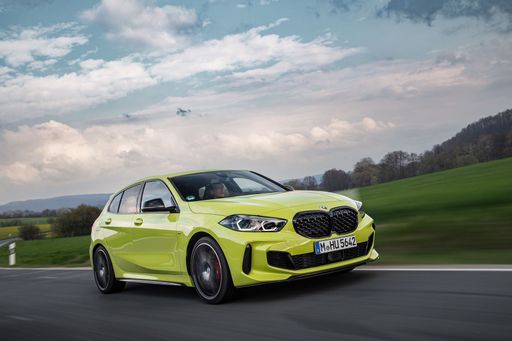
1 Series

BMW 1 Series

  • Engine Type Diesel, Petrol MHEV, Diesel MHEV, Petrol
  • Transmission Automatic
  • Drive Type Front-Wheel Drive, All-Wheel Drive
  • Power HP 122 - 300 HP
  • Consumption L/100km 4.3 - 7.6 L/100km

BMW 1 Series as a suitable alternative to BMW X1

The BMW 1 Series and BMW X1 share BMW’s driving focus but target different needs: the 1 Series is a compact, sporty hatch that prioritises handling and driver engagement, while the X1 is a compact SUV offering higher seating, more interior space and everyday practicality. Pick the 1 Series if you want sharper road manners and a more dynamic feel; choose the X1 if visibility, versatility and cargo room matter more.

The BMW 1 Series is a compact premium hatchback that injects a proper sense of driving fun into everyday life, with sharp handling and a cabin that punches above its class. It’s a great pick for buyers who want sporty manners without losing practicality, and yes, you’ll still get that unmistakable BMW grin behind the wheel.

Quick data check: BMW 1 Series

  • markedly cheaper
  • a bit quicker 0–100 km/h
  • only slightly lighter
from £26,400
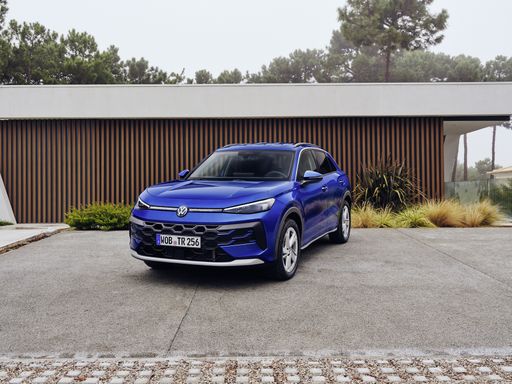
T-Roc

VW T-Roc

  • Engine Type Petrol, Petrol MHEV
  • Transmission Manual, Automatic
  • Drive Type Front-Wheel Drive
  • Power HP 115 - 150 HP
  • Consumption L/100km 5.5 - 6.3 L/100km

VW T-Roc as a suitable alternative to BMW X1

The BMW X1 and VW T‑Roc face off as two popular compact SUVs with different priorities—X1 leans premium and sporty while the T‑Roc focuses on practicality and value. This quick comparison will highlight where each shines so you can pick the one that fits your driving style and budget.

The Volkswagen T‑Roc is a stylish, well-proportioned crossover that blends hatchback agility with SUV presence. It delivers a comfortable cabin, user-friendly tech and a composed ride, making it a sensible choice for buyers who want practicality with a bit of character.

Quick data check: VW T-Roc

  • significantly cheaper
  • marginally lighter
from £58,300
XC60

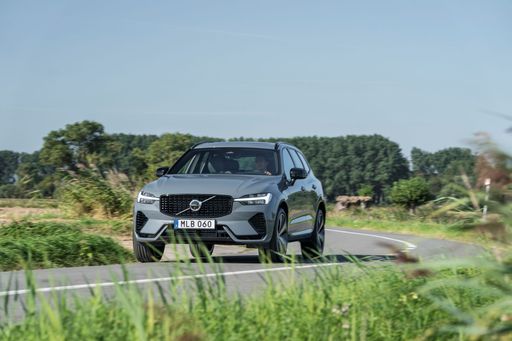
Volvo XC60

  • Engine Type Plugin Hybrid
  • Transmission Automatic
  • Drive Type All-Wheel Drive
  • Power HP 335 - 406 HP
  • Consumption L/100km 1.6 L/100km
  • Electric Range 79 km

Volvo XC60 as a suitable alternative to BMW X1

Deciding between the BMW X1 and the Volvo XC60 is essentially a choice between a sportier, more driver-focused compact SUV and a roomier, comfort-and-safety-oriented mid‑size contender. This comparison focuses on interior space, driving dynamics, fuel economy and running costs to help you pick the model that matches your daily priorities and ownership goals.

The Volvo XC60 blends Scandinavian elegance with a strong focus on occupant safety, delivering a calm, composed ride and a well-crafted, user-friendly cabin. It’s a practical yet premium compact SUV that balances comfort with confident road manners, ideal for buyers who value refinement and everyday usability.

Quick data check: Volvo XC60

  • moderately more power
  • substantially more efficient
  • slightly quicker 0–100 km/h
DriveDuel uses data analysis and artificial intelligence to evaluate vehicle data and create content. Content is regularly reviewed and improved. The displayed prices are estimates based on German list prices, adjusted to the respective country’s VAT. Country-specific registration taxes are not included. This information is not legally binding.