Polestar 2 alternatives & comparisons

Here you can find alternatives to the Polestar 2, based on existing comparison pages and popular model matchups. We currently show 6 suitable models as a starting point for your buying decision.

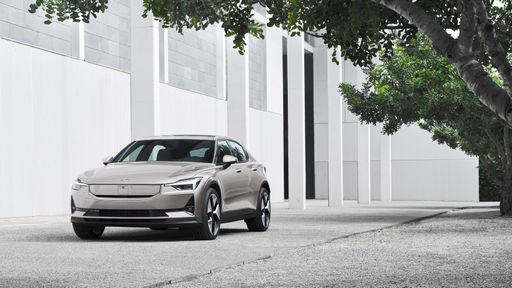
Polestar 2

Alternative models

These models are frequently compared with the Polestar 2 and are good next research steps.

from £53,100
4

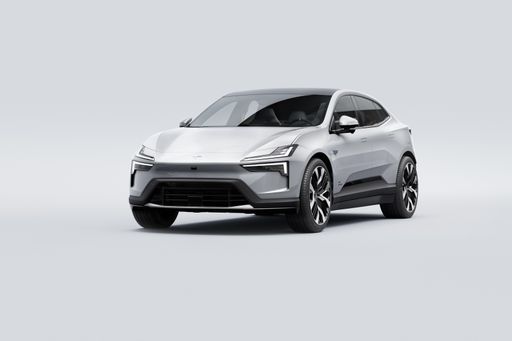
Polestar 4

  • Engine Type Electric
  • Transmission Automatic
  • Drive Type Rear-Wheel Drive, All-Wheel Drive
  • Power HP 272 - 544 HP
  • Consumption kWh/100km 17.8 - 19 kWh/100km
  • Electric Range 590 - 620 km

Polestar 4 as a suitable alternative to Polestar 2

Polestar 2 is the compact, drivers‑first EV — nimble, practical and hard‑working for daily commutes — while the Polestar 4 ups the ante with coupe‑SUV looks, more interior space and a higher‑spec feel that commands a premium. If you want sharp handling and better value, choose the 2; if you crave presence, extra room and the latest tech, the 4 is the sleeker (and costlier) statement.

The Polestar 4 wears a coupe-like profile and a Scandinavian-minimal interior that feels premium and unexpectedly roomy, with composed handling that makes urban driving and country roads a pleasure. For buyers who want an electric car that turns heads without shouting, the Polestar 4 is a stylish, clever choice that balances practicality with personality.

Quick data check: Polestar 4

  • somewhat more power
  • moderately quicker 0–100 km/h
  • noticeably more trunk space
from £40,800
CLA Shooting Brake

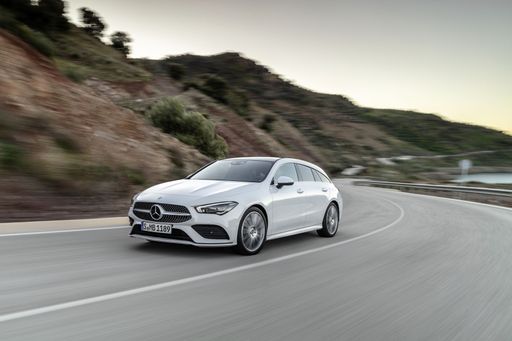
Mercedes CLA Shooting Brake

  • Engine Type Electric, Full Hybrid
  • Transmission Automatic
  • Drive Type Rear-Wheel Drive, All-Wheel Drive, Front-Wheel Drive
  • Power HP 156 - 354 HP
  • Consumption L/100km 5 - 5.4 L/100km
  • Consumption kWh/100km 12.7 - 13.3 kWh/100km
  • Electric Range 525 - 768 km

Mercedes CLA Shooting Brake as a suitable alternative to Polestar 2

The Mercedes CLA Shooting Brake and the Polestar 2 represent two distinct approaches to the premium compact segment: the CLA Shooting Brake blends elegant, practical wagon packaging with Mercedes-Benz refinement, while the Polestar 2 delivers a focused, all-electric driving experience with sharp handling and modern tech. This comparison will cut through styling, driving character, running costs and ownership priorities to help you pick the car that best matches your daily needs and long-term plans.

The Mercedes CLA Shooting Brake turns estate practicality into runway-ready style with a swooping roofline and coupe-like silhouette that makes even mundane errands feel a little more glamorous. Inside it pairs clever packaging with premium flair, so you get useful load space and a grown-up cabin — ideal if you want a car that looks like a showroom trophy but still handles the weekly shop without sulking.

Quick data check: Mercedes CLA Shooting Brake

  • slightly cheaper
  • moderately more efficient
  • moderately more electric range
  • visibly lighter
  • slightly more trunk space
from £41,100
Seal

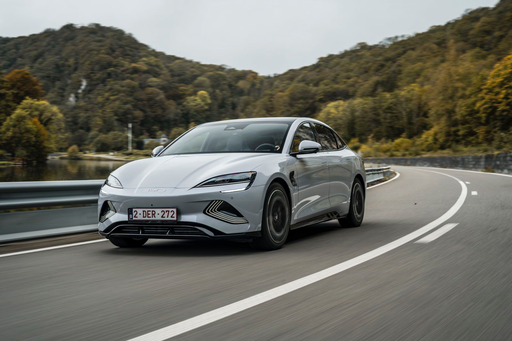
BYD Seal

  • Engine Type Electric
  • Transmission Automatic
  • Drive Type Rear-Wheel Drive, All-Wheel Drive
  • Power HP 231 - 530 HP
  • Consumption kWh/100km 15.4 - 18.2 kWh/100km
  • Electric Range 460 - 570 km

Quick data check: BYD Seal

  • very slightly cheaper
  • a bit more power
  • slightly quicker 0–100 km/h
  • barely lighter
from £46,400
ID.7

VW ID.7

  • Engine Type Electric
  • Transmission Automatic
  • Drive Type Rear-Wheel Drive, All-Wheel Drive
  • Power HP 286 - 340 HP
  • Consumption kWh/100km 13.6 - 16.2 kWh/100km
  • Electric Range 594 - 708 km

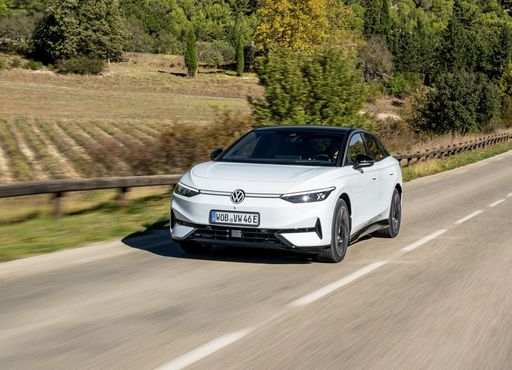
VW ID.7 as a suitable alternative to Polestar 2

VW ID.7 vs Polestar 2 — two very different takes on the modern electric car: the ID.7 is Volkswagen’s comfortable, aerodynamic large EV aimed at long-distance cruising, while the Polestar 2 is a compact, performance-leaning electric hatch with a minimalist Scandinavian interior. Choosing between them comes down to whether you want roomy, refined range and comfort (ID.7) or a sharper, more engaging compact EV with a tech-forward cabin (Polestar 2). Quick verdict - Pick the VW ID.7 if you value interior space, long-distance comfort, and a relaxed highway ride. - Pick the Polestar 2 if you want sharper handling, a more compact footprint for city use, and a direct, high-quality cabin with strong tech integration. Who each car fits best - VW ID.7: Commuters and families who do longer drives, want more rear-seat and trunk space, and prefer a calm, refined driving experience. Good for buyers who prioritize practicality and range comfort over sporty dynamics. - Polestar 2: Enthusiastic drivers or urban buyers who want a more tactile driving experience, tight handling, and a modern, minimalist interior tech stack. Better if you value design, driver engagement, and a smaller exterior footprint. Key differences at a glance - Space and comfort: ID.7 is larger and more passenger-friendly, especially in the rear seats and boot. Polestar 2 is smaller but feels solidly built with a higher-quality cabin finish. - Driving dynamics: Polestar 2 is the sharper, more responsive car; ID.7 leans toward smoothness and stability at speed. - Tech and infotainment: Polestar 2 uses a Google-based system that’s intuitive and tightly integrated; VW’s system is modern and feature-rich but more traditional in layout. - Range and charging: Both are competent for everyday use and longer trips; the ID.7 is optimized for efficient highway cruising, while Polestar 2 balances performance and range. Real-world results depend on spec, wheel size, and driving style. - Practicality: ID.7 wins for luggage and rear-seat comfort; Polestar 2 is easier to park and maneuver in tight city environments. - Style and presence: ID.7 is sleek and understated; Polestar 2 is minimalist with a Scandinavian design identity and stronger visual character. Interior and comfort - ID.7: Roomy, airy cabin with a focus on long-distance comfort. Materials and ergonomics follow VW’s family-friendly approach — simple, logical, and comfortable for four adults on long trips. - Polestar 2: Minimalist, premium-feeling interior with good material quality and a clean dashboard. Rear-seat space is adequate but not as generous as the ID.7. Performance and driving feel - ID.7: Tuned for composure and efficiency. Acceleration is smooth; chassis and suspension prioritize comfort and stability over corner-carving. - Polestar 2: More driver-oriented with sharper turn-in and a firmer setup. If you enjoy a more connected feel and confident handling, Polestar 2 will be more satisfying. Technology and infotainment - Polestar 2: Google Android Automotive OS with seamless Google Maps, Assistant, and Play integration. The system feels modern and updates well. - ID.7: VW’s infotainment is comprehensive with good ergonomics and features; voice and menu systems have improved significantly. Both offer driver-assist systems and digital clusters. Safety and driver aids - Both cars come with strong active safety suites and modern driver assistance features (adaptive cruise, lane keep, emergency braking, etc.). Polestar emphasizes a premium safety approach, and VW brings decades of safety engineering — either will be solid for family use. Cost and running considerations - Purchase price will depend on trims and options; in many markets the Polestar 2 sits below the ID.7 in absolute cost given the ID.7’s larger size and positioning. Consider equipment levels carefully. - Running costs depend on electricity prices, charging habits, and insurance; the ID.7’s efficiency at high speeds can make it cheaper on long motorway trips, while Polestar 2’s smaller size can be more efficient around town. Pros and cons — quick list - VW ID.7 - Pros: Spacious, comfortable, efficient at cruising, excellent for long trips, practical trunk and rear legroom. - Cons: Less engaging to drive, larger footprint for city parking, more conservative styling. - Polestar 2 - Pros: Sharper handling, premium minimalist cabin, excellent tech integration, compact for city use. - Cons: Less rear-seat and boot space than ID.7, firmer ride may be less comfortable on rough roads. Recommendation - If your driving is dominated by long-distance journeys, you regularly carry rear passengers or luggage, and you prefer a relaxed, comfortable ride, choose the VW ID.7. - If you want a compact, engaging EV with strong tech, sporty manners and a premium-feeling cabin for everyday urban use, choose the Polestar 2. If you tell me which features matter most to you (range, rear passenger space, sportiness, price target, or tech preferences), I’ll give a tailored recommendation and narrow down trims/options to consider.

VW ID.7 arrives as Volkswagen's electric grand tourer, pairing a low-slung, aerodynamic silhouette with a calm, understated interior that prioritizes comfort and space. It’s a sensible choice for buyers who want a relaxed, high-tech cruiser that covers motorway miles with poise rather than bravado.


Quick data check: VW ID.7

  • marginally more efficient
  • very slightly more electric range
  • clearly more trunk space
from £45,200
EX40

Volvo EX40

  • Engine Type Electric
  • Transmission Automatic
  • Drive Type Rear-Wheel Drive, All-Wheel Drive
  • Power HP 238 - 442 HP
  • Consumption kWh/100km 16.6 - 17.6 kWh/100km
  • Electric Range 477 - 576 km

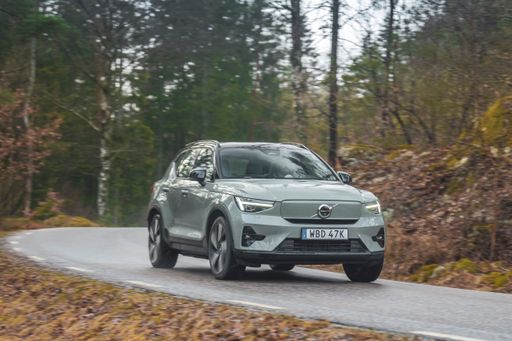
Volvo EX40 as a suitable alternative to Polestar 2

In the burgeoning world of electric vehicles, the Volvo EX30 and the Polestar 2 stand as compelling choices for eco-conscious drivers. The EX30, with its Scandinavian minimalist design, offers a robust suite of safety features alongside a compact build ideal for city driving. In contrast, the Polestar 2 impresses with its premium performance, delivering a faster ride and a muscular aesthetic, making it a strong contender for those prioritizing dynamic driving experiences.

The Volvo EX40 is a compact electric SUV that blends Scandinavian minimalism with a comfortable, high-quality interior suited to daily driving and longer trips. It prioritizes safety and intuitive technology, delivering a calm, refined experience that feels mature and easy to live with.

Quick data check: Volvo EX40

  • only slightly lighter
  • marginally more trunk space
from £34,800
ID.4

VW ID.4

  • Engine Type Electric
  • Transmission Automatic
  • Drive Type Rear-Wheel Drive, All-Wheel Drive
  • Power HP 190 - 299 HP
  • Consumption kWh/100km 15.4 - 16.6 kWh/100km
  • Electric Range 425 - 570 km

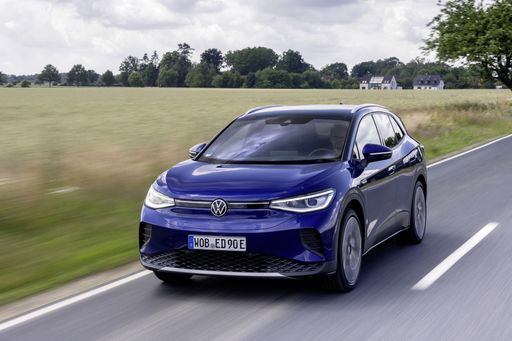
VW ID.4 as a suitable alternative to Polestar 2

In the competitive electric vehicle market, the VW ID.4 and Polestar 2 stand out with their distinct design philosophies and performance capabilities. The ID.4 boasts a spacious interior and practical utility, making it ideal for families and everyday use, while the Polestar 2 offers a more performance-oriented driving experience and striking aesthetics. Ultimately, choosing between these two models will depend on whether you prioritize versatility or a sportier feel.

The VW ID.4 is a practical, family-friendly electric SUV that balances everyday usability with a calm, composed driving character. It pairs a roomy, well-finished cabin and easy-to-use tech with predictable handling and convenient charging options, making it a sensible choice for buyers switching to electric.

Quick data check: VW ID.4

  • visibly cheaper
  • only slightly lighter
DriveDuel uses data analysis and artificial intelligence to evaluate vehicle data and create content. Content is regularly reviewed and improved. The displayed prices are estimates based on German list prices, adjusted to the respective country’s VAT. Country-specific registration taxes are not included. This information is not legally binding.