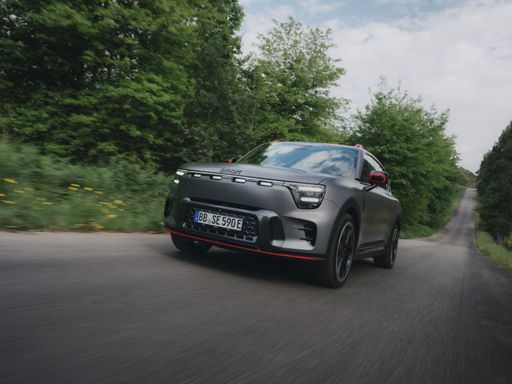
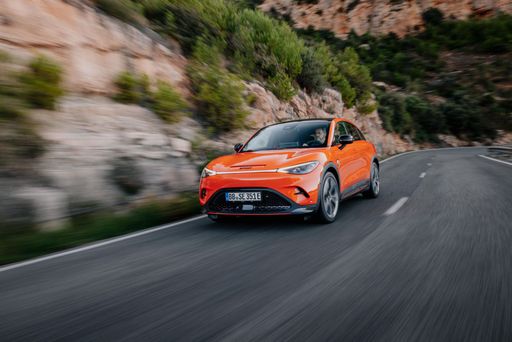
smart #5 alternatives & comparisons

Here you can find alternatives to the smart #5, based on existing comparison pages and popular model matchups. We currently show 6 suitable models as a starting point for your buying decision.

smart #5

Alternative models

These models are frequently compared with the smart #5 and are good next research steps.

from £43,200
GLB

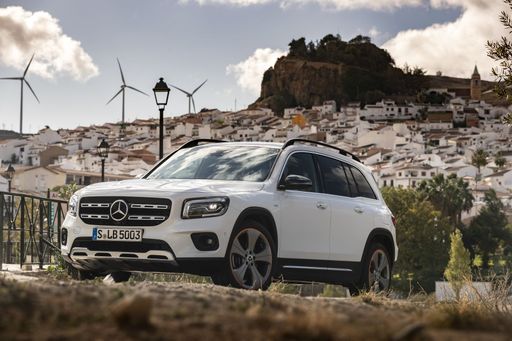
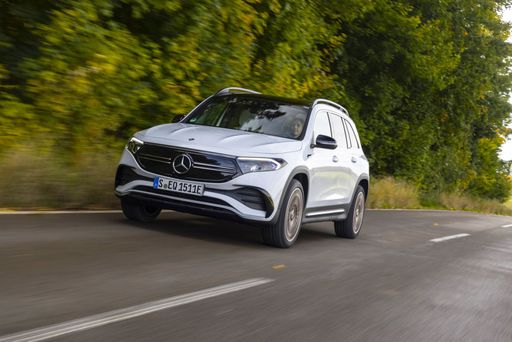
Mercedes GLB

  • Engine Type Electric, Full Hybrid
  • Transmission Automatic
  • Drive Type Rear-Wheel Drive, All-Wheel Drive
  • Power HP 156 - 354 HP
  • Consumption L/100km 5.7 - 6.1 L/100km
  • Consumption kWh/100km 15.4 - 15.9 kWh/100km
  • Electric Range 431 - 631 km

Mercedes GLB as a suitable alternative to smart #5

The Mercedes GLB is a sensible, slightly boxy premium compact SUV that delivers real-world space, family practicality and a composed long-distance ride, while the smart #5 is a punchy electric crossover that trades rear-seat room for sharp styling, low running costs and urban agility. If you regularly haul people and luggage, pick the GLB; if most of your miles are city commutes and you want EV ease plus a cheeky grin every time you accelerate, the smart #5 is the smarter choice.

The Mercedes GLB is a compact luxury SUV that blends smart packaging with a polished, composed driving experience. Its flexible interior and premium feel make it a sensible pick for buyers who want Mercedes comfort and practicality in a smaller footprint.
Quick data check: Mercedes GLB

  • only slightly cheaper
  • significantly more power
  • significantly quicker 0–100 km/h
  • moderately more trunk space
  • moderately more efficient
  • very slightly more electric range
  • a bit lighter
£41,991
#3

smart #3

  • Engine Type Electric
  • Transmission Automatic
  • Drive Type Rear-Wheel Drive
  • Power HP 272 HP
  • Consumption kWh/100km 16.3 kWh/100km
  • Electric Range 455 km

Quick data check: smart #3

  • very slightly cheaper
  • clearly more power
  • noticeably more electric range
  • clearly quicker 0–100 km/h
  • substantially more trunk space
  • a bit more efficient
  • noticeably lighter
from £54,300
iX3

BMW iX3

  • Engine Type Electric
  • Transmission Automatic
  • Drive Type All-Wheel Drive, Rear-Wheel Drive
  • Power HP 320 - 469 HP
  • Consumption kWh/100km 14.6 - 15.1 kWh/100km
  • Electric Range 635 - 805 km

BMW iX3 as a suitable alternative to smart #5

In the face-off between the BMW iX3 and the smart #5, the iX3 stands out with its luxurious appeal and performance-oriented engineering, characteristic of BMW's commitment to electric mobility. Meanwhile, the smart #5 offers an enticing package for urban dwellers with its compact design and efficient electric drivetrain, ideal for city navigation. Both models represent significant strides in the EV market, catering to distinct customer preferences for range, driving dynamics, and lifestyle adaptability.

The BMW iX3 is an electric SUV that delivers the composed, premium driving experience BMW buyers expect. With a calm, refined cabin and practical everyday usability, it’s a strong choice for those who want electric motoring without giving up luxury and comfort.

Quick data check: BMW iX3

  • visibly cheaper
  • noticeably more power
  • visibly quicker 0–100 km/h
  • very slightly lighter
  • noticeably more efficient
  • noticeably more electric range
from £37,400
G6

XPeng G6

  • Engine Type Electric
  • Transmission Automatic
  • Drive Type Rear-Wheel Drive, All-Wheel Drive
  • Power HP 252 - 487 HP
  • Consumption kWh/100km 17.3 - 18.4 kWh/100km
  • Electric Range 455 - 525 km

XPeng G6 as a suitable alternative to smart #5

The XPeng G6 and the Smart #5 represent two different takes on the modern electric crossover — the XPeng G6 emphasizes advanced driver-assist systems and longer-range performance, while the Smart #5 focuses on compact, stylish urban practicality. This comparison will highlight how they differ in range, interior space, technology and driving character so you can decide which one fits your needs.

The XPeng G6 is a sleek, tech-focused electric crossover that pairs modern styling with a spacious, comfortable cabin. It delivers a refined, engaging driving experience and comes loaded with advanced driver-assistance and infotainment features that make it feel like a smarter, more connected car.

Quick data check: XPeng G6

  • clearly more power
  • somewhat more electric range
  • barely quicker 0–100 km/h
  • only slightly more trunk space
  • marginally cheaper
  • marginally more efficient
  • only slightly lighter
from £39,400
EV5

Kia EV5

  • Engine Type Electric
  • Transmission Automatic
  • Drive Type Front-Wheel Drive, All-Wheel Drive
  • Power HP 218 - 306 HP
  • Consumption kWh/100km 16.9 - 18.6 kWh/100km
  • Electric Range 476 - 530 km

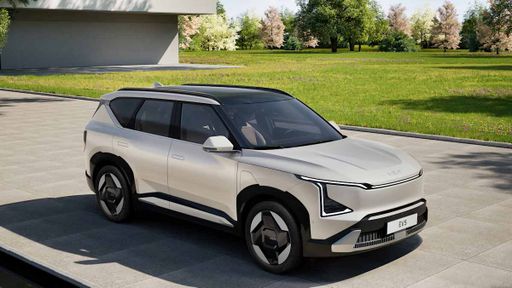
Kia EV5 as a suitable alternative to smart #5

The smart #5 and Kia EV5 are compact electric crossovers aimed at buyers who want stylish, city-friendly driving with usable range and modern tech. This comparison will help you weigh the smart’s urban agility and distinctive design against the EV5’s practicality, interior space and mainstream value so you can pick the better fit for your daily needs.

Kia's EV5 is an exciting entry into the electric SUV market, showcasing the brand's commitment to sustainable mobility. With its modern design and advanced technology features, the EV5 promises to deliver a smooth and environmentally friendly driving experience. The interior offers a spacious and comfortable ride, making it an appealing choice for families and eco-conscious drivers alike.

Quick data check: Kia EV5

  • marginally cheaper
  • substantially more power
  • moderately more electric range
  • clearly quicker 0–100 km/h
  • very slightly more efficient
  • only slightly lighter
from £34,300
Model Y

Tesla Model Y

  • Engine Type Electric
  • Transmission Automatic
  • Drive Type All-Wheel Drive, Rear-Wheel Drive
  • Power HP 299 - 460 HP
  • Consumption kWh/100km 13.1 - 16.2 kWh/100km
  • Electric Range 534 - 622 km

Tesla Model Y as a suitable alternative to smart #5

The Tesla Model Y and the smart #5 cater to very different buyers: the Model Y focuses on range, performance and interior practicality, while the smart #5 emphasizes compact size, efficiency and city-friendly maneuverability. This quick comparison highlights the strengths and trade-offs so you can pick the better fit for your driving needs.

The Tesla Model Y is a compact electric SUV that pairs practical interior space with a minimalist, tech-forward cabin that feels modern and airy. Its confident electric performance and suite of driver-assist features make everyday driving effortless, and regular software updates help the car stay fresh over time.

Quick data check: Tesla Model Y

  • visibly more power
  • slightly cheaper
  • clearly more efficient
  • only slightly more electric range
  • only slightly quicker 0–100 km/h
  • somewhat lighter
  • noticeably more trunk space
DriveDuel uses data analysis and artificial intelligence to evaluate vehicle data and create content. Content is regularly reviewed and improved. The displayed prices are estimates based on German list prices, adjusted to the respective country’s VAT. Country-specific registration taxes are not included. This information is not legally binding.