Renault Kangoo as a suitable alternative to Toyota Proace City
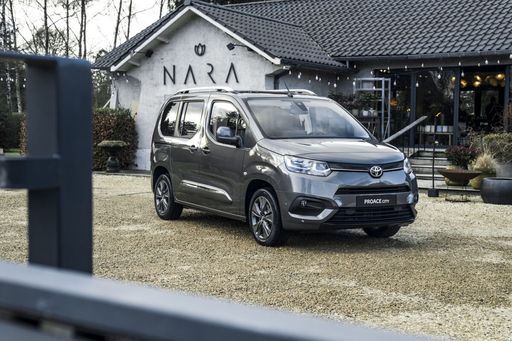
Renault Kangoo vs Toyota Proace City — two compact workhorses that double as practical family vans. Both are aimed at buyers who need sensible space, low running costs and everyday usability, but they take slightly different approaches.
Quick take
- Kangoo: a more modern, versatile offering with a strong electrified option and a passenger-friendly cabin layout. Good if you value modular interior and electric choice.
- Proace City: a straightforward, robust choice built on Stellantis foundations with proven mechanicals and wide dealer support. Good if you want durability, simple practicality and often a lower purchase price for ICE versions.
Practicality and load-carrying
- Both come in short and long wheelbase/body-length options, with flexible cargo floors and bulkhead/passenger variants, so payload and usable volume are broadly comparable.
- Kangoo tends to focus on clever modularity (sliding seats, configurable benches, smart storage) that benefits mixed-use buyers who switch between tools and people.
- Proace City is very no-nonsense: easier to spec as a pure van with durable trims and simple layouts that suit tradespeople who prioritise load space and easy cleaning.
Powertrains and running costs
- Kangoo is notable for its E-Tech electric variant, making it a strong contender if you want zero-emission urban driving and lower running costs in everyday use. Renault also offers efficient petrol/diesel options.
- Proace City offers petrol and diesel engines tuned for economy and durability; Toyota also supplies an electric version in markets where it’s offered, based on Stellantis hardware. Diesel variants typically give the best long-distance economy.
- If low whole-life cost is critical: electric Kangoo can win for short/mid-range use with regular charging, while Proace City diesel often wins on long motorway work because of fuel range and refuelling convenience.
Driving and comfort
- Kangoo aims for a more car-like feel with a comfortable driving position and a cabin that leans toward passenger comfort, especially in the passenger (family) versions.
- Proace City drives sensibly and predictably, with simple controls and a focus on utility rather than refinement. It’s robust rather than plush.
- Both are city- and lane-friendly; choose Kangoo if cabin comfort and refinement matter, Proace City if a utilitarian cockpit is fine.
Features, infotainment and safety
- Both offer modern safety aids (autonomous emergency braking, lane-keep aids, parking sensors/cameras) and touchscreen infotainment, though the layout and software differ. Renault’s systems tend to be more upmarket in appearance; Toyota/Stellantis systems prioritize functionality.
- Option packs and trim levels can change the balance — look closely at spec sheets for the driver assistance and convenience items you need.
Ownership, reliability and resale
- Toyota benefits from a strong reputation for reliability and an extensive dealer network, which can help resale values and service convenience.
- Renault offers competitive pricing, and its electric experience is a plus if you’re serious about an EV. Aftercare, warranty and service packages differ by market—check local terms.
Which should you pick?
- Choose the Renault Kangoo if you want a more modern cabin, flexible passenger-friendly layouts and a competitive full-electric option for urban and short-range use.
- Choose the Toyota Proace City if you need a straightforward, durable work van with proven ICE mechanics, wide dealer support and often a simpler total-cost-of-ownership picture for high-mileage diesel use.
Final tip: test-drive both in the exact body length and trim you’ll use, and verify payload (not just gross vehicle weight), load aperture dimensions and available accessories (roof racks, tow prep, partition types). Those details determine how well a van will work for your real-life job.
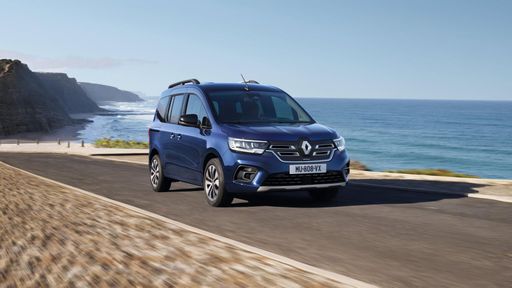
The Renault Kangoo is the pragmatic chameleon of small vans, marrying van-like practicality with carlike comfort and a cheerful, friendly face that suits both family runs and workday hauls. It's sensible, versatile and annoyingly useful — easy to live with, cheap to run and clever where it counts, so you get more space and fewer compromises than the price suggests.

 Deutschland
 France
 Nederland
 Great Britain
 Sverige
 Danmark
 Suomi
Suomi Italia
 Polska
 Česko
Česko España