Volvo V60 alternatives & comparisons

Here you can find alternatives to the Volvo V60, based on existing comparison pages and popular model matchups. We currently show 6 suitable models as a starting point for your buying decision.

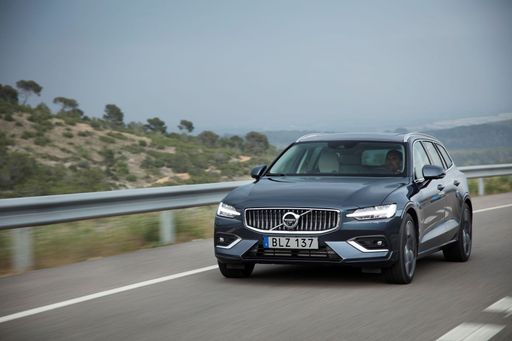
Volvo V60

Alternative models

These models are frequently compared with the Volvo V60 and are good next research steps.

from £41,900
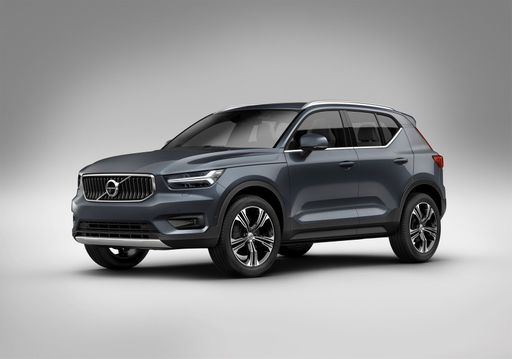
XC40

Volvo XC40

  • Engine Type Petrol MHEV
  • Transmission Automatic
  • Drive Type Front-Wheel Drive
  • Power HP 163 - 197 HP
  • Consumption L/100km 6.5 L/100km

Volvo XC40 as a suitable alternative to Volvo V60

The Volvo V60 is a sleek, premium estate built for refined cruising and carrying larger loads, while the Volvo XC40 is a compact SUV focused on city agility, practicality and a taller driving position. Choosing between them comes down to whether you want wagon-style space and long-distance comfort (V60) or crossover versatility and easier urban driving (XC40).

The Volvo XC40 blends Scandinavian design with practical versatility, offering a compact luxury crossover that feels composed and easy to live with. It’s refined and focused on safety with a high-quality interior, making it a smart choice for daily city driving and weekend escapes.

Quick data check: Volvo XC40

  • considerably more power
  • substantially more efficient
  • significantly quicker 0–100 km/h
  • noticeably cheaper
  • marginally lighter
from £25,600
Octavia Combi

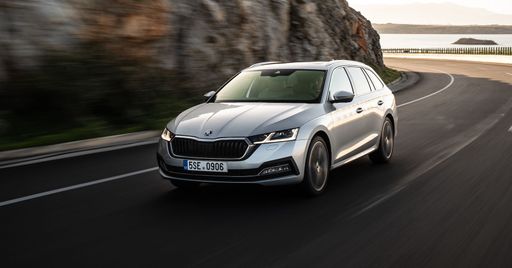
Skoda Octavia Combi

  • Engine Type Petrol, Petrol MHEV, Diesel
  • Transmission Automatic, Manuel
  • Drive Type All-Wheel Drive, Front-Wheel Drive
  • Power HP 116 - 204 HP
  • Consumption L/100km 4.4 - 6.9 L/100km

Skoda Octavia Combi as a suitable alternative to Volvo V60

We’re comparing the Skoda Octavia Combi and the Volvo V60 — two popular estate cars that appeal to buyers who need space and everyday usability without sacrificing comfort. Commonly called the Octavia Combi and the Volvo V60, they take different approaches: Skoda focuses on maximum practicality and value, Volvo on premium comfort and safety. Quick summary - Octavia Combi: Best if you want the most boot space and sensible features for the money, lower running costs, and a straightforward, family-friendly car. - Volvo V60: Best if you want a more premium cabin, stronger emphasis on comfort and safety tech, and don’t mind paying more for refinement and brand image. Space and practicality - Octavia Combi: Class-leading load area for its class, very usable rear seat space and lots of clever storage cubbies. If you frequently carry bulky items or need a genuinely practical estate, the Octavia is hard to beat. - V60: Competent load area but smaller than the Octavia. Rear space is comfortable for adults, and the cabin layout is tidy, but cargo capacity is not its headline feature. Interior, comfort and materials - Octavia Combi: Functional, well laid-out cabin with good ergonomics and materials that punch above its price, though not as plush as a premium car. The dash tends to favour simple controls and useful storage. - V60: More premium look and feel — nicer materials, sharper design, and a quieter, more refined ride. Seats are typically very comfortable for long trips, reflecting Volvo’s focus on occupant comfort. Engines and driving - Both cars are available with a range of petrol, diesel and electrified options (mild-hybrid and plug‑in hybrid in many markets). Expect the Octavia lineup to include efficient, mainstream engines focused on economy, while the V60 offers powertrains tuned for refinement and smoother performance. - Driving character: Octavia is composed, practical and confident—good steering and stability make it a pleasant daily driver. V60 emphasises comfort and composure, with a quieter cabin and a softer, more premium ride quality. Technology and infotainment - Octavia Combi: Modern infotainment with logical menus and useful physical controls on many trims. Good connectivity and driver assistance packages at competitive prices. - V60: A more premium infotainment experience (often with larger screens and more advanced safety/band-of-features). Volvo tends to include more advanced ADAS and a strong focus on active safety systems. Safety - Volvo’s brand reputation for safety is well-earned — the V60 typically comes with a broad suite of standard safety systems and top crash-test results. Octavia also performs well in safety testing and offers many ADAS features, but Volvo is usually one step ahead in standard active safety equipment. Running costs, ownership and value - Octavia Combi: Generally cheaper to buy, insure and run. Strong value for money and practical ownership costs. - V60: Higher purchase price and likely higher servicing and repair costs. May retain value well depending on market and specification, but overall ownership will be more expensive. Practical buying advice - Choose the Octavia Combi if: you prioritise cargo space, low running costs, straightforward practicality, and the best value for everyday family duties. - Choose the Volvo V60 if: you want a more refined, premium interior, stronger passive and active safety tech, and a quieter, more comfortable long-distance cruiser — and you’re happy to pay a premium for that. What to test on a drive - For both: sit in the rear seat to check legroom and headroom, load and unload the boot with a typical item you carry, test infotainment usability and smartphone integration, and try a varied route (town, motorway) to judge ride comfort, noise and visibility. - For the V60, pay attention to seat comfort and the sense of insulation; for the Octavia, assess boot layout, storage solutions and fuel economy potential. Bottom line If raw practicality and value dominate your priorities, the Octavia Combi is the smarter pick. If you want a more refined driving experience, classier cabin and a stronger safety pedigree and are willing to pay more, the Volvo V60 is the better choice. Test-drive both with the options and powertrains you’re likely to buy — that will quickly clarify which suits your daily life.

The Skoda Octavia Combi is a practical, well‑packaged estate that delivers generous and flexible interior space ideal for families or active owners. Its sensible cabin layout, comfortable ride and solid reputation for reliability make it a pragmatic choice for buyers who value utility over flash.


Quick data check: Skoda Octavia Combi

  • significantly more power
  • significantly more efficient
  • clearly quicker 0–100 km/h
  • significantly cheaper
  • visibly lighter
  • a bit more trunk space
from £36,500
Passat

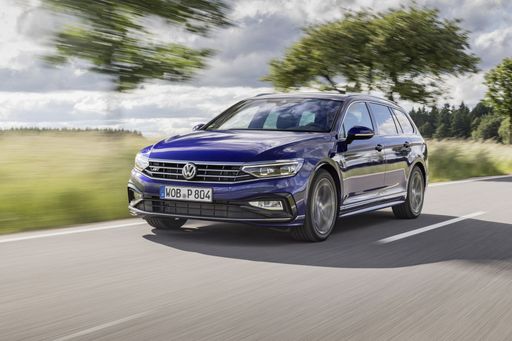
VW Passat

  • Engine Type Petrol MHEV, Diesel, Plugin Hybrid
  • Transmission Automatic
  • Drive Type Front-Wheel Drive, All-Wheel Drive
  • Power HP 122 - 272 HP
  • Consumption L/100km 1.2 - 5.8 L/100km
  • Electric Range 124 - 135 km

VW Passat as a suitable alternative to Volvo V60

The Volvo V60 and the VW Passat are two mid-size family cars that prioritize safety and practicality, but they take different approaches to comfort, design and driving feel. This comparison focuses on performance, interior quality, space, technology and running costs to help you decide which suits your priorities.

The VW Passat is the grown-up family car that gets the basics absolutely right — roomy, comfortable and built to handle weekday commutes and weekend getaways without fuss. It won't set your pulse racing, but its calm composure and sensible packaging make it boring in the best possible way: a dependable, no‑drama choice for buyers who value practicality over flash.

Quick data check: VW Passat

  • visibly more power
  • markedly quicker 0–100 km/h
  • considerably cheaper
  • clearly more efficient
  • markedly more electric range
  • slightly lighter
  • clearly more trunk space
from £62,300
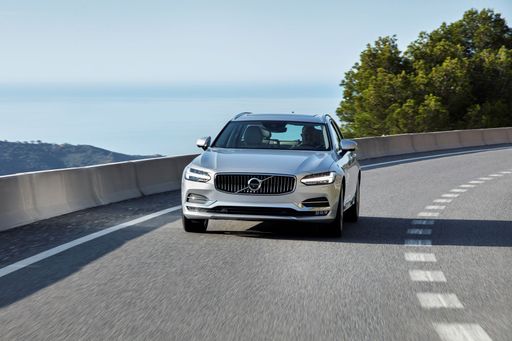
V90

Volvo V90

  • Engine Type Plugin Hybrid
  • Transmission Automatic
  • Drive Type All-Wheel Drive
  • Power HP 398 - 455 HP
  • Consumption L/100km 0.8 L/100km
  • Electric Range 88 km

Volvo V90 as a suitable alternative to Volvo V60

The Volvo V60 and V90 are both premium station wagons but serve different needs: the V60 is a sportier, more compact option, while the V90 offers greater space and a more luxurious ride. Choose the V60 if you prioritise agility and city-friendly size; choose the V90 if you need rear-seat room, luggage capacity and a more comfortable long-distance touring experience.

The Volvo V90 blends Scandinavian elegance with estate practicality, delivering a composed ride and an interior that's both luxurious and perfectly sensible. Packed with clever storage and top-flight safety kit, it's the choice for buyers who want to look classy while hauling life's chaos — without making a fuss about it.

Quick data check: Volvo V90

  • clearly cheaper
  • moderately more electric range
  • moderately lighter
  • very slightly more trunk space
  • clearly more power
  • considerably more efficient
  • somewhat quicker 0–100 km/h
from £58,300
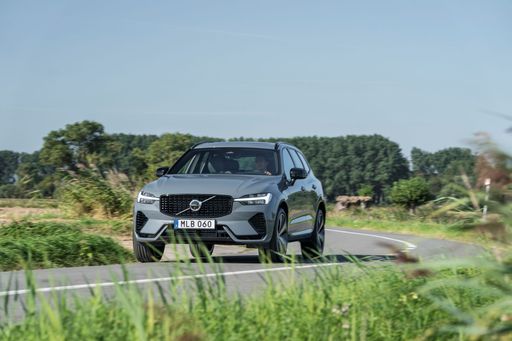
XC60

Volvo XC60

  • Engine Type Plugin Hybrid
  • Transmission Automatic
  • Drive Type All-Wheel Drive
  • Power HP 335 - 406 HP
  • Consumption L/100km 1.6 L/100km
  • Electric Range 79 km

Volvo XC60 as a suitable alternative to Volvo V60

The V60 is the sleek, driver-focused estate that rewards cornering with a lower centre of gravity and tidy practicality, ideal if you want sporty poise without shouting SUV. The XC60 lifts you up for easier access, more upright space and a confident road presence — perfect for families or anyone who likes a bit of SUV swagger, even if it drinks a little more at the pump.

The Volvo XC60 blends Scandinavian elegance with a strong focus on occupant safety, delivering a calm, composed ride and a well-crafted, user-friendly cabin. It’s a practical yet premium compact SUV that balances comfort with confident road manners, ideal for buyers who value refinement and everyday usability.

Quick data check: Volvo XC60

  • somewhat cheaper
  • visibly more electric range
  • clearly lighter
  • slightly more power
  • noticeably more efficient
  • somewhat quicker 0–100 km/h
from £40,800
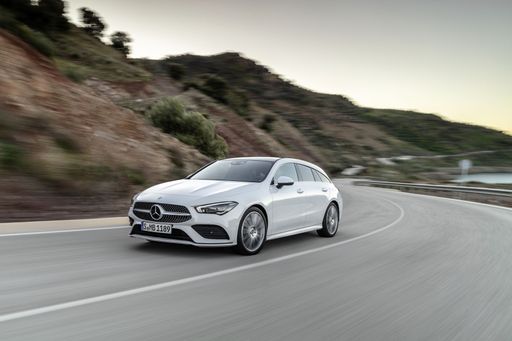
CLA Shooting Brake

Mercedes CLA Shooting Brake

  • Engine Type Electric, Full Hybrid
  • Transmission Automatic
  • Drive Type Rear-Wheel Drive, All-Wheel Drive, Front-Wheel Drive
  • Power HP 156 - 354 HP
  • Consumption L/100km 5 - 5.4 L/100km
  • Consumption kWh/100km 12.7 - 13.3 kWh/100km
  • Electric Range 525 - 768 km

Mercedes CLA Shooting Brake as a suitable alternative to Volvo V60

In the battle of stylish practicality, the Mercedes CLA Shooting Brake and Volvo V60 present two distinct philosophies for discerning drivers. The CLA impresses with its sleek design and sporty driving dynamics, making it a standout for those who prioritize aesthetics and performance. In contrast, the Volvo V60 offers a more spacious interior and a strong emphasis on safety and comfort, appealing to families and those seeking a more laid-back driving experience.

The Mercedes CLA Shooting Brake turns estate practicality into runway-ready style with a swooping roofline and coupe-like silhouette that makes even mundane errands feel a little more glamorous. Inside it pairs clever packaging with premium flair, so you get useful load space and a grown-up cabin — ideal if you want a car that looks like a showroom trophy but still handles the weekly shop without sulking.

Quick data check: Mercedes CLA Shooting Brake

  • clearly more efficient
  • somewhat more trunk space
  • visibly cheaper
  • only slightly more power
  • significantly more electric range
  • very slightly quicker 0–100 km/h
  • barely lighter
DriveDuel uses data analysis and artificial intelligence to evaluate vehicle data and create content. Content is regularly reviewed and improved. The displayed prices are estimates based on German list prices, adjusted to the respective country’s VAT. Country-specific registration taxes are not included. This information is not legally binding.