How Much Power Do You Really Need? 90 vs. 300 Horsepower in Everyday Life

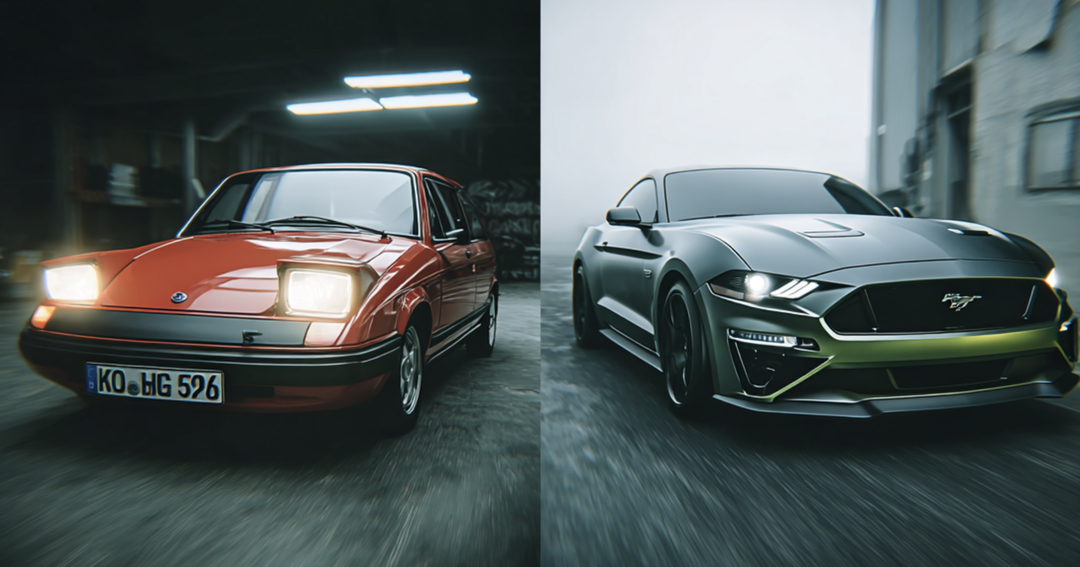
Power is one of the first numbers discussed when buying a car. 90 horsepower sounds like compromise. 300 horsepower feels like freedom.

How Much Power Do You Really Need? 90 vs. 300 Horsepower in Everyday Life

But between these two extremes lies the everyday. And everyday life does not follow the rules of brochures or barroom debates. The key question is not what a car can theoretically do, but when and where power is actually needed.

Why the classic 0-100 time barely matters in everyday life

Many purchasing decisions are still based on one number: the acceleration from 0 to 100 km/h. It sounds objective, measurable, comparable. However, in real road traffic, it hardly matters. Because most everyday situations don't start from zero.

More often, it's about overtaking a truck on a country road, merging onto the highway, or quickly accelerating from medium speeds. So what's crucial is not the sprint from a standstill but how quickly a car reacts from around 60 to 100 km/h. It is in these moments that you can feel whether an overtaking maneuver feels confident or sluggish.

And it is here that 90 and 300 horsepower really begin to make a difference.

90 HP: When Power Doesn't Impress, but Works

A car with around 90 HP doesn't demand restraint, but clarity. It requires planning instead of reflex, and rewards with calmness. In everyday life, this means: Acceleration happens in a controlled manner, not impulsively. Overtaking is consciously planned. The driver stays mentally engaged, rather than just following along.

In typical daily driving conditions, such a vehicle is not slow, but neither is it generous. It demands attention, but not effort. For many people, this creates a surprising effect: Driving feels relaxing because there's no pressure to rush.

This car is suitable for people who travel daily, want predictable journeys, and have little desire for unnecessary complexity. Here, power is not an end in itself. It is sufficient, and that's why it feels right.

When Insufficient Power Suddenly Becomes Relevant

There are situations where power is more than comfort. It becomes a time reserve. When driving onto a short highway ramp with a full load or having a narrow time window to overtake on a country road, you quickly realize: An engine that adds power reluctantly extends those critical moments.

Not out of drama, but physics. In such situations, there's no feeling of lack, but of dependency: You wait longer for something to happen. And this is where some start to wish for more power, not out of emotion, but the need for room to maneuver.

Cars under 150 HP in Comparison

300 HP: Power as a Reserve, Not a Constant State

A car with 300 HP changes your relationship with traffic. Not because you're always driving faster, but because you could. Suddenly, between 60 and 100 km/h, there's a brief, almost casual moment. Overtaking becomes routine. Accelerating is a gesture.

In everyday life, it looks like this: less planning, more reaction. Less waiting in critical situations. A feeling of confidence, even with a full load. This power reserve can be relaxing or provoking. It depends less on the car than on the person behind it.

Because the downside is real: more weight, higher consumption, fewer opportunities to truly exploit the potential. The power is there, but rarely necessary.

Sporty Models with Over 250 HP

The Real Difference Lies Not in the Extreme, but in the Feeling

In heavy traffic, on limited roads, under changing conditions, it's not weak versus strong, but tense versus relaxed. One car demands attention. The other relieves it.

One works when you think ahead. The other works even when you're tired. And it's here that two completely different ways of driving a car emerge.

Two Ways to Experience Everyday Life

Some people want a car that is reliable, responds predictably, and doesn't take up more space than necessary. For them, power is something that must be present but not overwhelming.

Others want a car that offers reserves, feels confident, and always feels superior. For them, power is not a numeric value, but a sense of security or an expression of how they perceive themselves. Both attitudes are legitimate. Both lead to different decisions.

The Honest Question Before Buying

Not: How much horsepower does the car have?

But rather: When was the last time I was upset about too little power – and when was I bothered by too much effort? Those who answer this question honestly will quickly see whether 90 horsepower is sufficient or if 300 horsepower provides peace of mind.

Conclusion

90 horsepower and 300 horsepower do not represent better or worse. They represent different expectations for daily life. One car fits a life that needs to function efficiently. The other fits a life that wants to feel effortless and commanding. That’s why there is no objective winner – only the car that matches your personal driving style.