
 Deutschland
 France
 Nederland
 Great Britain
 Sverige
 Norge
Norge Danmark
 Suomi
Suomi Italia
 Polska
 España
VS
Abarth 500 595 695 vs BYD Han – Which one offers the better deal?
Both models have their strengths – but which one suits you more?
Compare performance, efficiency, price and space directly: Abarth 500 595 695 or BYD Han?
500 595 695
@ Abarth / Stellantis Media
Costs and Efficiency:
Price and efficiency are often the first things buyers look at. Here it becomes clear which model has the long-term edge – whether at the pump, the plug, or in purchase price.
Abarth 500 595 695 has a clearly advantage in terms of price – it starts at 32600 £, while the BYD Han costs 59200 £. That’s a price difference of around 26598 £.
In terms of energy consumption, the advantage goes to the Abarth 500 595 695: with 17.10 kWh per 100 km, it’s hardly perceptible more efficient than the BYD Han with 18.50 kWh. That’s a difference of about 1.40 kWh.
As for range, the BYD Han performs decisively better – achieving up to 521 km, about 256 km more than the Abarth 500 595 695.
Han
@ BYD Auto / BYD Global Media
Engine and Performance:
Under the bonnet, it becomes clear which model is tuned for sportiness and which one takes the lead when you hit the accelerator.
When it comes to engine power, the BYD Han has a decisively edge – offering 517 HP compared to 155 HP. That’s roughly 362 HP more horsepower.
In acceleration from 0 to 100 km/h, the BYD Han is convincingly quicker – completing the sprint in 3.90 s, while the Abarth 500 595 695 takes 7 s. That’s about 3.10 s faster.
In terms of top speed, the BYD Han performs to a small extent better – reaching 180 km/h, while the Abarth 500 595 695 tops out at 155 km/h. The difference is around 25 km/h.
There’s also a difference in torque: BYD Han pulls significantly stronger with 700 Nm compared to 235 Nm. That’s about 465 Nm difference.
500 595 695
@ Abarth / Stellantis Media
Space and Everyday Use:
Whether family car or daily driver – which one offers more room, flexibility and comfort?
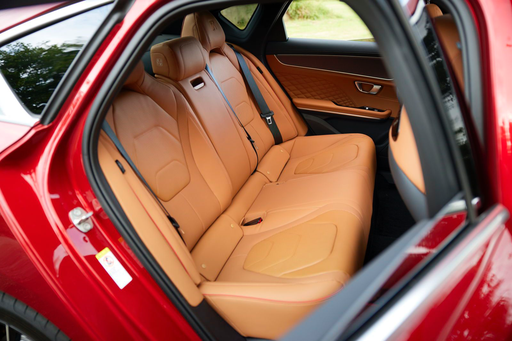
Seats: BYD Han offers somewhat more seating capacity – 5 vs 4.
In curb weight, Abarth 500 595 695 is convincingly lighter – 1410 kg compared to 2325 kg. The difference is around 915 kg.
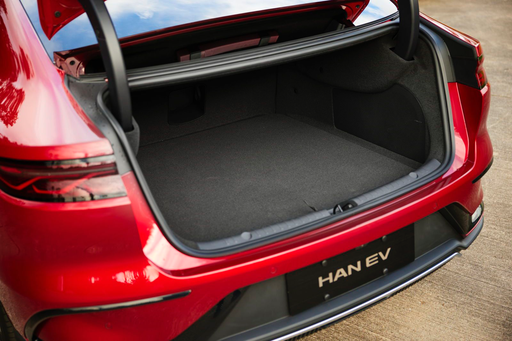
In terms of boot space, the BYD Han offers decisively more room – 410 L compared to 185 L. That’s a difference of about 225 L.
When it comes to payload, Abarth 500 595 695 to a small extent takes the win – 385 kg compared to 335 kg. That’s a difference of about 50 kg.
Who comes out on top?
Overall, the BYD Han shows itself to be dominates this comparison and secures the title of DriveDuel Champion.
It convinces with the more balanced overall package and proves to be the more versatile choice for everyday use.
from about £59,200
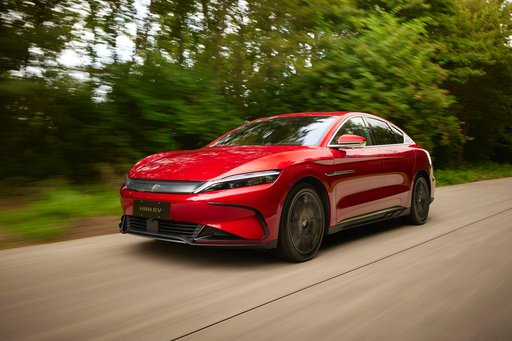 @ BYD Auto / BYD Global Media
BYD Han
Abarth 500 595 695
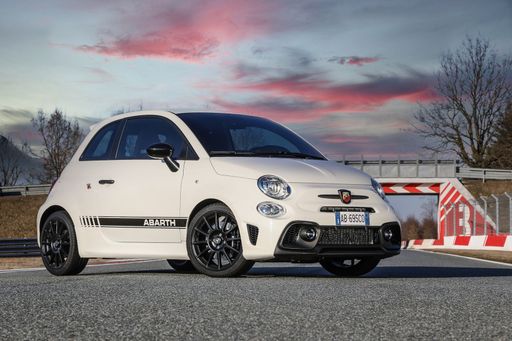
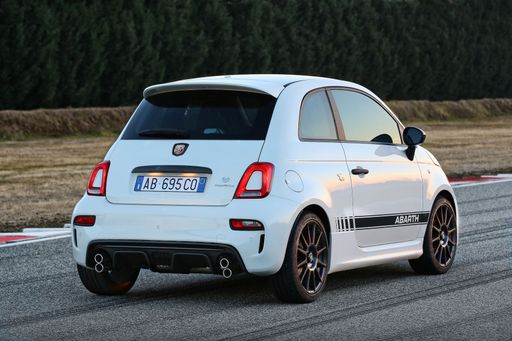
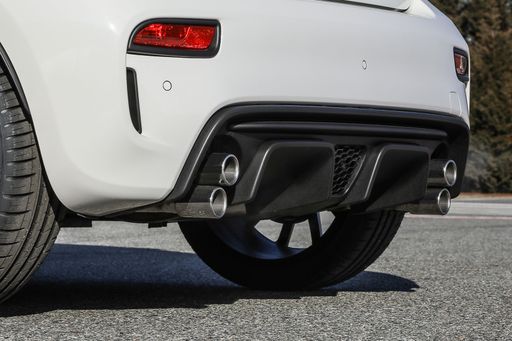
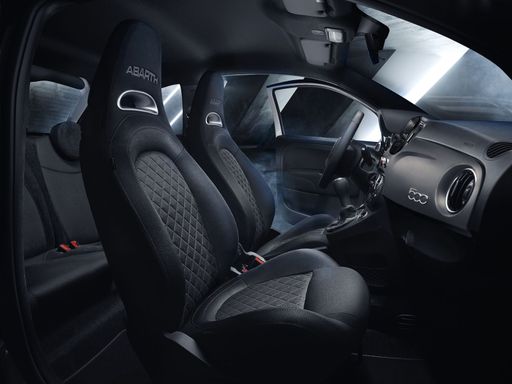
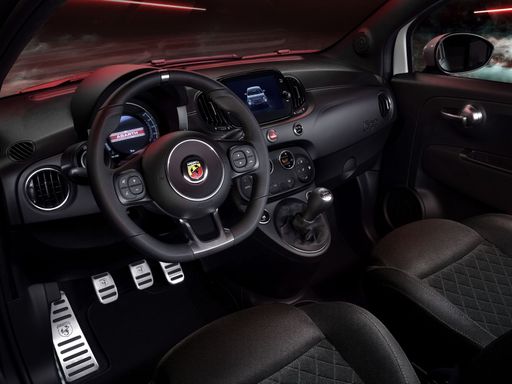
The Abarth 500, particularly in its 595 and 695 renditions, captures the spirit of Italian motoring with its compact yet aggressive design. Known for its lively performance and distinctive styling, this little powerhouse is a joy to drive, offering an engaging experience that appeals to enthusiasts. With its rich motorsport heritage, the Abarth 500 embodies the essence of fun and excitement on both the streets and the race track.
details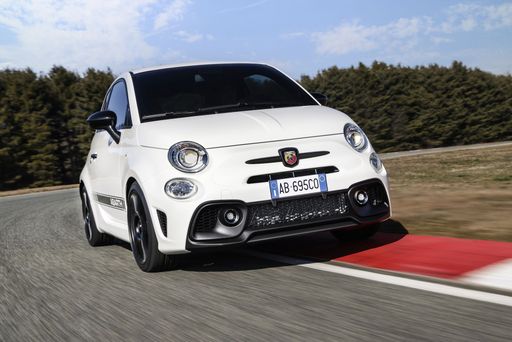 @ Abarth / Stellantis Media
 @ Abarth / Stellantis Media
 @ Abarth / Stellantis Media
 @ Abarth / Stellantis Media
 @ Abarth / Stellantis Media
 @ Abarth / Stellantis Media
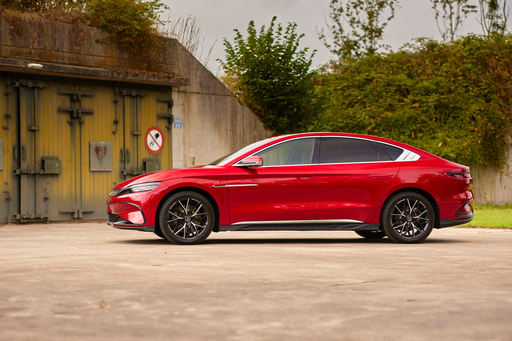
BYD Han
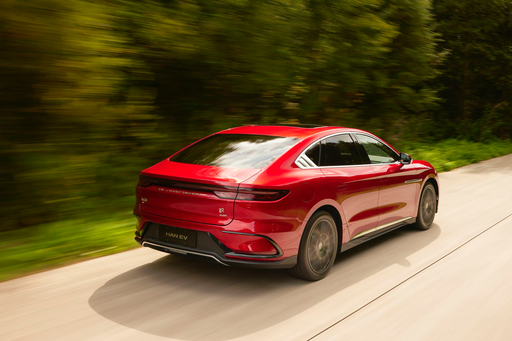
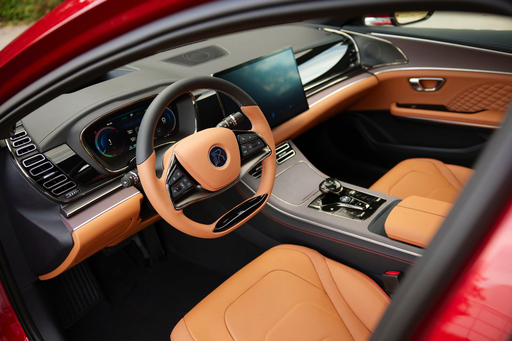
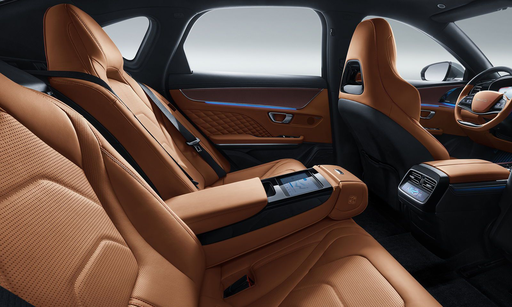
The BYD Han is a sleek electric vehicle that elegantly combines innovation and style. Its design features smooth lines and a sophisticated interior that highlight modern luxury. With advanced technology and impressive performance, it represents a significant step forward in the world of electric cars.
details
@ BYD Auto / BYD Global Media
 @ BYD Auto / BYD Global Media
 @ BYD Auto / BYD Global Media
 @ BYD Auto / BYD Global Media
 @ BYD Auto / BYD Global Media
 @ BYD Auto / BYD Global Media
 @ BYD Auto / BYD Global Media
Abarth 500 595 695
BYD Han
|
@ Abarth / Stellantis Media
|
@ BYD Auto / BYD Global Media
|
|
|
|
Costs and Consumption |
|
|---|---|
|
Price
32600 - 39400 £
|
Price
59200 - 62200 £
|
|
Consumption L/100km
-
|
Consumption L/100km
-
|
|
Consumption kWh/100km
17.1 - 18.8 kWh
|
Consumption kWh/100km
18.50 kWh
|
|
Electric Range
242 - 265 km
|
Electric Range
521 km
|
|
Battery Capacity
37.80 kWh
|
Battery Capacity
-
|
|
co2
0 g/km
|
co2
0 g/km
|
|
Fuel tank capacity
-
|
Fuel tank capacity
-
|
Dimensions and Body |
|
|---|---|
|
Body Type
Hatchback
|
Body Type
Sedan
|
|
Seats
4
|
Seats
5
|
|
Doors
3
|
Doors
4
|
|
Curb weight
1410 - 1435 kg
|
Curb weight
2325 kg
|
|
Trunk capacity
185 L
|
Trunk capacity
410 L
|
|
Length
3673 mm
|
Length
4995 mm
|
|
Width
1682 mm
|
Width
1910 mm
|
|
Height
1518 mm
|
Height
1495 mm
|
|
Max trunk capacity
550 L
|
Max trunk capacity
-
|
|
Payload
370 - 385 kg
|
Payload
335 kg
|
Engine and Performance |
|
|---|---|
|
Engine Type
Electric
|
Engine Type
Electric
|
|
Transmission
Automatic
|
Transmission
Automatic
|
|
Transmission Detail
-
|
Transmission Detail
-
|
|
Drive Type
Front-Wheel Drive
|
Drive Type
All-Wheel Drive
|
|
Power HP
155 HP
|
Power HP
517 HP
|
|
Acceleration 0-100km/h
7 s
|
Acceleration 0-100km/h
3.90 s
|
|
Max Speed
155 km/h
|
Max Speed
180 km/h
|
|
Torque
235 Nm
|
Torque
700 Nm
|
|
Number of Cylinders
-
|
Number of Cylinders
-
|
|
Power kW
114 kW
|
Power kW
380 kW
|
|
Engine capacity
-
|
Engine capacity
-
|
General |
|
|---|---|
|
Model Year
2023
|
Model Year
2023
|
|
CO2 Efficiency Class
A
|
CO2 Efficiency Class
A
|
|
Brand
Abarth
|
Brand
BYD
|
Is the Abarth 500 595 695 offered with different drivetrains?
The Abarth 500 595 695 is offered with Front-Wheel Drive.
The prices and data displayed are estimates based on German list prices and may vary by country. This information is not legally binding.