
 Deutschland
 France
 Nederland
 Great Britain
 Sverige
 Danmark
 Suomi
Suomi Italia
 Polska
 Česko
Česko España
VS
Aston Martin Vantage vs Fiat Ducato comparison
Compare performance (680 HP vs 140 HP), boot space and price (168,000 £ vs 41,200 £ ) at a glance. Find out which car is the better choice for you – Aston Martin Vantage or Fiat Ducato?
Aston Martin Vantage vs Fiat Ducato: Key differences
Vantage
Costs and Efficiency:
Price and efficiency are key factors when choosing a car – and this is often where the real differences emerge.
Fiat Ducato is considerably cheaper – starting at 41,200 £ , while the Aston Martin Vantage costs 168,000 £ . That’s a price difference of around 126,843 £.
Fuel consumption also shows a difference: the Fiat Ducato uses 7.5 L/100km and is considerably more efficient than the Aston Martin Vantage with 12.1 L/100km. The difference is about 4.6 L/100km.
Ducato
Engine and Performance:
Power, torque and acceleration are the classic benchmarks for car enthusiasts – and here, some clear differences start to show.
When it comes to engine power, the Aston Martin Vantage offers clearly more power – delivering 680 HP compared to 140 HP. That’s roughly 540 HP more horsepower.
There’s also a difference in torque: the Aston Martin Vantage delivers considerably more torque with 800 Nm compared to 350 Nm. That’s about 450 Nm more.
Space and Everyday Use:
Cabin size, boot volume and payload all play a role in everyday practicality. Here, comfort and flexibility make the difference.
Seats: Fiat Ducato offers more seats – 3 vs 2.
In terms of curb weight, Aston Martin Vantage is noticeably lighter – 1,745 kg compared to 2,165 kg. The difference is around 420 kg.
Who wins the race in the data check?
The Fiat Ducato stands well ahead of its rival in the objective data comparison.
This result only shows which model scores more points on paper – not which of the two cars feels right for you.
from £41,200
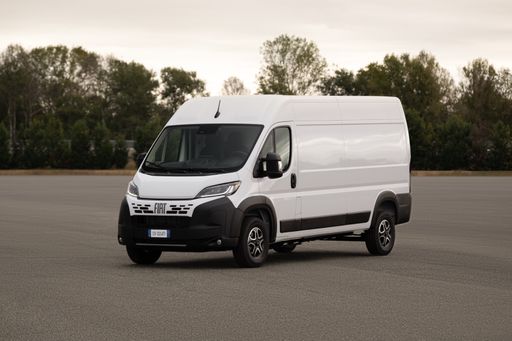
Fiat Ducato
Aston Martin Vantage
Fiat Ducato
Costs and Consumption
View detailed analysis
View detailed analysis
Engine and Performance
View detailed analysis
View detailed analysis
Dimensions and Body
View detailed analysis
View detailed analysis
Aston Martin Vantage
The Aston Martin Vantage marries sculptural, jaw-dropping design with a ferociously engaging character that turns everyday drives into a headline act. Buyers get a luxuriously intimate cabin and a raw, communicative chassis — perfect if you crave theatre every time you pull away.
details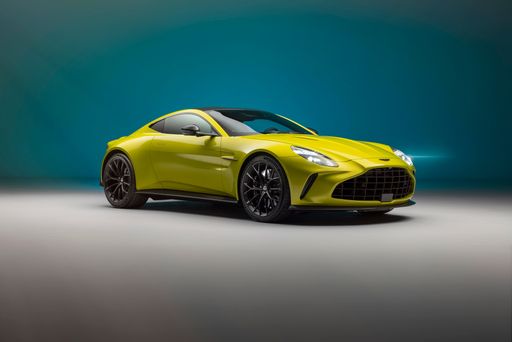
Fiat Ducato
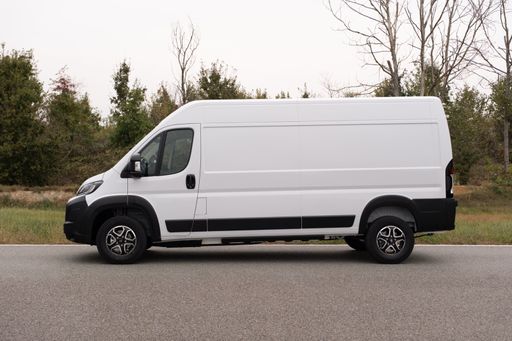
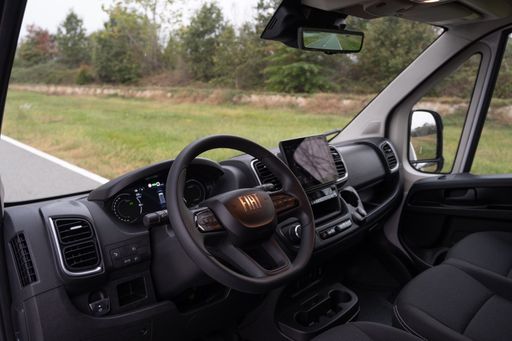
The Fiat Ducato is a no-nonsense workhorse that turns practicality into an artform, with a cavernous, flexible load area and predictable, car-like driving manners that make long days behind the wheel far less tedious. It’s equally at home with a tradesman’s kit or a camper conversion, offering sensible packaging, easy servicing and the sort of reliability that keeps surprises—and down-time—to a minimum.
details
Aston Martin Vantage
Fiat Ducato
Costs and Consumption |
|
|---|---|
|
Price
168,000 - 228,000 £
|
Price
41,200 - 43,900 £
|
|
Consumption L/100km
12.1 - 12.3 L/100km
|
Consumption L/100km
7.5 - 8.2 L/100km
|
|
Consumption kWh/100km
-
|
Consumption kWh/100km
-
|
|
Electric Range
-
|
Electric Range
-
|
|
Battery Capacity
-
|
Battery Capacity
-
|
|
co2
274 - 279 g/km
|
co2
198 - 217 g/km
|
|
Fuel tank capacity
-
|
Fuel tank capacity
-
|
Dimensions and Body |
|
|---|---|
|
Body Type
Coupe, Roadster
|
Body Type
Cargo Van
|
|
Seats
2
|
Seats
3
|
|
Doors
-
|
Doors
-
|
|
Curb weight
1,745 - 1,805 kg
|
Curb weight
2,165 - 2,230 kg
|
|
Trunk capacity
235 L
|
Trunk capacity
-
|
|
Length
-
|
Length
-
|
|
Width
1,980 mm
|
Width
2,050 mm
|
|
Height
-
|
Height
-
|
|
Max trunk capacity
-
|
Max trunk capacity
-
|
|
Payload
-
|
Payload
1,315 - 2,020 kg
|
Engine and Performance |
|
|---|---|
|
Engine Type
Petrol
|
Engine Type
Diesel
|
|
Transmission
Automatic
|
Transmission
Manuel, Automatic
|
|
Transmission Detail
Automatic Gearbox
|
Transmission Detail
Manual Gearbox, Automatic Gearbox
|
|
Drive Type
Rear-Wheel Drive
|
Drive Type
Front-Wheel Drive
|
|
Power HP
665 - 680 HP
|
Power HP
140 HP
|
|
Acceleration 0-100km/h
3.5 - 3.6 s
|
Acceleration 0-100km/h
-
|
|
Max Speed
-
|
Max Speed
-
|
|
Torque
800 Nm
|
Torque
350 Nm
|
|
Number of Cylinders
8
|
Number of Cylinders
4
|
|
Power kW
489 - 500 kW
|
Power kW
103 kW
|
|
Engine capacity
3,982 cm3
|
Engine capacity
2,184 cm3
|
General |
|
|---|---|
|
Model Year
2,024 - 2,025
|
Model Year
2025
|
|
CO2 Efficiency Class
G
|
CO2 Efficiency Class
G
|
|
Brand
Aston Martin
|
Brand
Fiat
|
DriveDuel uses data analysis and artificial intelligence to evaluate vehicle data and create content. Content is regularly reviewed and improved.
The displayed prices are estimates based on German list prices, adjusted to the respective country’s VAT. Country-specific registration taxes are not included. This information is not legally binding.