
 Deutschland
 France
 Nederland
 Great Britain
 Sverige
 Norge
Norge Danmark
 Suomi
Suomi Italia
 Polska
 España
VS
Audi A1 vs BYD Seal 6 – Differences & prices compared
Both models have their strengths – but which one suits you more?
Compare performance, efficiency, price and space directly: Audi A1 or BYD Seal 6?
A1
@ Audi AG
Costs and Efficiency:
Price and efficiency are key factors when choosing a car – and this is often where the real differences emerge.
Audi A1 has a decisively advantage in terms of price – it starts at 19700 £, while the BYD Seal 6 costs 36800 £. That’s a price difference of around 17177 £.
Fuel consumption also shows a difference: BYD Seal 6 manages with 1.70 L and is therefore significantly more efficient than the Audi A1 with 5.20 L. The difference is about 3.50 L per 100 km.
A1
@ Audi AG
Engine and Performance:
Power, torque and acceleration say a lot about how a car feels on the road. This is where you see which model delivers more driving dynamics.
When it comes to engine power, the BYD Seal 6 has a barely noticeable edge – offering 212 HP compared to 207 HP. That’s roughly 5 HP more horsepower.
In acceleration from 0 to 100 km/h, the Audi A1 is evident quicker – completing the sprint in 6.50 s, while the BYD Seal 6 takes 8.50 s. That’s about 2 s faster.
In terms of top speed, the Audi A1 performs noticeable better – reaching 245 km/h, while the BYD Seal 6 tops out at 180 km/h. The difference is around 65 km/h.
A1
@ Audi AG
Space and Everyday Use:
Whether family car or daily driver – which one offers more room, flexibility and comfort?
Both vehicles offer seating for 5 people.
In curb weight, Audi A1 is decisively lighter – 1175 kg compared to 1710 kg. The difference is around 535 kg.
In terms of boot space, the BYD Seal 6 offers clearly perceptible more room – 500 L compared to 335 L. That’s a difference of about 165 L.
In maximum load capacity, the BYD Seal 6 performs evident better – up to 1535 L, which is about 445 L more than the Audi A1.
When it comes to payload, Audi A1 minimal takes the win – 470 kg compared to 435 kg. That’s a difference of about 35 kg.
Who wins the race?
The BYD Seal 6 proves to be is largely superior and therefore becomes our DriveDuel Champion!
BYD Seal 6 is the better all-rounder in this comparison.
from about £36,800

BYD Seal 6
Audi A1
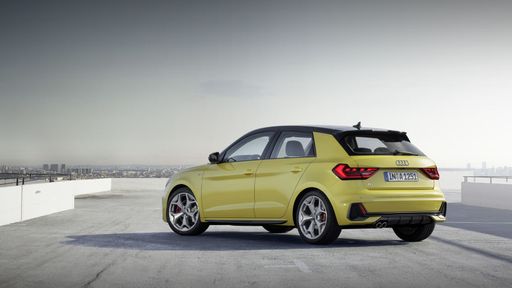
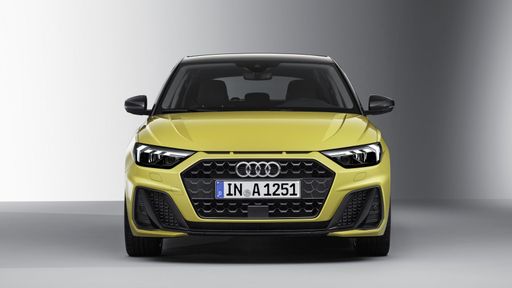
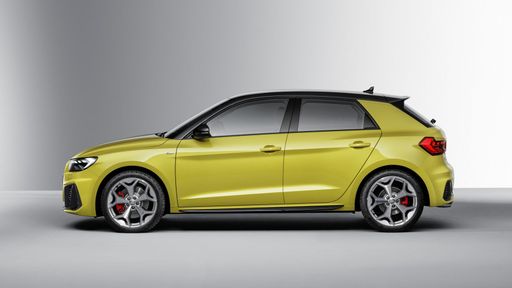
The Audi A1 captivates with its sleek design and compact dimensions, making it an ideal choice for urban driving. Inside, it boasts a premium interior that reflects Audi's commitment to quality and attention to detail. With a spirited performance and advanced technology, the A1 delivers an engaging driving experience that appeals to both young and discerning drivers alike.
details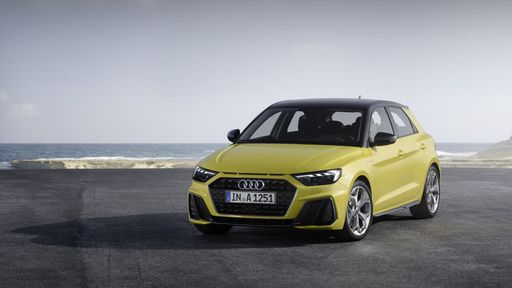 @ Audi AG
 @ Audi AG
 @ Audi AG
 @ Audi AG
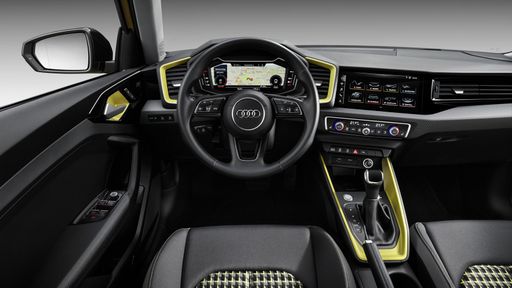 @ Audi AG
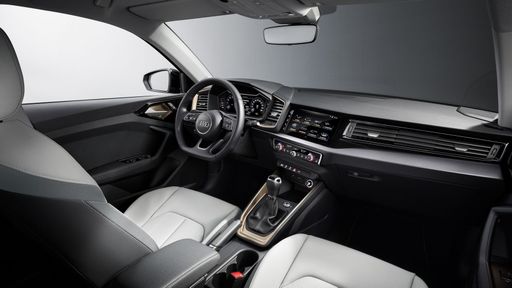 @ Audi AG
BYD Seal 6
The BYD Seal 6 is a captivating electric sedan that captures attention with its sleek design and modern aerodynamics. With a strong focus on sustainability, it offers an impressive electric driving experience, combining efficiency with cutting-edge technology. The Seal 6 stands out in the EV market for its luxurious interior and innovative features, making it a strong contender for drivers looking to embrace the future of transportation.
details
Audi A1
BYD Seal 6
|
@ Audi AG
|
|
|
|
|
Costs and Consumption |
|
|---|---|
|
Price
19700 - 28300 £
|
Price
36800 - 42800 £
|
|
Consumption L/100km
5.2 - 6.4 L
|
Consumption L/100km
1.7 - 2.6 L
|
|
Consumption kWh/100km
-
|
Consumption kWh/100km
-
|
|
Electric Range
-
|
Electric Range
50 - 100 km
|
|
Battery Capacity
-
|
Battery Capacity
-
|
|
co2
118 - 146 g/km
|
co2
38 - 60 g/km
|
|
Fuel tank capacity
40 L
|
Fuel tank capacity
65 L
|
Dimensions and Body |
|
|---|---|
|
Body Type
Hatchback
|
Body Type
Estate
|
|
Seats
5
|
Seats
5
|
|
Doors
5
|
Doors
5
|
|
Curb weight
1175 - 1365 kg
|
Curb weight
1710 - 1805 kg
|
|
Trunk capacity
335 L
|
Trunk capacity
500 L
|
|
Length
4029 - 4046 mm
|
Length
4840 mm
|
|
Width
1740 - 1756 mm
|
Width
1875 mm
|
|
Height
1409 - 1459 mm
|
Height
1505 mm
|
|
Max trunk capacity
1090 L
|
Max trunk capacity
1535 L
|
|
Payload
410 - 470 kg
|
Payload
435 kg
|
Engine and Performance |
|
|---|---|
|
Engine Type
Petrol
|
Engine Type
Plugin Hybrid
|
|
Transmission
Manuel, Automatic
|
Transmission
Automatic
|
|
Transmission Detail
Manual Gearbox, Dual-Clutch Automatic
|
Transmission Detail
CVT
|
|
Drive Type
Front-Wheel Drive
|
Drive Type
Front-Wheel Drive
|
|
Power HP
95 - 207 HP
|
Power HP
184 - 212 HP
|
|
Acceleration 0-100km/h
6.5 - 11.5 s
|
Acceleration 0-100km/h
8.5 - 8.9 s
|
|
Max Speed
182 - 245 km/h
|
Max Speed
180 km/h
|
|
Torque
175 - 320 Nm
|
Torque
-
|
|
Number of Cylinders
3 - 4
|
Number of Cylinders
4
|
|
Power kW
70 - 152 kW
|
Power kW
135 - 156 kW
|
|
Engine capacity
999 - 1984 cm3
|
Engine capacity
1498 cm3
|
General |
|
|---|---|
|
Model Year
2025
|
Model Year
2025
|
|
CO2 Efficiency Class
D, E
|
CO2 Efficiency Class
B
|
|
Brand
Audi
|
Brand
BYD
|
What drive types are available for the Audi A1?
Available configurations include Front-Wheel Drive.
The prices and data displayed are estimates based on German list prices and may vary by country. This information is not legally binding.