VS

BYD Seal vs BYD Seal 6 comparison

Compare performance (530 HP vs 212 HP), boot space and price (40,300 £ vs 36,800 £ ) at a glance. Find out which car is the better choice for you – BYD Seal or BYD Seal 6?

BYD Seal vs BYD Seal 6: Key differences

BYD Seal

  • clearly more power
  • clearly more electric range
  • clearly quicker 0–100 km/h

BYD Seal 6

4.7 (2 Reviews)
rate
  • only slightly cheaper
  • clearly more efficient
  • a bit lighter
Seal

Head-to-head: BYD Seal and BYD Seal 6 comparison

BYD Seal and BYD Seal 6 go head-to-head in this comparison of two electric fastback sedans, making it clear what to expect when choosing between them. This BYD Seal VS BYD Seal 6 comparison peels back the surface to show the real-life differences you'll feel every day — from driving character to perceived cabin quality. Readers searching for a direct comparison will find the practical contrasts here, not a spec-sheet snooze. We'll set aside the raw figures and focus on how each car behaves, who it suits, and what it says about its driver.
Seal 6

Personality clash: bold presence versus quiet efficiency

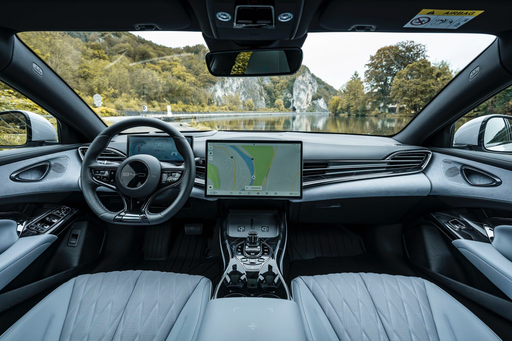
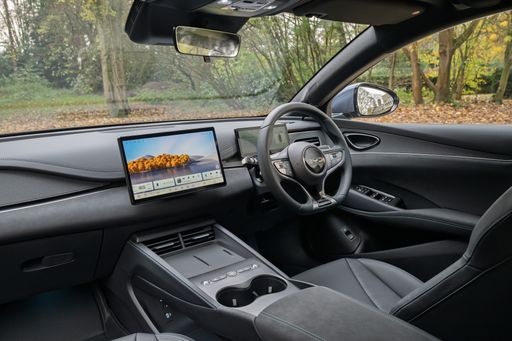
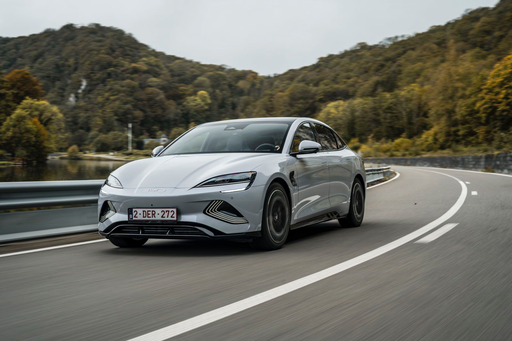
The BYD Seal projects sporty confidence — the sort of thing that announces itself in traffic — while the BYD Seal 6 feels more restrained and efficiency-minded. In other words, the BYD Seal leans toward presence and punch, the BYD Seal 6 toward light-footed refinement. Inside, the BYD Seal aims for a slightly more premium vibe, whereas the BYD Seal 6 trades some flash for sensible materials and clean ergonomics. It's the difference between a driver who wants applause and one who wants sensible applause in the running costs column.

Seal

Daily life: motorway composure vs urban practicality

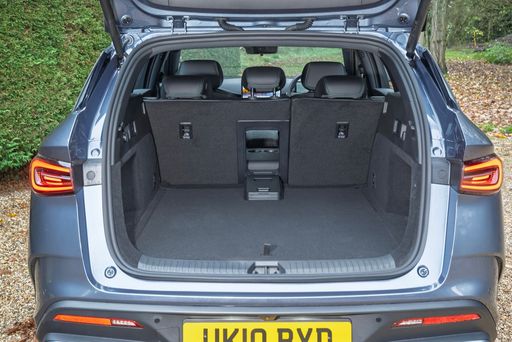
For everyday usability the BYD Seal will appeal to those who spend hours on motorways and value a composed ride and a cabin that feels planted at speed. The BYD Seal 6, by contrast, is more at home in town: light-footed steering, easy packaging and a focus on efficiency make it a city commuter's friend. Families will find both cars adequate, but the BYD Seal communicates a little more space and long-trip comfort, while the BYD Seal 6 prioritises practical simplicity and lower running fuss. If you regularly haul passengers and luggage, the BYD Seal's slightly more grown-up demeanour is reassuring; if your days are stop-start and tight parking is routine, the BYD Seal 6 simplifies life.

Seal 6

What you tell the world by choosing one over the other

Choosing the BYD Seal says you want a car that performs and looks like it — a statement that rewards drivers who enjoy sporty pace and long, confidence-inspiring journeys. Opting for the BYD Seal 6 broadcasts a different kind of smarts: you care about sensible running costs and clever packaging more than headline-grabbing figures. Style-conscious buyers will detect the subtle premium cues in the BYD Seal, while practical image-seekers will appreciate the BYD Seal 6's understated competence. Neither choice is shy; it's just a question of whether you prefer muscle and mileage confidence or frugality and urban agility.

Seal

Who should be looking at the BYD Seal?

The BYD Seal suits the driver who logs big miles, values steady high-speed manners and enjoys brisk acceleration on demand, unlike the more modest BYD Seal 6 which keeps things low-key. It's a car for people who want their daily commute to double as something with a bit of theatre when the road opens up. Buyers who want a touch of premium feel in the cabin and don't mind paying a little more for stronger performance will naturally gravitate to the BYD Seal. If that sounds like your mix of practicality and ambition, the BYD Seal will feel like the grown-up choice that still knows how to have fun.

Seal 6

Who should consider the BYD Seal 6 (and when the BYD Seal still tempts you)

The BYD Seal 6 is the sharp choice for city-focused drivers who prize efficiency, lower running costs and an easy-to-live-with package. It's ideal as an urban tool: nimble in traffic, straightforward to park and not trying to be anything other than sensible transportation. Tech-minded buyers who enjoy a streamlined interface and clever efficiency will find the BYD Seal 6 more aligned with their priorities, while style-first buyers may still prefer the BYD Seal's greater presence. If you lean toward the BYD Seal 6 but are secretly tempted by the BYD Seal's extra charisma, the numbers and real-world trade-offs in the next section will help you land the right choice.

Here’s where it gets real: The technical differences in detail

Seal

Costs and Efficiency:

Price and efficiency are key factors when choosing a car – and this is often where the real differences emerge.

BYD Seal 6 is only slightly cheaper – starting at 36,800 £ , while the BYD Seal costs 40,300 £ . That’s a price difference of around 3,429 £.

In terms of energy consumption, the BYD Seal 6 is clearly more efficient: consuming 7.8 kWh/100km compared to 15.4 kWh/100km for the BYD Seal. That’s a difference of about 7.6 kWh/100km.

As for electric range, the BYD Seal offers clearly more range – reaching up to 570 km, about 469 km more than the BYD Seal 6.

Seal 6

Engine and Performance:

Power, torque and acceleration are the classic benchmarks for car enthusiasts – and here, some clear differences start to show.

When it comes to engine power, the BYD Seal offers clearly more power – delivering 530 HP compared to 212 HP. That’s roughly 318 HP more horsepower.

When accelerating from 0 to 100 km/h, the BYD Seal is clearly quicker – completing the sprint in 3.8 s, while the BYD Seal 6 takes 8.5 s. That’s about 4.7 s quicker.

Seal

Space and Everyday Use:

Whether family car or daily driver – which one offers more room, flexibility and comfort?

Both vehicles offer seating for 5 people.

In terms of curb weight, BYD Seal 6 is a bit lighter – 1,710 kg compared to 1,907 kg. The difference is around 197 kg.

When it comes to payload, the BYD Seal carries only slightly more – 473 kg compared to 435 kg. That’s a difference of about 38 kg.

Who wins the race in the data check?

The BYD Seal is decisively ahead in the objective data comparison.
This result only shows which model scores more points on paper – not which of the two cars feels right for you.

from £40,300
Seal

BYD Seal

  • Engine Type : Electric
  • Transmission : Automatic
  • Drive Type : Rear-Wheel Drive, All-Wheel Drive
  • Power HP : 231 - 530 HP
  • Consumption kWh/100km : 15.4 - 18.2 kWh/100km
  • Electric Range : 460 - 570 km
BYD Seal
BYD Seal 6

Costs and Consumption

View detailed analysis

Engine and Performance

View detailed analysis

Dimensions and Body

View detailed analysis

BYD Seal

The BYD Seal is a sleek electric fastback that punches above its class with sporty looks and a surprisingly premium cabin, offering a very modern alternative for buyers who want style and substance without the badge snobbery. On the road it feels composed and eager, packed with tech and everyday practicality—ideal for shoppers after eco-friendly performance with a cheeky wink.

details

BYD Seal 6

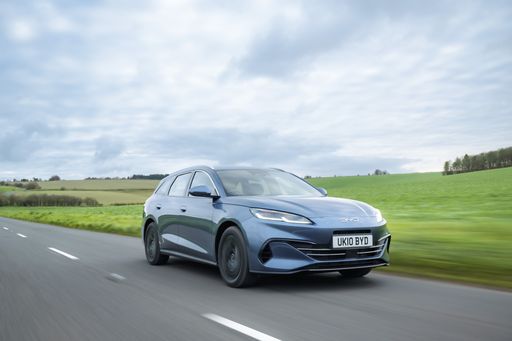
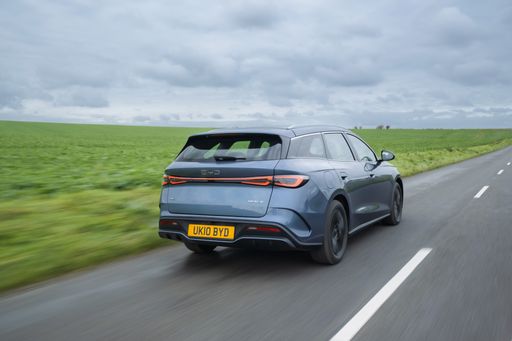
The BYD Seal 6 is a captivating electric sedan that captures attention with its sleek design and modern aerodynamics. With a strong focus on sustainability, it offers an impressive electric driving experience, combining efficiency with cutting-edge technology. The Seal 6 stands out in the EV market for its luxurious interior and innovative features, making it a strong contender for drivers looking to embrace the future of transportation.

details
BYD Seal
BYD Seal 6

Costs and Consumption

Price
40,300 - 45,400 £
Price
36,800 - 42,800 £
Consumption L/100km
-
Consumption L/100km
-
Consumption kWh/100km
15.4 - 18.2 kWh/100km
Consumption kWh/100km
7.8 - 11.2 kWh/100km
Electric Range
460 - 570 km
Electric Range
54 - 101 km
Battery Capacity
-
Battery Capacity
-
co2
0 g/km
co2
38 - 60 g/km
Fuel tank capacity
-
Fuel tank capacity
-

Dimensions and Body

Body Type
Sedan
Body Type
Estate
Seats
5
Seats
5
Doors
4
Doors
-
Curb weight
1,907 - 2,185 kg
Curb weight
1,710 - 1,805 kg
Trunk capacity
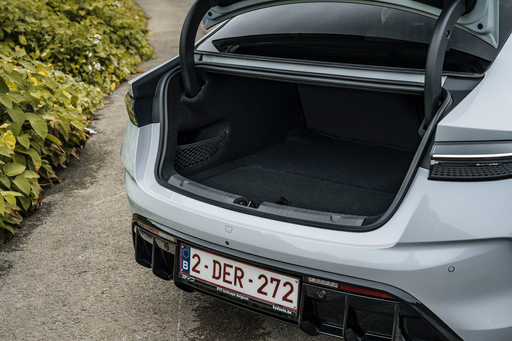
400 L
Trunk capacity
-
Length
4,800 mm
Length
-
Width
1,875 mm
Width
1,875 mm
Height
1,460 mm
Height
-
Max trunk capacity
-
Max trunk capacity
-
Payload
446 - 473 kg
Payload
435 kg

Engine and Performance

Engine Type
Electric
Engine Type
Plugin Hybrid
Transmission
Automatic
Transmission
Automatic
Transmission Detail
Reduction Gearbox
Transmission Detail
Automatic Gearbox
Drive Type
Rear-Wheel Drive, All-Wheel Drive
Drive Type
Front-Wheel Drive
Power HP
231 - 530 HP
Power HP
184 - 212 HP
Acceleration 0-100km/h
3.8 - 7.5 s
Acceleration 0-100km/h
8.5 - 8.9 s
Max Speed
180 km/h
Max Speed
-
Torque
360 - 670 Nm
Torque
-
Number of Cylinders
-
Number of Cylinders
4
Power kW
170 - 390 kW
Power kW
135 - 156 kW
Engine capacity
-
Engine capacity
1,498 cm3

General

Model Year
2,023 - 2,025
Model Year
2,025
CO2 Efficiency Class
A
CO2 Efficiency Class
B
Brand
BYD
Brand
BYD
DriveDuel uses data analysis and artificial intelligence to evaluate vehicle data and create content. Content is regularly reviewed and improved. The displayed prices are estimates based on German list prices, adjusted to the respective country’s VAT. Country-specific registration taxes are not included. This information is not legally binding.