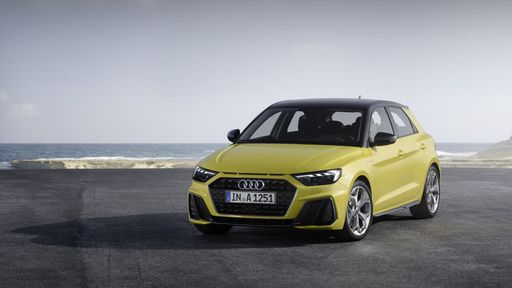
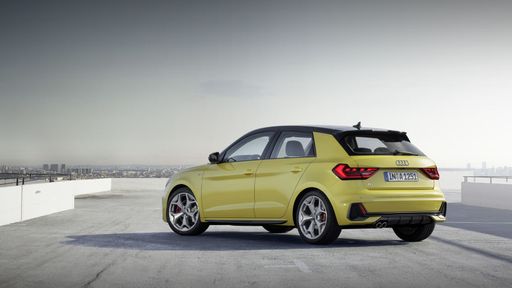
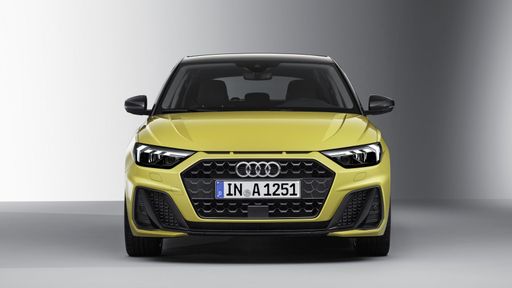
@ Audi AG
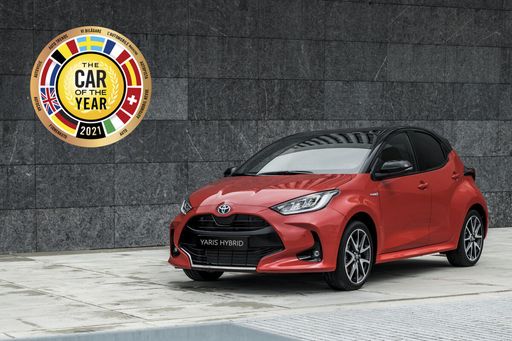
@ Toyota Motor Corporation
VS

Audi A1 vs Toyota Yaris – Performance, range & efficiency compared

Compare performance, boot capacity, efficiency and price at a glance.
Find out which car is the better choice for you – Audi A1 or Toyota Yaris?

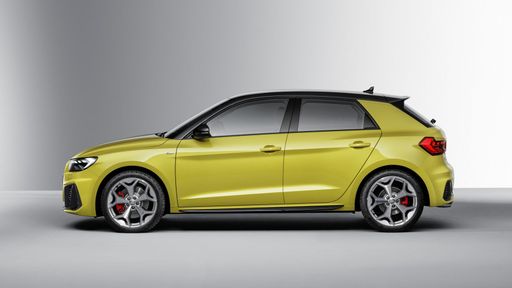
A1 @ Audi AG

The automotive landscape is rich with options, but the compact hatchback segment continues to stand out thanks to its blend of efficiency, performance, and innovative technology. In this article, we delve into a comprehensive comparison of two standout competitors: the Audi A1 and the Toyota Yaris. Each represents its brand's philosophy and promise, offering unique attributes that may appeal to different drivers.

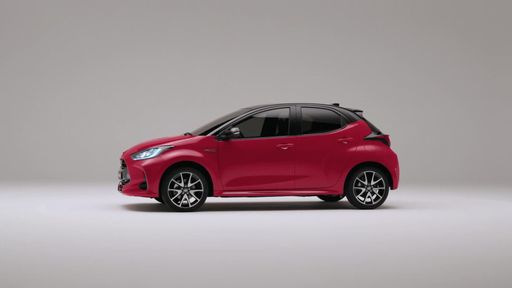
Yaris @ Toyota Motor Corporation

Design and Dimensions

Both the Audi A1 and the Toyota Yaris maintain the classic hatchback silhouette, yet they present distinctive characteristics in design and size. The Audi A1 measures 4046 mm in length, 1756 mm in width, and 1459 mm in height, encapsulating a sporty profile that Audi fans have come to appreciate. In contrast, the Toyota Yaris is slightly more compact at 3940 mm long and 1745 mm wide but stands taller at 1500 mm, giving it a more upright presence on the road.

A1 @ Audi AG

Performance and Powertrains

When it comes to performance, both vehicles offer a range of engine options that cater to varying preferences. The Audi A1 boasts a lineup of petrol engines ranging from 95 HP to a powerful 207 HP, with a focus on dynamic driving experiences. For instance, the higher-end variant can sprint from 0 to 100 km/h in just 6.5 seconds, highlighting its sporty capabilities. Additionally, the A1 offers both manual and dual-clutch automatic transmissions.

On the other hand, the Toyota Yaris showcases innovative hybrid technology alongside traditional petrol engines, with outputs ranging from 116 HP up to a robust 280 HP in hybrid configurations. The hybrid variant not only enhances performance but also showcases remarkable fuel efficiency, achieving consumption figures as low as 3.8 L/100 km. In terms of acceleration, the Yaris hybrid can reach 100 km/h in just 5.5 seconds, representing a significant achievement in the compact segment.

Yaris @ Toyota Motor Corporation

Fuel Efficiency

Efficiency is a major consideration for today’s buyers, and both vehicles deliver impressive figures. The Audi A1 has a fuel consumption range from 5.3 to 6.5 L/100 km depending on the engine variant and driving style. Meanwhile, the Toyota Yaris takes the crown for overall efficiency, particularly with its hybrid offerings, which can sip as little as 3.8 L/100 km, making it one of the most efficient cars in its class.

A1 @ Audi AG

Interior and Technology

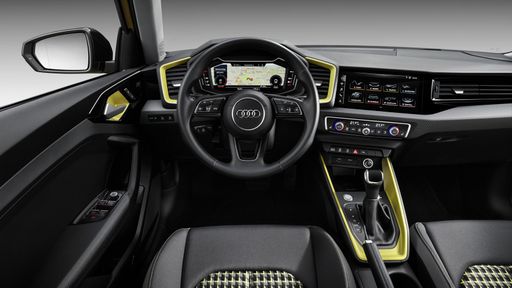
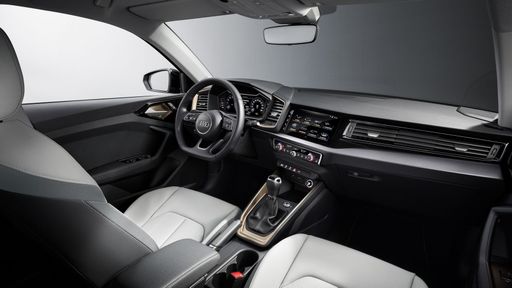
Stepping inside, both cars prioritize user experience with well-designed interiors. The Audi A1 features a modern cockpit with high-quality materials and a driver-focused layout, which includes a digital instrument cluster and an advanced infotainment system. The spaciousness accommodates five passengers comfortably, and the trunk capacity of 335 liters adds utility for everyday use.

Conversely, the Toyota Yaris equips drivers with a more straightforward layout, emphasizing functionality. Its interior complements five passengers as well, but the trunk space is slightly less generous at 286 liters. The Yaris also integrates modern technology, including a touchscreen infotainment system with smartphone connectivity, making it user-friendly for tech-savvy individuals.

Safety Features

Safety is a paramount concern for any manufacturer, and both Audi and Toyota have equipped their models with advanced safety features. The Audi A1 includes numerous assistive technologies such as adaptive cruise control, lane-keeping assist, and a robust airbag system. Meanwhile, the Toyota Yaris is celebrated for its Toyota Safety Sense package, incorporating features like pre-collision detection, dynamic radar cruise control, and parking assist.

Conclusion: Which to Choose?

The decision between the Audi A1 and the Toyota Yaris ultimately comes down to personal preference and priorities. If you desire a sportier experience with a strong emphasis on performance and luxury, the Audi A1 is a compelling option. However, if you value efficiency, innovative hybrid technology, and practical features for daily driving, the Toyota Yaris stands out as the more economical choice.

Both cars embody their brands' strengths and showcase how modern hatchbacks can blend performance, efficiency, and technology for a gratifying driving experience. Choosing the right one is not just a question of specifications but of what aligns most with your lifestyle and driving needs.

Here’s where it gets real: The technical differences in detail

Costs and Efficiency:

When it comes to price and running costs, the biggest differences usually appear. This is often where you see which car fits your budget better in the long run.

Audi A1 has a a bit advantage in terms of price – it starts at 19700 £, while the Toyota Yaris costs 21900 £. That’s a price difference of around 2186 £.

Fuel consumption also shows a difference: Toyota Yaris manages with 3.80 L and is therefore clearly perceptible more efficient than the Audi A1 with 5.20 L. The difference is about 1.40 L per 100 km.

Engine and Performance:

Under the bonnet, it becomes clear which model is tuned for sportiness and which one takes the lead when you hit the accelerator.

When it comes to engine power, the Toyota Yaris has a evident edge – offering 280 HP compared to 207 HP. That’s roughly 73 HP more horsepower.

In acceleration from 0 to 100 km/h, the Toyota Yaris is somewhat quicker – completing the sprint in 5.50 s, while the Audi A1 takes 6.50 s. That’s about 1 s faster.

In terms of top speed, the Audi A1 performs slight better – reaching 245 km/h, while the Toyota Yaris tops out at 230 km/h. The difference is around 15 km/h.

There’s also a difference in torque: Toyota Yaris pulls a bit stronger with 390 Nm compared to 320 Nm. That’s about 70 Nm difference.

Space and Everyday Use:

Whether family car or daily driver – which one offers more room, flexibility and comfort?

Both vehicles offer seating for 5 people.

In curb weight, Toyota Yaris is hardly perceptible lighter – 1090 kg compared to 1175 kg. The difference is around 85 kg.

In terms of boot space, the Audi A1 offers slightly more room – 335 L compared to 286 L. That’s a difference of about 49 L.

In maximum load capacity, the Audi A1 performs a bit better – up to 1090 L, which is about 155 L more than the Toyota Yaris.

When it comes to payload, Toyota Yaris slightly takes the win – 525 kg compared to 470 kg. That’s a difference of about 55 kg.

Who comes out on top?

Overall, the Toyota Yaris shows itself to be is largely superior and secures the title of DriveDuel Champion.
It convinces with the more balanced overall package and proves to be the more versatile choice for everyday use.

from about £21,900
Yaris @ Toyota Motor Corporation

Toyota Yaris

  • Engine Type : Full Hybrid, Petrol
  • Transmission : Automatic, Manuel
  • Drive Type : Front-Wheel Drive, All-Wheel Drive
  • Power HP : 116 - 280 HP
  • Consumption L/100km : 3.8 - 9.5 L

Audi A1

The Audi A1 captivates with its sleek design and compact dimensions, making it an ideal choice for urban driving. Inside, it boasts a premium interior that reflects Audi's commitment to quality and attention to detail. With a spirited performance and advanced technology, the A1 delivers an engaging driving experience that appeals to both young and discerning drivers alike.

details

Toyota Yaris

The Toyota Yaris is a sprightly city hatch that packs clever packaging, surprising comfort and fuel-sipping manners into a neat, easy-to-park package. It rewards sensible buyers with low running costs, friendly ergonomics and a forgiving drive, delivered with Japanese reliability and just enough personality to make errands feel a little less ordinary.

details
Audi A1
Toyota Yaris
A1 @ Audi AG
Yaris @ Toyota Motor Corporation

Costs and Consumption

Price
19700 - 28300 £
Price
21900 - 46700 £
Consumption L/100km
5.2 - 6.4 L
Consumption L/100km
3.8 - 9.5 L
Consumption kWh/100km
-
Consumption kWh/100km
-
Electric Range
-
Electric Range
-
Battery Capacity
-
Battery Capacity
-
co2
118 - 146 g/km
co2
87 - 215 g/km
Fuel tank capacity
40 L
Fuel tank capacity
36 - 50 L

Dimensions and Body

Body Type
Hatchback
Body Type
Hatchback
Seats
5
Seats
4 - 5
Doors
5
Doors
3 - 5
Curb weight
1175 - 1365 kg
Curb weight
1090 - 1356 kg
Trunk capacity
335 L
Trunk capacity
141 - 286 L
Length
4029 - 4046 mm
Length
3940 - 3995 mm
Width
1740 - 1756 mm
Width
1745 - 1805 mm
Height
1409 - 1459 mm
Height
1455 - 1500 mm
Max trunk capacity
1090 L
Max trunk capacity
935 L
Payload
410 - 470 kg
Payload
289 - 525 kg

Engine and Performance

Engine Type
Petrol
Engine Type
Full Hybrid, Petrol
Transmission
Manuel, Automatic
Transmission
Automatic, Manuel
Transmission Detail
Manual Gearbox, Dual-Clutch Automatic
Transmission Detail
CVT, Manual Gearbox, Automatic Gearbox
Drive Type
Front-Wheel Drive
Drive Type
Front-Wheel Drive, All-Wheel Drive
Power HP
95 - 207 HP
Power HP
116 - 280 HP
Acceleration 0-100km/h
6.5 - 11.5 s
Acceleration 0-100km/h
5.5 - 9.7 s
Max Speed
182 - 245 km/h
Max Speed
175 - 230 km/h
Torque
175 - 320 Nm
Torque
390 Nm
Number of Cylinders
3 - 4
Number of Cylinders
3
Power kW
70 - 152 kW
Power kW
85 - 206 kW
Engine capacity
999 - 1984 cm3
Engine capacity
1490 - 1618 cm3

General

Model Year
2025
Model Year
2024 - 2025
CO2 Efficiency Class
D, E
CO2 Efficiency Class
B, G
Brand
Audi
Brand
Toyota
What drive types are available for the Audi A1?

Available configurations include Front-Wheel Drive.

The prices and data displayed are estimates based on German list prices and may vary by country. This information is not legally binding.