VS

Audi A1 vs Jeep Renegade comparison

Compare performance (207 HP vs 240 HP), boot space and price (20,000 £ vs 26,700 £ ) at a glance. Find out which car is the better choice for you – Audi A1 or Jeep Renegade?

Audi A1 vs Jeep Renegade: Key differences

Audi A1

2.4 (1 Reviews)
rate
  • visibly cheaper
  • barely quicker 0–100 km/h
  • noticeably lighter
details

Jeep Renegade

  • somewhat more power
  • substantially more efficient
  • barely more trunk space
details

By Achim Sedelmaier

A1

Compact Class Clash: Audi A1 vs. Jeep Renegade

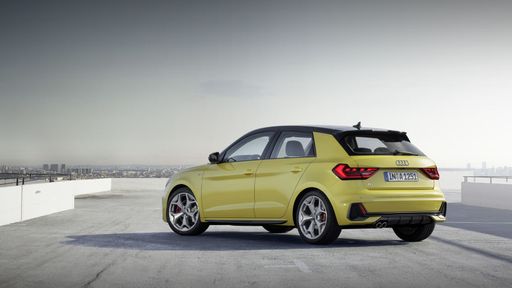
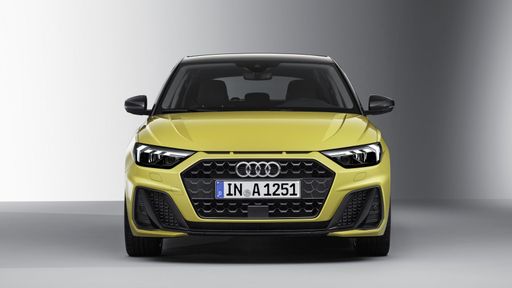
In the world of compact vehicles, two models stand out for different reasons: the Audi A1, with its sophisticated design and nimble dynamics, and the Jeep Renegade, bringing a robust character along with some off-road capabilities. Both vehicles cater to unique audiences, yet they intersect in the minds of those exploring the compact segment. Here, we delve into their technical specifics and innovative features, helping you decide which suits your lifestyle better.
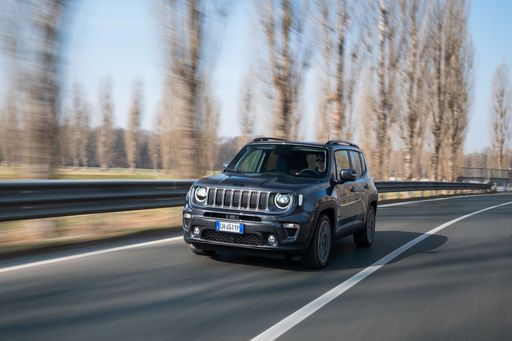
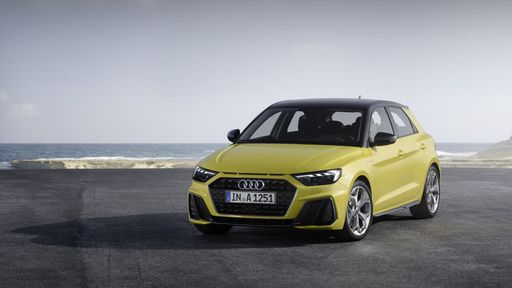
Renegade

The Heart of Power: Engine and Performance

The Audi A1 offers an array of engine choices, from a modest 95 HP up to an energetic 207 HP, using petrol as its primary fuel. It is available with a manual gearbox or a dual-clutch automatic, driving the front wheels. The A1’s lineup ensures an engaging and responsive ride with acceleration from 0 to 100 km/h ranging from 11.5 seconds to a brisk 6.5 seconds, depending on the chosen configuration.

On the other hand, the Jeep Renegade is available with both petrol mild hybrid (MHEV) and plug-in hybrid options. The power output ranges from a capable 130 HP to a more potent 240 HP. The Renegade boasts a dual-clutch automatic transmission across options, with configurations in front-wheel or all-wheel drive. Its acceleration times vary between 9.7 seconds and an impressive 7.1 seconds, offering versatility both on highways and rugged terrains.

A1

Economy and Efficiency: Fuel Consumption and CO2 Emissions

The Audi A1 showcases a reasonable fuel consumption stretching between 5.3 L/100 km and 6.5 L/100 km, maintaining its appeal for the economically conscious urban driver. CO2 emissions range from 120 g/km to 147 g/km, reflective of its varied engine sizes and power outputs. Despite lacking hybrid technology, it remains competitive among petrol-only hatchbacks.

Conversely, the Renegade's hybrid technology sets it apart, achieving a show-stopping 2.1 L/100 km with the plug-in hybrid version, targeted for efficiency enthusiasts. The electric range of up to 36 km allows some journeys to be accomplished petrol-free, cutting down CO2 emissions drastically, reaching only 48 g/km in its hybrid guise.

Renegade

Dynamic Soul: Design and Dimensions

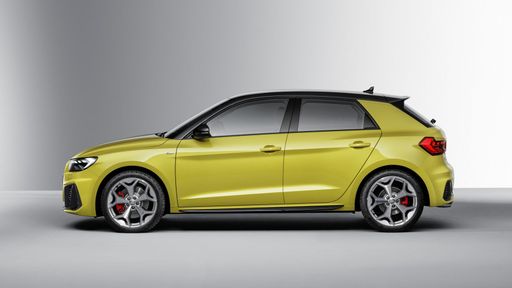
The Audi A1, a hatchback, stretches to 4046 mm in length, perfect for city maneuverability. Its trunk capacity is 335 L, suitable for daily commuting or weekend getaways. The A1’s stylish design appeals to those who prioritize aesthetics and seek a less intrusive presence on the road.

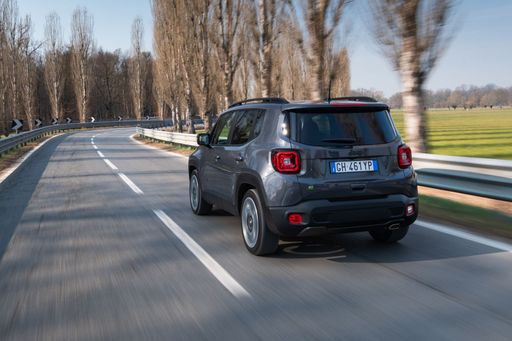
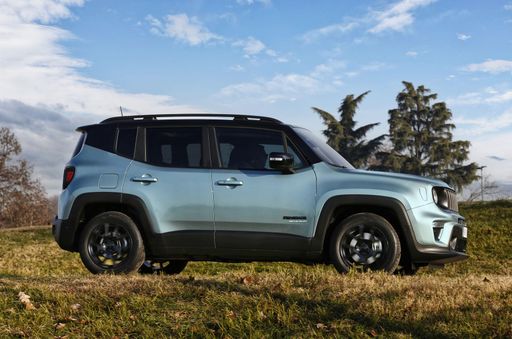
The Jeep Renegade, with its larger SUV body type, measures 4236 mm in length. While it offers a slightly larger trunk capacity of up to 351 L, it's more designed for versatility rather than sheer cargo space. Its higher stance embodies Jeep’s off-road heritage, appealing to those desiring an adventurous yet compact SUV.

A1

Innovation and Comfort: Inside the Cabins

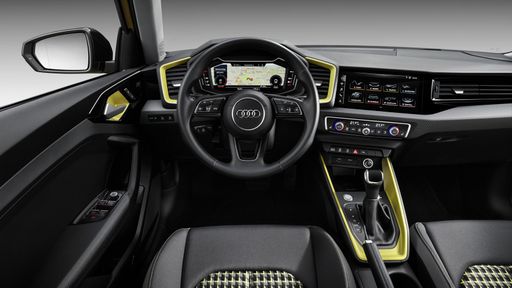
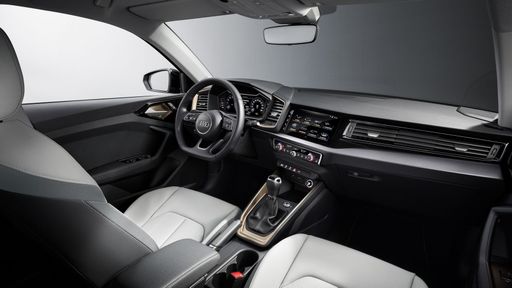
Both vehicles accommodate five passengers comfortably. The Audi A1, reflective of its brand’s luxury heritage, brings sophisticated interiors with cutting-edge infotainment systems and digital control interfaces. It’s tailored to those who value a sleek, tech-savvy environment.

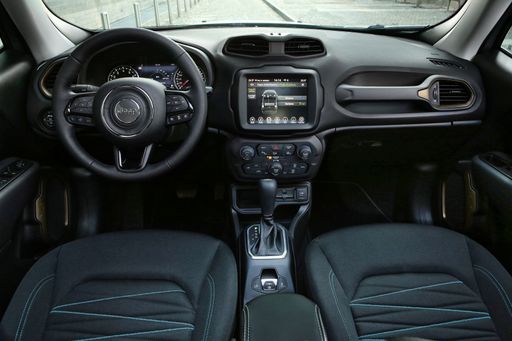
The Jeep Renegade, prioritizing robustness and practicality, doesn’t fall short in technology. Its interior combines rugged looks with modern connectivity, ensuring passengers stay plugged into the world no matter where their adventures take them.

Renegade

Conclusion: City Cruiser vs. Adventurous Soul

Deciding between the Audi A1 and the Jeep Renegade ultimately hinges upon lifestyle and usage context. The A1 excels with compact practicality and refined class, ideal for urban dwellers and style-conscious buyers seeking a mix of efficiency and performance within metropolitan settings.

The Renegade, however, embodies versatility. It fits right into the life of those who desire the ability to switch effortlessly between urban roads and country paths. It’s for the eco-conscious adventurer or anyone wanting a fashionable, yet sturdy option that can handle varied terrains.

Whatever your preference, both the Audi A1 and the Jeep Renegade deliver outstanding features in compact packages, each offering distinct strengths in their domains.

Here’s where it gets real: The technical differences in detail

A1

Costs and Efficiency:

Looking at overall running costs, both models reveal some interesting differences in everyday economy.

Audi A1 is visibly cheaper – starting at 20,000 £ , while the Jeep Renegade costs 26,700 £ . That’s a price difference of around 6,686 £.

Fuel consumption also shows a difference: the Jeep Renegade uses 2.1 L/100km and is substantially more efficient than the Audi A1 with 5.2 L/100km. The difference is about 3.1 L/100km.

Renegade

Engine and Performance:

Power, torque and acceleration are the classic benchmarks for car enthusiasts – and here, some clear differences start to show.

When it comes to engine power, the Jeep Renegade offers somewhat more power – delivering 240 HP compared to 207 HP. That’s roughly 33 HP more horsepower.

When accelerating from 0 to 100 km/h, the Audi A1 is barely quicker – completing the sprint in 6.5 s, while the Jeep Renegade takes 7.1 s. That’s about 0.6 s quicker.

There’s also a difference in torque: the Audi A1 delivers clearly more torque with 320 Nm compared to 240 Nm. That’s about 80 Nm more.

A1

Space and Everyday Use:

Cabin size, boot volume and payload all play a role in everyday practicality. Here, comfort and flexibility make the difference.

Both vehicles offer seating for 5 people.

In terms of curb weight, Audi A1 is noticeably lighter – 1,175 kg compared to 1,420 kg. The difference is around 245 kg.

Looking at boot space, the Jeep Renegade offers barely more boot space – 351 L compared to 335 L. That’s a difference of about 16 L.

When it comes to payload, the Jeep Renegade carries slightly more – 570 kg compared to 470 kg. That’s a difference of about 100 kg.

Who wins the race in the data check?

The Jeep Renegade stands well ahead of its rival in the objective data comparison.
This result only shows which model scores more points on paper – not which of the two cars feels right for you.

from £26,700
Renegade

Jeep Renegade

  • Engine Type Petrol MHEV, Plugin Hybrid
  • Transmission Automatic
  • Drive Type Front-Wheel Drive, All-Wheel Drive
  • Power HP 130 - 240 HP
  • Consumption L/100km 2.1 - 5.5 L/100km
  • Electric Range 36 km
Audi A1
Jeep Renegade

Costs and Consumption

View detailed analysis

Engine and Performance

View detailed analysis

Dimensions and Body

View detailed analysis

Audi A1

The Audi A1 is a compact premium hatch that wraps Audi's polished design and surprisingly grown-up cabin into a city-friendly package. It’s poised and fun to drive, a smart pick for buyers who want luxury flair without the fuss of a bigger car — and it makes tight parking feel almost enjoyable.

details

Jeep Renegade

The Jeep Renegade wears its chunky, boxy looks like a badge of character, blending genuine off-road swagger with city-friendly manners so it feels at home on a muddy trail or a tight urban lane. Inside you'll find a surprisingly practical cabin with rugged touches and clever storage, making it a sensible choice for buyers who want a compact SUV with personality rather than just another anonymous crossover.

details
Audi A1
Jeep Renegade

Costs and Consumption

Price
20,000 - 28,800 £
Price
26,700 - 39,200 £
Consumption L/100km
5.2 - 6.4 L/100km
Consumption L/100km
2.1 - 5.5 L/100km
Consumption kWh/100km
-
Consumption kWh/100km
-
Electric Range
-
Electric Range
36 km
Battery Capacity
-
Battery Capacity
-
co2
118 - 146 g/km
co2
48 - 125 g/km
Fuel tank capacity
-
Fuel tank capacity
36 - 48 L

Dimensions and Body

Body Type
Hatchback
Body Type
SUV
Seats
5
Seats
5
Doors
-
Doors
5
Curb weight
1,175 - 1,365 kg
Curb weight
1,420 - 1,770 kg
Trunk capacity
335 L
Trunk capacity
330 - 351 L
Length
-
Length
4,236 mm
Width
1,740 - 1,756 mm
Width
1,805 mm
Height
-
Height
1,684 - 1,718 mm
Max trunk capacity
-
Max trunk capacity
1,277 - 1,297 L
Payload
410 - 470 kg
Payload
545 - 570 kg

Engine and Performance

Engine Type
Petrol
Engine Type
Petrol MHEV, Plugin Hybrid
Transmission
Manuel, Automatic
Transmission
Automatic
Transmission Detail
Manual Gearbox, Dual-Clutch Automatic
Transmission Detail
Dual-Clutch Automatic, Automatic Gearbox
Drive Type
Front-Wheel Drive
Drive Type
Front-Wheel Drive, All-Wheel Drive
Power HP
95 - 207 HP
Power HP
130 - 240 HP
Acceleration 0-100km/h
6.5 - 11.5 s
Acceleration 0-100km/h
7.1 - 9.7 s
Max Speed
-
Max Speed
191 - 199 km/h
Torque
175 - 320 Nm
Torque
240 Nm
Number of Cylinders
3 - 4
Number of Cylinders
4
Power kW
70 - 152 kW
Power kW
96 - 177 kW
Engine capacity
999 - 1,984 cm3
Engine capacity
1,332 - 1,469 cm3

General

Model Year
2025
Model Year
2024
CO2 Efficiency Class
D, E
CO2 Efficiency Class
D, B
Brand
Audi
Brand
Jeep
DriveDuel uses data analysis and artificial intelligence to evaluate vehicle data and create content. Content is regularly reviewed and improved. The displayed prices are estimates based on German list prices, adjusted to the respective country’s VAT. Country-specific registration taxes are not included. This information is not legally binding.