VS

Audi A3 Sportback vs Audi Q2 comparison

Compare performance (400 HP vs 300 HP), boot space and price (27,000 £ vs 24,900 £ ) at a glance. Find out which car is the better choice for you – Audi A3 Sportback or Audi Q2?

Audi A3 Sportback vs Audi Q2: Key differences

Audi A3 Sportback

3.9 (1 Reviews)
rate
  • clearly more power
  • considerably more efficient
  • clearly quicker 0–100 km/h

Audi Q2

4.7 (4 Reviews)
rate
  • very slightly cheaper
  • very slightly lighter
  • marginally more trunk space

All details on performance, efficiency, range and trunk space can be found in the technical comparison below – including user reviews for both models.

A3 Sportback

Introduction to the Contenders: Audi A3 Sportback vs. Audi Q2

The automotive market is abundant with options, but two remarkable vehicles from Audi have captured the attention of automotive enthusiasts: the Audi A3 Sportback and the Audi Q2. Both models boast impressive technological advancements and innovative features, yet they cater to different preferences in terms of style and functionality. This comparison seeks to illustrate how these two vehicles stack up against each other in various categories, including performance, design, and cutting-edge technology.

Q2

Performance and Engine Options

When it comes to performance, both the A3 Sportback and Q2 offer a selection of engines that are efficient and powerful. The A3 Sportback features an array of engine types, including petrol, diesel, and hybrid options, with power outputs ranging from 116 to a thrilling 400 HP. The standout performance variant can accelerate from 0 to 100 km/h in a mere 3.8 seconds, boasting a maximum speed of 250 km/h.

In contrast, the Audi Q2 offers petrol and diesel engines, with power ranging from 116 HP to 300 HP. The Q2’s agile performance allows it to hit 100 km/h in as little as 4.9 seconds, facilitated by its powerful options. This underscores the spirited driving experience Audi is known for, although its top speed caps out at 250 km/h as well.

A3 Sportback

Fuel Efficiency and Consumption

Fuel efficiency is a critical consideration for many buyers. The A3 Sportback impresses with its fuel consumption, ranging from 4.8 to 9.3 L/100 km depending on the engine configuration. The hybrid version, a petrol MHEV, provides an optimal balance between power and efficiency, which is increasingly sought after in today’s market.

On the other hand, the Audi Q2 exhibits similar frugality, with consumption figures ranging from 5.1 to 8.4 L/100 km. Both vehicles ensure that owners can enjoy spirited performance without sacrificing fuel economy, although the A3 Sportback has a slight edge in terms of efficiency across its lineup.

Q2

Design and Comfort

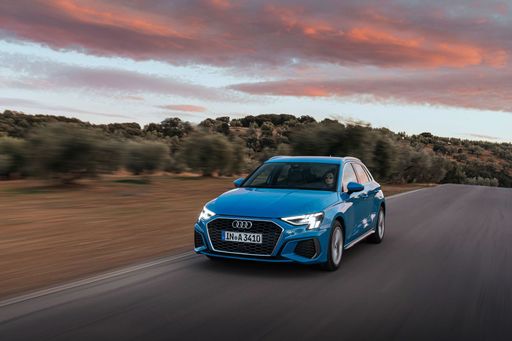
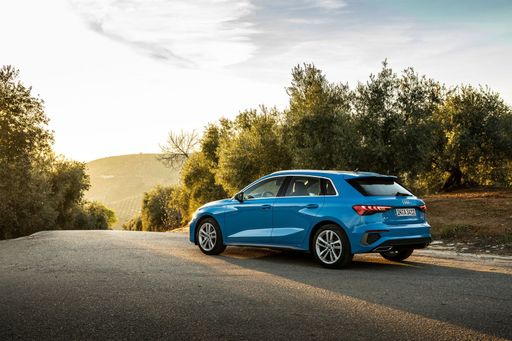
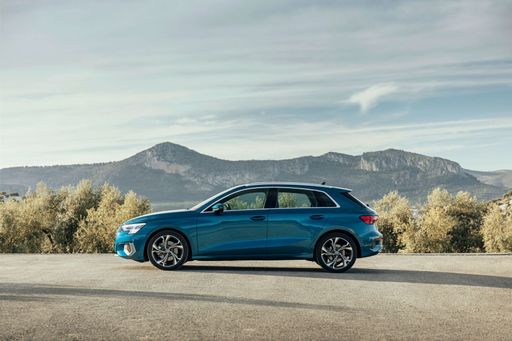
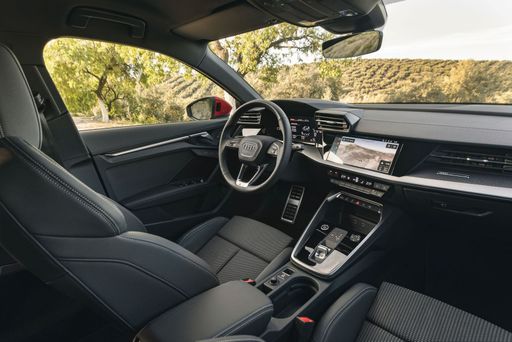
Design is an area where both models shine but cater to different tastes. The Audi A3 Sportback, with its sleek hatchback silhouette, offers a modern aesthetic that appeals to youthful buyers and those looking for a sporty feel. Its interior is well-appointed, featuring high-quality materials and a spacious cabin that comfortably seats five passengers.

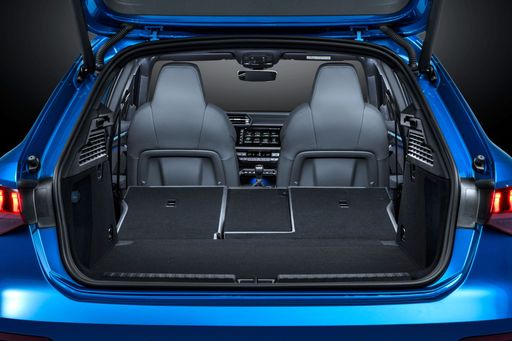
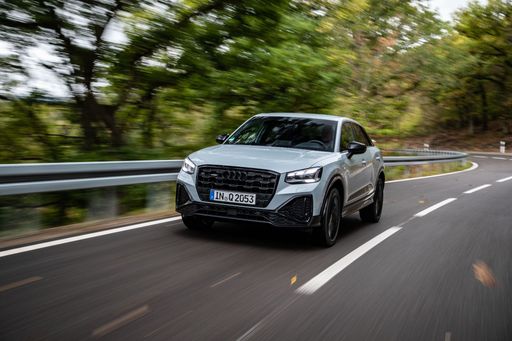
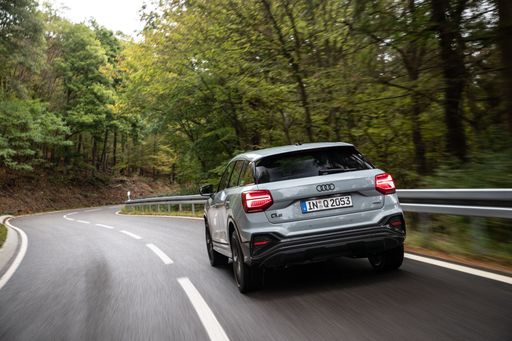
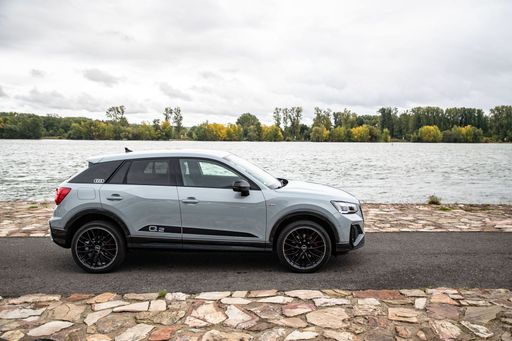
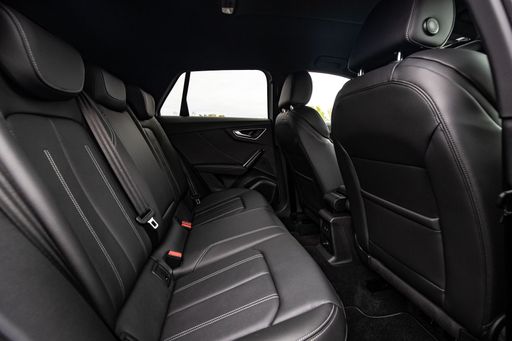
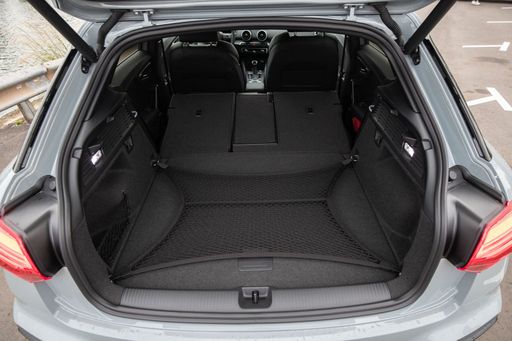
In contrast, the Audi Q2 takes on a more rugged SUV persona, with a higher stance that offers increased visibility and a commanding presence on the road. Its interior is equally refined, providing ample space with a trunk capacity of up to 405 Liters, slightly more than the A3 Sportback’s maximum of 380 Liters.

A3 Sportback

Innovation and Technology

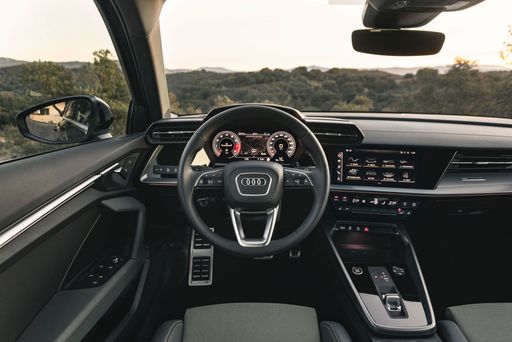
Both the A3 Sportback and Q2 are equipped with Audi's latest technological advancements. The A3 Sportback comes with the intuitive MMI infotainment system, featuring a large touchscreen and voice-recognition capabilities that enhance the driving experience. Additionally, it offers premium safety features such as adaptive cruise control and lane assist.

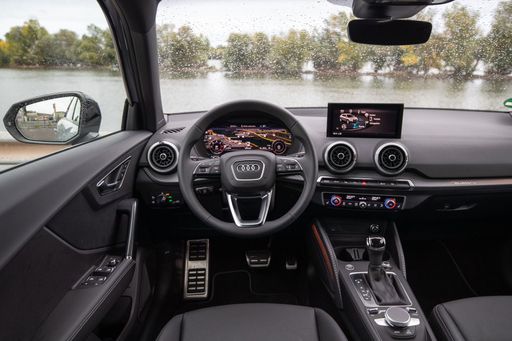
The Q2 presents a similar tech-laden cockpit, but it also emphasizes connectivity and customization with its Virtual Cockpit display, allowing drivers to personalize their dashboard layouts. Furthermore, advanced driving assist features are available across both models, ensuring maximum safety for passengers and drivers alike.

Q2

Conclusion: Choosing the Right Audi for You

Ultimately, the decision between the Audi A3 Sportback and the Audi Q2 boils down to individual preferences and lifestyle needs. If a sporty hatchback with cutting-edge technology and superior efficiency is what you seek, the A3 Sportback shines brightly. However, for those who covet a robust SUV with ample space and versatility, the Q2 stands out as an excellent choice.

With both models embodying Audi’s commitment to quality, performance, and innovation, potential buyers will find themselves in a win-win situation, regardless of their choice. The 2024 Audi A3 Sportback and Q2 not only represent the brand's heritage but also pave the way for the future of driving experiences.

Here’s where it gets real: The technical differences in detail

A3 Sportback

Costs and Efficiency:

Price and efficiency are often the first things buyers look at. Here it becomes clear which model has the long-term edge – whether at the pump, the plug, or in purchase price.

Audi Q2 is very slightly cheaper – starting at 24,900 £ , while the Audi A3 Sportback costs 27,000 £ . That’s a price difference of around 2,143 £.

Fuel consumption also shows a difference: the Audi A3 Sportback uses 1.1 L/100km and is considerably more efficient than the Audi Q2 with 4.8 L/100km. The difference is about 3.7 L/100km.

Q2

Engine and Performance:

Under the bonnet, it becomes clear which model is tuned for sportiness and which one takes the lead when you hit the accelerator.

When it comes to engine power, the Audi A3 Sportback offers clearly more power – delivering 400 HP compared to 300 HP. That’s roughly 100 HP more horsepower.

When accelerating from 0 to 100 km/h, the Audi A3 Sportback is clearly quicker – completing the sprint in 3.8 s, while the Audi Q2 takes 4.9 s. That’s about 1.1 s quicker.

There’s also a difference in torque: the Audi A3 Sportback delivers a bit more torque with 500 Nm compared to 400 Nm. That’s about 100 Nm more.

A3 Sportback

Space and Everyday Use:

Cabin size, boot volume and payload all play a role in everyday practicality. Here, comfort and flexibility make the difference.

Both vehicles offer seating for 5 people.

In terms of curb weight, Audi Q2 is very slightly lighter – 1,330 kg compared to 1,360 kg. The difference is around 30 kg.

Looking at boot space, the Audi Q2 offers marginally more boot space – 405 L compared to 380 L. That’s a difference of about 25 L.

When it comes to payload, the Audi Q2 carries barely more – 510 kg compared to 480 kg. That’s a difference of about 30 kg.

Who wins the race in the data check?

The Audi A3 Sportback is clearly superior overall in the objective data comparison.
This result only shows which model scores more points on paper – not which of the two cars feels right for you.

from £27,000
A3 Sportback

Audi A3 Sportback

  • Engine Type : Petrol, Petrol MHEV, Diesel, Plugin Hybrid
  • Transmission : Manuel, Automatic
  • Drive Type : Front-Wheel Drive, All-Wheel Drive
  • Power HP : 116 - 400 HP
  • Consumption L/100km : 1.1 - 9.3 L/100km
  • Electric Range : 134 - 141 km
Audi A3 Sportback
Audi Q2

Costs and Consumption

View detailed analysis

Engine and Performance

View detailed analysis

Dimensions and Body

View detailed analysis

Audi A3 Sportback

The Audi A3 Sportback wraps premium materials and crisp German design into a practical hatchback package that makes daily driving feel smart rather than showy. It’s nimble in the city, composed on longer trips, and carries just enough swagger to satisfy buyers who want quality without shouting about it.

details

Audi Q2

The Audi Q2 packs Audi’s premium attitude into a compact, cheeky package that turns city streets into a runway for tasteful design and clever practicality. It’s an easy car to live with thanks to an upscale cabin, composed manners and sprightly handling, and while it won’t satisfy someone chasing sports-car thrills, it’s a smart, stylish pick for buyers who want substance with a wink.

details
Audi A3 Sportback
Audi Q2

Costs and Consumption

Price
27,000 - 56,600 £
Price
24,900 - 43,600 £
Consumption L/100km
1.1 - 9.3 L/100km
Consumption L/100km
4.8 - 8.1 L/100km
Consumption kWh/100km
-
Consumption kWh/100km
-
Electric Range
134 - 141 km
Electric Range
-
Battery Capacity
19.7 kWh
Battery Capacity
-
co2
25 - 211 g/km
co2
127 - 183 g/km
Fuel tank capacity
40 L
Fuel tank capacity
-

Dimensions and Body

Body Type
Hatchback
Body Type
SUV
Seats
5
Seats
5
Doors
5
Doors
-
Curb weight
1,360 - 1,685 kg
Curb weight
1,330 - 1,610 kg
Trunk capacity
280 - 380 L
Trunk capacity
355 - 405 L
Length
4,352 - 4,353 mm
Length
-
Width
1,816 - 1,851 mm
Width
1,794 - 1,802 mm
Height
1,441 - 1,470 mm
Height
-
Max trunk capacity
1,100 L
Max trunk capacity
-
Payload
410 - 480 kg
Payload
450 - 510 kg

Engine and Performance

Engine Type
Petrol, Petrol MHEV, Diesel, Plugin Hybrid
Engine Type
Petrol, Diesel
Transmission
Manuel, Automatic
Transmission
Manuel, Automatic
Transmission Detail
Manual Gearbox, Dual-Clutch Automatic
Transmission Detail
Manual Gearbox, Dual-Clutch Automatic
Drive Type
Front-Wheel Drive, All-Wheel Drive
Drive Type
Front-Wheel Drive, All-Wheel Drive
Power HP
116 - 400 HP
Power HP
116 - 300 HP
Acceleration 0-100km/h
3.8 - 10.1 s
Acceleration 0-100km/h
4.9 - 10.5 s
Max Speed
225 - 237 km/h
Max Speed
-
Torque
220 - 500 Nm
Torque
200 - 400 Nm
Number of Cylinders
4 - 5
Number of Cylinders
3 - 4
Power kW
85 - 294 kW
Power kW
85 - 221 kW
Engine capacity
1,498 - 2,480 cm3
Engine capacity
999 - 1,984 cm3

General

Model Year
2,025
Model Year
2,025
CO2 Efficiency Class
D, F, E, G, B
CO2 Efficiency Class
D, F, E, G
Brand
Audi
Brand
Audi
DriveDuel uses data analysis and artificial intelligence to evaluate vehicle data and create content. Content is regularly reviewed and improved. The displayed prices are estimates based on German list prices, adjusted to the respective country’s VAT. Country-specific registration taxes are not included. This information is not legally binding.