VS

Audi Q2 vs VW Taigo - Differences and prices compared

Compare performance (300 HP vs 150 HP), boot space and price (24900 £ vs 19900 £ ) at a glance. Find out which car is the better choice for you – Audi Q2 or VW Taigo?

Q2

The automotive market has always been saturated with options, but when comparing two models like the Audi Q2 and the VW Taigo, the competition intensifies. Both vehicles embrace the SUV segment but present unique characteristics that cater to different preferences. This article highlights the technical specifications, innovations, and performance metrics of both models to aid potential buyers in making an informed decision.

Taigo

Exterior and Dimensions: A Stylish Presence

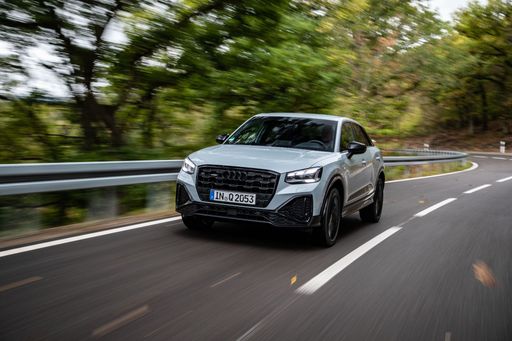
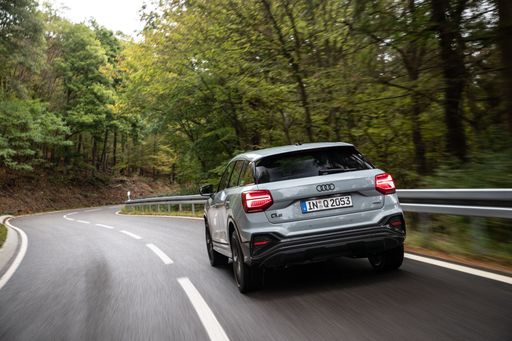
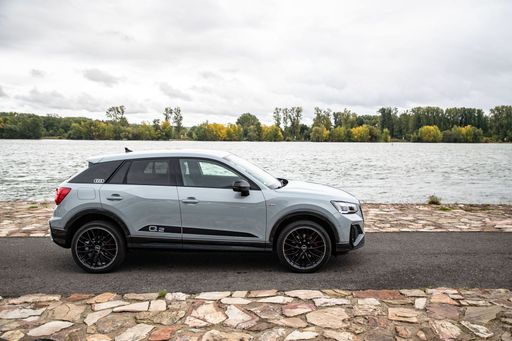
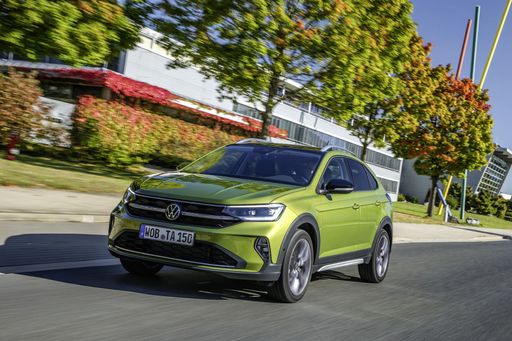
Starting with size, the Audi Q2 has a length of 4208 mm and a width of 1794 mm while standing at a height of 1508 mm. In contrast, the VW Taigo is slightly longer at 4266 mm but narrower at 1757 mm and is a tad taller at 1518 mm. The difference in dimensions gives the Q2 a robust, compact appearance ideal for urban driving, whereas the Taigo leans towards a more sporty aesthetic with its modern design.

Q2

Powertrains: Diverse Engine Options

The powertrain variations highlight a key difference between these two contenders. The Audi Q2 offers a range of engines with power outputs from 116 HP up to a thrilling 300 HP, covering both petrol and diesel options. This versatility enables buyers to choose between fuel economy and performance.

On the other hand, the VW Taigo is exclusively petrol-powered, with options ranging from a modest 95 HP to 150 HP. This limitation may attract buyers looking for a straightforward and fuel-efficient SUV without the complexities of diesel engines.

Taigo

Performance Insights: Acceleration and Speed

Performance metrics are critical for buyers focused on driving experience. The Audi Q2 shines with its impressive 0-100 km/h times, with the most powerful variant capable of achieving this in just 4.9 seconds. The range for other versions varies, with times stretching up to 10.5 seconds.

The VW Taigo, while not as powerful, still boasts respectable figures, with its swiftest model reaching 0-100 km/h in 8.2 seconds. For buyers prioritizing everyday usability and a more relaxed driving experience, the Taigo's acceleration is sufficient.

Q2

Fuel Efficiency: A Key Consideration

When it comes to fuel consumption, the Audi Q2 provides a broader spread depending on engine options, with figures ranging from 4.8 L/100 km to 8.4 L/100 km for the diesel variants. The Q2 performs exceptionally well in terms of long-range efficiency, especially with its diesel offerings.

In contrast, the VW Taigo offers a commendable efficiency range of 5.4 L/100 km to 5.8 L/100 km. This makes it an excellent choice for those who primarily drive within urban environments and are conscious of fuel costs.

Taigo

Interior Comfort and Technology: A Modern Approach

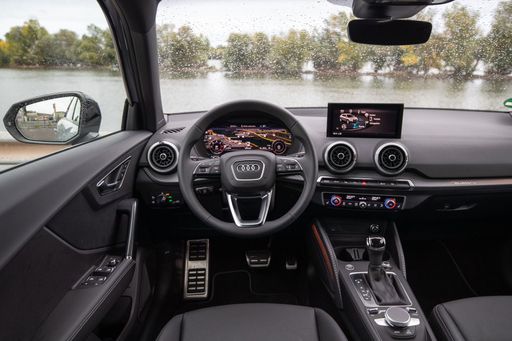
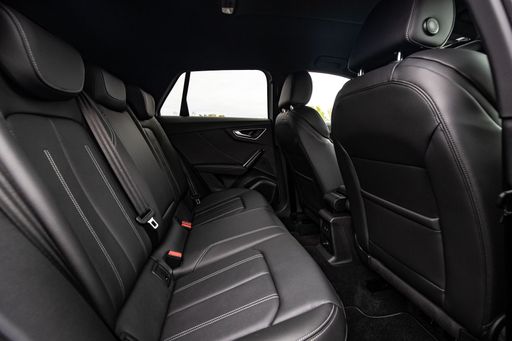
Both the Audi Q2 and VW Taigo prioritize interior comfort and innovative technology. The Q2 boasts a luxurious interior typical of the Audi brand, featuring high-quality materials, an advanced MMI infotainment system, and customizable ambient lighting. Space is generous, making it a comfortable option for all passengers.

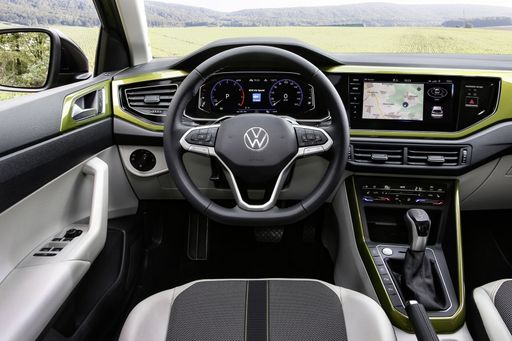
The Taigo's interior caters to a younger audience, emphasizing connectivity and modern design. With an ergonomic layout and a user-friendly touchscreen, it provides a contemporary feel that aligns with current trends, offering features such as smartphone integration and a stylish digital cockpit.

Q2

Safety Features: Prioritizing Protection

Safety remains a vital consideration, and both the Audi Q2 and the VW Taigo come equipped with advanced safety features. The Q2 offers a host of driver-assistance technologies like adaptive cruise control, lane-keep assist, and automatic emergency braking, making it a solid choice for safety-conscious buyers.

The VW Taigo also carries a suite of innovative safety systems that promote peace of mind on the road. With features like blind-spot monitoring and rear cross-traffic alert, it is designed to keep passengers secure in various driving conditions.

Taigo

Conclusion: Making the Right Choice

In summary, the Audi Q2 and VW Taigo present compelling cases in the compact SUV market. The Q2 excels in performance, fuel efficiency, and a premium interior experience, while the Taigo shines with its affordability, modern design, and user-friendly tech. Buyers seeking extravagance and top-tier performance may gravitate toward the Audi Q2, while those looking for a stylish everyday vehicle may find the VW Taigo to meet their needs more aptly.

Audi Q2

4.7 (4 Reviews)
rate

VW Taigo

4.9 (3 Reviews)
rate

You can find all user reviews further down on this page.

Here’s where it gets real: The technical differences in detail

Q2

Costs and Efficiency:

Price and efficiency are key factors when choosing a car – and this is often where the real differences emerge.

VW Taigo has a evident advantage in terms of price – it starts at 19900 £ , while the Audi Q2 costs 24900 £ . That’s a price difference of around 4937 £.

Fuel consumption also shows a difference: Audi Q2 manages with 4.80 L and is therefore slightly more efficient than the VW Taigo with 5.30 L. The difference is about 0.50 L per 100 km.

Taigo

Engine and Performance:

Power, torque and acceleration are the classic benchmarks for car enthusiasts – and here, some clear differences start to show.

When it comes to engine power, the Audi Q2 has a convincingly edge – offering 300 HP compared to 150 HP. That’s roughly 150 HP more horsepower.

In acceleration from 0 to 100 km/h, the Audi Q2 is decisively quicker – completing the sprint in 4.90 s, while the VW Taigo takes 8.20 s. That’s about 3.30 s faster.

There’s also a difference in torque: Audi Q2 pulls noticeable stronger with 400 Nm compared to 250 Nm. That’s about 150 Nm difference.

Q2

Space and Everyday Use:

Whether family car or daily driver – which one offers more room, flexibility and comfort?

Both vehicles offer seating for 5 people.

In curb weight, VW Taigo is slight lighter – 1229 kg compared to 1330 kg. The difference is around 101 kg.

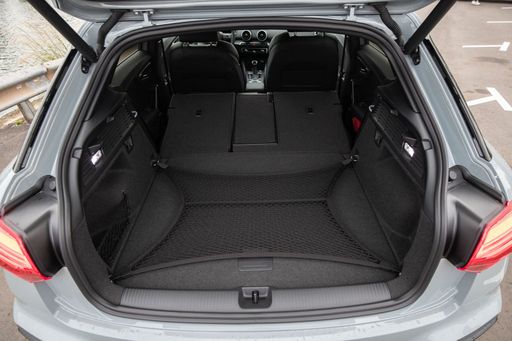
In terms of boot space, the VW Taigo offers barely noticeable more room – 440 L compared to 405 L. That’s a difference of about 35 L.

When it comes to payload, Audi Q2 somewhat takes the win – 510 kg compared to 457 kg. That’s a difference of about 53 kg.

Who wins the race in the data check?

The Audi Q2 holds a decisive overall lead in the objective data comparison.
This result only shows which model scores more points on paper – not which of the two cars feels right for you.

Audi Q2
VW Taigo

Costs and Consumption

View detailed analysis

Engine and Performance

View detailed analysis

Dimensions and Body

View detailed analysis
from about £24,900
Q2

Audi Q2

  • Engine Type : Petrol, Diesel
  • Transmission : Manuel, Automatic
  • Drive Type : Front-Wheel Drive, All-Wheel Drive
  • Power HP : 116 - 300 HP
  • Consumption L/100km : 4.8 - 8.1 L

Audi Q2

4.7 (4 Reviews)
rate

The Audi Q2 packs Audi’s premium attitude into a compact, cheeky package that turns city streets into a runway for tasteful design and clever practicality. It’s an easy car to live with thanks to an upscale cabin, composed manners and sprightly handling, and while it won’t satisfy someone chasing sports-car thrills, it’s a smart, stylish pick for buyers who want substance with a wink.

details

VW Taigo

4.9 (3 Reviews)
rate

The VW Taigo brings coupe-like flair to the compact crossover scene with sharp styling and an interior that punches above its price, feeling smarter than you’d expect. It’s an easygoing daily companion that balances comfort and practicality with a playful wink, perfect for city drivers who want something livelier than a regular hatchback.

details
Audi Q2
VW Taigo

Costs and Consumption

Price
24900 - 43600 £
Price
19900 - 31800 £
Consumption L/100km
4.8 - 8.1 L
Consumption L/100km
5.3 - 5.8 L
Consumption kWh/100km
-
Consumption kWh/100km
-
Electric Range
-
Electric Range
-
Battery Capacity
-
Battery Capacity
-
co2
127 - 183 g/km
co2
120 - 132 g/km
Fuel tank capacity
-
Fuel tank capacity
-

Dimensions and Body

Body Type
SUV
Body Type
SUV
Seats
5
Seats
5
Doors
-
Doors
-
Curb weight
1330 - 1610 kg
Curb weight
1229 - 1302 kg
Trunk capacity
355 - 405 L
Trunk capacity
440 L
Length
-
Length
-
Width
1794 - 1802 mm
Width
1757 mm
Height
-
Height
-
Max trunk capacity
-
Max trunk capacity
-
Payload
450 - 510 kg
Payload
448 - 457 kg

Engine and Performance

Engine Type
Petrol, Diesel
Engine Type
Petrol
Transmission
Manuel, Automatic
Transmission
Manuel, Automatic
Transmission Detail
Manual Gearbox, Dual-Clutch Automatic
Transmission Detail
Manual Gearbox, Dual-Clutch Automatic
Drive Type
Front-Wheel Drive, All-Wheel Drive
Drive Type
Front-Wheel Drive
Power HP
116 - 300 HP
Power HP
95 - 150 HP
Acceleration 0-100km/h
4.9 - 10.5 s
Acceleration 0-100km/h
8.2 - 11.1 s
Max Speed
-
Max Speed
-
Torque
200 - 400 Nm
Torque
175 - 250 Nm
Number of Cylinders
3 - 4
Number of Cylinders
3 - 4
Power kW
85 - 221 kW
Power kW
70 - 110 kW
Engine capacity
999 - 1984 cm3
Engine capacity
999 - 1498 cm3

General

Model Year
2025
Model Year
2024 - 2025
CO2 Efficiency Class
D, F, E, G
CO2 Efficiency Class
D
Brand
Audi
Brand
VW
What drivetrain options does the Audi Q2 have?

The Audi Q2 is offered with Front-Wheel Drive or All-Wheel Drive.

The prices shown are estimates based on German list prices, adjusted for local VAT. Local registration taxes (e.g. NoVA, BPM or CO2 malus) are not included. This information is not legally binding.