VS

Citroen C4 vs VW Taigo comparison

Compare performance (156 HP vs 150 HP), boot space and price (20,700 £ vs 19,900 £ ) at a glance. Find out which car is the better choice for you – Citroen C4 or VW Taigo?

Citroen C4 vs VW Taigo: Key differences

Citroen C4

4.6 (7 Reviews)
rate
  • marginally more power
  • somewhat more efficient
  • marginally quicker 0–100 km/h
  • a bit more trunk space
details

VW Taigo

4.6 (5 Reviews)
rate
  • marginally cheaper
  • somewhat lighter
details

All details on performance, efficiency, range and trunk space can be found in the technical comparison below – including user reviews for both models.

C4

Head-to-head: Citroen C4 VS VW Taigo — what this comparison answers

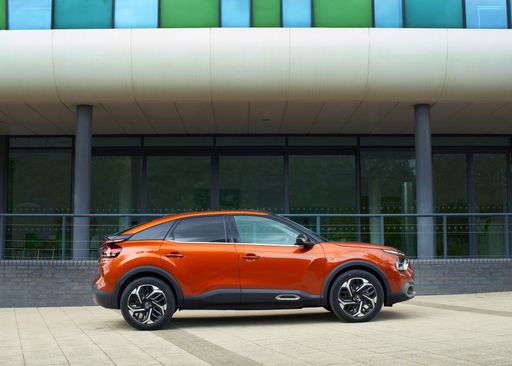
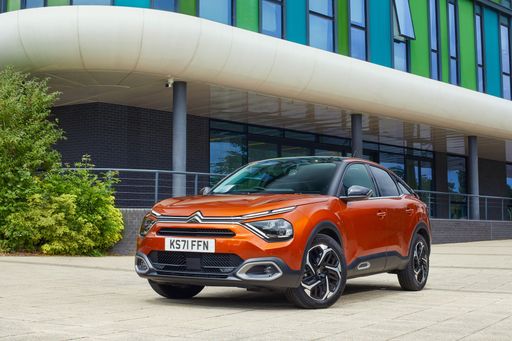
Citroen C4 and VW Taigo sit on the same compact stage but play very different roles: the C4 is a comfort-first, slightly left-field cruiser while the Taigo is a pragmatic, style-tinged B‑SUV that prioritises usable space. This comparison focuses on how those personalities translate into everyday life rather than spec-sheets. You’ll see where the C4’s soft suspension and relaxed character win long journeys and where the Taigo’s roomy boot and straightforward ergonomics make family chores easier. Read on to understand which car fits your routine, whether you commute, cart kids, or spend weekends on the motorway.
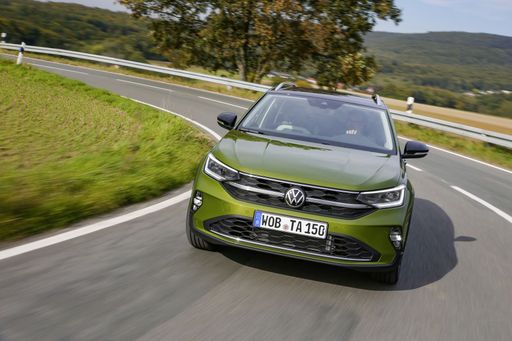
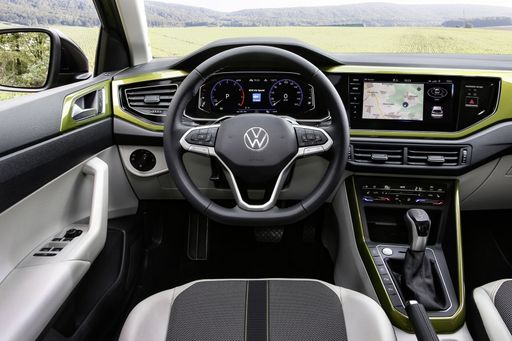
Taigo

Character and driving feel

The Citroen C4 feels deliberately cosy: suspension soaks up potholes and the steering is light, encouraging calm rather than excitement. The VW Taigo leans the other way—its handling is tidy and predictable, built for confidence and efficiency rather than theatrical cornering. If you prefer a composed, float‑along ride the C4 will feel like a sensible retreat; if you want a car that feels planted and easy to hustle around town or merge on motorways, the Taigo gives clearer feedback. Both avoid sharp sportiness, but the trade-off is simple: C4 favours comfort, Taigo favours composed, everyday control.

C4

Comfort and long-distance behavior

On long trips the Citroen C4 establishes its advantage with cushioned seats and a relaxed, quiet cabin that blunts fatigue over hours behind the wheel. The VW Taigo also covers distance comfortably, but its ride can feel firmer on rough surfaces and occasional wind or tyre noise may be more noticeable at higher speeds. For regular motorway mileage where serenity matters, the C4’s ride and seat comfort make a measurable difference; for mixed city-to‑regional driving the Taigo’s steadier manners feel pleasantly competent. Choose the C4 if long runs and seat comfort are priorities, pick the Taigo if you want decent long‑distance manners without sacrificing everyday agility.

Taigo

Cabin feel and controls

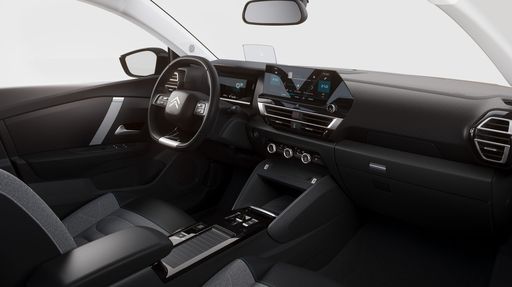
Inside, the Citroen C4 aims for a softer, more relaxed ambience with padded surfaces and a homely presentation that feels welcoming but not premium. The VW Taigo presents a more functional cockpit: cleaner lines, firmer plastics and a utilitarian solidity that reads as pragmatic rather than plush. Controls matter in daily life: the C4’s physical climate knobs are a relief for quick adjustments, whereas certain Taigo trims adopt touch‑slider controls that look modern but can be fiddly on the move. Both infotainment systems show occasional sluggishness, but the C4’s tactile bits make it easier to operate without taking your eyes off the road.

C4

Practicality and family usability

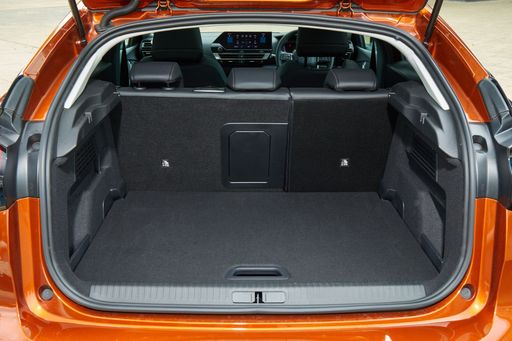
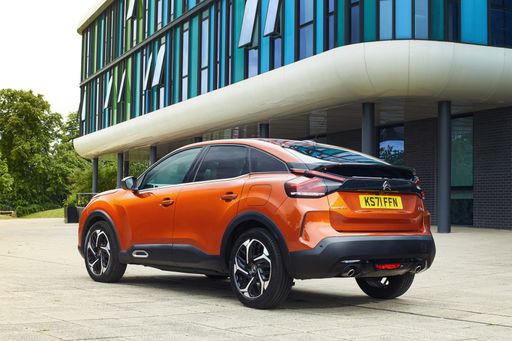
Practical differences are where the Taigo often wins on a pragmatic level: its boot is noticeably more generous and the load area is easier to use for pushchairs, grocery runs or weekend kit. The Citroen C4 compensates with clever cubby space and a comfortable front cabin, yet its sloping roofline and thicker rear pillars limit rear headroom and rear visibility more than the Taigo. Families will appreciate the Taigo’s straightforward luggage capacity and ISOFIX accessibility, while buyers prioritising front‑seat comfort and a serene driving position will lean toward the C4. Both cars compromise rear middle-seat comfort, so headroom and occupant height should guide any test drive decision.

Taigo

Who each car suits — buyer fit and the trade-offs to weigh

If your priority is pure comfort and a tranquil motorway experience, the Citroen C4 suits commuters and comfort‑minded buyers who accept a few compromises in rear headroom and luggage flexibility. The VW Taigo is aimed at buyers who need practical everyday usability, a bigger boot and a slightly sharper on‑road demeanour without chasing sportiness. Budget and trim choices tilt the equation too: the C4 typically undercuts rivals on comfort per pound, while the Taigo puts its value into space and a familiar VW safety/assistance feel. Decide which trade-offs matter most to your daily life, then move into the technical comparison to see how engines, fuel usage and measurements back up those real‑world impressions.

Here’s where it gets real: The technical differences in detail

C4

Costs and Efficiency:

Price and efficiency are key factors when choosing a car – and this is often where the real differences emerge.

VW Taigo is marginally cheaper – starting at 19,900 £ , while the Citroen C4 costs 20,700 £ . That’s a price difference of around 771 £.

Fuel consumption also shows a difference: the Citroen C4 uses 4.7 L/100km and is somewhat more efficient than the VW Taigo with 5.3 L/100km. The difference is about 0.6 L/100km.

Taigo

Engine and Performance:

Power, torque and acceleration say a lot about how a car feels on the road. This is where you see which model delivers more driving dynamics.

When it comes to engine power, the Citroen C4 offers marginally more power – delivering 156 HP compared to 150 HP. That’s roughly 6 HP more horsepower.

When accelerating from 0 to 100 km/h, the Citroen C4 is marginally quicker – completing the sprint in 8 s, while the VW Taigo takes 8.2 s. That’s about 0.2 s quicker.

There’s also a difference in torque: the Citroen C4 delivers very slightly more torque with 270 Nm compared to 250 Nm. That’s about 20 Nm more.

C4

Space and Everyday Use:

Beyond pure performance, interior space and usability matter most in daily life. This is where you see which car is more practical and versatile.

Both vehicles offer seating for 5 people.

In terms of curb weight, VW Taigo is somewhat lighter – 1,229 kg compared to 1,403 kg. The difference is around 174 kg.

Looking at boot space, the Citroen C4 offers a bit more boot space – 510 L compared to 440 L. That’s a difference of about 70 L.

When it comes to payload, the VW Taigo carries a bit more – 457 kg compared to 406 kg. That’s a difference of about 51 kg.

Who wins the race in the data check?

The Citroen C4 holds a decisive overall lead in the objective data comparison.
This result only shows which model scores more points on paper – not which of the two cars feels right for you.

from £20,700
C4

Citroen C4

  • Engine Type Electric, Petrol MHEV
  • Transmission Automatic
  • Drive Type Front-Wheel Drive
  • Power HP 110 - 156 HP
  • Consumption L/100km 4.7 - 4.8 L/100km
  • Consumption kWh/100km 14.6 - 15.3 kWh/100km
  • Electric Range 354 - 427 km
Citroen C4
VW Taigo

Costs and Consumption

View detailed analysis

Engine and Performance

View detailed analysis

Dimensions and Body

View detailed analysis

Citroen C4

Citroën C4 wears its French eccentricity with confidence, pairing bold, sculpted styling with a supremely comfortable ride that turns mundane commutes into a gentler affair. If you value relaxed comfort, clever practicality and a car with personality rather than pretence, the C4 is a charming, sensible choice — and it won't make you miss the usual hot‑hatch theatrics.

details

VW Taigo

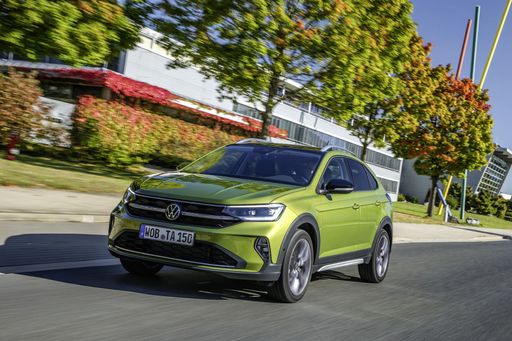
The VW Taigo blends a coupe-like roofline with crossover practicality, giving it a stylish presence on the road while remaining easy to live with for everyday driving. It delivers a comfortable ride, intuitive tech and smart use of space, making it a good choice if you want SUV looks without the bulk of a larger vehicle.

details
Citroen C4
VW Taigo

Costs and Consumption

Price
20,700 - 32,200 £
Price
19,900 - 31,800 £
Consumption L/100km
4.7 - 4.8 L/100km
Consumption L/100km
5.3 - 5.8 L/100km
Consumption kWh/100km
14.6 - 15.3 kWh/100km
Consumption kWh/100km
-
Electric Range
354 - 427 km
Electric Range
-
Battery Capacity
-
Battery Capacity
-
co2
0 - 108 g/km
co2
120 - 132 g/km
Fuel tank capacity
-
Fuel tank capacity
-

Dimensions and Body

Body Type
SUV
Body Type
SUV
Seats
5
Seats
5
Doors
-
Doors
-
Curb weight
1,403 - 1,652 kg
Curb weight
1,229 - 1,302 kg
Trunk capacity
380 - 510 L
Trunk capacity
440 L
Length
-
Length
-
Width
1,800 - 1,834 mm
Width
1,757 mm
Height
-
Height
-
Max trunk capacity
-
Max trunk capacity
-
Payload
379 - 406 kg
Payload
448 - 457 kg

Engine and Performance

Engine Type
Electric, Petrol MHEV
Engine Type
Petrol
Transmission
Automatic
Transmission
Manual, Automatic
Transmission Detail
Reduction Gearbox, Dual-Clutch Automatic
Transmission Detail
Manual Gearbox, Dual-Clutch Automatic
Drive Type
Front-Wheel Drive
Drive Type
Front-Wheel Drive
Power HP
110 - 156 HP
Power HP
95 - 150 HP
Acceleration 0-100km/h
8 - 10.8 s
Acceleration 0-100km/h
8.2 - 11.1 s
Max Speed
-
Max Speed
-
Torque
205 - 270 Nm
Torque
175 - 250 Nm
Number of Cylinders
3
Number of Cylinders
3 - 4
Power kW
81 - 115 kW
Power kW
70 - 110 kW
Engine capacity
1,199 cm3
Engine capacity
999 - 1,498 cm3

General

Model Year
2,025 - 2,026
Model Year
2,024 - 2,025
CO2 Efficiency Class
A, C
CO2 Efficiency Class
D
Brand
Citroen
Brand
VW
DriveDuel uses data analysis and artificial intelligence to evaluate vehicle data and create content. Content is regularly reviewed and improved. The displayed prices are estimates based on German list prices, adjusted to the respective country’s VAT. Country-specific registration taxes are not included. This information is not legally binding.