VS

Audi Q5 vs BMW X1 - Differences and prices compared

Compare performance (367 HP vs 326 HP), boot space and price (44800 £ vs 38200 £ ) at a glance. Find out which car is the better choice for you – Audi Q5 or BMW X1?

Q5

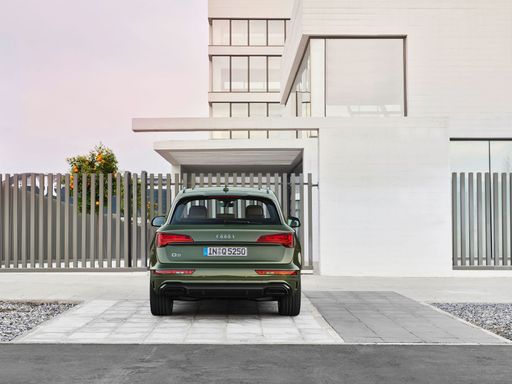
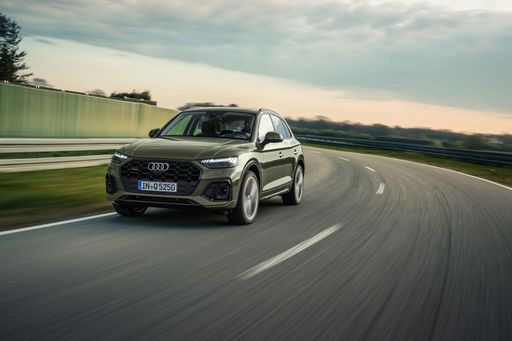
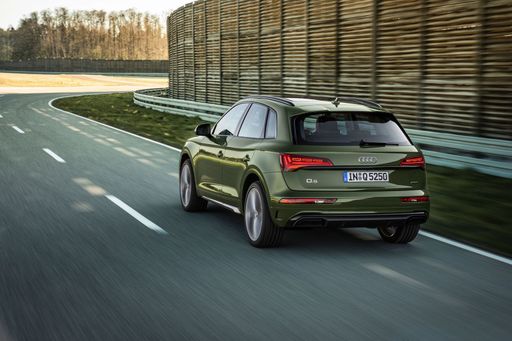
In the ever-evolving landscape of luxury SUVs, the competition between the Audi Q5 and BMW X1 showcases the best of German engineering, combining performance, style, and cutting-edge technology. Both vehicles cater to dynamic lifestyles while delivering premium comfort, but how do they stack up against each other? Let’s dive into a detailed comparison of the Audi Q5 and BMW X1.
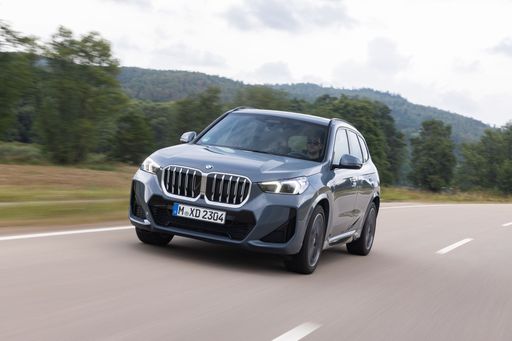
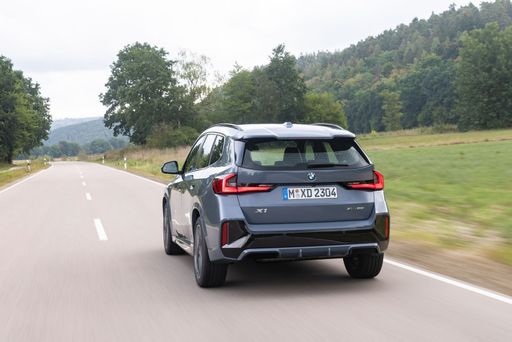
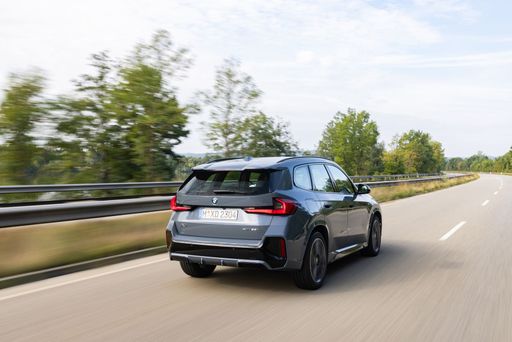
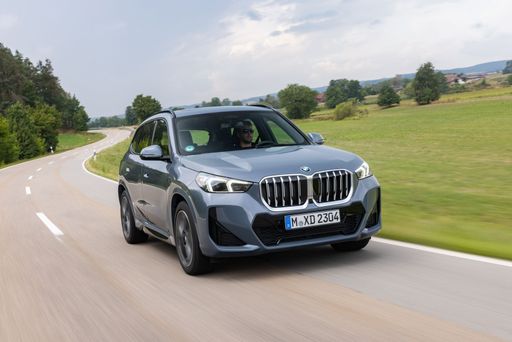
X1

Performance and Engine Options

The Audi Q5 provides a variety of engine options to cater to different driving preferences. Customers can choose from petrol and diesel variants, including Mild Hybrid and plug-in hybrid configurations. The engine power ranges from 163 HP to an exhilarating 367 HP in the high-performance versions. The 0-100 km/h acceleration can be accomplished as quickly as 4.5 seconds, depending on the engine choice.

On the other hand, the BMW X1 offers similarly diverse choices, with engine outputs ranging from 136 HP to a robust 326 HP in its top models. The BMW X1 excels with its rapid acceleration, capable of hitting 0-100 km/h in just 5.4 seconds. Both vehicles feature advanced automatic transmissions, with Audi adopting a Dual-Clutch Automatic system, while BMW also follows a similar approach, ensuring smooth gear transitions for an enjoyable driving experience.

Q5

Fuel Efficiency and Sustainability

Fuel consumption is a crucial aspect for eco-conscious drivers, and both models deliver impressive numbers. The Audi Q5 has a varying consumption rate, starting from 5.6 L/100km for the most efficient versions up to 8.4 L/100km for the more powerful options, making it relatively economical for its class.

Conversely, the BMW X1 showcases even better performance with an average fuel consumption of just 4.6 L/100km in its efficient variants, reflecting BMW’s commitment to sustainability. Furthermore, the plug-in hybrid variant of the X1 offers an electric range of up to 83 km, slightly outperforming the Q5’s 62 km, bolstering its credentials as an eco-friendly choice.

X1

Interior Design and Technology

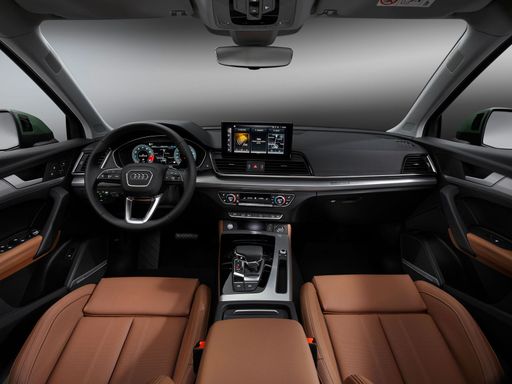
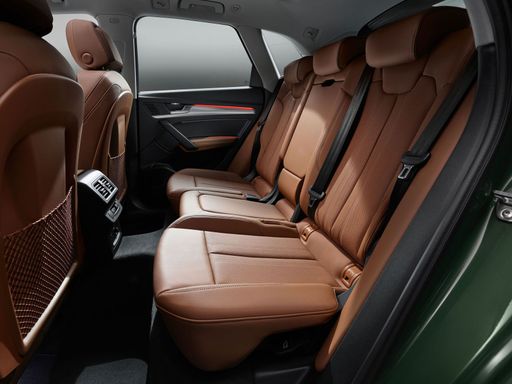
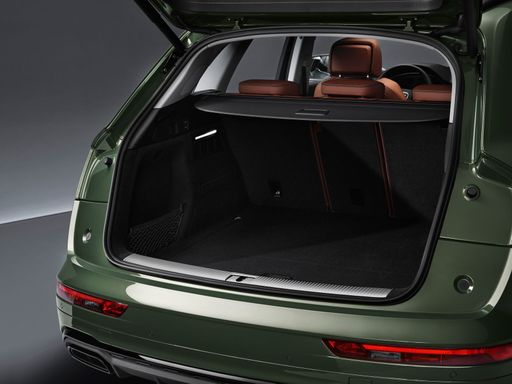
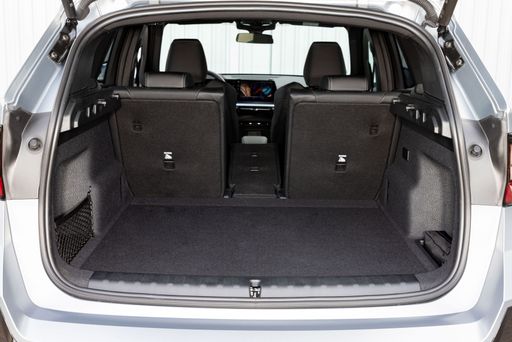
When it comes to interior luxury and technology, both the Q5 and X1 shine brightly. The Audi Q5 boasts a spacious cabin adorned with high-quality materials, a virtual cockpit, and a significant infotainment system featuring multiple connectivity options. The trunk capacity of up to 520 liters further enhances its practicality for families or those who require extra cargo space.

The BMW X1, while slightly smaller, doesn't lag in luxurious touches, offering an ergonomic interior layout that emphasizes driver engagement. On the technology front, the X1's infotainment system is equally state-of-the-art, equipped with intuitive controls and seamless smartphone integration. With a trunk capacity slightly lower at 540 liters, it still offers ample space for everyday needs.

Q5

Handling and Ride Comfort

Driving experience is paramount for luxury SUVs, and both the Audi Q5 and BMW X1 deliver. The Q5 advantages lie in its advanced all-wheel-drive system and superior suspension setup, which absorbs road imperfections while providing a definitive sense of stability and comfort. The Q5’s handling characteristics make it a top choice for those who enjoy spirited driving.

The BMW X1, however, is lauded for its sportier feels and responsive steering, which may appeal to the more dynamic driver. The front-wheel-drive option enhances nimbleness, providing a livelier experience on twisty roads. Ultimately, the choice may depend on personal preferences for either comfort-focused driving or a sportier engagement.

X1

Conclusion

In conclusion, both the Audi Q5 and BMW X1 present compelling packages for luxury SUV buyers. The Audi Q5 shines with its powerful engine options, spacious interior, and overall comfort. Meanwhile, the BMW X1 impresses with its fuel efficiency, sporty handling, and innovative technology features. Choosing between these two exceptional vehicles will largely hinge on individual preferences and lifestyle needs. Both are cemented as front-runners in the luxury SUV market, promising to fulfill the desires of discerning drivers.

Audi Q5

4.3 (4 Reviews)
rate

BMW X1

4.2 (6 Reviews)
rate

Here’s where it gets real: The technical differences in detail

Q5

Costs and Efficiency:

Looking at overall running costs, both models reveal some interesting differences in everyday economy.

BMW X1 has a slightly advantage in terms of price – it starts at 38200 £ , while the Audi Q5 costs 44800 £ . That’s a price difference of around 6600 £.

Both cars consume an average of 2.50 L per 100 km – no difference here.

As for electric range, the Audi Q5 performs a bit better – achieving up to 100 km, about 19 km more than the BMW X1.

X1

Engine and Performance:

Power, torque and acceleration say a lot about how a car feels on the road. This is where you see which model delivers more driving dynamics.

When it comes to engine power, the Audi Q5 has a a bit edge – offering 367 HP compared to 326 HP. That’s roughly 41 HP more horsepower.

In acceleration from 0 to 100 km/h, the Audi Q5 is distinct quicker – completing the sprint in 4.50 s, while the BMW X1 takes 5.40 s. That’s about 0.90 s faster.

In terms of top speed, the Audi Q5 performs minimal better – reaching 250 km/h, while the BMW X1 tops out at 233 km/h. The difference is around 17 km/h.

There’s also a difference in torque: Audi Q5 pulls to a small extent stronger with 580 Nm compared to 477 Nm. That’s about 103 Nm difference.

Q5

Space and Everyday Use:

Cabin size, boot volume and payload all play a role in everyday practicality. Here, comfort and flexibility make the difference.

Both vehicles offer seating for 5 people.

In curb weight, BMW X1 is noticeable lighter – 1575 kg compared to 1910 kg. The difference is around 335 kg.

In terms of boot space, the BMW X1 offers barely noticeable more room – 540 L compared to 520 L. That’s a difference of about 20 L.

In maximum load capacity, the BMW X1 performs minimal better – up to 1545 L, which is about 72 L more than the Audi Q5.

When it comes to payload, Audi Q5 a bit takes the win – 565 kg compared to 500 kg. That’s a difference of about 65 kg.

Who wins the race in the data check?

The Audi Q5 is decisively ahead in the objective data comparison.
This result only shows which model scores more points on paper – not which of the two cars feels right for you.

Audi Q5
BMW X1

Costs and Consumption

View detailed analysis

Engine and Performance

View detailed analysis

Dimensions and Body

View detailed analysis
from about £44,800
Q5

Audi Q5

  • Engine Type : Plugin Hybrid, Petrol MHEV, Diesel MHEV
  • Transmission : Automatic
  • Drive Type : All-Wheel Drive, Front-Wheel Drive
  • Power HP : 204 - 367 HP
  • Consumption L/100km : 2.5 - 8.3 L
  • Electric Range : 92 - 100 km

Audi Q5

4.3 (4 Reviews)
rate

The Audi Q5 feels like the sensible luxury choice — polished cabin materials, a calm ride and enough tech to keep commuters and weekend adventurers equally pleased. It won't shout for attention but will quietly check the boxes for buyers who want refinement, space and everyday usability with a dash of Audi charisma.

details

BMW X1

4.2 (6 Reviews)
rate

The BMW X1 brings a premium feel to compact crossover life, wrapping practical space and agile handling into a tidy, upscale package. It’s ideal for buyers who want BMW driving dynamics without the bulk, offering everyday comfort and a few clever tricks to keep the commute interesting.

details
Audi Q5
BMW X1

Costs and Consumption

Price
44800 - 78900 £
Price
38200 - 55500 £
Consumption L/100km
2.5 - 8.3 L
Consumption L/100km
2.5 - 7.7 L
Consumption kWh/100km
-
Consumption kWh/100km
-
Electric Range
92 - 100 km
Electric Range
81 km
Battery Capacity
-
Battery Capacity
14.20 kWh
co2
56 - 189 g/km
co2
57 - 175 g/km
Fuel tank capacity
65 L
Fuel tank capacity
47 - 54 L

Dimensions and Body

Body Type
SUV
Body Type
SUV
Seats
5
Seats
5
Doors
5
Doors
5
Curb weight
1910 - 2245 kg
Curb weight
1575 - 1935 kg
Trunk capacity
433 - 520 L
Trunk capacity
490 - 540 L
Length
4717 mm
Length
4500 mm
Width
1900 mm
Width
1845 mm
Height
1647 - 1656 mm
Height
1630 - 1642 mm
Max trunk capacity
1388 - 1473 L
Max trunk capacity
1495 - 1545 L
Payload
490 - 565 kg
Payload
490 - 500 kg

Engine and Performance

Engine Type
Plugin Hybrid, Petrol MHEV, Diesel MHEV
Engine Type
Diesel MHEV, Petrol MHEV, Petrol, Diesel, Plugin Hybrid
Transmission
Automatic
Transmission
Automatic
Transmission Detail
Dual-Clutch Automatic
Transmission Detail
Dual-Clutch Automatic
Drive Type
All-Wheel Drive, Front-Wheel Drive
Drive Type
Front-Wheel Drive, All-Wheel Drive
Power HP
204 - 367 HP
Power HP
136 - 326 HP
Acceleration 0-100km/h
4.5 - 8.6 s
Acceleration 0-100km/h
5.4 - 9.2 s
Max Speed
226 - 250 km/h
Max Speed
190 - 233 km/h
Torque
340 - 580 Nm
Torque
230 - 477 Nm
Number of Cylinders
4 - 6
Number of Cylinders
3 - 4
Power kW
150 - 270 kW
Power kW
100 - 240 kW
Engine capacity
1968 - 2995 cm3
Engine capacity
1499 - 1998 cm3

General

Model Year
2025
Model Year
2024 - 2025
CO2 Efficiency Class
B, E, F, G
CO2 Efficiency Class
D, E, F, B
Brand
Audi
Brand
BMW
What drivetrain options does the Audi Q5 have?

The Audi Q5 is available as All-Wheel Drive or Front-Wheel Drive.

The prices shown are estimates based on German list prices, adjusted for local VAT. Local registration taxes (e.g. NoVA, BPM or CO2 malus) are not included. This information is not legally binding.