VS

BMW 2 Series Active Tourer vs BMW X3 comparison

Compare performance (326 HP vs 398 HP), boot space and price (31,500 £ vs 51,700 £ ) at a glance. Find out which car is the better choice for you – BMW 2 Series Active Tourer or BMW X3?

BMW 2 Series Active Tourer vs BMW X3: Key differences

BMW 2 Series Active Tourer

4.1 (2 Reviews)
rate
  • clearly cheaper
  • markedly lighter
details

BMW X3

4.6 (1 Reviews)
rate
  • a bit more power
  • very slightly more efficient
  • marginally more electric range
  • a bit quicker 0–100 km/h
  • somewhat more trunk space
details

All details on performance, efficiency, range and trunk space can be found in the technical comparison below – including user reviews for both models.

By Achim Sedelmaier

2 Series Active Tourer

BMW 2er Active Tourer vs. BMW X3: A Comprehensive Comparison

When it comes to BMW, enthusiasts understand that the brand embodies luxury, performance, and innovation. Two of its distinct offerings are the BMW 2er Active Tourer and the BMW X3. While both vehicles shine in different segments of the automotive market, this comparison reveals their unique strengths, technical specifications, and innovations that cater to distinct driver needs.
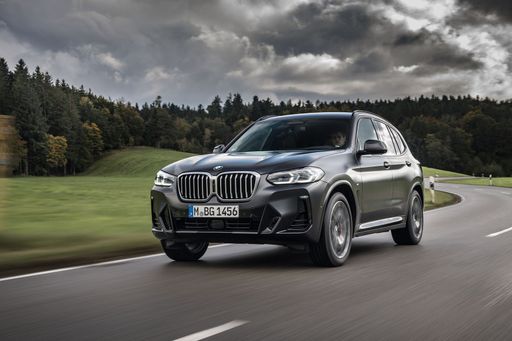
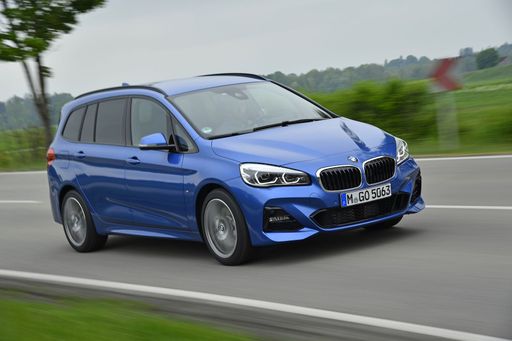
X3

Design and Body Type

The BMW 2er Active Tourer is classified as a Multi-Purpose Vehicle (MPV), emphasizing spaciousness and versatility. Its compact design allows for easier urban navigation, making it an excellent choice for families and city dwellers. Measuring 4,386 mm in length and standing at 1,576 mm tall, it offers a generous trunk capacity of up to 470 liters, accommodating various cargo needs.

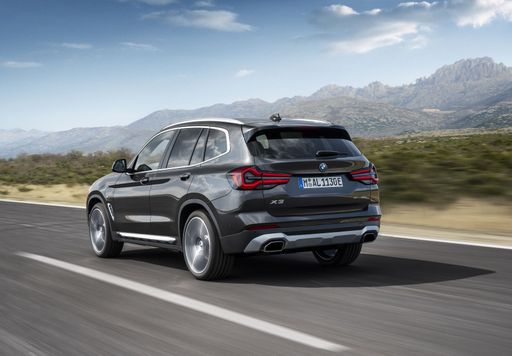
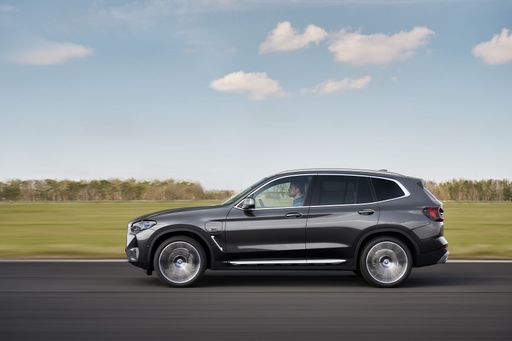
On the other hand, the BMW X3 is positioned as a robust Sport Utility Vehicle (SUV) with a more aggressive aesthetic aimed at adventure seekers. Its dimensions, sprawling at lengths of up to 4,755 mm and 1,676 mm in height, give it a commanding presence on the road. With trunk capacities ranging from 450 to 570 liters, the X3 offers ample storage for all types of journeys.

2 Series Active Tourer

Engine and Performance

Under the hood, the BMW 2er Active Tourer boasts a diverse range of engine options, including petrol, diesel, and hybrid variants. Power outputs range from 122 HP to 326 HP, with impressive acceleration metrics of 0-100 km/h in as little as 5.5 seconds for the more spirited models. The Active Tourer also offers efficient fuel consumption, with figures as low as 4.5 L/100 km, supported by various MHEV and Plugin Hybrid options.

Conversely, the BMW X3 excels in performance with even more powerful engines. Available with petrol and diesel MHEVs, as well as a Plugin Hybrid, its power output can ascend to an impressive 510 HP. The X3's acceleration capabilities also shine, reaching 0-100 km/h in a thrilling 3.8 seconds in top-tier variants, combining raw power with a fuel consumption range of about 5.8 to 10.8 L/100 km.

X3

Innovative Features

Both models come with cutting-edge technology that enhances driving experience and safety. The BMW 2er Active Tourer is equipped with advanced driving assistance systems that ensure secure maneuvering in urban environments, while its MHEV variants allow for electric travel of up to 88 km, reducing overall emissions and promoting sustainability.

The BMW X3, with its all-wheel-drive system, ensures superior handling and stability on various terrains. It also integrates BMW's latest iDrive system, providing seamless connectivity and intuitive control. The electric range for X3’s hybrid models can reach up to 90 km, further enhancing its eco-friendly credentials.

2 Series Active Tourer

Interior Comfort and Technology

Inside the BMW 2er Active Tourer, the focus is on practicality and comfort. Offering seating for five, it provides ample legroom and high-quality materials, ensuring a pleasant atmosphere for passengers. The modern infotainment system adds to the driving experience, making it easy to stay connected while on the go.

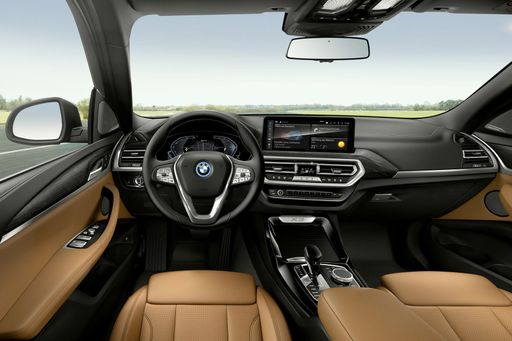
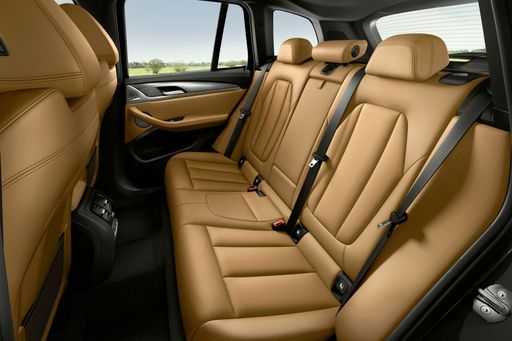
The BMW X3, meanwhile, is designed for luxury and functionality. With a slightly more upscale interior, it features premium materials and additional space that cater to both commuters and families. The advanced sound systems and customizable ambient lighting create an inviting atmosphere for all passengers.

X3

Conclusion: Finding Your Perfect Match

Ultimately, the choice between the BMW 2er Active Tourer and BMW X3 boils down to individual needs. The 2er Active Tourer is perfect for those seeking a spacious, efficient, and family-friendly vehicle ideal for urban living, while the X3 delivers a robust and powerful driving experience suited for adventure lovers. Both vehicles reflect BMW's commitment to performance, luxury, and innovation, ensuring satisfaction for diverse customer preferences.

Here’s where it gets real: The technical differences in detail

2 Series Active Tourer

Costs and Efficiency:

When it comes to price and running costs, the biggest differences usually appear. This is often where you see which car fits your budget better in the long run.

BMW 2 Series Active Tourer is clearly cheaper – starting at 31,500 £ , while the BMW X3 costs 51,700 £ . That’s a price difference of around 20,185 £.

Fuel consumption also shows a difference: the BMW X3 uses 2.8 L/100km and is very slightly more efficient than the BMW 2 Series Active Tourer with 2.9 L/100km. The difference is about 0.1 L/100km.

As for electric range, the BMW X3 offers marginally more range – reaching up to 88 km, about 6 km more than the BMW 2 Series Active Tourer.

X3

Engine and Performance:

Under the bonnet, it becomes clear which model is tuned for sportiness and which one takes the lead when you hit the accelerator.

When it comes to engine power, the BMW X3 offers a bit more power – delivering 398 HP compared to 326 HP. That’s roughly 72 HP more horsepower.

When accelerating from 0 to 100 km/h, the BMW X3 is a bit quicker – completing the sprint in 4.6 s, while the BMW 2 Series Active Tourer takes 5.5 s. That’s about 0.9 s quicker.

There’s also a difference in torque: the BMW X3 delivers noticeably more torque with 670 Nm compared to 477 Nm. That’s about 193 Nm more.

2 Series Active Tourer

Space and Everyday Use:

Beyond pure performance, interior space and usability matter most in daily life. This is where you see which car is more practical and versatile.

Both vehicles offer seating for 5 people.

In terms of curb weight, BMW 2 Series Active Tourer is markedly lighter – 1,545 kg compared to 1,930 kg. The difference is around 385 kg.

Looking at boot space, the BMW X3 offers somewhat more boot space – 570 L compared to 470 L. That’s a difference of about 100 L.

When it comes to payload, the BMW X3 carries a bit more – 570 kg compared to 505 kg. That’s a difference of about 65 kg.

Who wins the race in the data check?

The BMW X3 is decisively ahead in the objective data comparison.
This result only shows which model scores more points on paper – not which of the two cars feels right for you.

from £51,700
X3

BMW X3

  • Engine Type : Petrol MHEV, Diesel MHEV, Plugin Hybrid
  • Transmission : Automatic
  • Drive Type : All-Wheel Drive
  • Power HP : 197 - 398 HP
  • Consumption L/100km : 2.8 - 7.7 L/100km
  • Electric Range : 88 km
BMW 2 Series Active Tourer
BMW X3

Costs and Consumption

View detailed analysis

Engine and Performance

View detailed analysis

Dimensions and Body

View detailed analysis

BMW 2 Series Active Tourer

The BMW 2 Series Active Tourer turns the family MPV into something you’d actually want to park outside a café, pairing compact practicality with surprisingly premium cabin flair. It won’t thrill like a sports car, but it drives with the composed poise you expect from the badge and keeps daily life easy and un-fussy.

details

BMW X3

The BMW X3 blends sporty handling with premium comfort, making it a strong choice for drivers who want an engaging everyday SUV. Its well-appointed interior and confident road manners give it broad appeal for families and commuters who value style and versatility.

details
BMW 2 Series Active Tourer
BMW X3

Costs and Consumption

Price
31,500 - 48,500 £
Price
51,700 - 73,000 £
Consumption L/100km
2.9 - 6.2 L/100km
Consumption L/100km
2.8 - 7.7 L/100km
Consumption kWh/100km
-
Consumption kWh/100km
-
Electric Range
82 km
Electric Range
88 km
Battery Capacity
-
Battery Capacity
-
co2
65 - 140 g/km
co2
64 - 175 g/km
Fuel tank capacity
-
Fuel tank capacity
-

Dimensions and Body

Body Type
MPV
Body Type
SUV
Seats
5
Seats
5
Doors
-
Doors
-
Curb weight
1,545 - 1,920 kg
Curb weight
1,930 - 2,140 kg
Trunk capacity
406 - 470 L
Trunk capacity
460 - 570 L
Length
-
Length
-
Width
1,824 mm
Width
1,920 mm
Height
-
Height
-
Max trunk capacity
-
Max trunk capacity
-
Payload
465 - 505 kg
Payload
570 kg

Engine and Performance

Engine Type
Petrol, Petrol MHEV, Diesel, Diesel MHEV, Plugin Hybrid
Engine Type
Petrol MHEV, Diesel MHEV, Plugin Hybrid
Transmission
Automatic
Transmission
Automatic
Transmission Detail
Dual-Clutch Automatic
Transmission Detail
Automatic Gearbox
Drive Type
Front-Wheel Drive, All-Wheel Drive
Drive Type
All-Wheel Drive
Power HP
122 - 326 HP
Power HP
197 - 398 HP
Acceleration 0-100km/h
5.5 - 10.3 s
Acceleration 0-100km/h
4.6 - 7.8 s
Max Speed
-
Max Speed
-
Torque
230 - 477 Nm
Torque
330 - 670 Nm
Number of Cylinders
3 - 4
Number of Cylinders
4 - 6
Power kW
90 - 240 kW
Power kW
145 - 293 kW
Engine capacity
1,499 - 1,998 cm3
Engine capacity
1,995 - 2,998 cm3

General

Model Year
2,024 - 2,025
Model Year
2,024 - 2,025
CO2 Efficiency Class
E, D, B
CO2 Efficiency Class
F, E, B
Brand
BMW
Brand
BMW
DriveDuel uses data analysis and artificial intelligence to evaluate vehicle data and create content. Content is regularly reviewed and improved. The displayed prices are estimates based on German list prices, adjusted to the respective country’s VAT. Country-specific registration taxes are not included. This information is not legally binding.