
 Deutschland
 France
 Nederland
 Great Britain
 Sverige
 Danmark
 Suomi
Suomi Italia
 Polska
 Česko
Česko España
VS
BMW 4 Series Coupe vs Ford Transit Custom Transporter comparison
Compare performance (530 HP vs 286 HP), boot space and price (46,200 £ vs 49,700 £ ) at a glance. Find out which car is the better choice for you – BMW 4 Series Coupe or Ford Transit Custom Transporter?
BMW 4 Series Coupe vs Ford Transit Custom Transporter: Key differences
All details on performance, efficiency, range and trunk space can be found in the technical comparison below – including user reviews for both models.
4 Series Coupe
Costs and Efficiency:
Price and efficiency are often the first things buyers look at. Here it becomes clear which model has the long-term edge – whether at the pump, the plug, or in purchase price.
BMW 4 Series Coupe is marginally cheaper – starting at 46,200 £ , while the Ford Transit Custom Transporter costs 49,700 £ . That’s a price difference of around 3,474 £.
Transit Custom Transporter
Engine and Performance:
Power, torque and acceleration are the classic benchmarks for car enthusiasts – and here, some clear differences start to show.
When it comes to engine power, the BMW 4 Series Coupe offers significantly more power – delivering 530 HP compared to 286 HP. That’s roughly 244 HP more horsepower.
There’s also a difference in torque: the BMW 4 Series Coupe delivers marginally more torque with 700 Nm compared to 630 Nm. That’s about 70 Nm more.
4 Series Coupe
Space and Everyday Use:
Cabin size, boot volume and payload all play a role in everyday practicality. Here, comfort and flexibility make the difference.
Seats: Ford Transit Custom Transporter offers more seats – 6 vs 4.
Who wins the race in the data check?
The Ford Transit Custom Transporter has the upper hand in the objective data comparison.
This result only shows which model scores more points on paper – not which of the two cars feels right for you.
from £49,700
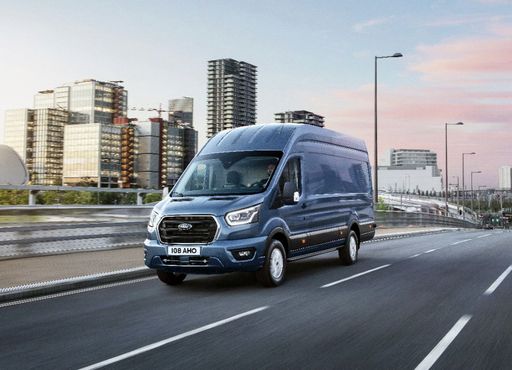
Ford Transit Custom Transporter
BMW 4 Series Coupe
Ford Transit Custom Transporter
Costs and Consumption
View detailed analysis
View detailed analysis
Engine and Performance
View detailed analysis
View detailed analysis
Dimensions and Body
View detailed analysis
View detailed analysis
BMW 4 Series Coupe
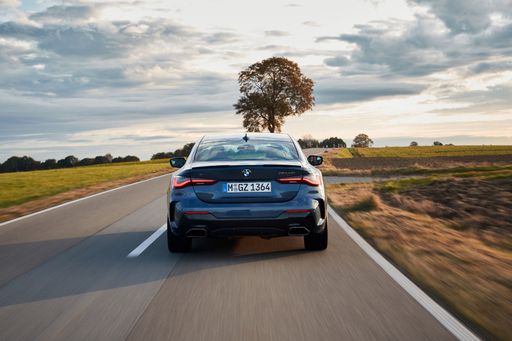
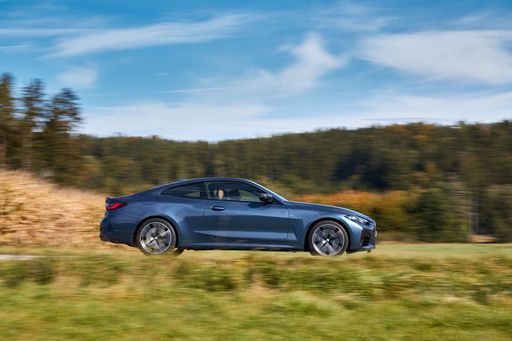
The BMW 4 Series Coupe blends aggressive styling with a driver-focused cabin, making even the humdrum commute feel like a short track day. It balances sharp handling and grown-up comfort with a dash of theatrical flair, so you get sportscar charisma without the drama of constant sacrifices.
details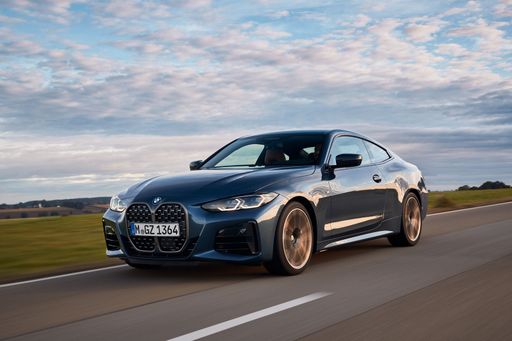
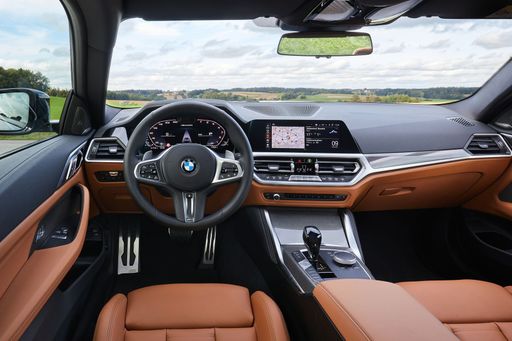
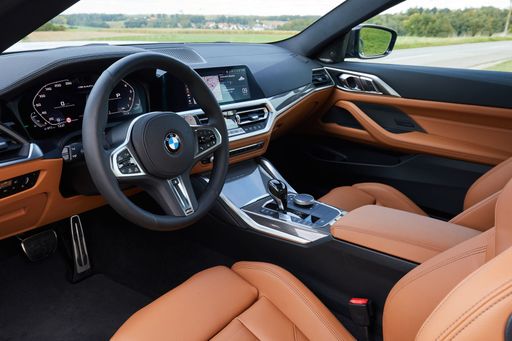
Ford Transit Custom Transporter
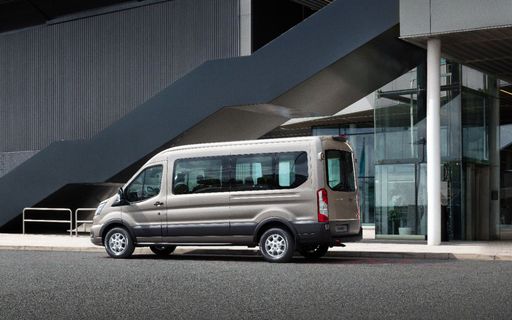
The Transit Custom is a clever, no-nonsense workhorse that blends roomy practicality with surprisingly car-like driving manners, so your workday feels less like a chore and more like efficient transport. With a sensible interior, smart storage and tidy handling, it’s the kind of van that makes owners smile while they get on with the job — reliable, unfussy and built to keep moving.
details

BMW 4 Series Coupe
Ford Transit Custom Transporter
Costs and Consumption |
|
|---|---|
|
Price
46,200 - 93,900 £
|
Price
49,700 - 77,400 £
|
|
Consumption L/100km
4.8 - 10 L/100km
|
Consumption L/100km
-
|
|
Consumption kWh/100km
-
|
Consumption kWh/100km
-
|
|
Electric Range
-
|
Electric Range
-
|
|
Battery Capacity
-
|
Battery Capacity
-
|
|
co2
126 - 226 g/km
|
co2
0 g/km
|
|
Fuel tank capacity
-
|
Fuel tank capacity
-
|
Dimensions and Body |
|
|---|---|
|
Body Type
Coupe
|
Body Type
Cargo Van
|
|
Seats
4
|
Seats
3 - 6
|
|
Doors
-
|
Doors
-
|
|
Curb weight
1,600 - 1,895 kg
|
Curb weight
-
|
|
Trunk capacity
440 L
|
Trunk capacity
-
|
|
Length
-
|
Length
-
|
|
Width
1,852 - 1,887 mm
|
Width
2,032 mm
|
|
Height
-
|
Height
-
|
|
Max trunk capacity
-
|
Max trunk capacity
-
|
|
Payload
355 - 415 kg
|
Payload
-
|
Engine and Performance |
|
|---|---|
|
Engine Type
Diesel MHEV, Petrol, Petrol MHEV
|
Engine Type
Electric
|
|
Transmission
Automatic, Manuel
|
Transmission
Automatic
|
|
Transmission Detail
Automatic Gearbox, Manual Gearbox
|
Transmission Detail
Reduction Gearbox
|
|
Drive Type
Rear-Wheel Drive, All-Wheel Drive
|
Drive Type
Rear-Wheel Drive, All-Wheel Drive
|
|
Power HP
184 - 530 HP
|
Power HP
136 - 286 HP
|
|
Acceleration 0-100km/h
3.5 - 7.5 s
|
Acceleration 0-100km/h
-
|
|
Max Speed
-
|
Max Speed
-
|
|
Torque
300 - 700 Nm
|
Torque
415 - 630 Nm
|
|
Number of Cylinders
4 - 6
|
Number of Cylinders
-
|
|
Power kW
135 - 390 kW
|
Power kW
100 - 210 kW
|
|
Engine capacity
1,995 - 2,998 cm3
|
Engine capacity
-
|
General |
|
|---|---|
|
Model Year
2,024 - 2,025
|
Model Year
2025
|
|
CO2 Efficiency Class
D, E, F, G
|
CO2 Efficiency Class
A
|
|
Brand
BMW
|
Brand
Ford
|
DriveDuel uses data analysis and artificial intelligence to evaluate vehicle data and create content. Content is regularly reviewed and improved.
The displayed prices are estimates based on German list prices, adjusted to the respective country’s VAT. Country-specific registration taxes are not included. This information is not legally binding.