
 Deutschland
 France
 Nederland
 Great Britain
 Sverige
 Norge
Norge Danmark
 Suomi
Suomi Italia
 Polska
 España
VS
BMW 4 Series Gran Coupe vs Hyundai i30 – Differences & prices compared
Compare performance, boot space, consumption and price in one view.
Find out now: which car is the better choice for you – BMW 4 Series Gran Coupe or Hyundai i30?
The BMW 4 Series Gran Coupe (Hatchback) comes with a Diesel MHEV, Petrol MHEV or Petrol engine and Automatic transmission. In comparison, the Hyundai i30 (Hatchback) features a Petrol or Petrol MHEV engine with Manuel or Automatic transmission.
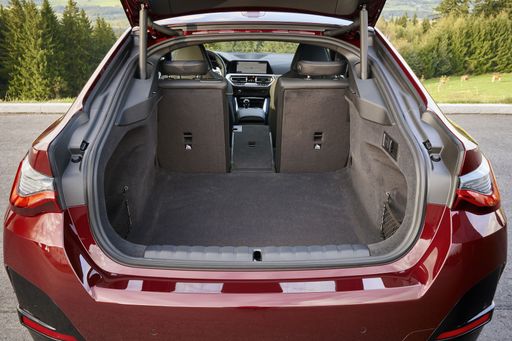
When it comes to boot capacity, the BMW 4 Series Gran Coupe offers 470 L, while the Hyundai i30 provides 395 L – depending on how much space you need. If you’re looking for more power, decide whether the 374 HP of the BMW 4 Series Gran Coupe or the 140 HP of the Hyundai i30 suits your needs better.
In terms of consumption, the values are 5 L per 100 km for the BMW 4 Series Gran Coupe, and 5.70 L for the Hyundai i30.
Price-wise, the BMW 4 Series Gran Coupe starts at 45700 £, while the Hyundai i30 is available from 24000 £. Compare all the details and find out which model fits your lifestyle best!
BMW 4 Series Gran Coupe
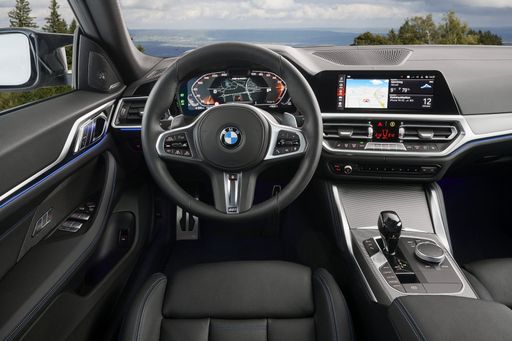
The BMW 4 Series Gran Coupe combines elegance and athleticism in a design that is both dynamic and sophisticated. Its spacious interior and attention to detail create a premium driving experience, enveloping passengers in luxury and comfort. Advanced technology and a seamless integration of driving assistance features ensure that every journey is as enjoyable as it is exhilarating.
details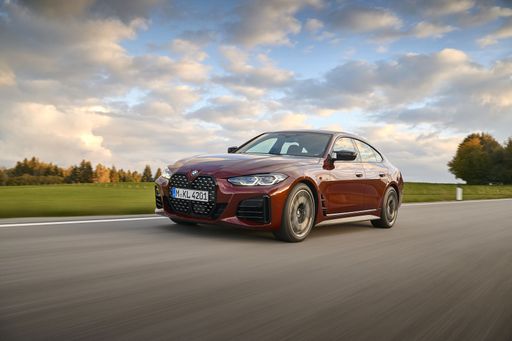 @ press.bmwgroup.com
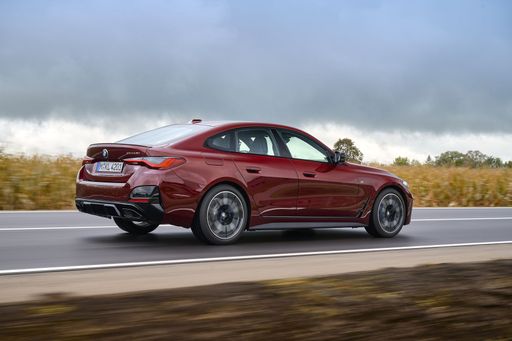 @ press.bmwgroup.com
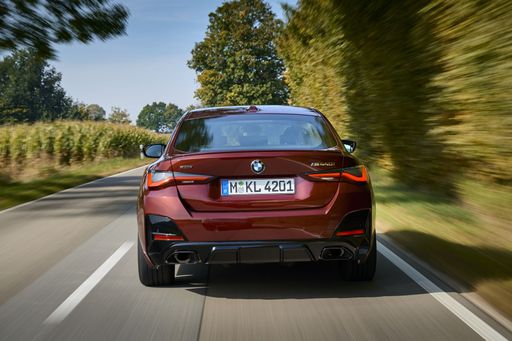 @ press.bmwgroup.com
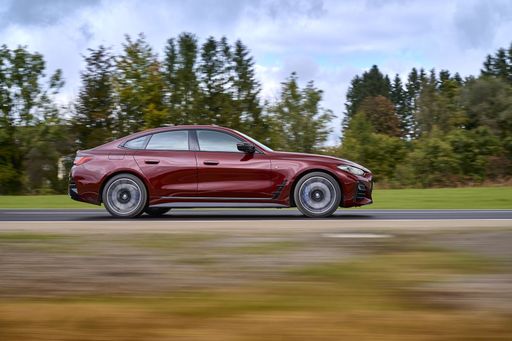 @ press.bmwgroup.com
 @ press.bmwgroup.com
 @ press.bmwgroup.com
Hyundai i30
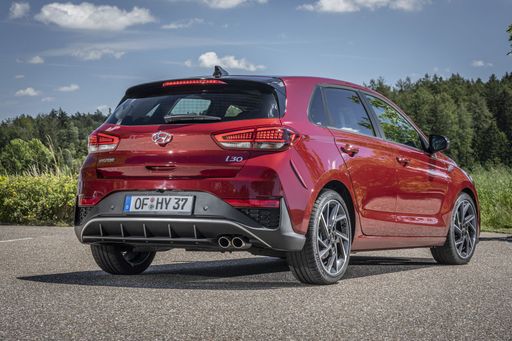
The Hyundai i30 stands out in the hatchback segment with its sleek design and modern features. It offers a comfortable ride with a well-crafted interior that caters to both driver and passengers. With its emphasis on safety and technology, the i30 provides a balanced driving experience suitable for urban and suburban environments.
details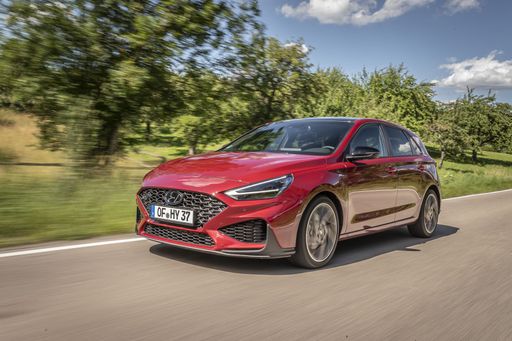 @ hyundai.news
 @ hyundai.news
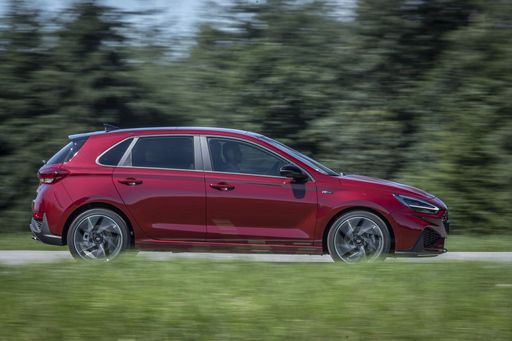 @ hyundai.news
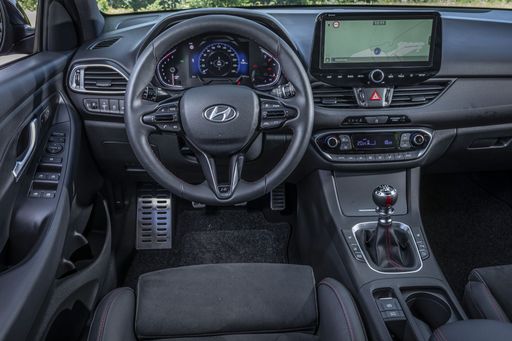 @ hyundai.news
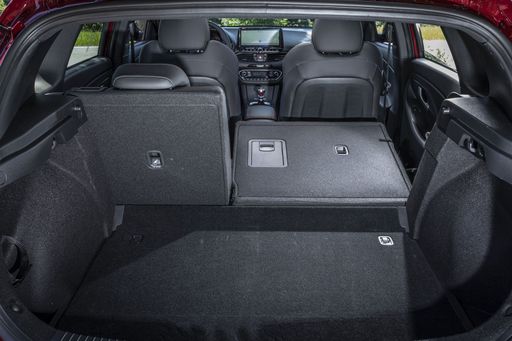 @ hyundai.news
BMW 4 Series Gran Coupe
Hyundai i30
|
|
|
|
|
|
Costs and Consumption |
|
|---|---|
|
Price
45700 - 68000 £
|
Price
24000 - 29300 £
|
|
Consumption L/100km
5 - 8.2 L
|
Consumption L/100km
5.7 - 6 L
|
|
Consumption kWh/100km
-
|
Consumption kWh/100km
-
|
|
Electric Range
-
|
Electric Range
-
|
|
Battery Capacity
-
|
Battery Capacity
-
|
|
co2
131 - 186 g/km
|
co2
130 - 136 g/km
|
|
Fuel tank capacity
59 L
|
Fuel tank capacity
50 L
|
Dimensions and Body |
|
|---|---|
|
Body Type
Hatchback
|
Body Type
Hatchback
|
|
Seats
4 - 5
|
Seats
5
|
|
Doors
4 - 5
|
Doors
5
|
|
Curb weight
1695 - 1920 kg
|
Curb weight
1291 - 1407 kg
|
|
Trunk capacity
470 L
|
Trunk capacity
395 L
|
|
Length
4783 mm
|
Length
4340 mm
|
|
Width
1852 mm
|
Width
1795 mm
|
|
Height
1442 mm
|
Height
1455 mm
|
|
Payload
480 kg
|
Payload
463 - 509 kg
|
Engine and Performance |
|
|---|---|
|
Engine Type
Diesel MHEV, Petrol MHEV, Petrol
|
Engine Type
Petrol, Petrol MHEV
|
|
Transmission
Automatic
|
Transmission
Manuel, Automatic
|
|
Transmission Detail
Automatic Gearbox
|
Transmission Detail
Manual Gearbox, Dual-Clutch Automatic
|
|
Drive Type
Rear-Wheel Drive, All-Wheel Drive
|
Drive Type
Front-Wheel Drive
|
|
Power HP
184 - 374 HP
|
Power HP
100 - 140 HP
|
|
Acceleration 0-100km/h
4.7 - 7.9 s
|
Acceleration 0-100km/h
9.6 - 13.1 s
|
|
Max Speed
233 - 250 km/h
|
Max Speed
178 - 197 km/h
|
|
Torque
300 - 650 Nm
|
Torque
172 - 253 Nm
|
|
Number of Cylinders
4 - 6
|
Number of Cylinders
3 - 4
|
|
Power kW
135 - 275 kW
|
Power kW
74 - 103 kW
|
|
Engine capacity
1995 - 2998 cm3
|
Engine capacity
998 - 1482 cm3
|
General |
|
|---|---|
|
Model Year
2024 - 2025
|
Model Year
2024
|
|
CO2 Efficiency Class
D, E, G, F
|
CO2 Efficiency Class
D, E
|
|
Brand
BMW
|
Brand
Hyundai
|
BMW 4 Series Gran Coupe
Introducing the BMW 4 Series Gran Coupe: A Blend of Style and Performance
The BMW 4 Series Gran Coupe seamlessly marries the elegance of a grand tourer with the versatility and practicality of a coupe. Renowned for its dynamic driving experience and stylish design, this latest model continues to uphold BMW's tradition of excellence, enhanced with a myriad of groundbreaking innovations and technical advancements. Join us as we explore the heartbeat of this distinguished vehicle.
Efficient Dynamics: Powertrain Excellence
Under the bonnet of the BMW 4 Series Gran Coupe lies a variety of advanced powertrains. From the eco-conscious Diesel Mild-Hybrid technology to the high-revving petrol engines, the range promises a balance of performance and efficiency. Offering between 184 and 374 PS, drivers can experience thrilling acceleration with a 0-100 km/h sprint achieved in as little as 4.7 seconds.
Options for automatic transmissions paired with rear-wheel or all-wheel drive configurations ensure a drive tailored to every preference. Furthermore, the inclusion of mild-hybrid technology provides enhanced fuel economy, demonstrating BMW's commitment to reducing environmental impact with CO2 emissions ranging from 131 to 186 g/km.
Cutting-Edge Design and Dimensions
With its sleek and dynamic design, the BMW 4 Series Gran Coupe commands attention on any road. Measuring 4783 mm in length, 1852 mm in width, and 1442 mm in height, it offers a broad, athletic stance complementing its refined aesthetics. The practicality of the sloping tailgate design not only enhances the Gran Coupe's visual appeal but also offers a spacious 470-litre boot, perfect for long journeys and daily errands alike.
Innovative Technology and Features
At the forefront of automotive innovation, the BMW 4 Series Gran Coupe is equipped with a suite of advanced technological features. Inside the luxurious cabin, drivers are greeted with the latest BMW Operating System, featuring high-resolution displays and an intuitive interface. Additionally, the vehicle's connectivity options ensure a seamless integration of smartphones, enabling hands-free calls, music streaming, and voice-activated controls.
Optional packages such as the M Sport include adapted suspension settings and additional driver-oriented technologies, promoting an even more dynamic and exhilarating driving experience. The focus on driver assistance features ensures that safety is paramount, boasting an array of systems such as adaptive cruise control and lane-keeping assistance.
Luxury and Comfort: Interior Excellence
The interior of the BMW 4 Series Gran Coupe embodies luxury and comfort. With seats designed for maximum support and spaciousness, every journey becomes an experience of unparalleled comfort. Premium materials, refined finishes, and advanced climate control systems create a sophisticated ambiance that complements the car's dynamic exterior.
Conclusion: The Gran Coupe Experience
The BMW 4 Series Gran Coupe offers a sophisticated combination of performance, innovation, and luxury. Priced between €52,900 and €76,000, it caters to diverse tastes and driving preferences. Whether you are drawn by its dynamic drive, advanced technology, or sophisticated design, the Gran Coupe remains a stunning testament to BMW's relentless pursuit of automotive perfection. For those seeking a distinctive blend of sports car agility and everyday practicality, the BMW 4 Series Gran Coupe stands as an unparalleled choice in its class.
Hyundai i30
Introducing the Hyundai i30: A Blend of Performance and Innovation
The Hyundai i30 continues to impress the automotive world with its fine balance of performance, efficiency, and cutting-edge technology. As a quintessential hatchback, the i30 caters to a diverse range of drivers, offering a remarkable driving experience through its impressive powertrains and compact yet stylish design.
Dynamic Performance Options
At the heart of the Hyundai i30 lies a variety of engine choices designed to suit different driving preferences. The power output ranges from 100 PS to 280 PS, allowing drivers to choose an i30 that perfectly matches their performance needs. Whether you're inclined towards the spirited drive of the N Performance variants or prefer the efficiency of the mild hybrid versions, there’s a powertrain tailored for you.
Innovative Hybrid Technology
For those seeking enhanced fuel efficiency without compromising on power, the i30’s 48V mild-hybrid system offers a compelling option. Available with both manual and automatic transmissions, this innovative technology provides an ideal balance, reducing emissions and improving fuel consumption, with an impressive average of just 5.7 L/100km.
Sophisticated Design and Features
The Hyundai i30’s sleek design is complemented by thoughtful interior features that elevate the driving experience. With a boot space ranging from 395 to 450 litres, this hatchback ensures ample room for all your luggage needs. Furthermore, the car's aesthetic appeal is matched by its practical ergonomic layout, catering to both style enthusiasts and those seeking functionality.
Advanced Safety and Technology
The i30 is equipped with an array of advanced safety features, enhancing driver confidence and ensuring passenger safety. Its cutting-edge safety suite includes lane-keeping assist, forward collision warning, and adaptive cruise control. Additionally, the i30 offers a modern infotainment system, designed to keep you connected and entertained on every journey.
Conclusion: A Versatile Choice for Modern Drivers
The Hyundai i30 is more than just a hatchback; it’s a remarkable amalgamation of power, efficiency, and modern technology. Whether you're enticed by the high-performance models or the eco-friendly mild-hybrid variants, the i30 stands out as a versatile choice that meets the demands of today’s discerning drivers.
Which drive types are available for the BMW 4 Series Gran Coupe?
Available as Rear-Wheel Drive or All-Wheel Drive.
The prices and data displayed are estimates based on German list prices and may vary by country. This information is not legally binding.