
 Deutschland
 France
 Nederland
 Great Britain
 Sverige
 Danmark
 Suomi
Suomi Italia
 Polska
 España
VS
BMW i7 vs Honda Civic comparison
Compare performance (659 HP vs 184 HP), boot space and price (99200 £ vs 32500 £ ) at a glance. Find out which car is the better choice for you – BMW i7 or Honda Civic?
i7
Costs and Efficiency:
Price and efficiency are key factors when choosing a car – and this is often where the real differences emerge.
Honda Civic has a decisively advantage in terms of price – it starts at 32500 £ , while the BMW i7 costs 99200 £ . That’s a price difference of around 66686 £.
Civic
Engine and Performance:
Under the bonnet, it becomes clear which model is tuned for sportiness and which one takes the lead when you hit the accelerator.
When it comes to engine power, the BMW i7 has a decisively edge – offering 659 HP compared to 184 HP. That’s roughly 475 HP more horsepower.
In acceleration from 0 to 100 km/h, the BMW i7 is clearly quicker – completing the sprint in 3.70 s, while the Honda Civic takes 7.80 s. That’s about 4.10 s faster.
In terms of top speed, the BMW i7 performs distinct better – reaching 250 km/h, while the Honda Civic tops out at 180 km/h. The difference is around 70 km/h.
There’s also a difference in torque: BMW i7 pulls convincingly stronger with 1100 Nm compared to 315 Nm. That’s about 785 Nm difference.
i7
Space and Everyday Use:
Cabin size, boot volume and payload all play a role in everyday practicality. Here, comfort and flexibility make the difference.
Both vehicles offer seating for 5 people.
In curb weight, Honda Civic is convincingly lighter – 1517 kg compared to 2595 kg. The difference is around 1078 kg.
In terms of boot space, the BMW i7 offers to a small extent more room – 500 L compared to 410 L. That’s a difference of about 90 L.
When it comes to payload, BMW i7 noticeable takes the win – 535 kg compared to 397 kg. That’s a difference of about 138 kg.
Who wins the race in the data check?
The BMW i7 sits well ahead of its rival in the objective data comparison.
This result only shows which model scores more points on paper – not which of the two cars feels right for you.
BMW i7
Honda Civic
Costs and Consumption
View detailed analysis
View detailed analysis
Engine and Performance
View detailed analysis
View detailed analysis
Dimensions and Body
View detailed analysis
View detailed analysis
from about £99,200
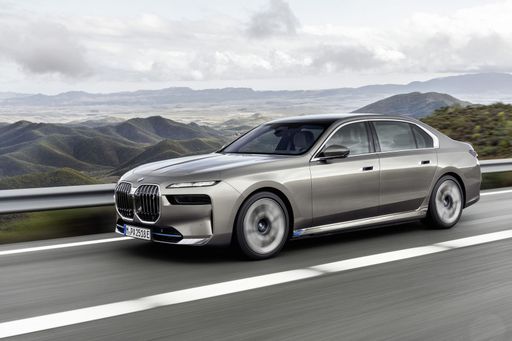
BMW i7
BMW i7
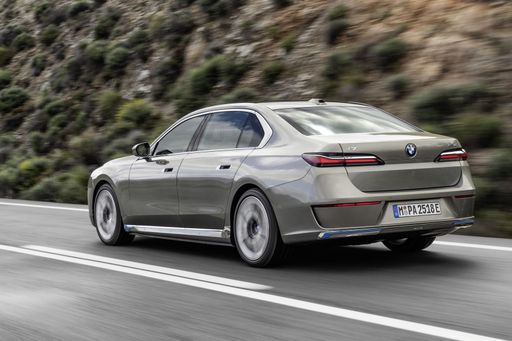
The BMW i7 is a quietly imposing electric limousine that wraps advanced tech and traditional Bavarian comfort in a futuristic skin. For buyers after serene luxury with a mischievous streak, it pampers rear-seat occupants while reminding the driver that BMW still knows how to make a big car feel alive.
details
Honda Civic
4.9 (1 Reviews)
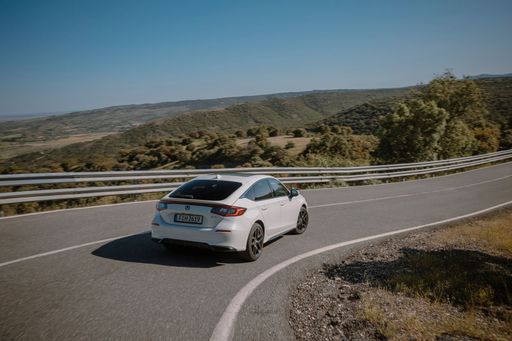
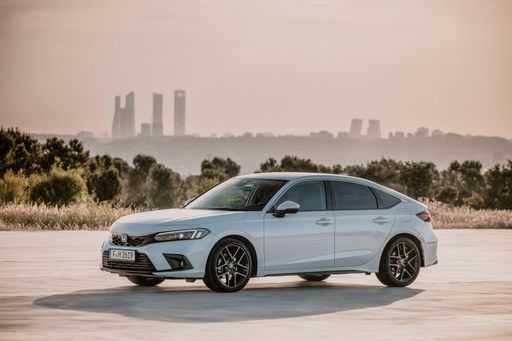
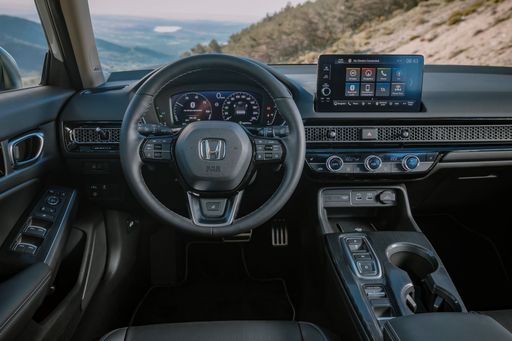
The Honda Civic mixes practical daily usability with a surprisingly engaging driving character, wrapping clever interior design and dependable engineering in a tidy, modern package. It’s a smart buy for drivers who want sensible reliability, a bit of fun behind the wheel, and a shape that never looks like it’s trying too hard.
details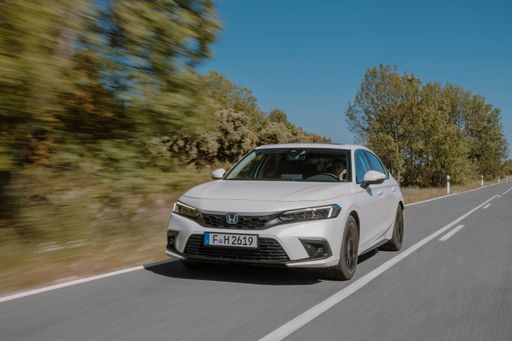
BMW i7
Honda Civic
Costs and Consumption |
|
|---|---|
|
Price
99200 - 157200 £
|
Price
32500 - 35500 £
|
|
Consumption L/100km
-
|
Consumption L/100km
4.7 - 5 L
|
|
Consumption kWh/100km
18.5 - 20.8 kWh
|
Consumption kWh/100km
-
|
|
Electric Range
559 - 624 km
|
Electric Range
-
|
|
Battery Capacity
101.70 kWh
|
Battery Capacity
-
|
|
co2
0 g/km
|
co2
108 - 114 g/km
|
|
Fuel tank capacity
-
|
Fuel tank capacity
40 L
|
Dimensions and Body |
|
|---|---|
|
Body Type
Sedan
|
Body Type
Hatchback
|
|
Seats
5
|
Seats
5
|
|
Doors
4
|
Doors
5
|
|
Curb weight
2595 - 2770 kg
|
Curb weight
1517 - 1533 kg
|
|
Trunk capacity
500 L
|
Trunk capacity
404 - 410 L
|
|
Length
5391 mm
|
Length
4560 mm
|
|
Width
1950 mm
|
Width
1890 mm
|
|
Height
1544 mm
|
Height
1408 mm
|
|
Max trunk capacity
-
|
Max trunk capacity
1187 - 1220 L
|
|
Payload
480 - 535 kg
|
Payload
348 - 397 kg
|
Engine and Performance |
|
|---|---|
|
Engine Type
Electric
|
Engine Type
Full Hybrid
|
|
Transmission
Automatic
|
Transmission
Automatic
|
|
Transmission Detail
Reduction Gearbox
|
Transmission Detail
CVT
|
|
Drive Type
Rear-Wheel Drive, All-Wheel Drive
|
Drive Type
Front-Wheel Drive
|
|
Power HP
455 - 659 HP
|
Power HP
184 HP
|
|
Acceleration 0-100km/h
3.7 - 5.5 s
|
Acceleration 0-100km/h
7.8 - 8.1 s
|
|
Max Speed
205 - 250 km/h
|
Max Speed
180 km/h
|
|
Torque
650 - 1100 Nm
|
Torque
315 Nm
|
|
Number of Cylinders
-
|
Number of Cylinders
4
|
|
Power kW
335 - 485 kW
|
Power kW
135 kW
|
|
Engine capacity
-
|
Engine capacity
1993 cm3
|
General |
|
|---|---|
|
Model Year
2022 - 2023
|
Model Year
2025
|
|
CO2 Efficiency Class
A
|
CO2 Efficiency Class
C
|
|
Brand
BMW
|
Brand
Honda
|
Is the BMW i7 offered with different drivetrains?
Available configurations include Rear-Wheel Drive or All-Wheel Drive.
The prices shown are estimates based on German list prices, adjusted for local VAT. Local registration taxes (e.g. NoVA, BPM or CO2 malus) are not included. This information is not legally binding.