VS

BMW X1 vs Audi A3 Sportback comparison

Compare performance (326 HP vs 400 HP), boot space and price (38,200 £ vs 27,000 £ ) at a glance. Find out which car is the better choice for you – BMW X1 or Audi A3 Sportback?

BMW X1 vs Audi A3 Sportback: Key differences

BMW X1

4.2 (6 Reviews)
rate
  • markedly more trunk space

Audi A3 Sportback

3.9 (1 Reviews)
rate
  • considerably cheaper
  • somewhat more power
  • substantially more efficient
  • clearly more electric range
  • considerably quicker 0–100 km/h
  • moderately lighter

All details on performance, efficiency, range and trunk space can be found in the technical comparison below – including user reviews for both models.

X1

Faceoff in the Automotive Realm: Audi A3 Sportback vs. BMW X1

In the competitive arena of compact cars, Audi and BMW have been long-standing rivals. With the Audi A3 Sportback and the BMW X1 leading their respective segments, it's time to compare these two icons in terms of design, performance, and technology. Both vehicles cater to different audiences but share the common goal of delivering premium experiences.
A3 Sportback

Design and Dimensions: Sporty Compact vs. Versatile SUV

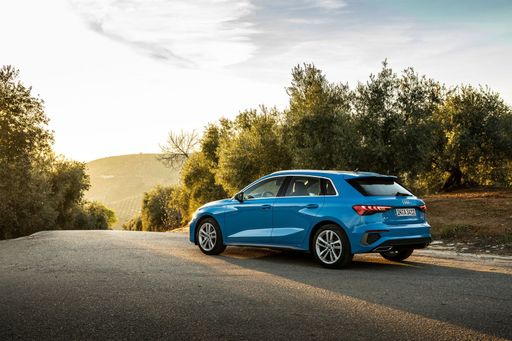
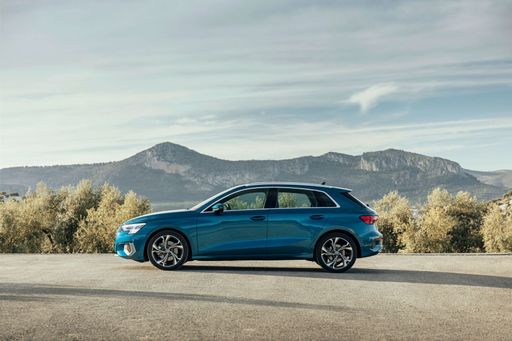
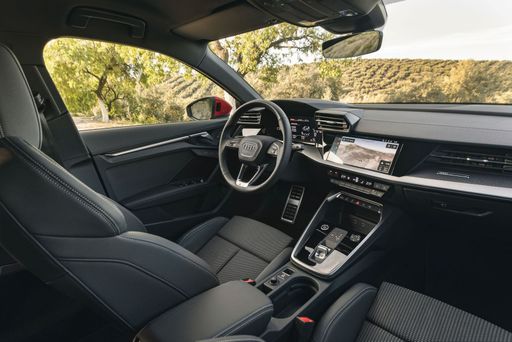
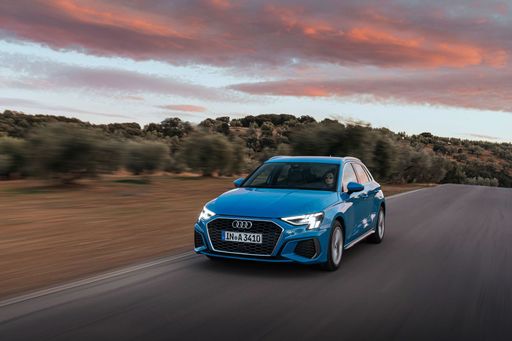
The Audi A3 Sportback showcases a sleek, hatchback design that combines elegance with a sporty flair. Measuring between 4352 mm and 4381 mm in length, it maintains a compact stature enhancing its agility. The A3's width stands at 1816 mm and its height varies slightly around 1470 mm, giving it a low, aerodynamic profile.

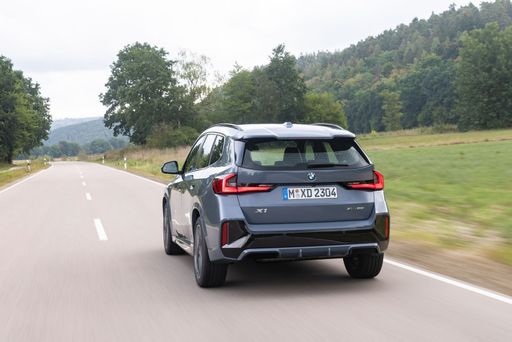
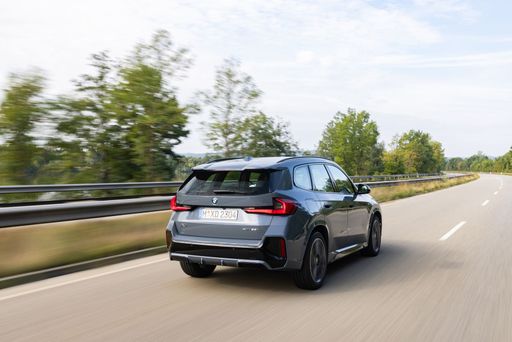
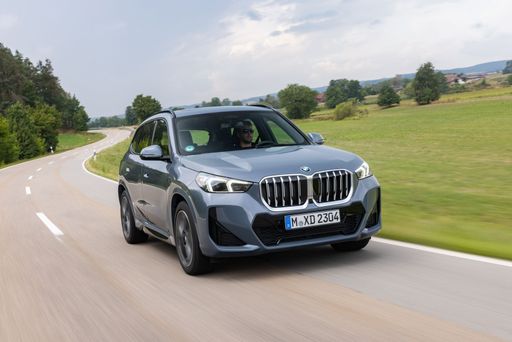
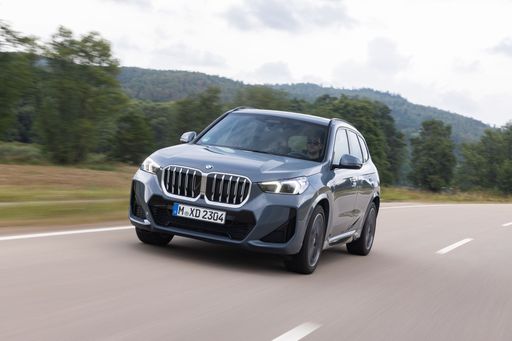
Contrastingly, the BMW X1 embraces a robust SUV design, standing taller and more imposing than the A3. Measuring 4500 mm to 4505 mm in length and boasting a height between 1622 mm and 1642 mm, it offers a more commanding road presence. Despite its larger size, the X1 maintains a sophisticated look, catering to buyers who value spaciousness alongside luxury.

X1

Engine Performance: Turbocharged Thrills vs. Hybrid Efficiency

Under the hood, the Audi A3 Sportback offers a range of engines including petrol, diesel, and even a plug-in hybrid option. The petrol variants produce between 150 HP to a staggering 400 HP, suitable for various driving styles. The Sportback's plug-in hybrid offers an electric range up to 143 km, backed by a 19.7 kWh battery, supporting an eco-friendly lifestyle without sacrificing power.

The BMW X1 does not lag behind, offering similar variety with its diesel, petrol, and hybrid engines. The petrol variants deliver up to 245 HP, while the hybrid model offers an electric range of 83 km thanks to its 14.2 kWh battery. This demonstrates BMW's commitment to efficient performance, matched with their signature driving dynamics.

A3 Sportback

Interior Space and Features: Comfort Meets Pragmatism

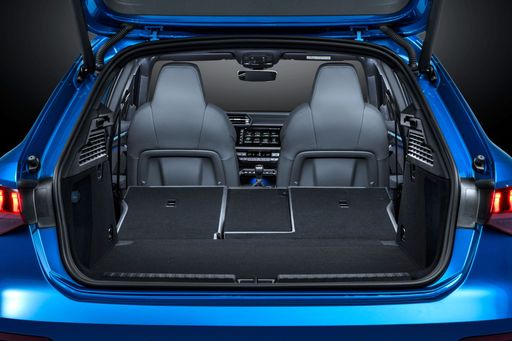
Inside the Audi A3 Sportback, the focus is on a driver-centric layout, enveloping occupants in premium materials. The trunk offers up to 380 liters, adequate for everyday use without compromising on passenger comfort.

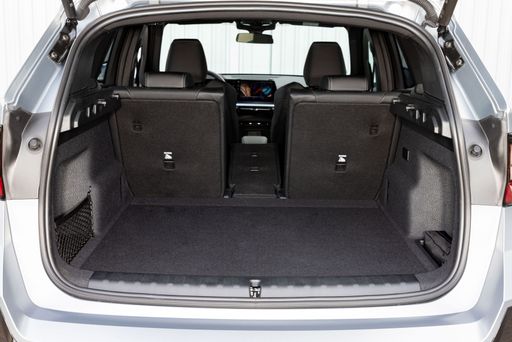
The X1, true to its SUV nature, provides more room for passengers and cargo, with a trunk capacity of up to 540 liters. Its interior is designed for practicality and elegance, making it ideal for those who need extra space for family or gear.

X1

Technological Advancements: Cutting-Edge Features

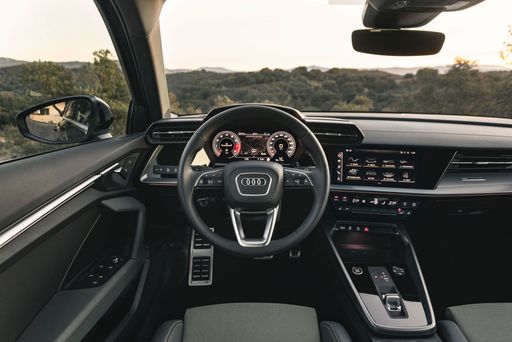
Both vehicles are outfitted with the latest technology. The Audi A3 Sportback is equipped with an advanced infotainment system, featuring intuitive controls and connectivity options that keep drivers informed and entertained.

Similarly, the BMW X1 is no stranger to innovation, fitted with an impressive infotainment suite that offers a plethora of functions from navigation to real-time traffic updates, enhanced by the premium build quality BMW is known for.

A3 Sportback

Conclusion: Which is Your Dream Drive?

The decision between the Audi A3 Sportback and the BMW X1 ultimately depends on personal preference and lifestyle. The A3 Sportback appeals to those looking for sporty elegance and performance, while also offering a greener drive through its hybrid model. Meanwhile, the BMW X1 stands out for those needing more space and versatility without compromising on luxury and efficiency. Explore both, and you may find that either could be your perfect road companion.

Here’s where it gets real: The technical differences in detail

X1

Costs and Efficiency:

Price and efficiency are often the first things buyers look at. Here it becomes clear which model has the long-term edge – whether at the pump, the plug, or in purchase price.

Audi A3 Sportback is considerably cheaper – starting at 27,000 £ , while the BMW X1 costs 38,200 £ . That’s a price difference of around 11,228 £.

Fuel consumption also shows a difference: the Audi A3 Sportback uses 1.1 L/100km and is substantially more efficient than the BMW X1 with 2.5 L/100km. The difference is about 1.4 L/100km.

As for electric range, the Audi A3 Sportback offers clearly more range – reaching up to 141 km, about 60 km more than the BMW X1.

A3 Sportback

Engine and Performance:

Under the bonnet, it becomes clear which model is tuned for sportiness and which one takes the lead when you hit the accelerator.

When it comes to engine power, the Audi A3 Sportback offers somewhat more power – delivering 400 HP compared to 326 HP. That’s roughly 74 HP more horsepower.

When accelerating from 0 to 100 km/h, the Audi A3 Sportback is considerably quicker – completing the sprint in 3.8 s, while the BMW X1 takes 5.4 s. That’s about 1.6 s quicker.

Looking at top speed, the Audi A3 Sportback is marginally faster – reaching 237 km/h, while the BMW X1 tops out at 233 km/h. The difference is around 4 km/h.

There’s also a difference in torque: the Audi A3 Sportback delivers marginally more torque with 500 Nm compared to 477 Nm. That’s about 23 Nm more.

X1

Space and Everyday Use:

Beyond pure performance, interior space and usability matter most in daily life. This is where you see which car is more practical and versatile.

Both vehicles offer seating for 5 people.

In terms of curb weight, Audi A3 Sportback is moderately lighter – 1,360 kg compared to 1,575 kg. The difference is around 215 kg.

Looking at boot space, the BMW X1 offers markedly more boot space – 540 L compared to 380 L. That’s a difference of about 160 L.

For maximum load capacity, the BMW X1 offers noticeably more capacity – up to 1,545 L, about 445 L more than the Audi A3 Sportback.

When it comes to payload, the BMW X1 carries barely more – 500 kg compared to 480 kg. That’s a difference of about 20 kg.

Who wins the race in the data check?

The Audi A3 Sportback is far ahead overall in the objective data comparison.
This result only shows which model scores more points on paper – not which of the two cars feels right for you.

from £27,000
A3 Sportback

Audi A3 Sportback

  • Engine Type : Petrol, Petrol MHEV, Diesel, Plugin Hybrid
  • Transmission : Manuel, Automatic
  • Drive Type : Front-Wheel Drive, All-Wheel Drive
  • Power HP : 116 - 400 HP
  • Consumption L/100km : 1.1 - 9.3 L/100km
  • Electric Range : 134 - 141 km
BMW X1
Audi A3 Sportback

Costs and Consumption

View detailed analysis

Engine and Performance

View detailed analysis

Dimensions and Body

View detailed analysis

BMW X1

The BMW X1 brings a premium feel to compact crossover life, wrapping practical space and agile handling into a tidy, upscale package. It’s ideal for buyers who want BMW driving dynamics without the bulk, offering everyday comfort and a few clever tricks to keep the commute interesting.

details

Audi A3 Sportback

The Audi A3 Sportback wraps premium materials and crisp German design into a practical hatchback package that makes daily driving feel smart rather than showy. It’s nimble in the city, composed on longer trips, and carries just enough swagger to satisfy buyers who want quality without shouting about it.

details
BMW X1
Audi A3 Sportback

Costs and Consumption

Price
38,200 - 55,500 £
Price
27,000 - 56,600 £
Consumption L/100km
2.5 - 7.7 L/100km
Consumption L/100km
1.1 - 9.3 L/100km
Consumption kWh/100km
-
Consumption kWh/100km
-
Electric Range
81 km
Electric Range
134 - 141 km
Battery Capacity
14.2 kWh
Battery Capacity
19.7 kWh
co2
57 - 175 g/km
co2
25 - 211 g/km
Fuel tank capacity
47 - 54 L
Fuel tank capacity
40 L

Dimensions and Body

Body Type
SUV
Body Type
Hatchback
Seats
5
Seats
5
Doors
5
Doors
5
Curb weight
1,575 - 1,935 kg
Curb weight
1,360 - 1,685 kg
Trunk capacity
490 - 540 L
Trunk capacity
280 - 380 L
Length
4,500 mm
Length
4,352 - 4,353 mm
Width
1,845 mm
Width
1,816 - 1,851 mm
Height
1,630 - 1,642 mm
Height
1,441 - 1,470 mm
Max trunk capacity
1,495 - 1,545 L
Max trunk capacity
1,100 L
Payload
490 - 500 kg
Payload
410 - 480 kg

Engine and Performance

Engine Type
Diesel MHEV, Petrol MHEV, Petrol, Diesel, Plugin Hybrid
Engine Type
Petrol, Petrol MHEV, Diesel, Plugin Hybrid
Transmission
Automatic
Transmission
Manuel, Automatic
Transmission Detail
Dual-Clutch Automatic
Transmission Detail
Manual Gearbox, Dual-Clutch Automatic
Drive Type
Front-Wheel Drive, All-Wheel Drive
Drive Type
Front-Wheel Drive, All-Wheel Drive
Power HP
136 - 326 HP
Power HP
116 - 400 HP
Acceleration 0-100km/h
5.4 - 9.2 s
Acceleration 0-100km/h
3.8 - 10.1 s
Max Speed
190 - 233 km/h
Max Speed
225 - 237 km/h
Torque
230 - 477 Nm
Torque
220 - 500 Nm
Number of Cylinders
3 - 4
Number of Cylinders
4 - 5
Power kW
100 - 240 kW
Power kW
85 - 294 kW
Engine capacity
1,499 - 1,998 cm3
Engine capacity
1,498 - 2,480 cm3

General

Model Year
2,024 - 2,025
Model Year
2,025
CO2 Efficiency Class
D, E, F, B
CO2 Efficiency Class
D, F, E, G, B
Brand
BMW
Brand
Audi
DriveDuel uses data analysis and artificial intelligence to evaluate vehicle data and create content. Content is regularly reviewed and improved. The displayed prices are estimates based on German list prices, adjusted to the respective country’s VAT. Country-specific registration taxes are not included. This information is not legally binding.