
 Deutschland
 France
 Nederland
 Great Britain
 Sverige
 Danmark
 Suomi
Suomi Italia
 Polska
 Česko
Česko España
VS
BMW Z4 vs Hyundai Tucson comparison
Compare performance (340 HP vs 288 HP), boot space and price (43,500 £ vs 31,300 £ ) at a glance. Find out which car is the better choice for you – BMW Z4 or Hyundai Tucson?
Z4
Costs and Efficiency:
Price and efficiency are key factors when choosing a car – and this is often where the real differences emerge.
Hyundai Tucson is markedly cheaper – starting at 31,300 £ , while the BMW Z4 costs 43,500 £ . That’s a price difference of around 12,180 £.
Fuel consumption also shows a difference: the Hyundai Tucson uses 2.7 L/100km and is substantially more efficient than the BMW Z4 with 6.9 L/100km. The difference is about 4.2 L/100km.
Tucson
Engine and Performance:
Under the bonnet, it becomes clear which model is tuned for sportiness and which one takes the lead when you hit the accelerator.
When it comes to engine power, the BMW Z4 offers moderately more power – delivering 340 HP compared to 288 HP. That’s roughly 52 HP more horsepower.
When accelerating from 0 to 100 km/h, the BMW Z4 is considerably quicker – completing the sprint in 4.5 s, while the Hyundai Tucson takes 7.5 s. That’s about 3 s quicker.
There’s also a difference in torque: the BMW Z4 delivers visibly more torque with 500 Nm compared to 379 Nm. That’s about 121 Nm more.
Z4
Space and Everyday Use:
Beyond pure performance, interior space and usability matter most in daily life. This is where you see which car is more practical and versatile.
Seats: Hyundai Tucson offers more seats – 5 vs 2.
In terms of curb weight, BMW Z4 is barely lighter – 1,510 kg compared to 1,542 kg. The difference is around 32 kg.
Looking at boot space, the Hyundai Tucson offers considerably more boot space – 620 L compared to 281 L. That’s a difference of about 339 L.
When it comes to payload, the Hyundai Tucson carries significantly more – 545 kg compared to 235 kg. That’s a difference of about 310 kg.
Who wins the race in the data check?
The Hyundai Tucson is clearly superior overall in the objective data comparison.
This result only shows which model scores more points on paper – not which of the two cars feels right for you.
from £31,300
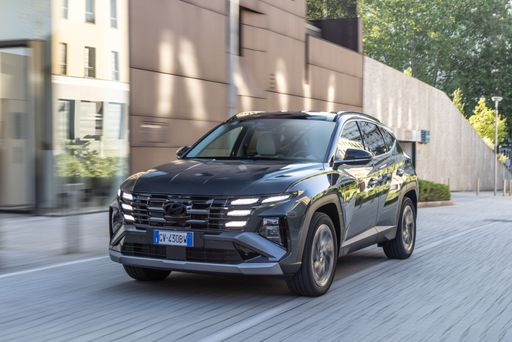
Hyundai Tucson
BMW Z4
Hyundai Tucson
Costs and Consumption
View detailed analysis
View detailed analysis
Engine and Performance
View detailed analysis
View detailed analysis
Dimensions and Body
View detailed analysis
View detailed analysis
BMW Z4
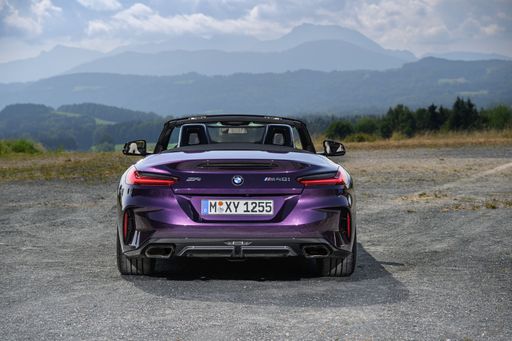
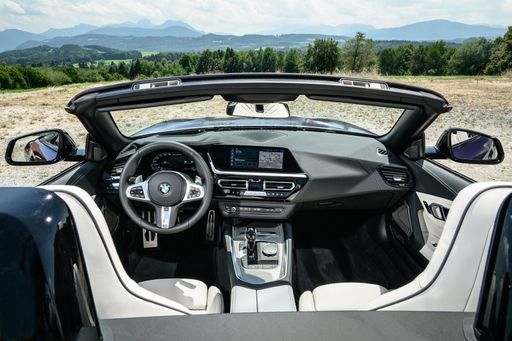
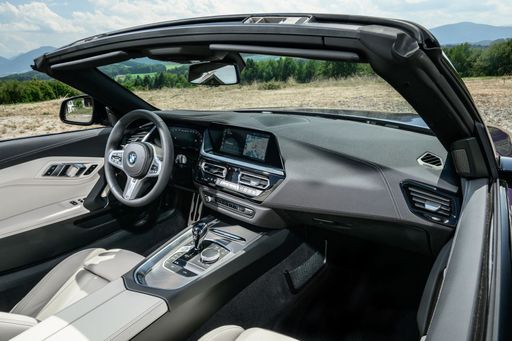
The BMW Z4 is a taut, road-hugging roadster that pairs elegant, low-slung styling with a roof you can drop on a sunny whim, delivering that pure, wind-in-your-hair driving thrill few cars manage to match. It’s an ideal weekend companion for drivers who prefer engagement over practicality — bring good shoes rather than a lot of luggage, and you’ll get a grin every time you turn the wheel.
details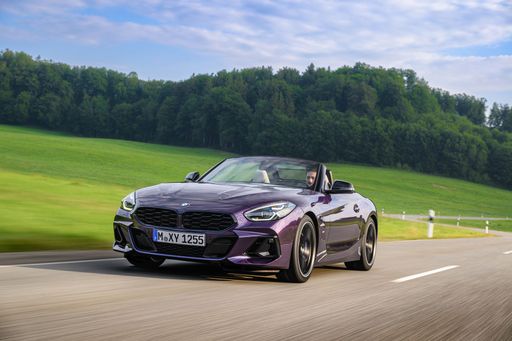

Hyundai Tucson
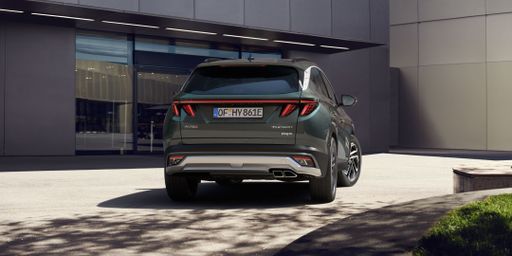
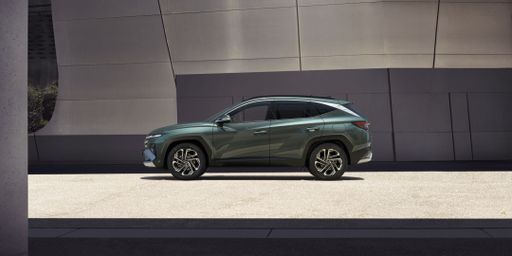
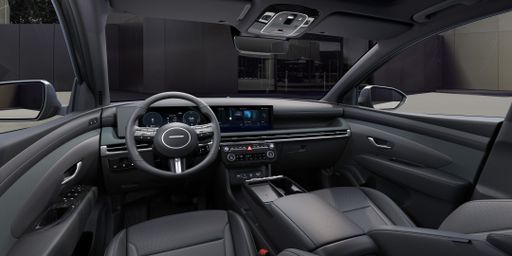
The Hyundai Tucson is a well-rounded compact SUV that blends modern styling with a comfortable, thoughtfully laid-out interior, making it appealing for daily driving and family use. It delivers a calm ride, a generous level of equipment for the price, and sensible practicality, so it's a smart choice if you want a straightforward, dependable crossover without fuss.
details
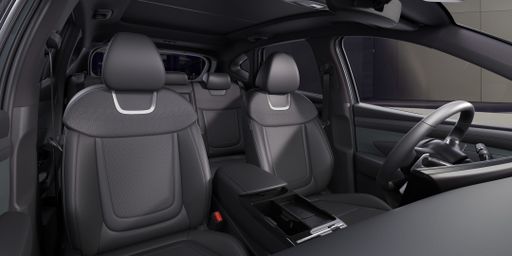
BMW Z4
Hyundai Tucson
Costs and Consumption |
|
|---|---|
|
Price
43,500 - 65,300 £
|
Price
31,300 - 48,800 £
|
|
Consumption L/100km
6.9 - 8.5 L/100km
|
Consumption L/100km
2.7 - 7.6 L/100km
|
|
Consumption kWh/100km
-
|
Consumption kWh/100km
-
|
|
Electric Range
-
|
Electric Range
63 - 70 km
|
|
Battery Capacity
-
|
Battery Capacity
-
|
|
co2
157 - 191 g/km
|
co2
62 - 172 g/km
|
|
Fuel tank capacity
-
|
Fuel tank capacity
-
|
Dimensions and Body |
|
|---|---|
|
Body Type
Roadster
|
Body Type
SUV
|
|
Seats
2
|
Seats
5
|
|
Doors
-
|
Doors
-
|
|
Curb weight
1,510 - 1,640 kg
|
Curb weight
1,542 - 1,893 kg
|
|
Trunk capacity
281 L
|
Trunk capacity
546 - 620 L
|
|
Length
-
|
Length
-
|
|
Width
1,864 mm
|
Width
1,865 mm
|
|
Height
-
|
Height
-
|
|
Max trunk capacity
-
|
Max trunk capacity
-
|
|
Payload
215 - 235 kg
|
Payload
518 - 545 kg
|
Engine and Performance |
|
|---|---|
|
Engine Type
Petrol
|
Engine Type
Petrol, Full Hybrid, Plug-in Hybrid, Diesel MHEV
|
|
Transmission
Manual, Automatic
|
Transmission
Manual, Automatic
|
|
Transmission Detail
Manual Gearbox, Automatic Gearbox
|
Transmission Detail
Manual Gearbox, Dual-Clutch Automatic, Automatic Gearbox
|
|
Drive Type
Rear-Wheel Drive
|
Drive Type
Front-Wheel Drive, All-Wheel Drive
|
|
Power HP
197 - 340 HP
|
Power HP
136 - 288 HP
|
|
Acceleration 0-100km/h
4.5 - 6.8 s
|
Acceleration 0-100km/h
7.5 - 11.6 s
|
|
Max Speed
-
|
Max Speed
-
|
|
Torque
320 - 500 Nm
|
Torque
250 - 379 Nm
|
|
Number of Cylinders
4 - 6
|
Number of Cylinders
4
|
|
Power kW
145 - 250 kW
|
Power kW
100 - 212 kW
|
|
Engine capacity
1,998 - 2,998 cm3
|
Engine capacity
1,598 cm3
|
General |
|
|---|---|
|
Model Year
2,025 - 2,026
|
Model Year
2025
|
|
CO2 Efficiency Class
F, G
|
CO2 Efficiency Class
F, D, E, B
|
|
Brand
BMW
|
Brand
Hyundai
|
DriveDuel uses data analysis and artificial intelligence to evaluate vehicle data and create content. Content is regularly reviewed and improved.
The displayed prices are estimates based on German list prices, adjusted to the respective country’s VAT. Country-specific registration taxes are not included. This information is not legally binding.