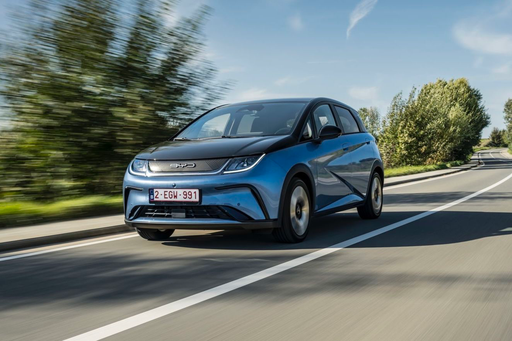
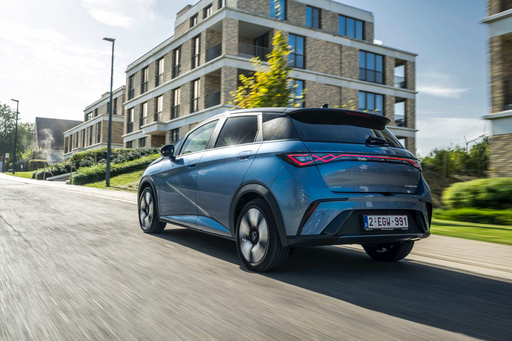
VS

BYD Atto 2 vs BYD Dolphin comparison

Compare performance (212 HP vs 204 HP), boot space and price (30,800 £ vs 29,700 £ ) at a glance. Find out which car is the better choice for you – BYD Atto 2 or BYD Dolphin?

BYD Atto 2 vs BYD Dolphin: Key differences

BYD Atto 2

4.8 (5 Reviews)
rate
  • only slightly more power
  • barely more efficient
  • only slightly more electric range
  • marginally lighter
  • noticeably more trunk space
details

BYD Dolphin

4 (4 Reviews)
rate
  • only slightly cheaper
  • very slightly quicker 0–100 km/h
details

All details on performance, efficiency, range and trunk space can be found in the technical comparison below – including user reviews for both models.

By Achim Sedelmaier

Atto 2

BYD Dolphin VS BYD Atto 2: which small EV fits your life?

BYD Dolphin VS BYD Atto 2 pits a clever hatchback against a city‑savvy small SUV, both chasing the same everyday brief in different ways. The BYD Dolphin leans into ease and value, with surprising space and a relaxed drive that suits routine commutes. The BYD Atto 2 adds a higher seating position and a more polished cabin feel, aiming to make busy urban days calmer and a bit more upmarket. They share generous standard kit and straightforward running, but their characters diverge enough to matter once you load passengers, tackle a weekly shop, or head onto the motorway.
Dolphin

Comfort and character on the road

The BYD Dolphin rides soft and unhurried, which takes the edge off speed bumps and rough patches, and it feels a touch keener away from the lights. The BYD Atto 2 is also comfort‑first, but the higher perch gives a calmer view of traffic even if the steering feels similarly filtered. On a longer cruise, the Dolphin can wander slightly and asks for more small corrections, while the Atto 2 brings earlier wind noise yet feels a shade more planted in typical lane‑keeping. Neither car chases driving thrills; they’re tuned for low‑stress miles, just with the Dolphin feeling lighter on its feet and the Atto 2 feeling more grown‑up from the driver’s chair.

Atto 2

Cabin feel and everyday tech

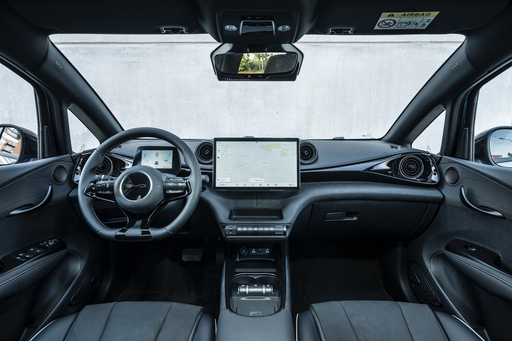
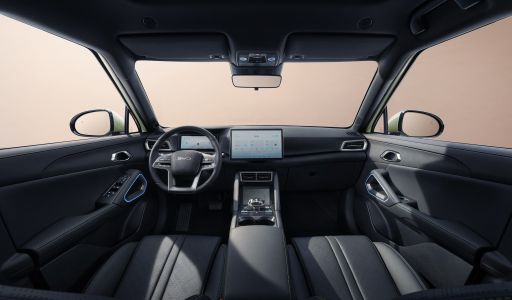
The BYD Atto 2’s interior looks and feels a notch richer, with more soft‑touch surfaces and a tidier, mature vibe. The BYD Dolphin counters with playful design and abundant equipment for the money, though you’ll notice more hard plastics if you poke around. Both run the familiar BYD infotainment with a rotating central screen and phone mirroring; it’s capable, but key climate controls still sit too deep in menus. Assistants are plentiful in both, yet the Dolphin’s lane‑keeping can feel a bit over‑eager, while the Atto 2’s small on‑screen icons demand precise taps on the move.

Dolphin

Space and practicality where it counts

The BYD Dolphin is the surprise package for passengers, with rear legroom that shames many larger cars and easy‑access door openings. The BYD Atto 2 offers good headroom and a family‑friendly bench, though taller adults may wish for longer seat bases on longer trips. For cargo, the Atto 2’s SUV shape creates a taller, more flexible load area that suits buggies and boxy items, even if the usable floor length doesn’t always feel as big as brochures imply. The Dolphin’s boot is simpler and lower, fine for the weekly shop but less adaptable, while its three Isofix points make it the easier pick when juggling child seats.

City manners and daily ease

In town, the BYD Atto 2 is a natural: light controls, a tight turning circle and that higher view take the sting out of traffic and parking. The BYD Dolphin is just as friendly to thread through gaps, with a cushy ride and straightforward responses that keep stress low. Both rely on cameras to offset rear visibility that’s only average, and neither offers a true one‑pedal feel, so you’ll use the brake more than in some rivals. If your miles are mostly urban, the Atto 2’s stance and manoeuvrability slightly tip the balance, while the Dolphin rewards with a calmer, floatier glide over battered streets.

Costs, range and who each suits best

The BYD Atto 2 tends to undercut the Dolphin on price and sips gently in daily use, which helps total cost of ownership. The BYD Dolphin gives you a bit more zip in stop‑start driving but asks for slightly longer fast‑charge stops on trips. If you plan regular motorway runs, the Atto 2 with its larger‑battery configuration brings clearly quicker charging and a more relaxed rhythm between stops; the small‑battery version is best kept to city and regional use. Boil it down this way: choose the Atto 2 if you want an SUV‑style stance, nicer cabin tactility and a more flexible, taller boot; choose the Dolphin if rear‑seat space, generous kit for the money and easygoing comfort matter most—then dive into the specs below to confirm the fit.

Here’s where it gets real: The technical differences in detail

Atto 2

Costs and Efficiency:

Price and efficiency are often the first things buyers look at. Here it becomes clear which model has the long-term edge – whether at the pump, the plug, or in purchase price.

BYD Dolphin is only slightly cheaper – starting at 29,700 £ , while the BYD Atto 2 costs 30,800 £ . That’s a price difference of around 1,157 £.

In terms of energy consumption, the BYD Atto 2 is barely more efficient: consuming 15.8 kWh/100km compared to 15.9 kWh/100km for the BYD Dolphin. That’s a difference of about 0.1 kWh/100km.

As for electric range, the BYD Atto 2 offers only slightly more range – reaching up to 430 km, about 3 km more than the BYD Dolphin.

Dolphin

Engine and Performance:

Power, torque and acceleration are the classic benchmarks for car enthusiasts – and here, some clear differences start to show.

When it comes to engine power, the BYD Atto 2 offers only slightly more power – delivering 212 HP compared to 204 HP. That’s roughly 8 HP more horsepower.

When accelerating from 0 to 100 km/h, the BYD Dolphin is very slightly quicker – completing the sprint in 7 s, while the BYD Atto 2 takes 7.5 s. That’s about 0.5 s quicker.

Both models offer the same torque – 310 Nm.

Atto 2

Space and Everyday Use:

Beyond pure performance, interior space and usability matter most in daily life. This is where you see which car is more practical and versatile.

Both vehicles offer seating for 5 people.

In terms of curb weight, BYD Atto 2 is marginally lighter – 1,510 kg compared to 1,658 kg. The difference is around 148 kg.

Looking at boot space, the BYD Atto 2 offers noticeably more boot space – 450 L compared to 345 L. That’s a difference of about 105 L.

When it comes to payload, the BYD Atto 2 carries a bit more – 490 kg compared to 410 kg. That’s a difference of about 80 kg.

Who wins the race in the data check?

The BYD Atto 2 is clearly ahead overall in the objective data comparison.
This result only shows which model scores more points on paper – not which of the two cars feels right for you.

from £30,800
Atto 2

BYD Atto 2

  • Engine Type Plugin Hybrid, Electric
  • Transmission Automatic
  • Drive Type Front-Wheel Drive
  • Power HP 166 - 212 HP
  • Consumption kWh/100km 15.8 - 17.4 kWh/100km
  • Electric Range 40 - 430 km
BYD Atto 2
BYD Dolphin

Costs and Consumption

View detailed analysis

Engine and Performance

View detailed analysis

Dimensions and Body

View detailed analysis

BYD Atto 2

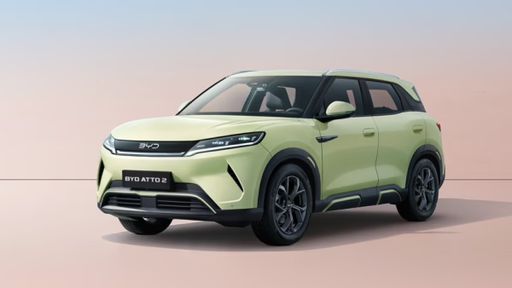
The BYD Atto 2 is a stylish compact electric SUV that blends bold exterior design with a roomy, tech-focused interior, making it well suited to daily driving and urban life. It delivers a comfortable ride and practical features that will appeal to buyers looking for a modern, user-friendly EV.

details

BYD Dolphin

The BYD Dolphin is a cheeky electric hatchback that blends playful styling with surprising practicality, making it a brilliant city companion for buyers who want modern tech without the showroom bravado. It’s comfy, efficient and easy to live with, and while it won’t blind you with supercar drama, it will quietly get the job done with plenty of character.

details
BYD Atto 2
BYD Dolphin

Costs and Consumption

Price
30,800 - 36,000 £
Price
29,700 - 31,400 £
Consumption L/100km
-
Consumption L/100km
-
Consumption kWh/100km
15.8 - 17.4 kWh/100km
Consumption kWh/100km
15.9 kWh/100km
Electric Range
40 - 430 km
Electric Range
427 km
Battery Capacity
-
Battery Capacity
-
co2
0 - 72 g/km
co2
0 g/km
Fuel tank capacity
-
Fuel tank capacity
-

Dimensions and Body

Body Type
SUV
Body Type
Hatchback
Seats
5
Seats
5
Doors
-
Doors
-
Curb weight
1,510 - 1,720 kg
Curb weight
1,658 kg
Trunk capacity
425 - 450 L
Trunk capacity
345 L
Length
-
Length
-
Width
1,830 mm
Width
1,770 mm
Height
-
Height
-
Max trunk capacity
-
Max trunk capacity
-
Payload
420 - 490 kg
Payload
410 kg

Engine and Performance

Engine Type
Plugin Hybrid, Electric
Engine Type
Electric
Transmission
Automatic
Transmission
Automatic
Transmission Detail
Automatic Gearbox, Reduction Gearbox
Transmission Detail
Reduction Gearbox
Drive Type
Front-Wheel Drive
Drive Type
Front-Wheel Drive
Power HP
166 - 212 HP
Power HP
204 HP
Acceleration 0-100km/h
7.5 - 9.1 s
Acceleration 0-100km/h
7 s
Max Speed
-
Max Speed
-
Torque
310 Nm
Torque
310 Nm
Number of Cylinders
4
Number of Cylinders
-
Power kW
122 - 156 kW
Power kW
150 kW
Engine capacity
1,498 cm3
Engine capacity
-

General

Model Year
2,025 - 2,026
Model Year
2023
CO2 Efficiency Class
B, A
CO2 Efficiency Class
A
Brand
BYD
Brand
BYD
DriveDuel uses data analysis and artificial intelligence to evaluate vehicle data and create content. Content is regularly reviewed and improved. The displayed prices are estimates based on German list prices, adjusted to the respective country’s VAT. Country-specific registration taxes are not included. This information is not legally binding.