VS

BYD Atto 2 vs Hyundai Kona comparison

Compare performance (212 HP vs 204 HP), boot space and price (27,400 £ vs 23,100 £ ) at a glance. Find out which car is the better choice for you – BYD Atto 2 or Hyundai Kona?

BYD Atto 2 vs Hyundai Kona: Key differences

BYD Atto 2

4.9 (4 Reviews)
rate
  • barely more power
  • barely quicker 0–100 km/h
details

Hyundai Kona

4.3 (4 Reviews)
rate
  • somewhat cheaper
  • only slightly more efficient
  • somewhat more electric range
  • somewhat lighter
  • marginally more trunk space
details

All details on performance, efficiency, range and trunk space can be found in the technical comparison below – including user reviews for both models.

By Achim Sedelmaier

Atto 2

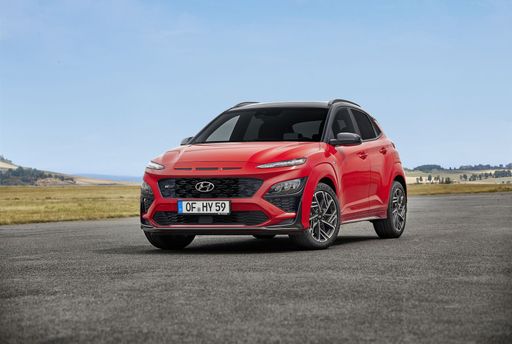
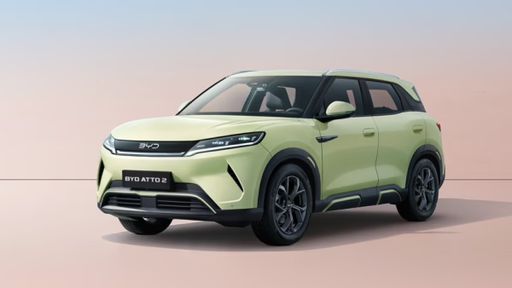
Hyundai Kona VS BYD Atto 2 — which small SUV fits your life?

Hyundai Kona VS BYD Atto 2 is a matchup between a pragmatic, efficiency‑focused B‑SUV and a well‑equipped, city‑centric electric alternative. The Hyundai Kona leans into usable space, calm manners and a straightforward, familiar user experience, while the BYD Atto 2 trades some long‑distance polish for generous standard kit and a distinctly urban personality. Buyers quickly notice the Kona’s calmer highway composure versus the Atto 2’s tauter, more city‑oriented character. Both cars aim at sensible daily use, but they approach it from opposite ends: Kona emphasises range and practicality, Atto 2 pushes value and creature comforts. The choice comes down to whether you prioritise travel flexibility or immediate equipment and urban ease.
Kona

Driving character: composed versus city‑tuned

The Hyundai Kona drives like a courteous, grown‑up compact SUV — predictable steering, a steady ride and a setup that keeps you relaxed on long stretches. The BYD Atto 2, by contrast, feels built for tight streets: light steering, easy low‑speed manoeuvres and a supple suspension that masks urban bumps. On winding B‑roads or at higher speeds the Kona’s composure and quieter demeanor make longer stints less tiring, whereas the Atto 2’s softer body control and earlier wind noise betray its city bias. Enthusiasts will find neither car particularly sharp, but the Kona leans more toward highway stability while the Atto 2 prioritises everyday convenience and a plush feel around town. That difference is noticeable every day — one rewards calm cruising, the other rewards fuss‑free city driving.

Atto 2

Comfort and long‑distance behaviour

For multi‑hour trips the Hyundai Kona’s setup and refinement come across as the more relaxed companion: it soaks up motorway miles with less intrusion and a quieter cabin in electric guise. The BYD Atto 2 is comfortable in town thanks to soft suspension and supportive seats, but at sustained high speeds you’ll notice wind noise and a looser composure that make long distances less serene — especially in the smaller‑battery versions. If you do regular intercity runs or holiday driving, Kona’s greater range and calmer aero behaviour reduce stress and fewer charging stops. Urban commuters who plug in at home will enjoy the Atto 2’s day‑to‑day comfort and generous features, but frequent long runs favour Kona’s more travel‑minded balance. Both are comfortable, but they reward different use patterns.

Kona

Practicality and family usability

The Hyundai Kona is the more practical choice for families who value luggage space and flexible storage: its boot and clever rear seat options make loading and day‑to‑day hauling noticeably easier. The BYD Atto 2 offers good rear room and comfortable rear seats, but reported luggage measurements and the absence of a frunk in some versions mean you should always try real‑world packing before you buy. Kona’s rear packaging and wide tailgate are more forgiving when you juggle buggies, sports kit or weekly shopping, while the Atto 2 keeps passengers comfortable but asks you to be more selective with cargo. Both provide five seats and decent family practicality, yet Kona tilts the balance toward baggage capacity and load‑friendliness. If family logistics matter, the Kona generally makes fewer compromises.

Cabin feel, tech and perceived quality

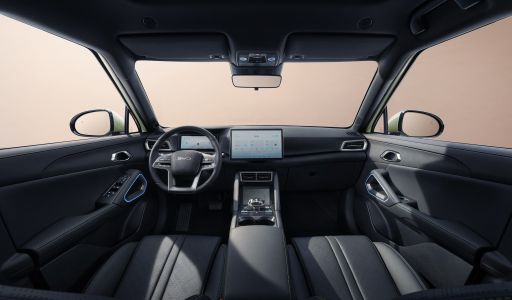
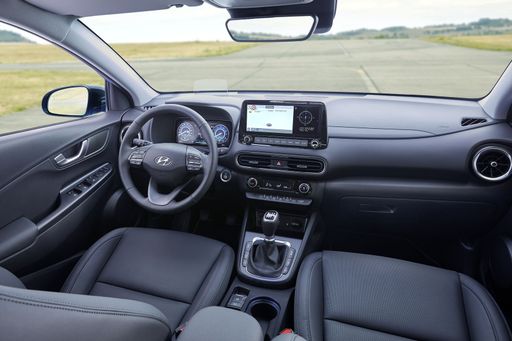
Inside the Hyundai Kona you get an intuitive layout with real buttons and clear displays that make everyday tasks simple and less distracting. The BYD Atto 2 punches above its weight for material quality and standard equipment, offering soft surfaces, electric seats and clever features like vehicle‑to‑load functionality that feel indulgent for the price. Kona’s infotainment and driver interfaces prioritise usability and quick interaction, whereas Atto 2 favours a modern, tech‑forward presentation that sometimes buries climate controls and small icons. Perceived quality is strong in both cabins, but Kona trades a touch of flair for clearer ergonomics while Atto 2 impresses with feature density and finish. Your preference will hinge on whether you want straightforward controls or a richly equipped, gadget‑heavy interior.

Buyer fit and the real trade‑offs before the specs

If your life is a mix of family runs and regular longer journeys the Hyundai Kona feels like the safer, more versatile pick — it tends to be kinder on long drives, offers more usable luggage space and generally stretches range farther between stops. The BYD Atto 2 suits city‑centric buyers who want lots of kit for the money, a comfortable inner‑city ride and straightforward ownership benefits, provided they accept shorter highway legs unless they opt for the larger battery version. Kona underlines bargain‑practicality and travel calm, while Atto 2 undercuts with standard features and urban refinement; each makes trade‑offs that show up in daily routines. With those personal priorities in mind, the detailed technical comparison that follows will clarify exact range, charging and performance differences you’ll live with most.

Here’s where it gets real: The technical differences in detail

Atto 2

Costs and Efficiency:

Price and efficiency are often the first things buyers look at. Here it becomes clear which model has the long-term edge – whether at the pump, the plug, or in purchase price.

Hyundai Kona is somewhat cheaper – starting at 23,100 £ , while the BYD Atto 2 costs 27,400 £ . That’s a price difference of around 4,363 £.

In terms of energy consumption, the Hyundai Kona is only slightly more efficient: consuming 14.6 kWh/100km compared to 15.8 kWh/100km for the BYD Atto 2. That’s a difference of about 1.2 kWh/100km.

As for electric range, the Hyundai Kona offers somewhat more range – reaching up to 510 km, about 80 km more than the BYD Atto 2.

Kona

Engine and Performance:

Power, torque and acceleration say a lot about how a car feels on the road. This is where you see which model delivers more driving dynamics.

When it comes to engine power, the BYD Atto 2 offers barely more power – delivering 212 HP compared to 204 HP. That’s roughly 8 HP more horsepower.

When accelerating from 0 to 100 km/h, the BYD Atto 2 is barely quicker – completing the sprint in 7.5 s, while the Hyundai Kona takes 8.1 s. That’s about 0.6 s quicker.

There’s also a difference in torque: the BYD Atto 2 delivers moderately more torque with 310 Nm compared to 265 Nm. That’s about 45 Nm more.

Atto 2

Space and Everyday Use:

Whether family car or daily driver – which one offers more room, flexibility and comfort?

Both vehicles offer seating for 5 people.

In terms of curb weight, Hyundai Kona is somewhat lighter – 1,370 kg compared to 1,510 kg. The difference is around 140 kg.

Looking at boot space, the Hyundai Kona offers marginally more boot space – 466 L compared to 450 L. That’s a difference of about 16 L.

Maximum payload is identical – both can carry up to 490 kg.

Who wins the race in the data check?

The Hyundai Kona comes out modestly ahead in the objective data comparison.
This result only shows which model scores more points on paper – not which of the two cars feels right for you.

from £23,100
Kona

Hyundai Kona

  • Engine Type : Petrol, Full Hybrid, Electric
  • Transmission : Manuel, Automatic
  • Drive Type : Front-Wheel Drive, All-Wheel Drive
  • Power HP : 115 - 204 HP
  • Consumption L/100km : 4.6 - 7 L/100km
  • Consumption kWh/100km : 14.6 - 16.1 kWh/100km
  • Electric Range : 380 - 510 km
BYD Atto 2
Hyundai Kona

Costs and Consumption

View detailed analysis

Engine and Performance

View detailed analysis

Dimensions and Body

View detailed analysis

BYD Atto 2

The Atto 2 is making waves in the electric vehicle market with its sleek design and impressive range. This innovative model combines cutting-edge technology with captivating aesthetics, making it a standout choice for eco-conscious drivers. With its spacious interior and advanced features, the Atto 2 offers both comfort and convenience for everyday use.

details

Hyundai Kona

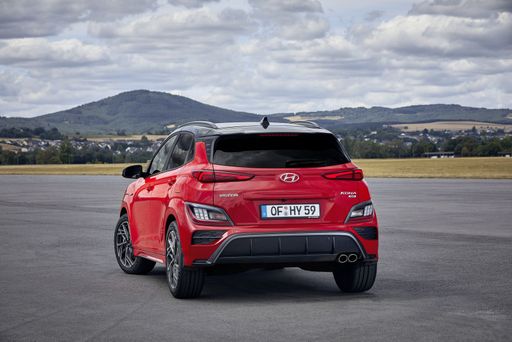
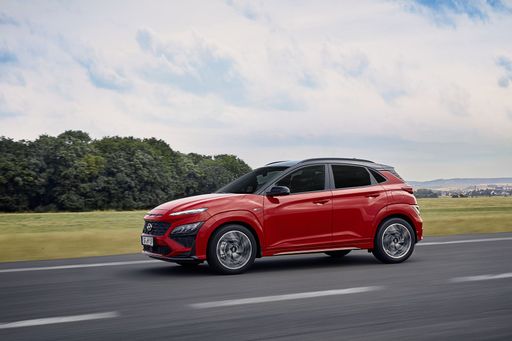
The Hyundai Kona wears its personality on the outside with bold styling and sprightly handling that turns city driving into something a little more fun than a commute. It blends practical space, modern tech and sensible running costs into a compact, stylish package — a smart pick if you want flair without paying luxury prices.

details
BYD Atto 2
Hyundai Kona

Costs and Consumption

Price
27,400 - 36,000 £
Price
23,100 - 41,900 £
Consumption L/100km
-
Consumption L/100km
4.6 - 7 L/100km
Consumption kWh/100km
15.8 - 16 kWh/100km
Consumption kWh/100km
14.6 - 16.1 kWh/100km
Electric Range
40 - 430 km
Electric Range
380 - 510 km
Battery Capacity
-
Battery Capacity
-
co2
0 - 41 g/km
co2
0 - 163 g/km
Fuel tank capacity
-
Fuel tank capacity
-

Dimensions and Body

Body Type
SUV
Body Type
SUV
Seats
5
Seats
5
Doors
-
Doors
-
Curb weight
1,510 - 1,720 kg
Curb weight
1,370 - 1,773 kg
Trunk capacity
400 - 450 L
Trunk capacity
466 L
Length
-
Length
-
Width
1,830 mm
Width
1,825 mm
Height
-
Height
-
Max trunk capacity
-
Max trunk capacity
-
Payload
260 - 490 kg
Payload
420 - 490 kg

Engine and Performance

Engine Type
Electric, Plugin Hybrid
Engine Type
Petrol, Full Hybrid, Electric
Transmission
Automatic
Transmission
Manuel, Automatic
Transmission Detail
Reduction Gearbox, Automatic Gearbox
Transmission Detail
Manual Gearbox, Dual-Clutch Automatic, Reduction Gearbox
Drive Type
Front-Wheel Drive
Drive Type
Front-Wheel Drive, All-Wheel Drive
Power HP
166 - 212 HP
Power HP
115 - 204 HP
Acceleration 0-100km/h
7.5 - 9.1 s
Acceleration 0-100km/h
8.1 - 11.9 s
Max Speed
-
Max Speed
-
Torque
290 - 310 Nm
Torque
200 - 265 Nm
Number of Cylinders
4
Number of Cylinders
3 - 4
Power kW
122 - 156 kW
Power kW
85 - 150 kW
Engine capacity
1,498 cm3
Engine capacity
998 - 1,598 cm3

General

Model Year
2,025 - 2,026
Model Year
2025
CO2 Efficiency Class
A, B
CO2 Efficiency Class
D, C, E, F, A
Brand
BYD
Brand
Hyundai
DriveDuel uses data analysis and artificial intelligence to evaluate vehicle data and create content. Content is regularly reviewed and improved. The displayed prices are estimates based on German list prices, adjusted to the respective country’s VAT. Country-specific registration taxes are not included. This information is not legally binding.