Hyundai Kona SUV, starting at 23,600 £

4.6 (9 Reviews)
rate

The Hyundai Kona is a compact crossover that pairs bold styling with practical everyday usability, offering a comfortable cabin and intuitive tech for modern drivers. Available in both conventional and electrified versions, Kona brings lively handling and strong value for buyers who want crossover versatility and standout character.

Reviews & community

All real reviews and experiences about the Hyundai Kona in one place.

To community

Technical data, trims & prices

All technical data, dimensions and equipment details of this model at a glance.

To technical data

Alternative car models

Discover similar models and possible alternatives to this vehicle.

To alternatives

from £23,600
Kona

Hyundai Kona

  • Engine Type Petrol, Full Hybrid, Electric
  • Transmission Manuel, Automatic
  • Drive Type Front-Wheel Drive, All-Wheel Drive
  • Power HP 115 - 204 HP
  • Consumption L/100km 4.6 - 7 L/100km
  • Consumption kWh/100km 14.6 - 16.1 kWh/100km
  • Electric Range 380 - 510 km

Sharper Shell, Calmer Soul

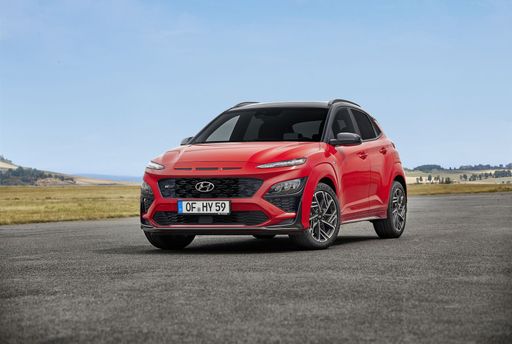
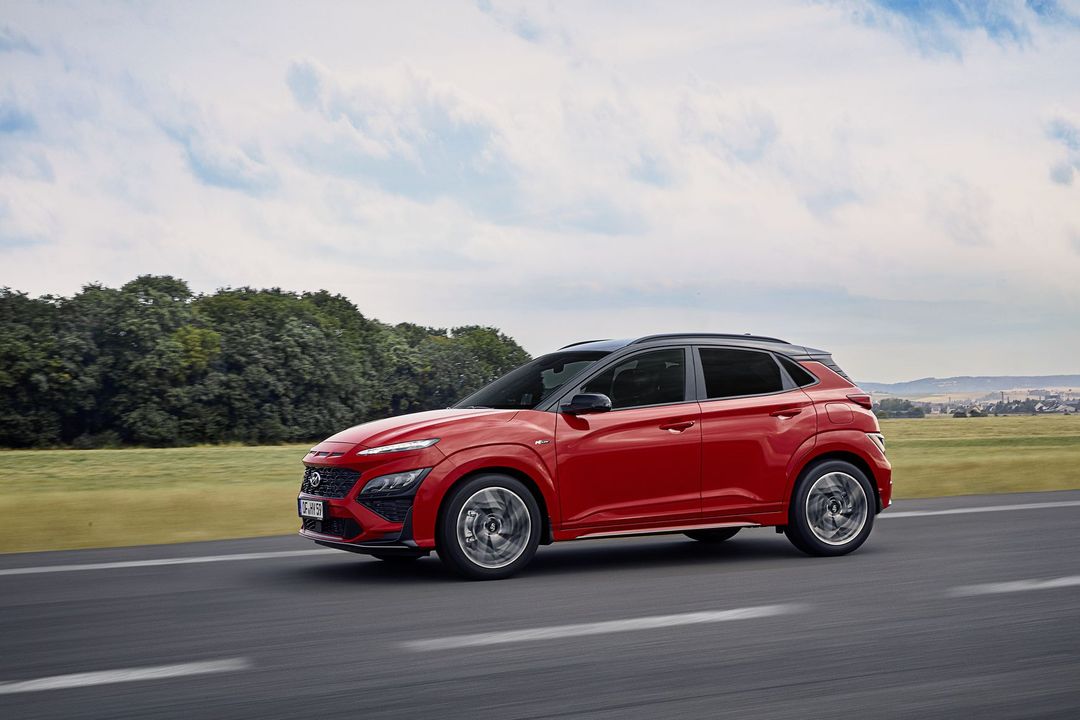
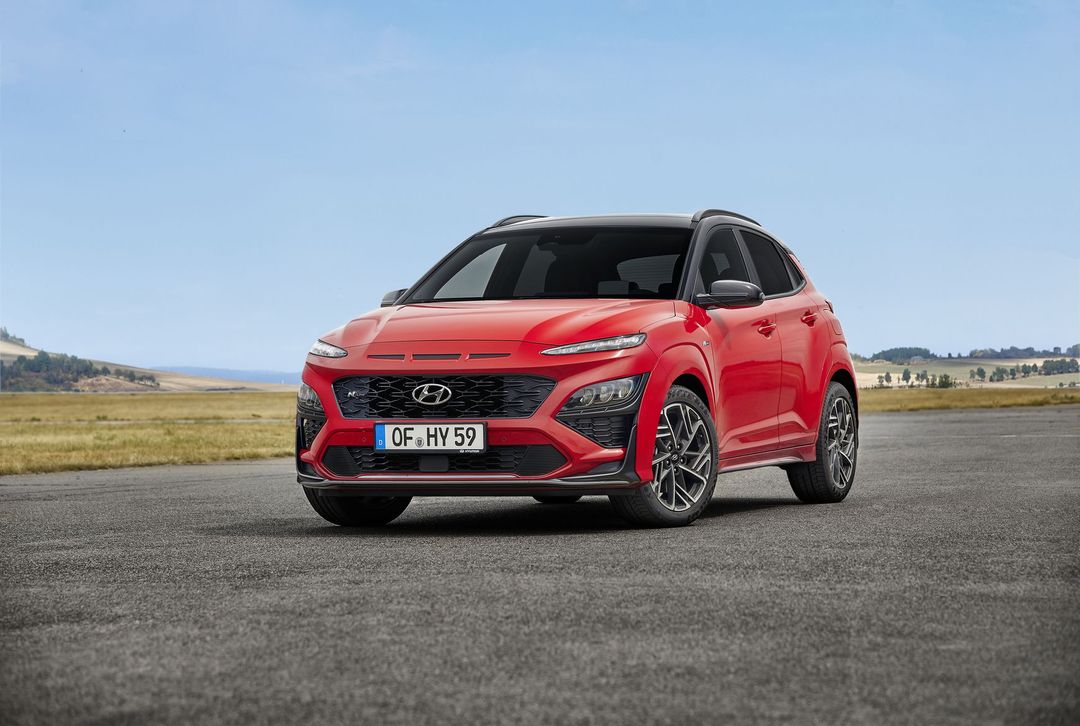
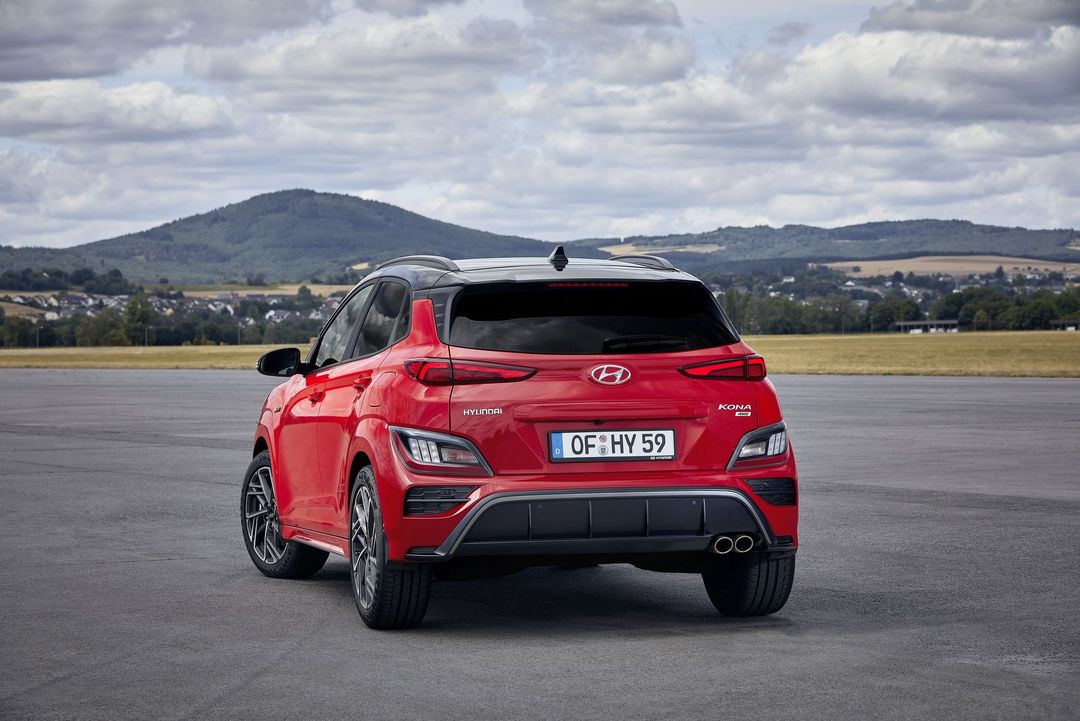
The Hyundai Kona has grown into a confident small SUV with chunky cladding, clean lines and a distinctive full-width light signature. It looks modern without shouting, and the N Line trim adds racier bumpers and wheels for those who want the look, not necessarily the bite. Large doors and a taller roofline make it easier to get in and out, which matters on school runs and busy commutes. Panel gaps are tight and paint finishes feel solid, reinforcing its grown-up impression. It is a smart, tidy shape that fits city streets as comfortably as longer regional trips.
Cockpit That Makes Sense

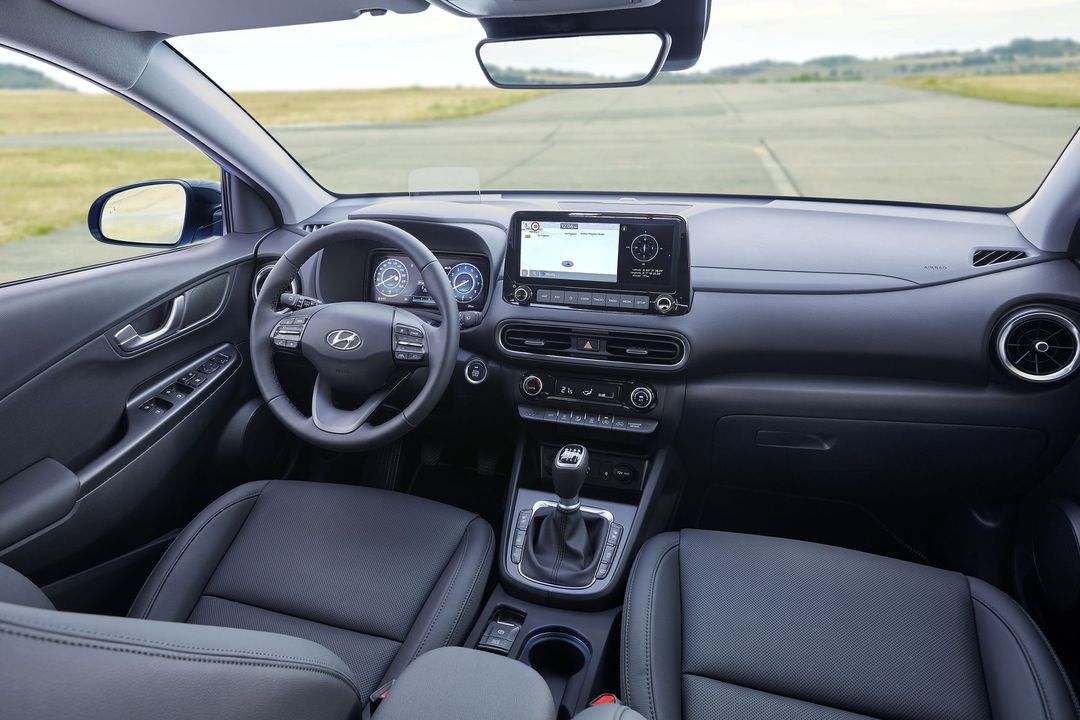
The dashboard pairs wide digital displays with proper shortcut keys and real knobs for climate, so it stays easy to use on bumpy roads. Graphics are crisp, responses are quick, and the menu structure is straightforward, reducing distraction when navigating or tweaking settings. Storage solutions are thoughtful, with a large shelf, deep door bins and a flexible center console area for bags or drinks. Material quality has stepped up, with robust assembly and soft-touch zones where hands fall most often. Some hard plastics remain in lower areas, but overall it feels cohesive and well judged for the class.

Big on Small-Footprint Space

Rear legroom and headroom are generous for a small SUV, so two adults or a pair of child seats fit comfortably on longer journeys. The boot holds 466 liters, among the segment’s largest, with a wide opening and low load lip that make weekly shops and strollers easy. Higher trims offer a 40:20:40 folding backrest, handy for loading skis or flat-pack furniture while still seating two. There is no sliding rear bench, so you cannot trade rear legroom for extra cargo like in some rivals. Kona Electric versions add a small front compartment useful for cables and cleaning kits.

Smooth Operator, Not a Thrill Seeker

Light steering and a tight turning circle of about 10.6 m make the Kona relaxed to maneuver in narrow streets and car parks. The suspension is calm and composed in everyday driving, especially on 17‑inch wheels that take the edge off sharp ridges. It stays secure and predictable on twisty roads but offers little in the way of playful feedback, even in N Line guise. At motorway pace it feels planted, though the Hybrid’s engine can sound busy when worked hard and some wind noise creeps in. Drivers chasing engagement will find more sparkle in a Ford Puma, while the Kona majors on ease and confidence.

Pick Your Power: Petrol, Hybrid or Electric

The lineup spans petrol engines from 115 to 180 hp with manual or dual‑clutch gearboxes, plus available all‑wheel drive on the top petrol, covering 0–100 km/h in roughly 8.1–11.9 seconds. The 141 hp full Hybrid (often quoted at 138 hp in some markets) pairs a petrol engine with an e‑motor and DCT, officially at about 4.6 l/100 km and typically delivering 5–6 l/100 km in mixed use. The Kona Electric comes with 49 or 65 kWh batteries and 135 or 204 hp, rated at 380–510 km WLTP; expect roughly 300–450 km depending on climate, speed and wheel size. WLTP energy use sits around 14.6–16.1 kWh/100 km, and independent testing has seen about 18.8 kWh/100 km including charging losses, which is efficient for a small SUV. Fast charging is solid rather than class‑leading, so regular long‑distance EV drivers should plan stops a bit more carefully.

Tech That Helps—Mostly

Big screens, clear mapping and physical shortcuts make the infotainment both modern and largely fuss‑free. Smartphone mirroring is widely available, but wireless Apple CarPlay/Android Auto can depend on trim and market, so checking the specific car is wise. Driver assistance features are comprehensive and work well overall, yet warning beeps and lane‑keeping interventions can feel overprotective in town. The good news is that camera coverage and parking aids are excellent, with options up to a 360‑degree view making tight spaces straightforward. Over‑the‑air updates and configurable drive aids keep the car feeling current without a workshop visit.

Everyday Costs & Calmness

Official fuel figures range from about 6–7 l/100 km for petrol models to 4.6 l/100 km for the Hybrid, with the latter staying notably frugal in stop‑start traffic. Tyre and wind noise are contained well in town and on smoother roads, while the EV is impressively quiet everywhere. On coarse motorway surfaces the Hybrid can sound busier under load, so a gentler pace keeps the cabin more relaxed. Insurance and servicing should be competitive, aided by Hyundai’s generous warranty in many European markets. Overall running costs favor the Hybrid for mixed commuting and the EV for those with home charging and predictable routes.

Buying Logic: Which Kona Fits You?

Urban commuters and small families will value the Kona’s easy manners, big boot, simple controls and efficient powertrains. The 115–150 hp petrol options suit low‑mileage drivers who want simplicity, while the Hybrid shines for city and suburban use with frequent traffic. The 204 hp Kona Electric with the larger battery is the quiet distance specialist, provided you have charging access and accept merely average DC speeds. Occasional adventurers can choose the 180 hp petrol with all‑wheel drive, though it trades some efficiency for traction and pace. Those seeking maximum driving fun should look elsewhere, but as a calm, roomy and modern small SUV, the Kona is a highly convincing everyday companion.

Costs and Consumption

Price
23,600 - 41,900 £
Consumption L/100km
4.6 - 7 L/100km
Consumption kWh/100km
14.6 - 16.1 kWh/100km
Electric Range
380 - 510 km
Battery Capacity
-
co2
0 - 163 g/km
Fuel tank capacity
-

Dimensions and Body

Body Type
SUV
Seats
5
Doors
-
Curb weight
1,370 - 1,773 kg
Trunk capacity
466 L
Length
-
Width
1,825 mm
Height
-
Max trunk capacity
-
Payload
420 - 490 kg

Engine and Performance

Engine Type
Petrol, Full Hybrid, Electric
Transmission
Manuel, Automatic
Transmission Detail
Manual Gearbox, Dual-Clutch Automatic, Reduction Gearbox
Drive Type
Front-Wheel Drive, All-Wheel Drive
Power HP
115 - 204 HP
Acceleration 0-100km/h
8.1 - 11.9 s
Max Speed
-
Torque
200 - 265 Nm
Number of Cylinders
3 - 4
Power kW
85 - 150 kW
Engine capacity
998 - 1,598 cm3

General

Model Year
2025
CO2 Efficiency Class
D, C, E, F, A
Brand
Hyundai
Is the Hyundai Kona offered with different drivetrains?

Available configurations include Front-Wheel Drive or All-Wheel Drive.

DriveDuel uses data analysis and artificial intelligence to evaluate vehicle data and create content. Content is regularly reviewed and improved. The displayed prices are estimates based on German list prices, adjusted to the respective country’s VAT. Country-specific registration taxes are not included. This information is not legally binding.