Hyundai Kona alternatives & comparisons

Here you can find alternatives to the Hyundai Kona, based on existing comparison pages and popular model matchups. We currently show 6 suitable models as a starting point for your buying decision.

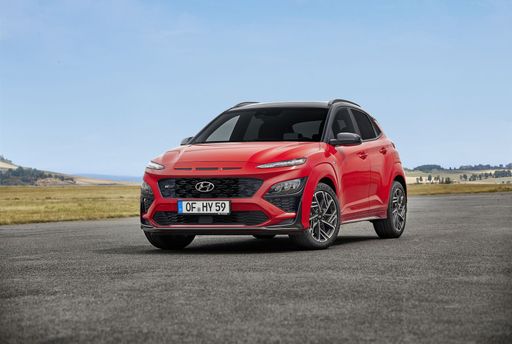
The Hyundai Kona wears its personality on the outside with bold styling and sprightly handling that turns city driving into something a little more fun than a commute. It blends practical space, modern tech and sensible running costs into a compact, stylish package — a smart pick if you want flair without paying luxury prices.

Hyundai Kona

Alternative models

These models are frequently compared with the Hyundai Kona and are good next research steps.

from £23,700
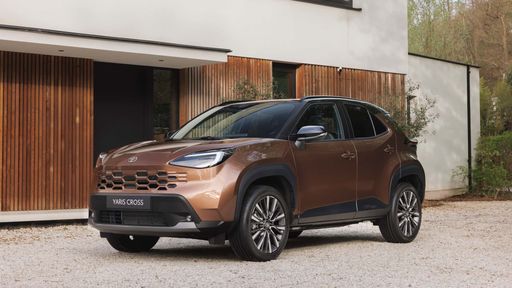
Yaris Cross

Toyota Yaris Cross

  • Engine Type : Full Hybrid
  • Transmission : Automatic
  • Drive Type : Front-Wheel Drive, All-Wheel Drive
  • Power HP : 116 - 130 HP
  • Consumption L/100km : 4.5 - 4.8 L/100km

Toyota Yaris Cross as a suitable alternative to Hyundai Kona

The Hyundai Kona serves up sharper handling, eye-catching design and punchier tech for drivers who want a bit of fun with their commute, while the Toyota Yaris Cross favours sensible virtues — class-leading hybrid economy, solid build and a more practical cabin for real-world family life. If you want character and driving fizz, pick the Kona; if low running costs and unshakable dependability top your list, the Yaris Cross is the clever, unflashy winner.

The Toyota Yaris Cross takes the jaunty personality of the Yaris and gives it a taller stance and a bit more practicality, so you get city-friendly agility with added SUV presence. It’s easy to live with, economical on the daily grind, and smartly packaged — a sensible pick for buyers who want fuss-free transport with a touch of character.

Quick data check: Toyota Yaris Cross

  • only slightly cheaper
  • considerably more power
  • visibly quicker 0–100 km/h
  • somewhat more trunk space
  • barely more efficient
  • a bit lighter
from £30,800
EV3

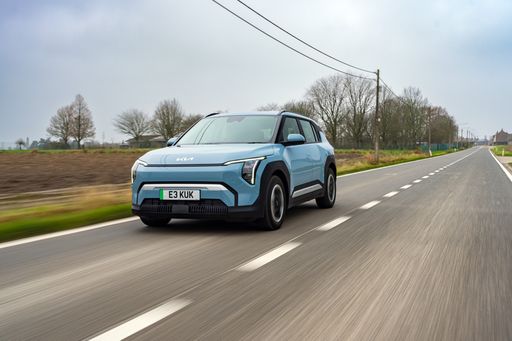
Kia EV3

  • Engine Type : Electric
  • Transmission : Automatic
  • Drive Type : Front-Wheel Drive
  • Power HP : 204 HP
  • Consumption kWh/100km : 14.9 - 16.2 kWh/100km
  • Electric Range : 436 - 605 km

Kia EV3 as a suitable alternative to Hyundai Kona

The Hyundai Kona and the Kia EV3 go head-to-head in the compact electric crossover ring, pitting Kona’s tried-and-tested practicality against the EV3’s fresh-faced ambition. Which wins your driveway comes down to whether you want proven comfort and range or a cheeky new contender with surprising tricks up its sleeve.

The Kia EV3 arrives as a cheeky, practical electric compact that manages to feel both premium and playful, delivering crisp handling and a roomy cabin that's perfect for urban life. With smart tech, friendly styling and sensible pricing, the EV3 is the kind of car that makes switching to electric feel like a no-brainer without asking you to give anything important up.

Quick data check: Kia EV3

  • noticeably cheaper
  • barely more power
  • only slightly more efficient
  • clearly lighter
  • only slightly more trunk space
  • moderately more electric range
  • marginally quicker 0–100 km/h
from £20,100
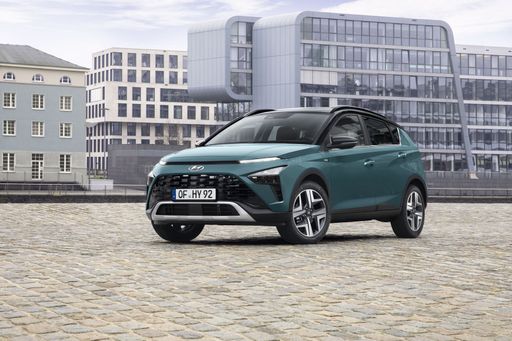
Bayon

Hyundai Bayon

  • Engine Type : Petrol
  • Transmission : Manuel, Automatic
  • Drive Type : Front-Wheel Drive
  • Power HP : 90 HP
  • Consumption L/100km : 5.8 L/100km

Hyundai Bayon as a suitable alternative to Hyundai Kona

The Hyundai Bayon is the bargain city-slicker — a compact, sensible B‑SUV that maximizes practicality and running costs for urban buyers, while the Hyundai Kona steps up with sharper styling, punchier engines (and even AWD and electrified options) for drivers who want a bit more sparkle and capability. Choose the Bayon if you want fuss-free economy and a deceptively roomy boot; pick the Kona if you crave extra tech, sharper handling and versatility and don’t mind paying a little extra for it.

The Hyundai Bayon slips neatly between city runabout and small SUV, offering surprising practicality and a fresh, confident design that stands out in urban traffic. It's an easy buy for shoppers who want smart packaging, tidy handling and a dash of personality without fuss — a sensible little crossover that makes everyday driving a bit more enjoyable.

Quick data check: Hyundai Bayon

  • clearly more power
  • markedly more efficient
  • substantially quicker 0–100 km/h
  • somewhat more trunk space
  • slightly cheaper
  • a bit lighter
from £30,200
Sportage

Kia Sportage

  • Engine Type : Petrol, Full Hybrid, Diesel MHEV, Plugin Hybrid
  • Transmission : Manuel, Automatic
  • Drive Type : Front-Wheel Drive, All-Wheel Drive
  • Power HP : 136 - 288 HP
  • Consumption L/100km : 2.9 - 7.8 L/100km
  • Electric Range : 63 - 66 km

Kia Sportage as a suitable alternative to Hyundai Kona

The Hyundai Kona and Kia Sportage go head-to-head in the compact-SUV ring — the Kona is cheeky, city-savvy and punchy, while the Sportage leans into grown-up comfort and family-friendly practicality. We’ll break down which one gives you sharper driving thrills, better everyday usability and the smartest bang-for-buck so you can pick the right crossover without buyer’s remorse.

The Kia Sportage proves you don't have to choose between style and sensible family motoring, wrapping modern, confident looks around a roomy, well-equipped cabin. It's an easy car to live with — comfortable on daily runs, pleasantly engaging when you want a bit of fun, and kind to your wallet so you can keep smiling at the fuel pump.

Quick data check: Kia Sportage

  • clearly cheaper
  • clearly more electric range
  • a bit lighter
  • visibly more power
  • substantially more efficient
  • very slightly quicker 0–100 km/h
  • visibly more trunk space
from £29,600
Qashqai

Nissan Qashqai

  • Engine Type : Petrol MHEV, Full Hybrid
  • Transmission : Manuel, Automatic
  • Drive Type : Front-Wheel Drive, All-Wheel Drive
  • Power HP : 140 - 205 HP
  • Consumption L/100km : 4.5 - 6.8 L/100km

Nissan Qashqai as a suitable alternative to Hyundai Kona

Welcome to DriveDuel’s compact-SUV throwdown: the cheeky, city-savvy Hyundai Kona goes head-to-head with the sensible, grown-up Nissan Qashqai to see which one should park in your life. Expect feisty styling and nimble urban manners from the Kona, measured space and comfort from the Qashqai — we’ll sort which suits your commute, weekend escapes, and wallet with a wink.

The Nissan Qashqai blends practical, family-friendly packaging with SUV styling that refuses to shout, making it a sensible and dependable choice for everyday life. It’s comfortable to live with, economical on the road, and neatly equipped enough to feel modern without ever feeling precious — perfect if you want crossover versatility without the drama.

Quick data check: Nissan Qashqai

  • visibly cheaper
  • only slightly more power
  • very slightly lighter
  • barely more efficient
  • barely quicker 0–100 km/h
  • marginally more trunk space
from £28,600
ID.3

VW ID.3

  • Engine Type : Electric
  • Transmission : Automatic
  • Drive Type : Rear-Wheel Drive
  • Power HP : 170 - 326 HP
  • Consumption kWh/100km : 14.5 - 15.8 kWh/100km
  • Electric Range : 383 - 605 km

VW ID.3 as a suitable alternative to Hyundai Kona

In the electrified showdown between the Hyundai Kona Electric and the Volkswagen ID.3, both cars bring distinct advantages to the table. The Kona Electric shines with its impressive range and affordability, making it an appealing choice for budget-conscious consumers seeking long-distance capabilities. On the other hand, the VW ID.3 offers a more premium feel and an innovative design, potentially appealing to those who prioritize aesthetics and cutting-edge technology in their eco-friendly ride.

The VW ID.3 is a crisply styled electric hatch that masks serious practicality behind a friendly, modern face, making city runs and longer trips pleasantly fuss free. For buyers seeking a sensible, well-equipped EV that doesn't take itself too seriously, the ID.3 strikes a neat balance of comfort, tech and everyday usability with a cheeky smile.

Quick data check: VW ID.3

  • markedly cheaper
  • markedly lighter
  • somewhat more trunk space
  • markedly more power
  • barely more efficient
  • slightly more electric range
  • clearly quicker 0–100 km/h
DriveDuel uses data analysis and artificial intelligence to evaluate vehicle data and create content. Content is regularly reviewed and improved. The displayed prices are estimates based on German list prices, adjusted to the respective country’s VAT. Country-specific registration taxes are not included. This information is not legally binding.