
 Deutschland
 France
 Nederland
 Great Britain
 Sverige
 Danmark
 Suomi
Suomi Italia
 Polska
 Česko
Česko España
VS
BYD Seal vs NIO ET5 Wagon comparison
Compare performance (530 HP vs 490 HP), boot space and price (41,100 £ vs 40,700 £ ) at a glance. Find out which car is the better choice for you – BYD Seal or NIO ET5 Wagon?
BYD Seal vs NIO ET5 Wagon: Key differences
All details on performance, efficiency, range and trunk space can be found in the technical comparison below – including user reviews for both models.
Seal
Costs and Efficiency:
When it comes to price and running costs, the biggest differences usually appear. This is often where you see which car fits your budget better in the long run.
NIO ET5 Wagon is very slightly cheaper – starting at 40,700 £ , while the BYD Seal costs 41,100 £ . That’s a price difference of around 420 £.
In terms of energy consumption, the BYD Seal is noticeably more efficient: consuming 15.4 kWh/100km compared to 19.3 kWh/100km for the NIO ET5 Wagon. That’s a difference of about 3.9 kWh/100km.
As for electric range, the BYD Seal offers barely more range – reaching up to 570 km, about 10 km more than the NIO ET5 Wagon.
ET5 Wagon
Engine and Performance:
Power, torque and acceleration say a lot about how a car feels on the road. This is where you see which model delivers more driving dynamics.
When it comes to engine power, the BYD Seal offers marginally more power – delivering 530 HP compared to 490 HP. That’s roughly 40 HP more horsepower.
When accelerating from 0 to 100 km/h, the BYD Seal is barely quicker – completing the sprint in 3.8 s, while the NIO ET5 Wagon takes 4 s. That’s about 0.2 s quicker.
There’s also a difference in torque: the NIO ET5 Wagon delivers very slightly more torque with 700 Nm compared to 670 Nm. That’s about 30 Nm more.
Seal
Space and Everyday Use:
Beyond pure performance, interior space and usability matter most in daily life. This is where you see which car is more practical and versatile.
Both vehicles offer seating for 5 people.
In terms of curb weight, BYD Seal is slightly lighter – 1,907 kg compared to 2,265 kg. The difference is around 358 kg.
When it comes to payload, the BYD Seal carries very slightly more – 473 kg compared to 465 kg. That’s a difference of about 8 kg.
Who wins the race in the data check?
The BYD Seal stands well ahead of its rival in the objective data comparison.
This result only shows which model scores more points on paper – not which of the two cars feels right for you.
from £41,100
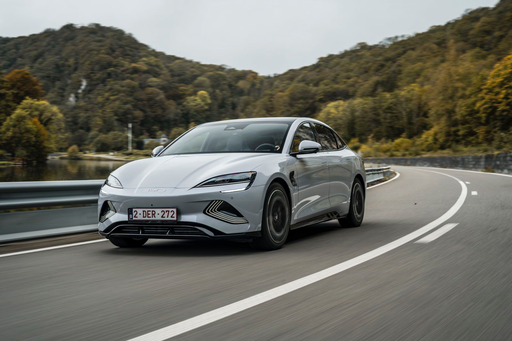
BYD Seal
BYD Seal
NIO ET5 Wagon
Costs and Consumption
View detailed analysis
View detailed analysis
Engine and Performance
View detailed analysis
View detailed analysis
Dimensions and Body
View detailed analysis
View detailed analysis
BYD Seal
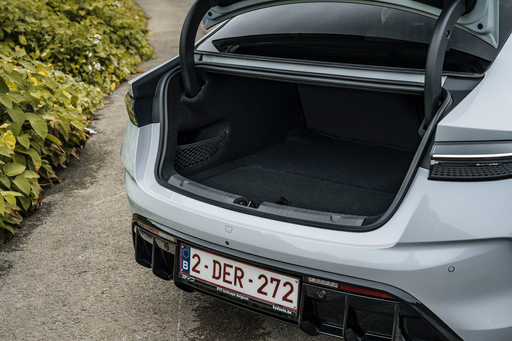
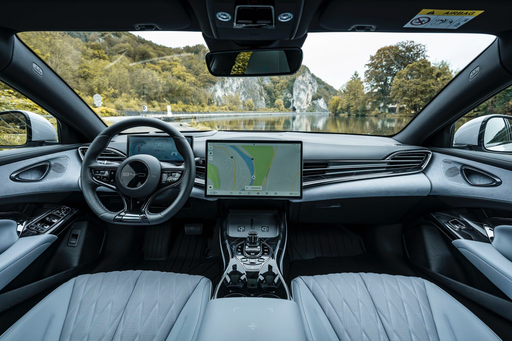
The BYD Seal is a sleek, fastback-style electric sedan that blends sporty design with a comfortable, tech-forward cabin. It delivers an engaging driving feel, impressive real-world range and strong value, making it a compelling choice for buyers who want a modern EV sedan.
details


NIO ET5 Wagon
The NIO ET5 Wagon blends sleek fastback styling with the sensible practicality of a wagon, delivering a premium-feeling cabin and clever cargo space that keeps life neatly packed. For buyers who want electric refinement without sacrificing family-hauler utility, the ET5 Wagon offers quiet, eager performance and smart packaging that makes weekend escapes and daily commutes equally enjoyable — yes, even with the dog and the golf clubs.
details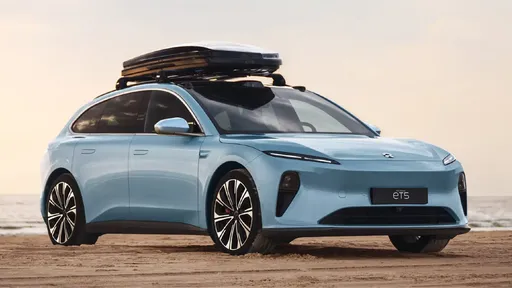
BYD Seal
NIO ET5 Wagon
Costs and Consumption |
|
|---|---|
|
Price
41,100 - 46,300 £
|
Price
40,700 - 58,700 £
|
|
Consumption L/100km
-
|
Consumption L/100km
-
|
|
Consumption kWh/100km
15.4 - 18.2 kWh/100km
|
Consumption kWh/100km
19.3 - 19.8 kWh/100km
|
|
Electric Range
460 - 570 km
|
Electric Range
435 - 560 km
|
|
Battery Capacity
-
|
Battery Capacity
73.5 - 90 kWh
|
|
co2
0 g/km
|
co2
0 g/km
|
|
Fuel tank capacity
-
|
Fuel tank capacity
-
|
Dimensions and Body |
|
|---|---|
|
Body Type
Sedan
|
Body Type
Estate
|
|
Seats
5
|
Seats
5
|
|
Doors
-
|
Doors
5
|
|
Curb weight
1,907 - 2,185 kg
|
Curb weight
2,265 - 2,285 kg
|
|
Trunk capacity
-
|
Trunk capacity
450 L
|
|
Length
-
|
Length
4,790 mm
|
|
Width
1,875 mm
|
Width
1,960 mm
|
|
Height
-
|
Height
1,499 mm
|
|
Max trunk capacity
-
|
Max trunk capacity
1,300 L
|
|
Payload
446 - 473 kg
|
Payload
445 - 465 kg
|
Engine and Performance |
|
|---|---|
|
Engine Type
Electric
|
Engine Type
Electric
|
|
Transmission
Automatic
|
Transmission
Automatic
|
|
Transmission Detail
Reduction Gearbox
|
Transmission Detail
Reduction Gearbox
|
|
Drive Type
Rear-Wheel Drive, All-Wheel Drive
|
Drive Type
All-Wheel Drive
|
|
Power HP
231 - 530 HP
|
Power HP
490 HP
|
|
Acceleration 0-100km/h
3.8 - 7.5 s
|
Acceleration 0-100km/h
4 s
|
|
Max Speed
-
|
Max Speed
200 km/h
|
|
Torque
360 - 670 Nm
|
Torque
700 Nm
|
|
Number of Cylinders
-
|
Number of Cylinders
-
|
|
Power kW
170 - 390 kW
|
Power kW
360 kW
|
|
Engine capacity
-
|
Engine capacity
-
|
General |
|
|---|---|
|
Model Year
2026
|
Model Year
2023
|
|
CO2 Efficiency Class
A
|
CO2 Efficiency Class
A
|
|
Brand
BYD
|
Brand
NIO
|
DriveDuel uses data analysis and artificial intelligence to evaluate vehicle data and create content. Content is regularly reviewed and improved.
The displayed prices are estimates based on German list prices, adjusted to the respective country’s VAT. Country-specific registration taxes are not included. This information is not legally binding.