VS

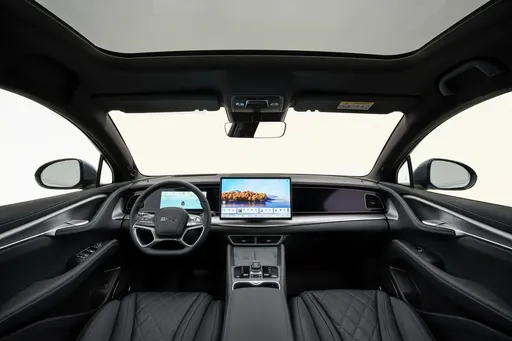
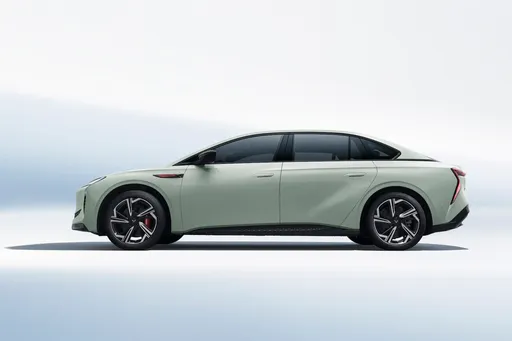
BYD Sealion 7 vs Hongqi EH7 comparison

Compare performance (530 HP vs 343 HP), boot space and price (42,800 £ vs 49,700 £ ) at a glance. Find out which car is the better choice for you – BYD Sealion 7 or Hongqi EH7?

BYD Sealion 7 vs Hongqi EH7: Key differences

BYD Sealion 7

4.8 (5 Reviews)
rate
  • moderately cheaper
  • visibly more power
  • markedly quicker 0–100 km/h
  • clearly more trunk space
details

Hongqi EH7

  • slightly more efficient
  • noticeably more electric range
details

All details on performance, efficiency, range and trunk space can be found in the technical comparison below – including user reviews for both models.

By Achim Sedelmaier

Sealion 7

The automotive landscape is rapidly evolving, and with it comes an array of electric vehicles catering to diverse consumer needs. Two noteworthy contenders in the electric vehicle segment are the BYD Sealion 7 and the Hongqi EH7. Each model boasts unique technical specifications and innovations that appeal to different types of drivers. In this article, we will delve into a detailed comparison between these two vehicles, analyzing their features, performance, and design.
EH7

Design and Dimensions

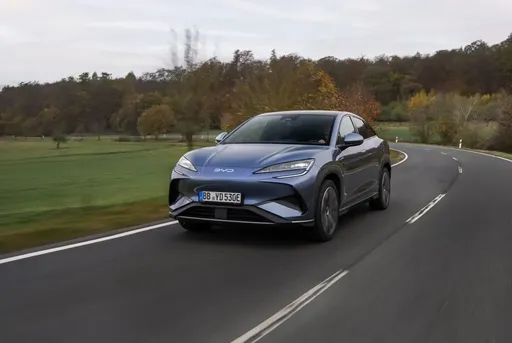
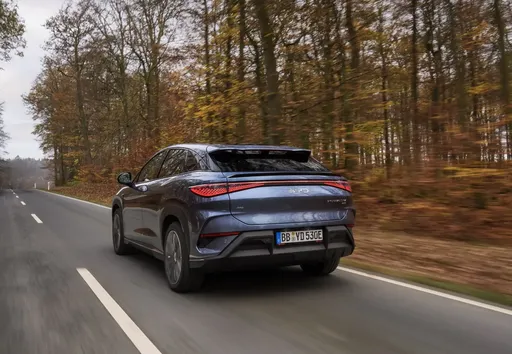
First impressions matter, and both the BYD Sealion 7 and the Hongqi EH7 present striking aesthetics. The Sealion 7, an SUV, measures 4830 mm in length, 1925 mm in width, and stands 1620 mm tall. In contrast, the EH7 sedan is slightly longer, with dimensions of 4980 mm in length, 1915 mm in width, and a lower height of 1490 mm. The height difference contributes to the EH7's sleek sedan profile, offering a sportier appeal compared to the robust presence of the Sealion 7.

Sealion 7

Powertrain and Performance

Under the hood, both vehicles embrace electric powertrains, aligning with the industry's shift toward sustainable mobility. The BYD Sealion 7 offers two variants with power outputs of 313 HP and 530 HP, respectively. Its torque varies between 380 Nm and an impressive 690 Nm, depending on the variant. The Sealion 7 can accelerate from 0 to 100 km/h in as little as 4.5 seconds, showcasing remarkable performance for an SUV.

On the other hand, the Hongqi EH7 delivers a respectable 344 HP with a torque of 0 Nm, achieving 0 to 100 km/h in just 5.8 seconds. While it lags behind the Sealion 7 in raw power, its performance is still commendable for a luxury sedan aiming at elegance rather than extreme sportiness.

Driving Dynamics and Handling

The BYD Sealion 7 is available in both rear-wheel drive and all-wheel drive configurations, providing users with options depending on their driving preferences and environmental conditions. With a maximum speed of 215 km/h, the Sealion 7 is designed for not just comfort but also spirited driving.

Conversely, the Hongqi EH7 remains a rear-wheel drive model, emphasizing a smooth and stable ride. It may not be as fast as the Sealion in terms of top speed, but it captures the essence of luxury sedans, making it an appealing choice for those prioritizing a plush driving experience over raw power.

Range and Efficiency

Range is a critical consideration for electric vehicle buyers. The BYD Sealion 7 offers impressive electric ranges of 482 km to 502 km, depending on the variant. Its efficiency is noteworthy, with energy consumption figures between 19.9 kWh/100 km and 21.9 kWh/100 km.

In comparison, while specific range data for the EH7 is not available, its electric efficiency indicated by the CO2 efficiency rating of ‘A’ suggests it will also be competitive in the electric range arena. However, as a sedan, it typically would offer slightly less range than an SUV of similar specs.

Interior Space and Comfort

Both vehicles seat five passengers, but their interior designs cater to different expectations. The BYD Sealion 7 features a spacious cabin with a trunk capacity of 520 liters, providing substantial storage space for family outings or road trips. In contrast, the Hongqi EH7 lacks a traditional trunk space designation, aligning more with luxury sedan conventions where rear seating comfort often takes precedence over cargo space.

Conclusion: Choosing the Right Vehicle for You

The choice between the BYD Sealion 7 and the Hongqi EH7 boils down to individual needs and preferences. The Sealion 7 is perfect for those seeking a powerful SUV with ample space and impressive performance metrics. In contrast, the Hongqi EH7 serves as a luxurious sedan, focusing on comfort and elegance rather than sheer power.

As electric mobility continues to redefine our driving experience, both models represent a glimpse into the future of transportation, blending cutting-edge technology with practical usability. Each offers something unique, making the decision ultimately personal.

Here’s where it gets real: The technical differences in detail

Sealion 7

Costs and Efficiency:

Price and efficiency are key factors when choosing a car – and this is often where the real differences emerge.

BYD Sealion 7 is moderately cheaper – starting at 42,800 £ , while the Hongqi EH7 costs 49,700 £ . That’s a price difference of around 6,862 £.

In terms of energy consumption, the Hongqi EH7 is slightly more efficient: consuming 16.7 kWh/100km compared to 19.9 kWh/100km for the BYD Sealion 7. That’s a difference of about 3.2 kWh/100km.

As for electric range, the Hongqi EH7 offers noticeably more range – reaching up to 655 km, about 153 km more than the BYD Sealion 7.

EH7

Engine and Performance:

Power, torque and acceleration say a lot about how a car feels on the road. This is where you see which model delivers more driving dynamics.

When it comes to engine power, the BYD Sealion 7 offers visibly more power – delivering 530 HP compared to 343 HP. That’s roughly 187 HP more horsepower.

When accelerating from 0 to 100 km/h, the BYD Sealion 7 is markedly quicker – completing the sprint in 4.5 s, while the Hongqi EH7 takes 5.8 s. That’s about 1.3 s quicker.

There’s also a difference in torque: the BYD Sealion 7 delivers markedly more torque with 690 Nm compared to 450 Nm. That’s about 240 Nm more.

Sealion 7

Space and Everyday Use:

Whether family car or daily driver – which one offers more room, flexibility and comfort?

Both vehicles offer seating for 5 people.

Looking at boot space, the BYD Sealion 7 offers clearly more boot space – 520 L compared to 0 L. That’s a difference of about 520 L.

Who wins the race in the data check?

The BYD Sealion 7 is far ahead overall in the objective data comparison.
This result only shows which model scores more points on paper – not which of the two cars feels right for you.

from £42,800
Sealion 7

BYD Sealion 7

  • Engine Type Electric
  • Transmission Automatic
  • Drive Type Rear-Wheel Drive, All-Wheel Drive
  • Power HP 313 - 530 HP
  • Consumption kWh/100km 19.9 - 21.9 kWh/100km
  • Electric Range 456 - 502 km
BYD Sealion 7
Hongqi EH7

Costs and Consumption

View detailed analysis

Engine and Performance

View detailed analysis

Dimensions and Body

View detailed analysis

BYD Sealion 7

The BYD Sealion 7 is a sleek electric wagon that blends sporty styling with surprising practicality, making it a compelling choice for drivers who want something different from the usual hatchback or SUV. Its refined interior and composed road manners give it an upscale feel, while clever packaging keeps it versatile for daily use.

details

Hongqi EH7

The EH7 stands out in the automotive landscape with its striking design and innovative features, captivating enthusiasts and casual drivers alike. With a focus on comfort and performance, this model delivers a smooth and engaging driving experience that makes every journey memorable. Its blend of style and practicality positions the EH7 as a formidable contender in its category, appealing to those who seek both aesthetics and functionality in their vehicles.

details
BYD Sealion 7
Hongqi EH7

Costs and Consumption

Price
42,800 - 52,300 £
Price
49,700 £
Consumption L/100km
-
Consumption L/100km
-
Consumption kWh/100km
19.9 - 21.9 kWh/100km
Consumption kWh/100km
16.7 kWh/100km
Electric Range
456 - 502 km
Electric Range
655 km
Battery Capacity
-
Battery Capacity
-
co2
0 g/km
co2
0 g/km
Fuel tank capacity
-
Fuel tank capacity
-

Dimensions and Body

Body Type
SUV
Body Type
Sedan
Seats
5
Seats
5
Doors
-
Doors
-
Curb weight
2,225 - 2,435 kg
Curb weight
-
Trunk capacity
520 L
Trunk capacity
0 L
Length
-
Length
-
Width
1,925 mm
Width
1,915 mm
Height
-
Height
-
Max trunk capacity
-
Max trunk capacity
-
Payload
410 kg
Payload
-

Engine and Performance

Engine Type
Electric
Engine Type
Electric
Transmission
Automatic
Transmission
Automatic
Transmission Detail
Reduction Gearbox
Transmission Detail
Reduction Gearbox
Drive Type
Rear-Wheel Drive, All-Wheel Drive
Drive Type
Rear-Wheel Drive
Power HP
313 - 530 HP
Power HP
343 HP
Acceleration 0-100km/h
4.5 - 6.7 s
Acceleration 0-100km/h
5.8 s
Max Speed
-
Max Speed
-
Torque
380 - 690 Nm
Torque
450 Nm
Number of Cylinders
-
Number of Cylinders
-
Power kW
230 - 390 kW
Power kW
253 kW
Engine capacity
-
Engine capacity
-

General

Model Year
2024
Model Year
2024
CO2 Efficiency Class
A
CO2 Efficiency Class
A
Brand
BYD
Brand
Hongqi
DriveDuel uses data analysis and artificial intelligence to evaluate vehicle data and create content. Content is regularly reviewed and improved. The displayed prices are estimates based on German list prices, adjusted to the respective country’s VAT. Country-specific registration taxes are not included. This information is not legally binding.