VS

BYD Sealion 7 vs smart #5 comparison

Compare performance (530 HP vs 646 HP), boot space and price (42,800 £ vs 39,300 £ ) at a glance. Find out which car is the better choice for you – BYD Sealion 7 or smart #5?

BYD Sealion 7 vs smart #5: Key differences

BYD Sealion 7

5 (2 Reviews)
rate

smart #5

4.9 (5 Reviews)
rate
  • very slightly cheaper
  • slightly more power
  • barely more efficient
  • moderately more electric range
  • moderately quicker 0–100 km/h
  • marginally lighter
  • a bit more trunk space

All details on performance, efficiency, range and trunk space can be found in the technical comparison below – including user reviews for both models.

Sealion 7

Electrifying Battle: BYD Sealion 7 vs. Smart #5

The automotive world is abuzz with excitement as two electric SUVs, the BYD Sealion 7 and the Smart #5, enter the arena, each vying for the crown of supremacy in the realm of high-tech, eco-friendly cars. Both models encapsulate futuristic design coupled with cutting-edge innovations, but they cater to slightly different preferences within the electric vehicle spectrum. Let's dive deep into their technical features and discover what sets them apart.
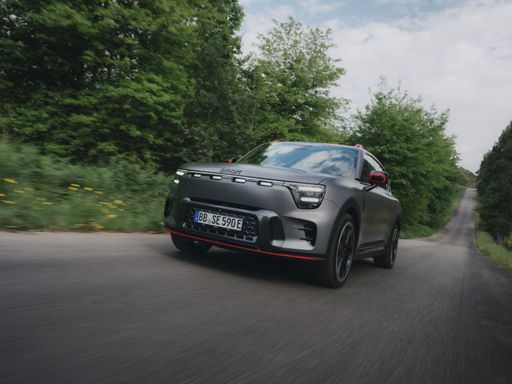
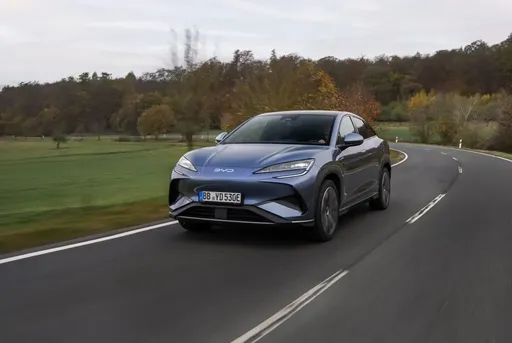
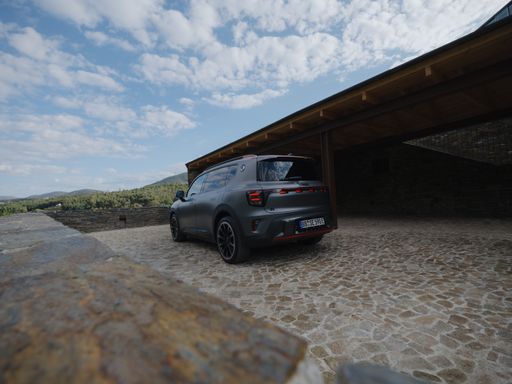
#5

Design and Dimensions: City Slicker vs. Rugged Roadster

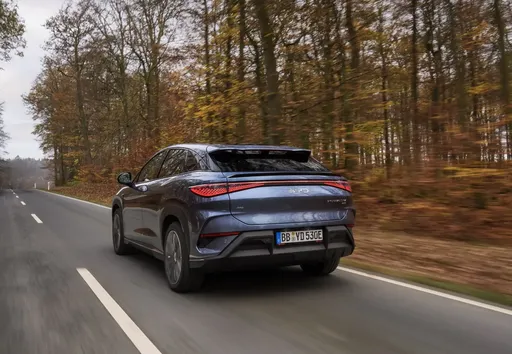
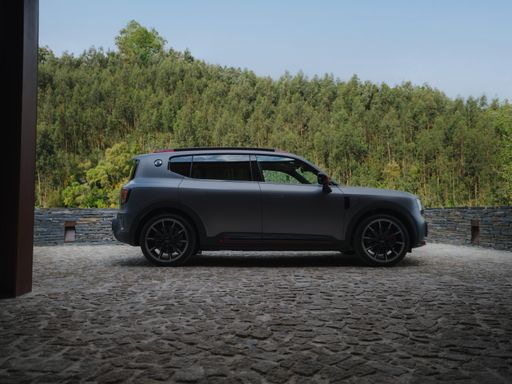
The BYD Sealion 7 exudes a sleek presence. It measures 4830 mm in length, 1925 mm in width, and 1620 mm in height, encompassing a more traditional SUV form factor that supports its robust look. In contrast, the Smart #5 is a city-friendly marvel, boasting a slightly shorter length of 4695 mm, but a taller stature at 1705 mm, emphasizing urban maneuverability with a hint of rugged appeal.

Sealion 7

Power and Performance: Electrifying Acceleration

When it comes to performance, both models offer unique power dynamics tailored to different needs. The Sealion 7 from BYD offers two options — the potent 313 HP and the exhilarating 530 HP for those who crave a powerful drive. It can accelerate from 0 to 100 km/h in just 4.5 seconds when equipped with its most powerful configuration, showcasing its quick responsiveness.

On the other hand, the Smart #5 pushes the envelope with a range of power outputs, peaking at an impressive 646 HP, allowing for a blistering acceleration from 0 to 100 km/h in just 3.8 seconds. Clearly, Smart's offering caters to performance enthusiasts with its higher horsepower and torque, ideal for speed aficionados.

#5

Range and Efficiency: Long Runners

Efficiency and range remain critical for electric vehicles, with both rivals delivering commendable metrics. The Sealion 7 showcases a range of up to 502 km, with energy consumption between 19.9 and 21.9 kWh/100km, ensuring fewer stops and more uninterrupted journeys.

Meanwhile, the Smart #5 impresses with a maximum range of 590 km on certain variants, thanks to its sizable battery capacity of up to 94 kWh. For the eco-conscious driver demanding utmost efficiency and range, the Smart #5 stands as a formidable option.

Sealion 7

Interior and Cargo: Space for All Adventures

Both SUVs are designed to comfortably seat five passengers, making them perfect for both families and group adventures. In terms of cargo, the Smart #5 offers a slightly roomier trunk capacity at 630 liters, ahead of the Sealion's 520 liters, catering to those who could use the extra space for gear or shopping hauls.

Additionally, the smart offers more flexibility with its five-door configuration, compared to the four-door setup of the Sealion 7, potentially providing easier access and a touch more utility for urban drivers.

#5

Conclusion: Choosing the Right Electric Experience

Ultimately, the choice between the BYD Sealion 7 and the Smart #5 will come down to personal preference: those seeking a blend of power and traditional SUV presence might lean towards the Sealion 7, whereas performance enthusiasts and urban drivers might be more inclined to opt for the dynamic and versatile Smart #5.

Regardless of your choice, both vehicles represent the exciting frontier of electric mobility, bringing high performance and thoughtful design to eco-conscious drivers worldwide. As the automotive landscape continues to evolve, vehicles like the Sealion 7 and #5 showcase what's possible when tradition meets innovation in the world of electric driving.

Here’s where it gets real: The technical differences in detail

Sealion 7

Costs and Efficiency:

Looking at overall running costs, both models reveal some interesting differences in everyday economy.

smart #5 is very slightly cheaper – starting at 39,300 £ , while the BYD Sealion 7 costs 42,800 £ . That’s a price difference of around 3,506 £.

In terms of energy consumption, the smart #5 is barely more efficient: consuming 18.4 kWh/100km compared to 19.9 kWh/100km for the BYD Sealion 7. That’s a difference of about 1.5 kWh/100km.

As for electric range, the smart #5 offers moderately more range – reaching up to 590 km, about 88 km more than the BYD Sealion 7.

#5

Engine and Performance:

Under the bonnet, it becomes clear which model is tuned for sportiness and which one takes the lead when you hit the accelerator.

When it comes to engine power, the smart #5 offers slightly more power – delivering 646 HP compared to 530 HP. That’s roughly 116 HP more horsepower.

When accelerating from 0 to 100 km/h, the smart #5 is moderately quicker – completing the sprint in 3.8 s, while the BYD Sealion 7 takes 4.5 s. That’s about 0.7 s quicker.

There’s also a difference in torque: the smart #5 delivers very slightly more torque with 710 Nm compared to 690 Nm. That’s about 20 Nm more.

Sealion 7

Space and Everyday Use:

Cabin size, boot volume and payload all play a role in everyday practicality. Here, comfort and flexibility make the difference.

Both vehicles offer seating for 5 people.

In terms of curb weight, smart #5 is marginally lighter – 2,200 kg compared to 2,225 kg. The difference is around 25 kg.

Looking at boot space, the smart #5 offers a bit more boot space – 630 L compared to 520 L. That’s a difference of about 110 L.

When it comes to payload, the smart #5 carries somewhat more – 502 kg compared to 410 kg. That’s a difference of about 92 kg.

Who wins the race in the data check?

The smart #5 is decisively ahead in the objective data comparison.
This result only shows which model scores more points on paper – not which of the two cars feels right for you.

from £39,300
#5

smart #5

  • Engine Type : Electric
  • Transmission : Automatic
  • Drive Type : Rear-Wheel Drive, All-Wheel Drive
  • Power HP : 340 - 646 HP
  • Consumption kWh/100km : 18.4 - 19.9 kWh/100km
  • Electric Range : 465 - 590 km
BYD Sealion 7
smart #5

Costs and Consumption

View detailed analysis

Engine and Performance

View detailed analysis

Dimensions and Body

View detailed analysis

BYD Sealion 7

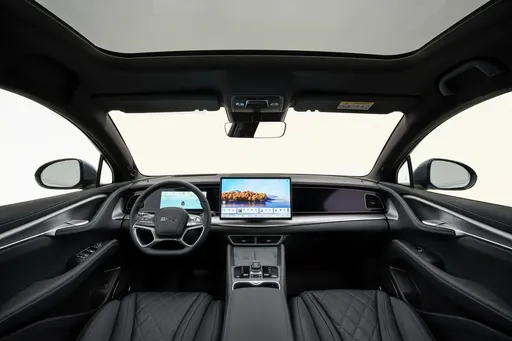
The Sealion 7 captivates with its striking design and impressive performance that appeals to both enthusiasts and casual drivers alike. With a focus on comfort and advanced technology, this model redefines the driving experience, making every journey enjoyable. Its sleek silhouette coupled with an innovative interior showcases the perfect blend of style and functionality.

details

smart #5

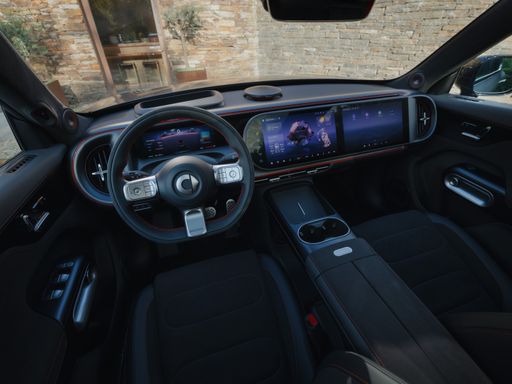
The Smart #5 continues to build on the brand's legacy of compact and efficient urban vehicles, now infused with a more modern and stylish design. Its sleek appearance is complemented by a spacious interior, offering comfort without compromising its compact nature. This model is ideal for city dwellers seeking a blend of innovation, practicality, and style in their daily drives.

details
BYD Sealion 7
smart #5

Costs and Consumption

Price
42,800 - 52,300 £
Price
39,300 - 52,200 £
Consumption L/100km
-
Consumption L/100km
-
Consumption kWh/100km
19.9 - 21.9 kWh/100km
Consumption kWh/100km
18.4 - 19.9 kWh/100km
Electric Range
456 - 502 km
Electric Range
465 - 590 km
Battery Capacity
-
Battery Capacity
74.4 - 94 kWh
co2
0 g/km
co2
0 g/km
Fuel tank capacity
-
Fuel tank capacity
-

Dimensions and Body

Body Type
SUV
Body Type
SUV
Seats
5
Seats
5
Doors
-
Doors
5
Curb weight
2,225 - 2,435 kg
Curb weight
2,200 - 2,378 kg
Trunk capacity
520 L
Trunk capacity
630 L
Length
-
Length
4,695 mm
Width
1,925 mm
Width
1,920 mm
Height
-
Height
1,705 mm
Max trunk capacity
-
Max trunk capacity
1,530 L
Payload
410 kg
Payload
475 - 502 kg

Engine and Performance

Engine Type
Electric
Engine Type
Electric
Transmission
Automatic
Transmission
Automatic
Transmission Detail
Reduction Gearbox
Transmission Detail
Reduction Gearbox
Drive Type
Rear-Wheel Drive, All-Wheel Drive
Drive Type
Rear-Wheel Drive, All-Wheel Drive
Power HP
313 - 530 HP
Power HP
340 - 646 HP
Acceleration 0-100km/h
4.5 - 6.7 s
Acceleration 0-100km/h
3.8 - 6.9 s
Max Speed
-
Max Speed
200 - 210 km/h
Torque
380 - 690 Nm
Torque
373 - 710 Nm
Number of Cylinders
-
Number of Cylinders
-
Power kW
230 - 390 kW
Power kW
250 - 475 kW
Engine capacity
-
Engine capacity
-

General

Model Year
2,024
Model Year
2,025
CO2 Efficiency Class
A
CO2 Efficiency Class
A
Brand
BYD
Brand
smart
DriveDuel uses data analysis and artificial intelligence to evaluate vehicle data and create content. Content is regularly reviewed and improved. The displayed prices are estimates based on German list prices, adjusted to the respective country’s VAT. Country-specific registration taxes are not included. This information is not legally binding.