
 Deutschland
 France
 Nederland
 Great Britain
 Sverige
 Danmark
 Suomi
Suomi Italia
 Polska
 España
VS
BYD Tang vs Lucid Air - Differences and prices compared
Compare performance (517 HP vs 1251 HP), boot space and price (64300 £ vs 72900 £ ) at a glance. Find out which car is the better choice for you – BYD Tang or Lucid Air?
Tang
Costs and Efficiency:
Price and efficiency are often the first things buyers look at. Here it becomes clear which model has the long-term edge – whether at the pump, the plug, or in purchase price.
BYD Tang has a to a small extent advantage in terms of price – it starts at 64300 £ , while the Lucid Air costs 72900 £ . That’s a price difference of around 8572 £.
In terms of energy consumption, the advantage goes to the Lucid Air: with 13 kWh per 100 km, it’s clearly more efficient than the BYD Tang with 24 kWh. That’s a difference of about 11 kWh.
As for electric range, the Lucid Air performs noticeable better – achieving up to 882 km, about 352 km more than the BYD Tang.
Air
Engine and Performance:
Power, torque and acceleration are the classic benchmarks for car enthusiasts – and here, some clear differences start to show.
When it comes to engine power, the Lucid Air has a clearly edge – offering 1251 HP compared to 517 HP. That’s roughly 734 HP more horsepower.
In acceleration from 0 to 100 km/h, the Lucid Air is convincingly quicker – completing the sprint in 2 s, while the BYD Tang takes 4.90 s. That’s about 2.90 s faster.
In terms of top speed, the Lucid Air performs clearly better – reaching 330 km/h, while the BYD Tang tops out at 190 km/h. The difference is around 140 km/h.
There’s also a difference in torque: Lucid Air pulls significantly stronger with 1940 Nm compared to 680 Nm. That’s about 1260 Nm difference.
Tang
Space and Everyday Use:
Beyond pure performance, interior space and usability matter most in daily life. This is where you see which car is more practical and versatile.
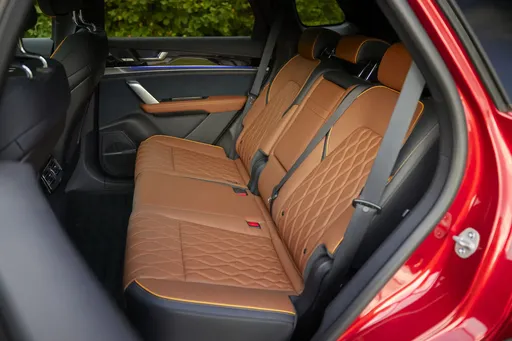
Seats: BYD Tang offers noticeable more seating capacity – 7 vs 5.
In curb weight, Lucid Air is clearly perceptible lighter – 2070 kg compared to 2630 kg. The difference is around 560 kg.
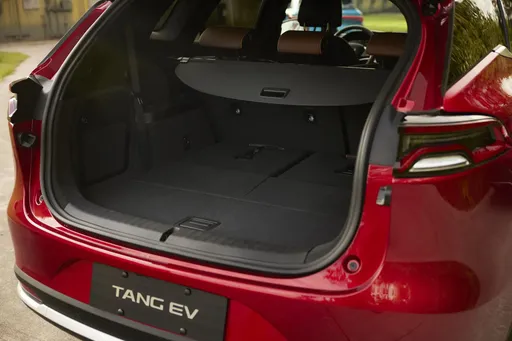
In terms of boot space, the Lucid Air offers clearly more room – 627 L compared to 235 L. That’s a difference of about 392 L.
When it comes to payload, Lucid Air minimal takes the win – 588 kg compared to 575 kg. That’s a difference of about 13 kg.
Who wins the race in the data check?
The Lucid Air is decisively ahead in the objective data comparison.
This result only shows which model scores more points on paper – not which of the two cars feels right for you.
BYD Tang
Lucid Air
Costs and Consumption
View detailed analysis
View detailed analysis
Engine and Performance
View detailed analysis
View detailed analysis
Dimensions and Body
View detailed analysis
View detailed analysis
from about £72,900
Lucid Air
BYD Tang
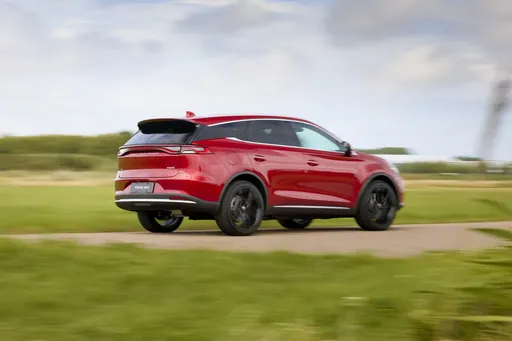
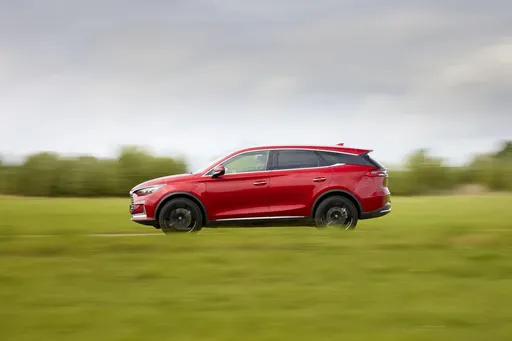
The BYD Tang is a bold, tech-loaded SUV that blends striking design with roomy practicality, making it equally at home on the school run and the open road. Packed with clever tech and a powertrain that mixes efficiency with eager performance, it’s a smart, value-focused pick for buyers who want electric-age comfort without the premium-brand fuss.
details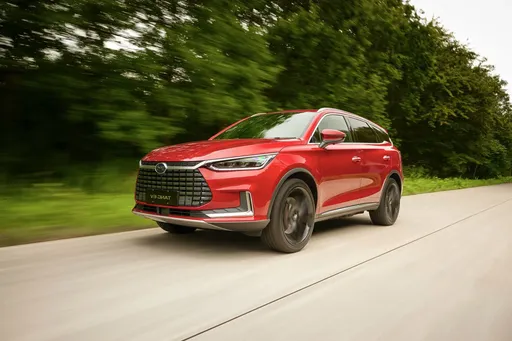
Lucid Air
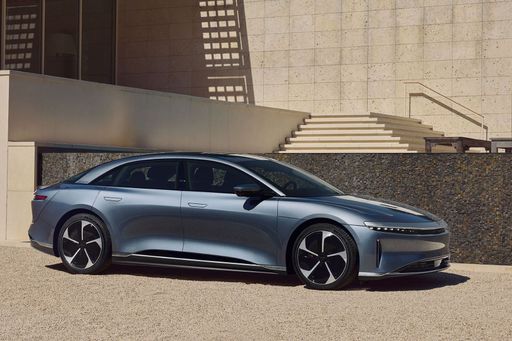
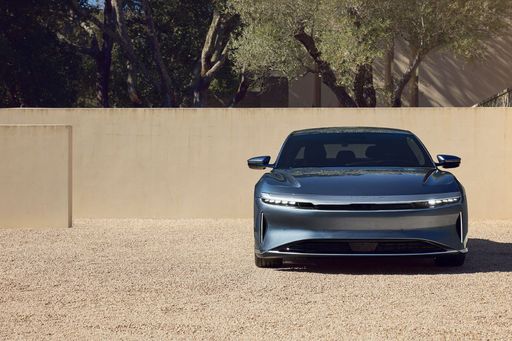
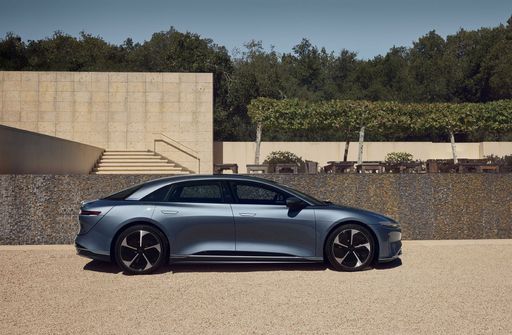
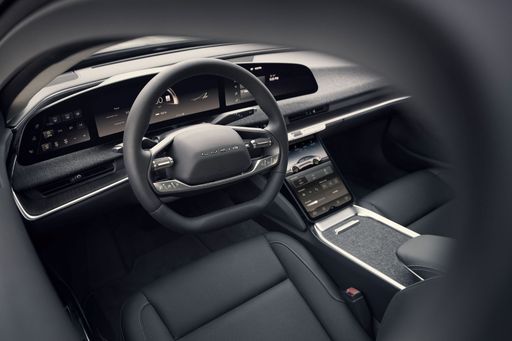
The Lucid Air feels like a hand-built electric limousine from the future, wrapping whisper-quiet performance and luxury in a sleek, aerodynamic shell. For buyers who want cutting-edge tech, sumptuous comfort and a quietly confident status symbol, it’s a compelling choice that makes EV ownership feel genuinely premium without shouting about it.
details
BYD Tang
Lucid Air
Costs and Consumption |
|
|---|---|
|
Price
64300 £
|
Price
72900 - 214300 £
|
|
Consumption L/100km
-
|
Consumption L/100km
-
|
|
Consumption kWh/100km
24 kWh
|
Consumption kWh/100km
13 - 19.1 kWh
|
|
Electric Range
530 km
|
Electric Range
694 - 882 km
|
|
Battery Capacity
-
|
Battery Capacity
-
|
|
co2
0 g/km
|
co2
0 g/km
|
|
Fuel tank capacity
-
|
Fuel tank capacity
-
|
Dimensions and Body |
|
|---|---|
|
Body Type
SUV
|
Body Type
Sedan
|
|
Seats
7
|
Seats
5
|
|
Doors
5
|
Doors
5
|
|
Curb weight
2630 kg
|
Curb weight
2070 - 2420 kg
|
|
Trunk capacity
235 L
|
Trunk capacity
627 L
|
|
Length
4970 mm
|
Length
4975 - 5005 mm
|
|
Width
1955 mm
|
Width
1936 - 1990 mm
|
|
Height
1745 mm
|
Height
1409 mm
|
|
Max trunk capacity
1655 L
|
Max trunk capacity
-
|
|
Payload
575 kg
|
Payload
430 - 588 kg
|
Engine and Performance |
|
|---|---|
|
Engine Type
Electric
|
Engine Type
Electric
|
|
Transmission
Automatic
|
Transmission
Automatic
|
|
Transmission Detail
Reduction Gearbox
|
Transmission Detail
Reduction Gearbox
|
|
Drive Type
All-Wheel Drive
|
Drive Type
All-Wheel Drive, Rear-Wheel Drive
|
|
Power HP
517 HP
|
Power HP
442 - 1251 HP
|
|
Acceleration 0-100km/h
4.90 s
|
Acceleration 0-100km/h
2 - 4.7 s
|
|
Max Speed
190 km/h
|
Max Speed
200 - 330 km/h
|
|
Torque
680 Nm
|
Torque
550 - 1940 Nm
|
|
Number of Cylinders
-
|
Number of Cylinders
-
|
|
Power kW
380 kW
|
Power kW
325 - 920 kW
|
|
Engine capacity
-
|
Engine capacity
-
|
General |
|
|---|---|
|
Model Year
2024
|
Model Year
2022 - 2024
|
|
CO2 Efficiency Class
A
|
CO2 Efficiency Class
A
|
|
Brand
BYD
|
Brand
Lucid
|
Is the BYD Tang offered with different drivetrains?
The BYD Tang is available as All-Wheel Drive.
The prices shown are estimates based on German list prices, adjusted for local VAT. Local registration taxes (e.g. NoVA, BPM or CO2 malus) are not included. This information is not legally binding.