VS

Citroen C3 vs Suzuki Swift comparison

Compare performance (113 HP vs 82 HP), boot space and price (14,000 £ vs 17,100 £ ) at a glance. Find out which car is the better choice for you – Citroen C3 or Suzuki Swift?

Citroen C3 vs Suzuki Swift: Key differences

Citroen C3

4.9 (2 Reviews)
rate
  • clearly cheaper
  • clearly more power
details

Suzuki Swift

4.2 (4 Reviews)
rate
  • moderately more efficient
  • somewhat lighter
details

All details on performance, efficiency, range and trunk space can be found in the technical comparison below – including user reviews for both models.

By Achim Sedelmaier

C3

Citroen C3 VS Suzuki Swift — which small car fits your daily life?

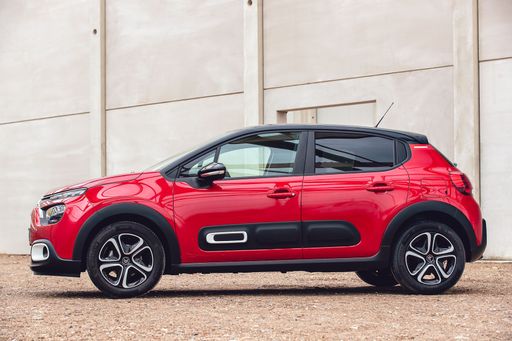
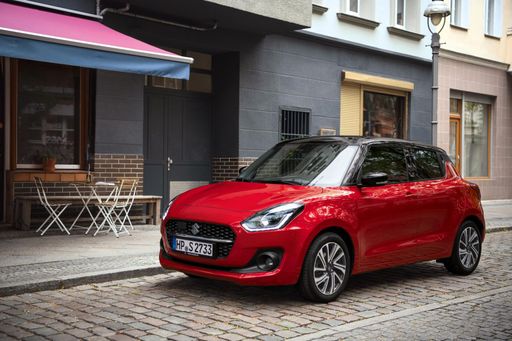
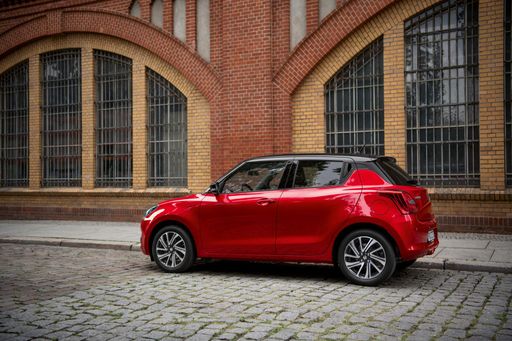
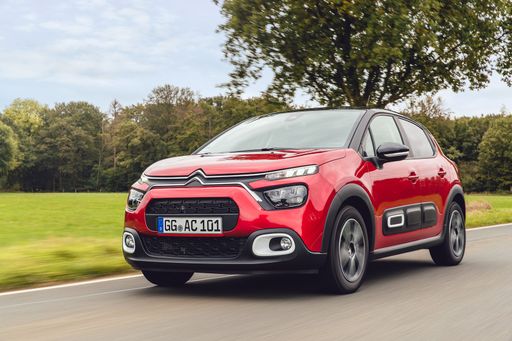
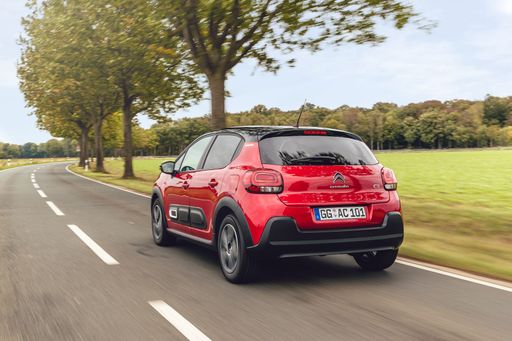
Citroen C3 and Suzuki Swift arrive at the same small‑car party with very different agendas: the C3 trades nimble responses for plush comfort, while the Swift chooses lightness and economy over suspension refinement. If your priority is soft suspension, easy ingress and a relaxed urban ride, the Citroen leans into that brief; if you want low running costs, sharp steering and a car that feels eager in town, the Suzuki has the clearer instincts. Both are compact and easy to park, but they sell different kinds of everyday calm — one sedates the road, the other makes the city feel smaller. This comparison teases out those real‑world trade‑offs before you dig into the numbers below.
Swift

Driving character: comfort couch versus lightfootedness

The Citroen C3 is immediately recognisable as a comfort‑first car: soft suspension, compliant seats and a relaxed steering feel that smooths out potholes and urban abuse at the expense of body control. The Suzuki Swift responds the opposite way — lower weight, crisper turn‑in and a more connected steering feel that makes cornering and lane changes feel purposeful even if the ride is firmer. That trade‑off matters: the C3 turns long commutes and rough town streets into a gentler experience, while the Swift rewards drivers who enjoy an engaging, efficient run through traffic. If you value composure and a cushioned ride, the C3 dominates that brief; if you want agility and economical momentum, the Swift is the one you’ll smile at.

C3

Cabin feel and tech: soft comfort versus functional clarity

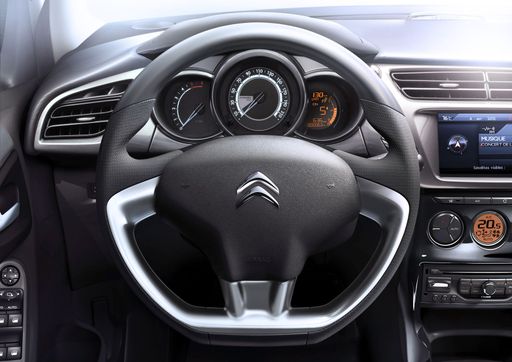
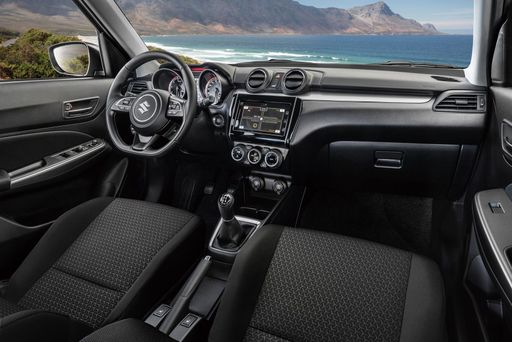
Inside, the Citroen C3 emphasises a relaxed ambience—roomy headroom, forgiving seat pads and an interior that feels intended for comfort rather than premium surfaces. The Suzuki Swift favours pragmatic ergonomics: a clear, well‑laid‑out dash, more standard connectivity and tactile buttons, but cheaper plastics and a less luxurious touch overall. That means the C3 feels cosier at cruising speeds and on short trips, while the Swift feels more straightforward and less fussy to operate day‑to‑day. If you care about a seat that feels like an armchair, the C3 will please; if you want instant, no‑nonsense controls and a well‑equipped base car, the Swift earns its keep.

Swift

Practicality and everyday usability: luggage and family trade‑offs

Both cars are compact, but they solve day‑to‑day chores differently: the Citroen C3 offers easier front access and generally more forgiving passenger packaging, which helps with child seats and frequent entry‑and‑exit. The Suzuki Swift is tight but cleverly packaged, making parking and single‑person errands effortless; however, its boot and load lip are less forgiving for bulky items or holiday luggage. Families will notice the C3’s softer ride and slightly roomier feel, yet may be put off by fiddly ISOFIX access or a higher boot lip; the Swift keeps things simple and economical but asks you to accept compromises in cargo flexibility. So the choice comes down to whether you prioritise comfort for passengers or the Swift’s sharper utility in crowded urban life.

C3

Long‑distance behaviour and real-world running: range, noise and economy

On long runs the Citroen C3 feels composed but not hushed — wind and road noise become more apparent at motorway speeds, and the C3’s relaxed gearing expects steady‑paced driving rather than repeated hard overtakes. The Suzuki Swift is more frugal on fuel and stays light on its feet, but it reveals its limitations at sustained high speeds: higher revs and a more audible engine make long motorway stints less serene. For buyers considering the C3’s electric variant, the ë‑C3 is excellent around town but requires acceptance of shorter practical range and longer charging pauses on trips compared with a conventional petrol Swift. In short, choose the C3 for relaxed long‑distance posture if you tolerate some noise and charging planning; choose the Swift if you want lower running costs and can live with a firmer, noisier cruise.

Swift

Buyer fit: who should drive each car and why you should read the technical comparison next

If your days are full of city runs, school drops and a preference for a soft, forgiving ride, the Citroen C3 is the better fit — it turns traffic into a gentler experience and stretches a tighter budget with comfort in mind. If you’re a pragmatic commuter who values economy, nimble handling and a well‑equipped base car, the Suzuki Swift will reward you with lower fuel bills and a more engaging urban drive. Both make sense for different reasons, and your decision will hinge on whether you prioritise comfort and interior feel (C3) or lightness, economy and sharper packaging (Swift). Scroll down to the technical comparison to see exactly how those trade‑offs map to price, fuel figures, weight and kit so you can match the numbers to the fit you want.

Here’s where it gets real: The technical differences in detail

C3

Costs and Efficiency:

Looking at overall running costs, both models reveal some interesting differences in everyday economy.

Citroen C3 is clearly cheaper – starting at 14,000 £ , while the Suzuki Swift costs 17,100 £ . That’s a price difference of around 3,180 £.

Fuel consumption also shows a difference: the Suzuki Swift uses 4.4 L/100km and is moderately more efficient than the Citroen C3 with 5 L/100km. The difference is about 0.6 L/100km.

Swift

Engine and Performance:

Power, torque and acceleration say a lot about how a car feels on the road. This is where you see which model delivers more driving dynamics.

When it comes to engine power, the Citroen C3 offers clearly more power – delivering 113 HP compared to 82 HP. That’s roughly 31 HP more horsepower.

There’s also a difference in torque: the Citroen C3 delivers clearly more torque with 205 Nm compared to 112 Nm. That’s about 93 Nm more.

C3

Space and Everyday Use:

Whether family car or daily driver – which one offers more room, flexibility and comfort?

Both vehicles offer seating for 5 people.

In terms of curb weight, Suzuki Swift is somewhat lighter – 1,069 kg compared to 1,226 kg. The difference is around 157 kg.

When it comes to payload, the Citroen C3 carries noticeably more – 423 kg compared to 296 kg. That’s a difference of about 127 kg.

Who wins the race in the data check?

The Citroen C3 is clearly superior overall in the objective data comparison.
This result only shows which model scores more points on paper – not which of the two cars feels right for you.

from £14,000
C3

Citroen C3

  • Engine Type Electric, Petrol, Petrol MHEV
  • Transmission Automatic, Manuel
  • Drive Type Front-Wheel Drive
  • Power HP 101 - 113 HP
  • Consumption L/100km 5 - 5.6 L/100km
  • Consumption kWh/100km 16.7 - 17.2 kWh/100km
  • Electric Range 212 - 325 km
Citroen C3
Suzuki Swift

Costs and Consumption

View detailed analysis

Engine and Performance

View detailed analysis

Dimensions and Body

View detailed analysis

Citroen C3

The Citroën C3 is a stylish and practical small hatchback that puts comfort and a calm urban driving experience at the top of its list. With its distinctive looks and thoughtful interior touches, it suits buyers who want personality and everyday usability without drama.

details

Suzuki Swift

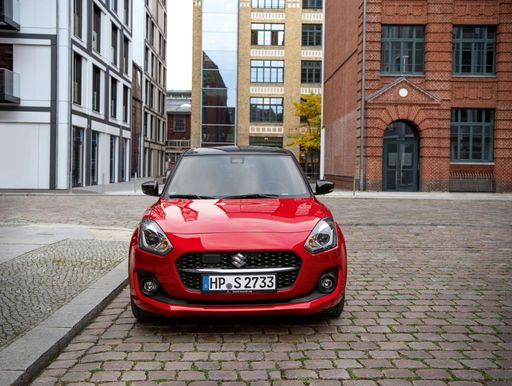
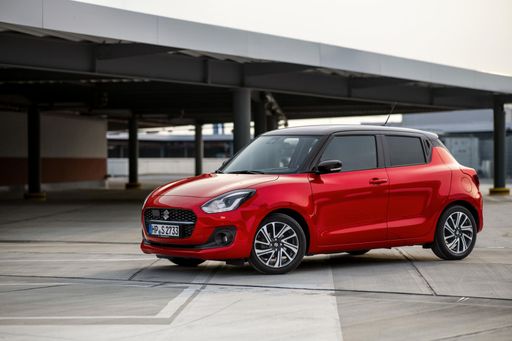
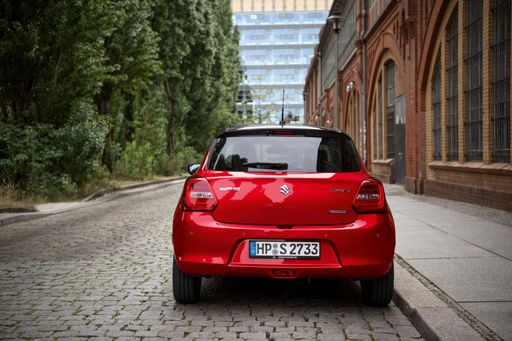
The Suzuki Swift is a cheeky little hatch that turns city streets into its playground with lively handling and a grin-inducing drive. Practical enough for daily chores, thrifty to run and kinder on your wallet than many rivals, it's a sensible pick for buyers who want fun without drama.

details
Citroen C3
Suzuki Swift

Costs and Consumption

Price
14,000 - 24,700 £
Price
17,100 - 21,200 £
Consumption L/100km
5 - 5.6 L/100km
Consumption L/100km
4.4 - 4.9 L/100km
Consumption kWh/100km
16.7 - 17.2 kWh/100km
Consumption kWh/100km
-
Electric Range
212 - 325 km
Electric Range
-
Battery Capacity
-
Battery Capacity
-
co2
0 - 126 g/km
co2
98 - 110 g/km
Fuel tank capacity
-
Fuel tank capacity
-

Dimensions and Body

Body Type
SUV
Body Type
Hatchback
Seats
2 - 5
Seats
5
Doors
-
Doors
-
Curb weight
1,226 - 1,518 kg
Curb weight
1,069 - 1,145 kg
Trunk capacity
310 L
Trunk capacity
-
Length
-
Length
-
Width
1,755 mm
Width
1,735 mm
Height
-
Height
-
Max trunk capacity
-
Max trunk capacity
-
Payload
227 - 423 kg
Payload
282 - 296 kg

Engine and Performance

Engine Type
Electric, Petrol, Petrol MHEV
Engine Type
Petrol MHEV
Transmission
Automatic, Manuel
Transmission
Manuel, Automatic
Transmission Detail
Reduction Gearbox, Manual Gearbox, Dual-Clutch Automatic
Transmission Detail
Manual Gearbox, CVT
Drive Type
Front-Wheel Drive
Drive Type
Front-Wheel Drive, All-Wheel Drive
Power HP
101 - 113 HP
Power HP
82 HP
Acceleration 0-100km/h
9.9 - 12 s
Acceleration 0-100km/h
-
Max Speed
-
Max Speed
-
Torque
120 - 205 Nm
Torque
112 Nm
Number of Cylinders
3
Number of Cylinders
3
Power kW
74 - 83 kW
Power kW
61 kW
Engine capacity
1,199 cm3
Engine capacity
1,197 cm3

General

Model Year
2,024 - 2,026
Model Year
2025
CO2 Efficiency Class
A, D, C
CO2 Efficiency Class
C
Brand
Citroen
Brand
Suzuki
DriveDuel uses data analysis and artificial intelligence to evaluate vehicle data and create content. Content is regularly reviewed and improved. The displayed prices are estimates based on German list prices, adjusted to the respective country’s VAT. Country-specific registration taxes are not included. This information is not legally binding.