VS

Citroen C4 vs Alfa Romeo Junior comparison

Compare performance (156 HP vs 280 HP), boot space and price (20,700 £ vs 26,100 £ ) at a glance. Find out which car is the better choice for you – Citroen C4 or Alfa Romeo Junior?

Citroen C4 vs Alfa Romeo Junior: Key differences

Citroen C4

4.6 (7 Reviews)
rate
  • clearly cheaper
  • only slightly more efficient
  • marginally more efficient
  • very slightly more electric range
  • somewhat more trunk space
details

Alfa Romeo Junior

4.8 (8 Reviews)
rate
  • substantially more power
  • markedly quicker 0–100 km/h
  • very slightly lighter
details

All details on performance, efficiency, range and trunk space can be found in the technical comparison below – including user reviews for both models.

By Achim Sedelmaier

C4

In the ever-evolving automotive landscape, the comparison between the Alfa Romeo Junior and Citroen C4 is an exciting exploration of style, performance, and technology. These two compact SUVs present unique perspectives on how to blend innovation with driving enjoyment. Let's dive into the technical aspects that define these models.

Junior

Design and Dimensions

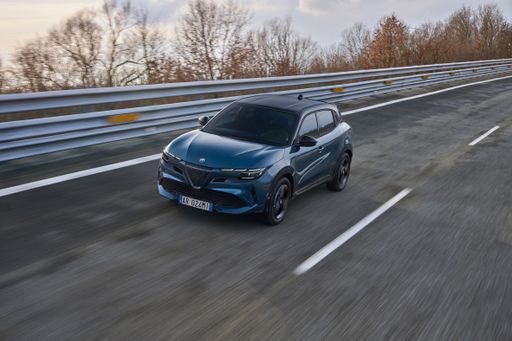
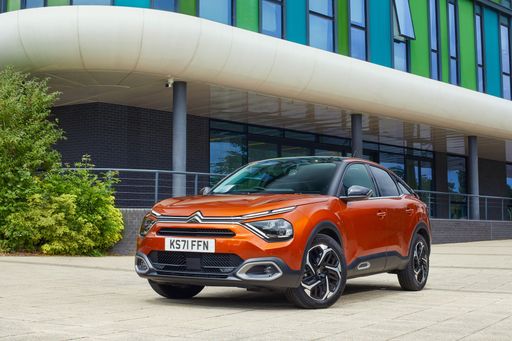
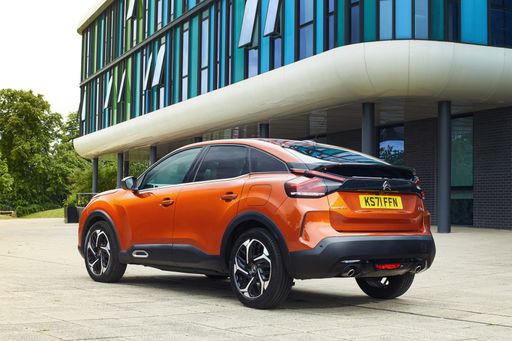
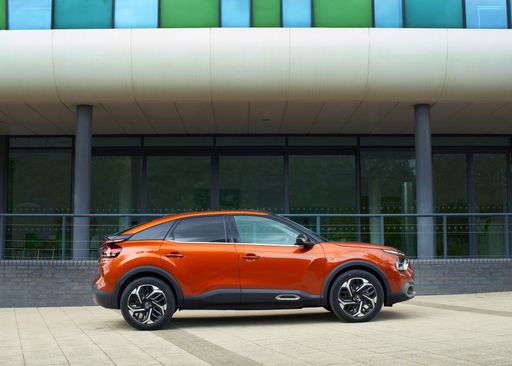
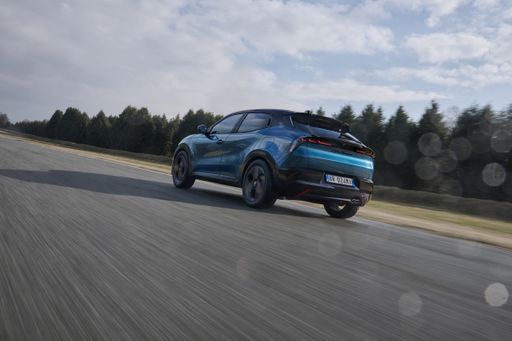
Starting with aesthetics, the Alfa Romeo Junior exudes an iconic Italian flair with its sporty lines and aggressive styling. It measures 4173 mm in length, 1781 mm in width, and has a height of 1533 mm. By contrast, the Citroen C4 offers a more robust presence, stretching up to 4580 mm in length and 1834 mm in width, standing 1525 mm tall. The C4's more extensive dimensions translate to a slightly more spacious cabin, making it an attractive option for families or those needing more interior comfort.

C4

Powertrain Options

The Junior stands out with an impressive range of powertrains including electric and petrol hybrid options, producing up to 280 HP with a torque of 345 Nm. It offers both front-wheel and all-wheel drive configurations, allowing for versatile performance across different driving conditions. Its electric variant boasts a maximum range of up to 410 km and a battery capacity of 51 kWh, catering to environmentally conscious drivers.

The Citroen C4 offers a variety of engines as well, though it sports a slightly less potent lineup with a maximum output of 156 HP and torque reaching 270 Nm. Its electric model, with a range of 427 km, is highly competitive, with a 51 kWh battery capacity ensuring a robust driving experience. Additionally, both vehicles come with automatic transmissions, enhancing driving comfort and reducing the hassle of gear shifts.

Junior

Fuel Efficiency and Performance

When it comes to fuel consumption, the Junior's figures are commendable with an average of 4.5 L/100km for petrol variants and 15.2 kWh/100km for electric models. This efficiency is complemented by its swift acceleration times, where some models reach 0-100 km/h in just 5.9 seconds, catering to enthusiasts seeking a dynamic drive.

While the Citroen C4 slightly lags in efficiency with an average consumption of 4.8 L/100km, it maintains competitive performance with 0-100 km/h times as low as 9.7 seconds. The electric C4 also presents an efficient consumption rate of 14.5 kWh/100km, making it a suitable alternative for those considering an eco-friendly vehicle.

C4

Interior and Technology

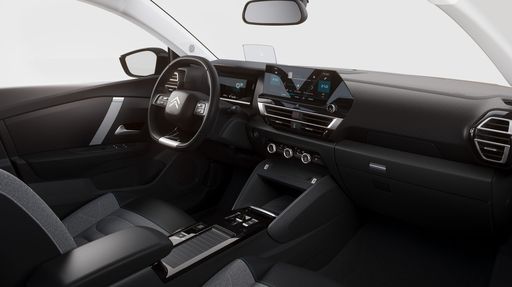
Both the Alfa Romeo Junior and Citroen C4 emphasize modern interiors packed with technology. The Junior boasts a contemporary design with a focus on driver engagement and quality materials. It comfortably seats five, employing advanced infotainment systems and driver assistance features.

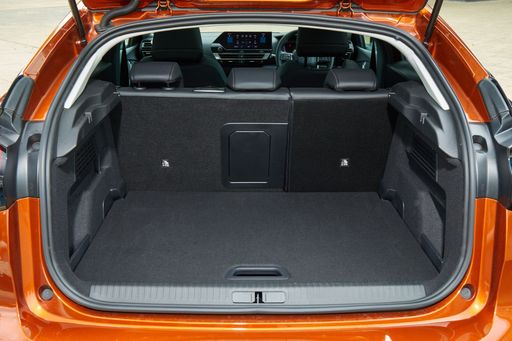
In contrast, the Citroen C4 leans heavily into comfort and practicality. The spacious interior includes a large trunk capacity of up to 510 L, accommodating grocery trips or weekend getaways effortlessly. Its tech integrations are user-friendly, ensuring a connected experience for passengers, alongside features that enhance overall ride comfort.

Junior

Conclusion: The Verdict

Ultimately, choosing between the Alfa Romeo Junior and the Citroen C4 boils down to personal preferences. The Junior captivates those seeking sporty performance with a flair for stylish design, while the C4 appeals to practicality and comfort, making it a family-friendly choice. Each model presents innovative technologies that cater to modern drivers, affirming their positions as contenders in the ever-competitive compact SUV market.

Here’s where it gets real: The technical differences in detail

C4

Costs and Efficiency:

Price and efficiency are key factors when choosing a car – and this is often where the real differences emerge.

Citroen C4 is clearly cheaper – starting at 20,700 £ , while the Alfa Romeo Junior costs 26,100 £ . That’s a price difference of around 5,409 £.

Fuel consumption also shows a difference: the Citroen C4 uses 4.7 L/100km and is only slightly more efficient than the Alfa Romeo Junior with 4.8 L/100km. The difference is about 0.1 L/100km.

In terms of energy consumption, the Citroen C4 is marginally more efficient: consuming 14.6 kWh/100km compared to 15.1 kWh/100km for the Alfa Romeo Junior. That’s a difference of about 0.5 kWh/100km.

As for electric range, the Citroen C4 offers very slightly more range – reaching up to 427 km, about 17 km more than the Alfa Romeo Junior.


Junior

Engine and Performance:

Power, torque and acceleration say a lot about how a car feels on the road. This is where you see which model delivers more driving dynamics.

When it comes to engine power, the Alfa Romeo Junior offers substantially more power – delivering 280 HP compared to 156 HP. That’s roughly 124 HP more horsepower.

When accelerating from 0 to 100 km/h, the Alfa Romeo Junior is markedly quicker – completing the sprint in 5.9 s, while the Citroen C4 takes 8 s. That’s about 2.1 s quicker.

There’s also a difference in torque: the Alfa Romeo Junior delivers markedly more torque with 345 Nm compared to 270 Nm. That’s about 75 Nm more.

C4

Space and Everyday Use:

Beyond pure performance, interior space and usability matter most in daily life. This is where you see which car is more practical and versatile.

Both vehicles offer seating for 5 people.

In terms of curb weight, Alfa Romeo Junior is very slightly lighter – 1,380 kg compared to 1,403 kg. The difference is around 23 kg.

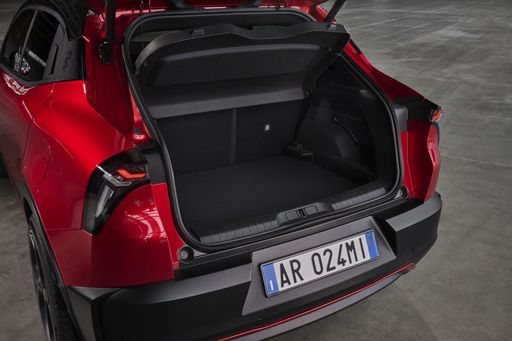
Looking at boot space, the Citroen C4 offers somewhat more boot space – 510 L compared to 415 L. That’s a difference of about 95 L.

When it comes to payload, the Alfa Romeo Junior carries very slightly more – 420 kg compared to 406 kg. That’s a difference of about 14 kg.

Who wins the race in the data check?

The Alfa Romeo Junior is clearly superior overall in the objective data comparison.
This result only shows which model scores more points on paper – not which of the two cars feels right for you.

from £26,100
Junior

Alfa Romeo Junior

  • Engine Type Electric, Petrol MHEV
  • Transmission Automatic
  • Drive Type Front-Wheel Drive, All-Wheel Drive
  • Power HP 146 - 280 HP
  • Consumption L/100km 4.8 - 5.4 L/100km
  • Consumption kWh/100km 15.1 - 17.5 kWh/100km
  • Electric Range 344 - 410 km
Citroen C4
Alfa Romeo Junior

Costs and Consumption

View detailed analysis

Engine and Performance

View detailed analysis

Dimensions and Body

View detailed analysis

Citroen C4

Citroën C4 wears its French eccentricity with confidence, pairing bold, sculpted styling with a supremely comfortable ride that turns mundane commutes into a gentler affair. If you value relaxed comfort, clever practicality and a car with personality rather than pretence, the C4 is a charming, sensible choice — and it won't make you miss the usual hot‑hatch theatrics.

details

Alfa Romeo Junior

The Alfa Romeo Junior captures the essence of Italian design with its sleek lines and compact dimensions, making it an icon of elegance and performance. With a spirited driving experience and a charming retro aesthetic, it appeals to enthusiasts and casual drivers alike. This delightful car embodies the brand's rich heritage while remaining a fun and engaging option for those seeking a unique automotive experience.

details
Citroen C4
Alfa Romeo Junior

Costs and Consumption

Price
20,700 - 32,200 £
Price
26,100 - 41,600 £
Consumption L/100km
4.7 - 4.8 L/100km
Consumption L/100km
4.8 - 5.4 L/100km
Consumption kWh/100km
14.6 - 15.3 kWh/100km
Consumption kWh/100km
15.1 - 17.5 kWh/100km
Electric Range
354 - 427 km
Electric Range
344 - 410 km
Battery Capacity
-
Battery Capacity
-
co2
0 - 108 g/km
co2
0 - 119 g/km
Fuel tank capacity
-
Fuel tank capacity
-

Dimensions and Body

Body Type
SUV
Body Type
SUV
Seats
5
Seats
5
Doors
-
Doors
-
Curb weight
1,403 - 1,652 kg
Curb weight
1,380 - 1,689 kg
Trunk capacity
380 - 510 L
Trunk capacity
340 - 415 L
Length
-
Length
-
Width
1,800 - 1,834 mm
Width
1,781 mm
Height
-
Height
-
Max trunk capacity
-
Max trunk capacity
-
Payload
379 - 406 kg
Payload
390 - 420 kg

Engine and Performance

Engine Type
Electric, Petrol MHEV
Engine Type
Electric, Petrol MHEV
Transmission
Automatic
Transmission
Automatic
Transmission Detail
Reduction Gearbox, Dual-Clutch Automatic
Transmission Detail
Reduction Gearbox, Dual-Clutch Automatic
Drive Type
Front-Wheel Drive
Drive Type
Front-Wheel Drive, All-Wheel Drive
Power HP
110 - 156 HP
Power HP
146 - 280 HP
Acceleration 0-100km/h
8 - 10.8 s
Acceleration 0-100km/h
5.9 - 9.1 s
Max Speed
-
Max Speed
-
Torque
205 - 270 Nm
Torque
230 - 345 Nm
Number of Cylinders
3
Number of Cylinders
3
Power kW
81 - 115 kW
Power kW
107 - 207 kW
Engine capacity
1,199 cm3
Engine capacity
1,199 cm3

General

Model Year
2,025 - 2,026
Model Year
2,024 - 2,025
CO2 Efficiency Class
A, C
CO2 Efficiency Class
A, C, D
Brand
Citroen
Brand
Alfa Romeo
DriveDuel uses data analysis and artificial intelligence to evaluate vehicle data and create content. Content is regularly reviewed and improved. The displayed prices are estimates based on German list prices, adjusted to the respective country’s VAT. Country-specific registration taxes are not included. This information is not legally binding.