Alfa Romeo Junior SUV: Overview & Key Information

4.8 (11 Reviews)
rate

The Alfa Romeo Junior is a compact, stylish coupe that blends sporty handling with Italian flair, offering an engaging driving experience and timeless looks. Its simple, driver-focused layout and soulful character make it a favorite among enthusiasts who value personality over modern gadgetry.

Reviews & community

All real reviews and experiences about the Alfa Romeo Junior in one place.

To community

Technical data, trims & prices

All technical data, dimensions and equipment details of this model at a glance.

To technical data

Alternative car models

Discover similar models and possible alternatives to this vehicle.

To alternatives

from £26,100
Junior

Alfa Romeo Junior

  • Engine Type Electric, Petrol MHEV
  • Transmission Automatic
  • Drive Type Front-Wheel Drive, All-Wheel Drive
  • Power HP 146 - 280 HP
  • Consumption L/100km 4.8 - 5.4 L/100km
  • Consumption kWh/100km 15.1 - 17.5 kWh/100km
  • Electric Range 344 - 410 km

Italian Poise in a Compact Footprint

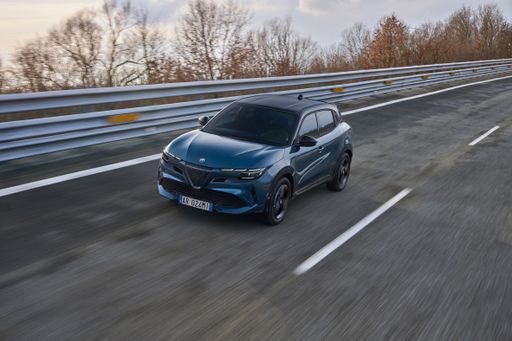
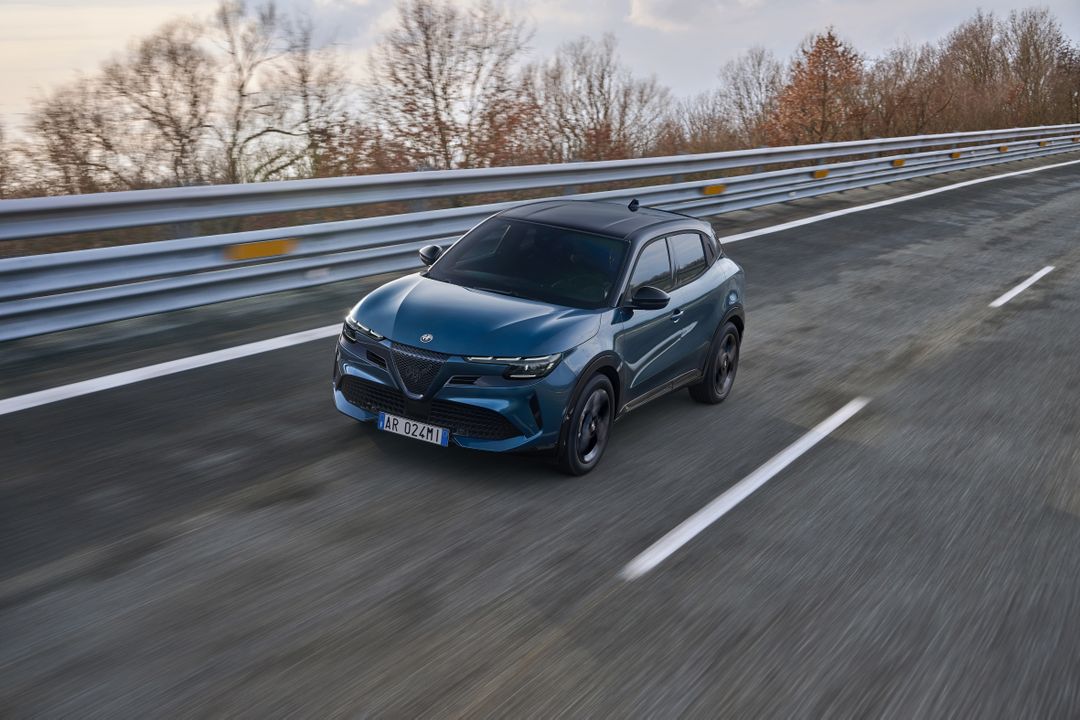
The Alfa Romeo Junior trades on style and stance, bringing a distinctive nose, taut surfacing, and a low-set driving position to the B‑SUV class. It looks sportier than most small crossovers, helped by short overhangs and a width of 1,781 mm that gives it a planted posture. The same dramatic roofline and thick C‑pillars that sharpen its profile also limit over‑shoulder visibility, so parking sensors and a camera are welcome. Details like the shield grille and subtle heritage cues deliver brand identity without excess, and the proportions avoid the top‑heavy feel common in the segment. It is a city‑friendly size on the outside but broadcasts a more serious, driver‑led intent than the mainstream.
Driver-Focused Cabin, Simple to Live With

Inside, the “Cannocchiale” instrument binnacle and a driver‑oriented layout set the tone, while twin 10.25‑inch displays handle instruments and infotainment. The interface is straightforward, with wireless Apple CarPlay/Android Auto and physical controls for climate and volume that reduce faff on the move. The central screen sits relatively low, which can mean longer glances away from the road until muscle memory kicks in. Materials mix soft trims with notable hard plastics and familiar group switchgear, so the ambience is sporty rather than plush. Optional sports seats add support on a twisty road, though longer journeys reveal that cushioning and lateral bolstering vary significantly by trim.

Everyday Space: Clever Boot, Tight Rear

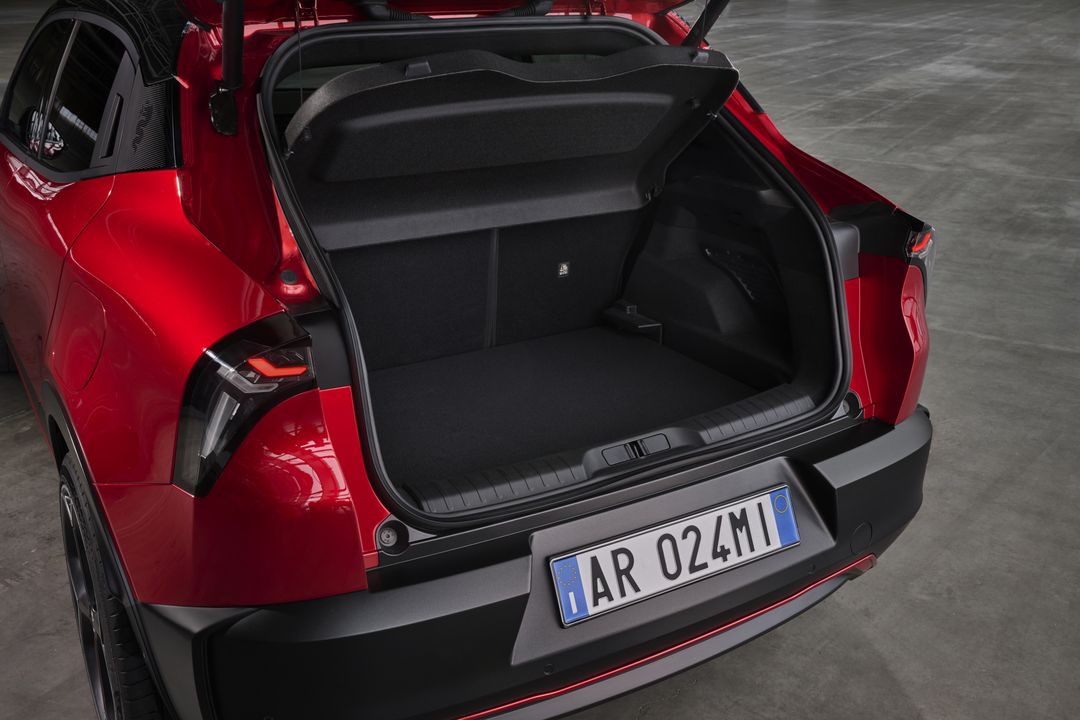
Front occupants enjoy a good driving position and decent cubby space, but the rear bench is tight on knee room and headroom for taller passengers. The door opening is narrow too, which makes loading bulky child seats or helping in a sleeping toddler more awkward. Luggage capacity varies by powertrain, from about 340 to roughly 415 litres, with the Ibrida offering the most usable space and a variable floor that eases loading. The electric version is quoted near 400 litres, yet independent measurements have found less practical volume due to shape and floor height. In daily use, couples or small families will be fine; those regularly carrying adults in the back will feel the squeeze.

Steering That Talks Back

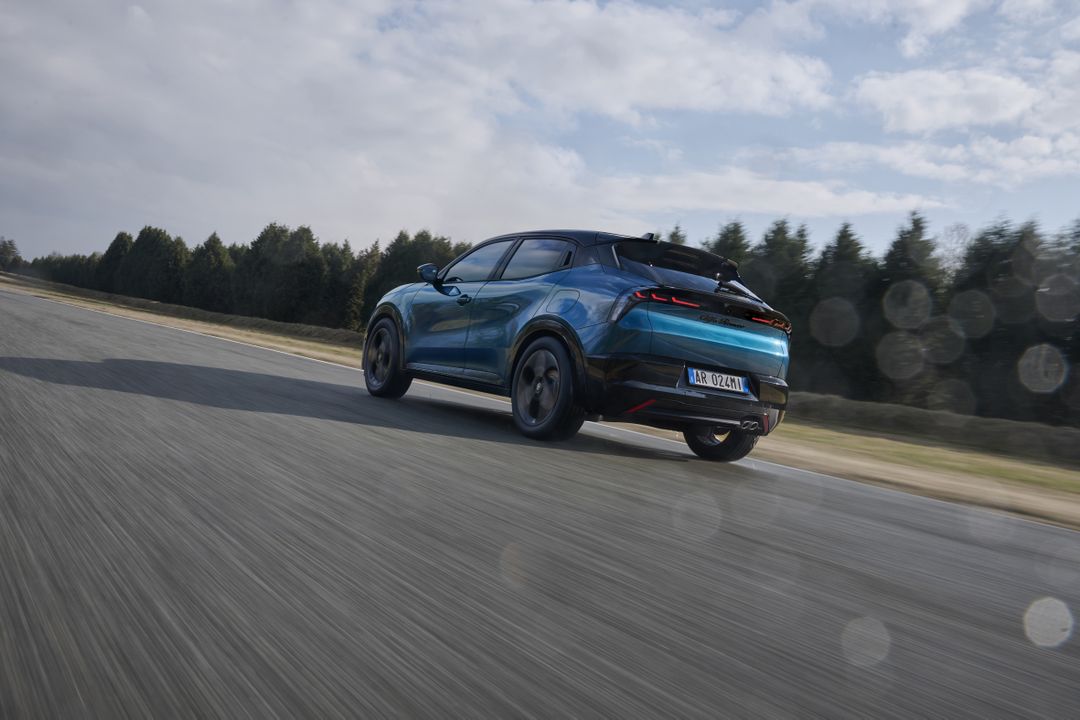
The Junior’s calling card is its quick, precise steering and eager turn‑in, which give it more character than many small SUVs. Standard electric models ride with a calm, quiet gait at motorway speeds, while the Veloce’s firmer setup, lower stance and stronger brakes pivot the car toward back‑road fun. That Veloce also adds a Torsen‑type front differential for better traction out of tight bends, making it unusually engaging for the class. Body control is tidy, though big wheels and sporty tires can add fidget over sharp city bumps. Overall, it feels agile and confident, especially in versions tuned for enthusiasm rather than outright comfort.

Two Power Paths, One Clear Personality

The lineup includes the Junior Elettrica 156 (410 km WLTP) for calm, efficient commuting and the punchier Elettrica 280 Veloce (344 km WLTP) for pace and poise. A 1.2‑litre 48‑V mild‑hybrid Ibrida with 146 hp pairs to a 6‑speed e‑DCT and, unusually for the segment, can be had with Q4 all‑wheel drive via an e‑motor on the rear axle. Performance spans 0–100 km/h in 5.9 to just over 9 seconds depending on version, with torque outputs between 230 and 345 Nm. In the hybrid, the dual‑clutch can shuffle gears abruptly at low speeds and brake‑pedal feel is not the most consistent, especially when blending regeneration. The electric models deliver smooth, instant response and the most refined vibe in traffic, suiting the car’s driver‑centric brief.

Efficiency, Range and Charging Reality

Official electric consumption sits at 15.1–17.5 kWh/100 km, with real‑world figures commonly around 16–19 kWh/100 km depending on route and temperature. That translates to everyday ranges notably below WLTP; for the 156 hp version, plan roughly 280–320 km in mild conditions, with winter reducing that further. DC fast‑charging peaks at about 100 kW, so a 10–80% stop takes around the length of a coffee break if the charger and battery temperature cooperate. The Ibrida posts 4.8–5.4 l/100 km WLTP and tends to land near 5.5–7.0 l/100 km in mixed use, which is solid rather than class‑leading. Sustained motorway speeds raise consumption in both powertrains, so range planning matters on longer trips.

Tech That Assists Rather Than Overwhelms

Connectivity is straightforward, with fast smartphone mirroring, responsive menus, and useful shortcuts that keep common tasks a tap away. The screen graphics are clear, yet the low mounting angle and modest size by class standards can draw the eyes down more than ideal. Driver assists such as adaptive cruise, lane support, blind‑spot monitoring and parking aids are available by trim, helping offset the car’s poor three‑quarter rear view. Calibration is generally smooth and unobtrusive, reinforcing the car’s “driver first” theme rather than trying to run the show.

Who Will Love It, Who Won’t

This is a small crossover for design‑led buyers who want a compact footprint with engaging responses, especially in the Veloce. EV newcomers with home charging will appreciate the quiet, easygoing Junior Elettrica, provided long, fast motorway hauls are the exception rather than the rule. Practicality seekers should steer toward the Ibrida for its more accommodating boot, while the Q4 option adds traction for wet winters or light trails. Families with tall rear passengers or frequent child‑seat swaps may find the back seat and door apertures frustrating day to day. Prices and some cabin plastics curb the premium sheen, but the characterful drive gives the Junior a clear identity in a crowded field.

Costs and Consumption

Price
26,100 - 41,600 £
Consumption L/100km
4.8 - 5.4 L/100km
Consumption kWh/100km
15.1 - 17.5 kWh/100km
Electric Range
344 - 410 km
Battery Capacity
-
co2
0 - 119 g/km
Fuel tank capacity
-

Dimensions and Body

Body Type
SUV
Seats
5
Doors
-
Curb weight
1,380 - 1,689 kg
Trunk capacity
340 - 415 L
Length
-
Width
1,781 mm
Height
-
Max trunk capacity
-
Payload
390 - 420 kg

Engine and Performance

Engine Type
Electric, Petrol MHEV
Transmission
Automatic
Transmission Detail
Reduction Gearbox, Dual-Clutch Automatic
Drive Type
Front-Wheel Drive, All-Wheel Drive
Power HP
146 - 280 HP
Acceleration 0-100km/h
5.9 - 9.1 s
Max Speed
-
Torque
230 - 345 Nm
Number of Cylinders
3
Power kW
107 - 207 kW
Engine capacity
1,199 cm3

General

Model Year
2,024 - 2,025
CO2 Efficiency Class
A, C, D
Brand
Alfa Romeo
What drivetrain options does the Alfa Romeo Junior have?

The Alfa Romeo Junior is offered with Front-Wheel Drive or All-Wheel Drive.

DriveDuel uses data analysis and artificial intelligence to evaluate vehicle data and create content. Content is regularly reviewed and improved. The displayed prices are estimates based on German list prices, adjusted to the respective country’s VAT. Country-specific registration taxes are not included. This information is not legally binding.