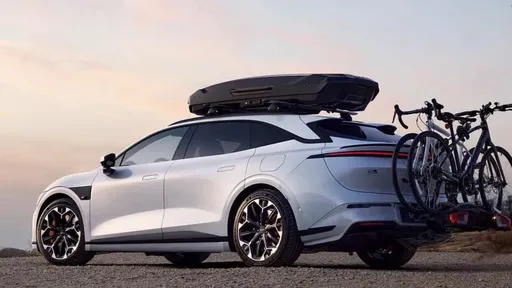
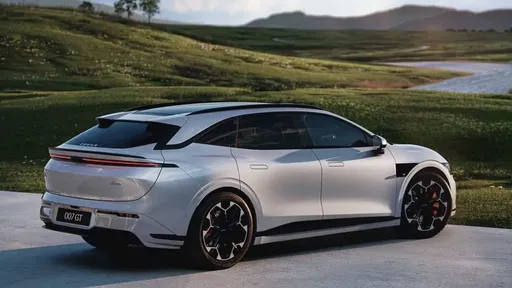
VS

Denza Z9GT vs ZEEKR 7GT comparison

Compare performance (1,156 HP vs 646 HP), boot space and price (88,700 £ vs 41,100 £ ) at a glance. Find out which car is the better choice for you – Denza Z9GT or ZEEKR 7GT?

Denza Z9GT vs ZEEKR 7GT: Key differences

Denza Z9GT

5 (1 Reviews)
rate
  • considerably more power
  • visibly quicker 0–100 km/h
  • very slightly more trunk space
details

ZEEKR 7GT

4.6 (2 Reviews)
rate
  • substantially cheaper
  • marginally more electric range
  • noticeably lighter
details

All details on performance, efficiency, range and trunk space can be found in the technical comparison below – including user reviews for both models.

By Achim Sedelmaier

Z9GT

ZEEKR 7GT VS Denza Z9GT — a quick primer for shoppers

ZEEKR 7GT and Denza Z9GT sit in the same shooting‑brake/GT niche but they sell very different ideas of what an electric grand tourer should be. The ZEEKR 7GT presents itself as a tech‑forward, value‑focused Kombi with a roomy rear seat and practical loading solutions, while the Denza Z9GT pushes luxury, spectacle and maximum straight‑line performance. For buyers this matchup is less about a tie and more about picking priorities: restrained premium practicality versus conspicuous technological opulence. Read on for how those priorities play out in driving character, cabin comfort, everyday usability, and the type of buyer each car actually suits.
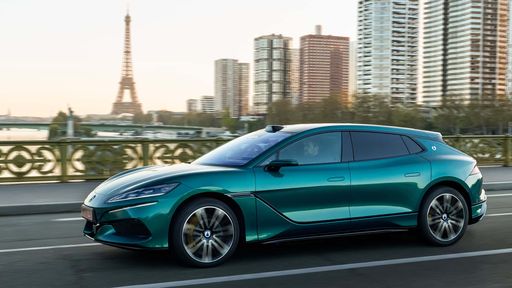
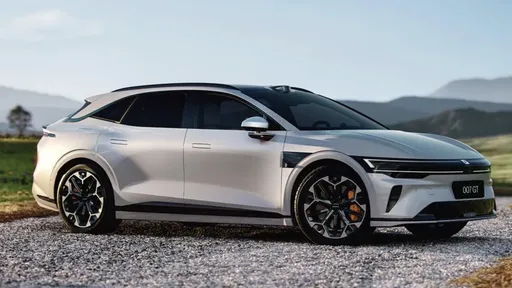
7GT

Driving character and on‑road manners

The ZEEKR 7GT feels like a cultured long‑distance cruiser: tuned toward comfort with a composed, slightly relaxed demeanor that favors calm mile‑eating over sharp responses. The Denza Z9GT, by contrast, is the one that will tug your attention with explosive thrust and showy acceleration, but that brute power arrives in a very heavy, less nimble package. Where the ZEEKR rewards steady inputs and composure, the Denza rewards spectacle and overt performance—at the expense of agility and the crisp steering feel enthusiasts expect. If you want a composed GT that soaks up motorway miles, ZEEKR leans that way; if you want raw acceleration and dramatic moves, Denza delivers the fireworks.

Cabin comfort and perceived quality

Inside, both cars aim for premium impact but take different routes: the Denza Z9GT piles on lavish rear‑seat features, massage, top‑tier audio and showpiece materials so passengers feel cocooned in luxury. The ZEEKR 7GT takes a cleaner, more restrained premium approach with very solid materials, a large head‑up/display focus and thoughtful touches like electrically opening doors that boost convenience and presence. Rearly, the Denza prioritizes four full‑size seats and lavish comfort, whereas the ZEEKR gives exceptional legroom but a lower seat cushion and firmer middle seat—more practical than plush. In short, pick Denza for opulent rear‑seat pampering and tech theatre, pick ZEEKR for an elegant, well‑finished cabin that emphasizes usable space over showy gimmicks.

Practicality and everyday usability

Both cars wear a shooting‑brake silhouette that helps cargo flexibility, but the way they use that space differs in daily life: ZEEKR 7GT emphasizes a nearly flat load floor, large usable trunk mindset and even a frunk that makes weekend packing straightforward. The Denza Z9GT can offer generous volume too, yet some of its creature comforts and optional modules trim the usable cargo area, making the space feel more curated than utilitarian. For families and regular luggage haulers the ZEEKR’s pragmatic layout wins in terms of straightforward usability and loading ease. If your priority is rear‑seat luxury and you rarely carry bulky loads, the Denza’s trade‑off in cargo practicality may be acceptable for the comfort it buys.

City life versus long‑distance touring

On long trips the Denza Z9GT feels sumptuous and quiet, designed to keep occupants relaxed over long distances as long as you can access the faster chargers it was built around. The ZEEKR 7GT also targets long‑distance convenience but tilts toward efficiency and minimal downtime with a practical recharging strategy and a focus on reducing actual travel interruption. In the city the Denza’s clever steering tricks and parking tech make maneuvering surprisingly easy for such a large car, while the ZEEKR’s driver aids and visibility help mask its estate length and keep daily driving straightforward. Choose Denza if you prize back‑seat serenity and don’t mind depending on high‑power charging points; choose ZEEKR if you want a more pragmatic long‑distance rhythm and a more usable daily car in urban settings.

Who should buy which car — clear trade‑offs and buyer fit

If you value dramatic performance, a pampered rear cabin and headline‑making tech features, the Denza Z9GT is tailored to that buyer even though it asks you to accept higher weight, more complex ergonomics and dependence on ultra‑fast chargers. If you care more about usable space, a refined but restrained interior, shorter real‑world charging stops and a sharper value proposition, the ZEEKR 7GT is the more pragmatic choice. Both cars appeal to long‑distance drivers, but ZEEKR leans toward families and tech‑minded buyers who prioritise practicality, whereas Denza targets buyers who want luxury, spectacle and the quickest possible charging when the network allows. Next up in the technical comparison we’ll translate these real‑world differences into the numbers and tech details that underline those trade‑offs.

Here’s where it gets real: The technical differences in detail

Z9GT

Costs and Efficiency:

Price and efficiency are key factors when choosing a car – and this is often where the real differences emerge.

ZEEKR 7GT is substantially cheaper – starting at 41,100 £ , while the Denza Z9GT costs 88,700 £ . That’s a price difference of around 47,580 £.

As for electric range, the ZEEKR 7GT offers marginally more range – reaching up to 655 km, about 55 km more than the Denza Z9GT.

7GT

Engine and Performance:

Power, torque and acceleration are the classic benchmarks for car enthusiasts – and here, some clear differences start to show.

When it comes to engine power, the Denza Z9GT offers considerably more power – delivering 1,156 HP compared to 646 HP. That’s roughly 510 HP more horsepower.

When accelerating from 0 to 100 km/h, the Denza Z9GT is visibly quicker – completing the sprint in 2.7 s, while the ZEEKR 7GT takes 3.3 s. That’s about 0.6 s quicker.

There’s also a difference in torque: the Denza Z9GT delivers clearly more torque with 1,210 Nm compared to 710 Nm. That’s about 500 Nm more.

Space and Everyday Use:

Whether family car or daily driver – which one offers more room, flexibility and comfort?

Both vehicles offer seating for 5 people.

In terms of curb weight, ZEEKR 7GT is noticeably lighter – 2,265 kg compared to 2,810 kg. The difference is around 545 kg.

Looking at boot space, the Denza Z9GT offers very slightly more boot space – 495 L compared to 456 L. That’s a difference of about 39 L.

Who wins the race in the data check?

The Denza Z9GT holds a slight edge in the objective data comparison.
This result only shows which model scores more points on paper – not which of the two cars feels right for you.

from £88,700
Z9GT

Denza Z9GT

  • Engine Type Plugin Hybrid, Electric
  • Transmission Automatic
  • Drive Type All-Wheel Drive
  • Power HP 776 - 1,156 HP
  • Electric Range 203 - 600 km
Denza Z9GT
ZEEKR 7GT

Costs and Consumption

View detailed analysis

Engine and Performance

View detailed analysis

Dimensions and Body

View detailed analysis

Denza Z9GT

Denza Z9 GT is a sporty, upscale electric grand tourer from Denza that pairs bold, modern styling with a quiet, well-appointed interior. It’s aimed at buyers who want a refined, tech-forward driving experience with a focus on comfort and confident on-road manners.

details

ZEEKR 7GT

The Zeekr 7 GT stakes its claim as a smartly styled, quietly confident grand tourer that mixes comfort with a sporty edge to keep daily drives interesting. Inside it feels more grown-up EV than gadget toy, offering a polished cabin and driver-focused flair that will appeal to buyers who want presence without pretension.

details
Denza Z9GT
ZEEKR 7GT

Costs and Consumption

Price
88,700 - 100,700 £
Price
41,100 - 51,000 £
Consumption L/100km
-
Consumption L/100km
-
Consumption kWh/100km
-
Consumption kWh/100km
16.6 - 19.8 kWh/100km
Electric Range
203 - 600 km
Electric Range
519 - 655 km
Battery Capacity
-
Battery Capacity
-
co2
0 g/km
co2
0 g/km
Fuel tank capacity
-
Fuel tank capacity
-

Dimensions and Body

Body Type
Estate
Body Type
Estate
Seats
5
Seats
5
Doors
-
Doors
-
Curb weight
2,810 - 2,895 kg
Curb weight
2,265 - 2,405 kg
Trunk capacity
478 - 495 L
Trunk capacity
456 L
Length
-
Length
-
Width
1,990 mm
Width
1,910 mm
Height
-
Height
-
Max trunk capacity
-
Max trunk capacity
-
Payload
-
Payload
-

Engine and Performance

Engine Type
Plugin Hybrid, Electric
Engine Type
Electric
Transmission
Automatic
Transmission
Automatic
Transmission Detail
Reduction Gearbox
Transmission Detail
Reduction Gearbox
Drive Type
All-Wheel Drive
Drive Type
Rear-Wheel Drive, All-Wheel Drive
Power HP
776 - 1,156 HP
Power HP
421 - 646 HP
Acceleration 0-100km/h
2.7 - 3.6 s
Acceleration 0-100km/h
3.3 - 5.3 s
Max Speed
-
Max Speed
-
Torque
1,035 - 1,210 Nm
Torque
440 - 710 Nm
Number of Cylinders
4
Number of Cylinders
-
Power kW
570 - 850 kW
Power kW
310 - 475 kW
Engine capacity
1,995 cm3
Engine capacity
-

General

Model Year
2026
Model Year
2026
CO2 Efficiency Class
A
CO2 Efficiency Class
A
Brand
Denza
Brand
ZEEKR
DriveDuel uses data analysis and artificial intelligence to evaluate vehicle data and create content. Content is regularly reviewed and improved. The displayed prices are estimates based on German list prices, adjusted to the respective country’s VAT. Country-specific registration taxes are not included. This information is not legally binding.