VS

DS Automobiles DS 3 vs Kia Picanto comparison

Compare performance (156 HP vs 68 HP), boot space and price (28,400 £ vs 15,300 £ ) at a glance. Find out which car is the better choice for you – DS Automobiles DS 3 or Kia Picanto?

DS Automobiles DS 3 vs Kia Picanto: Key differences

DS Automobiles DS 3

  • substantially more power
  • barely more efficient
  • considerably quicker 0–100 km/h

Kia Picanto

4.7 (2 Reviews)
rate
  • considerably cheaper
  • moderately lighter
DS 3

DS Automobiles DS 3 vs Kia Picanto: A Battle of Innovation and Performance

The automotive market is filled with choices, but the compact segment often strikes a chord with those seeking style alongside functionality. Two contenders, the DS Automobiles DS 3 and the Kia Picanto, exemplify the diversity in this class. This article delves into the technical specifications, innovations, and performance of these two vehicles to help you make an informed decision.
Picanto

Design and Body Style

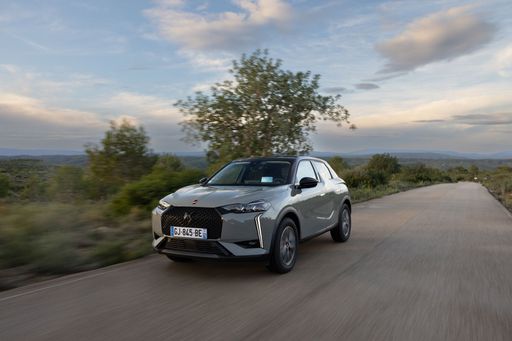
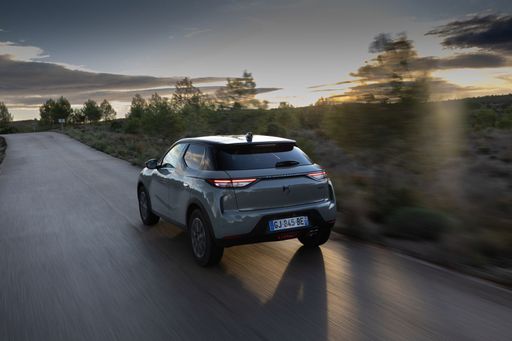
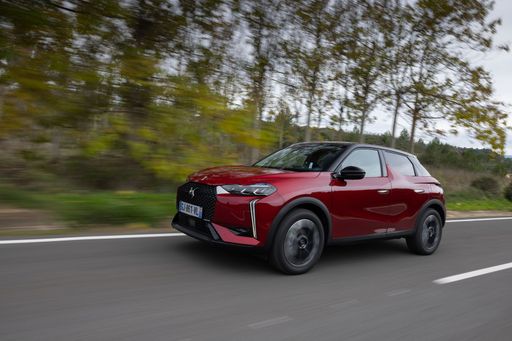
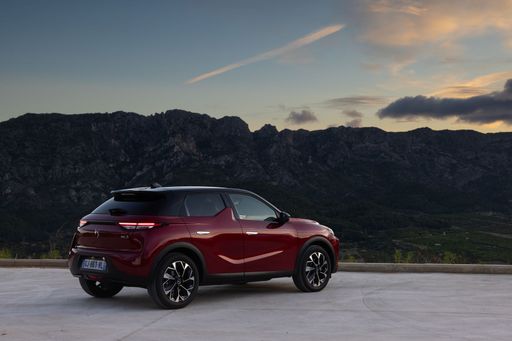
The DS 3 takes on an SUV body type, making it a bolder choice for those looking for a more commanding presence on the road. With a length of 4118 mm and a width of 1791 mm, it stands out with its premium styling and aerodynamics designed for comfort and efficiency.

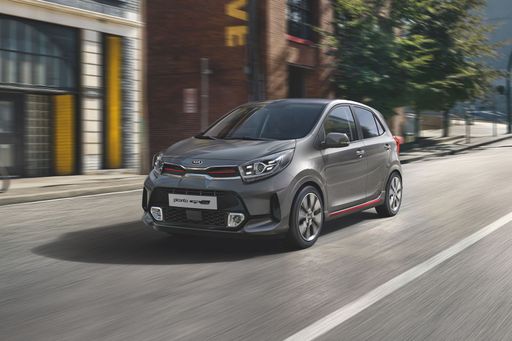
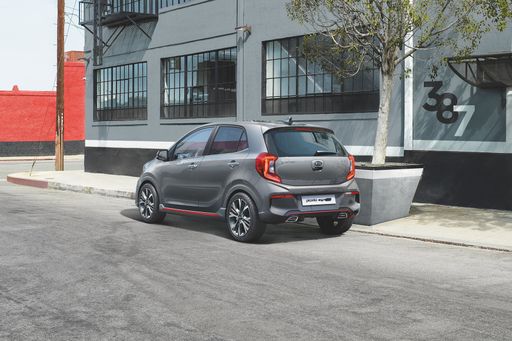
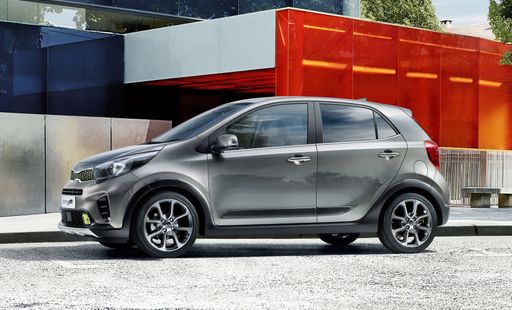
On the other hand, the Kia Picanto adopts a compact hatchback format, tailoring itself for city driving with its smaller footprint at 3605 mm in length and 1595 mm in width. This design not only enhances maneuverability but also caters to the needs of urban dwellers seeking a nimble and practical vehicle.

DS 3

Engine Options and Performance

When it comes to engine choices, the DS 3 offers a versatile range including petrol, diesel, and an electric variant. The petrol lineup delivers power options ranging from 130 to 156 HP, with automatic transmission options, including a dual-clutch automatic. The electric version peaks at an impressive 400 km range on a full charge, emphasizing eco-friendliness without sacrificing performance.

Conversely, the Kia Picanto is exclusively powered by petrol, with power output options of 63 to 79 HP. The Picanto provides both manual and automatic transmission systems, although its acceleration times reflect its more modest performance aims, with times reaching up to 18.2 seconds for the slower variants.

Picanto

Fuel Efficiency

Fuel consumption is a crucial factor for many buyers, and here, the DS 3 shines with its better efficiency, recording figures as low as 5.0 L/100km for some petrol models. Meanwhile, the electric variant showcases a consumption rate of 15.5 kWh/100km, making it a practical choice for eco-conscious consumers.

The Kia Picanto, while not aiming for the same performance, provides reasonable fuel economy with consumption ratings ranging from 5.2 to 5.7 L/100km, aligning with its city driving intent.

DS 3

Interior and Comfort

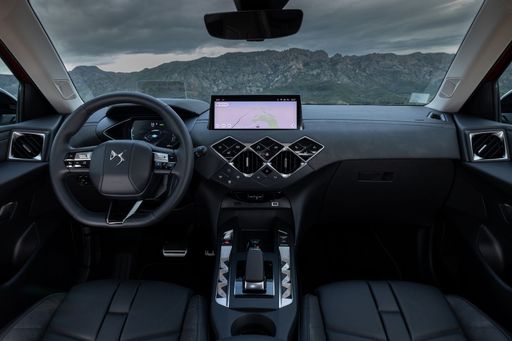
Inside the DS 3, the focus shifts towards a luxurious experience with five seating capacity. The interior features high-quality materials, advanced infotainment systems, and ample trunk space of 350 liters, striking a balance between style and practicality.

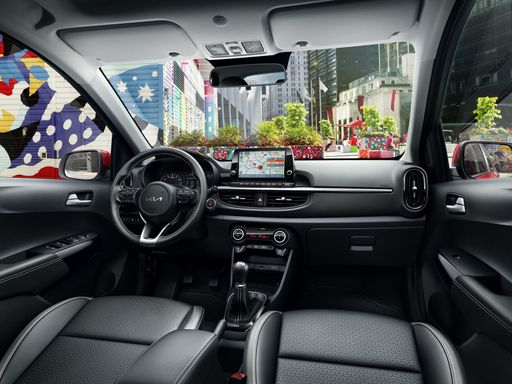
In contrast, the Kia Picanto offers a more straightforward approach. With options for four or five seats, it might miss the premium touches of the DS 3 but compensates with its practicality, offering 255 liters of trunk space and easy-to-use technologies suited for daily urban commuting.

Picanto

Technology and Innovations

The DS 3 is equipped with advanced technological features, from safety to infotainment systems. Innovations may include adaptive cruise control, lane-keeping assist, and a cutting-edge infotainment system with connected services.

The Kia Picanto also embraces technology with features like Apple CarPlay and Android Auto compatibility, making it a solid choice for young, tech-savvy drivers. However, it may lack some of the more advanced systems found in its competitor.

DS 3

Pricing and Value

Pricing is often a decisive factor, and while specific figures may vary, the DS 3 generally positions itself at a higher price point reflecting its premium status and features. The Kia Picanto, designed as a budget-friendly solution, offers competitive pricing that appeals to first-time buyers and those looking for economical options.

Picanto

Conclusion

Choosing between the DS Automobiles DS 3 and the Kia Picanto ultimately comes down to personal preference and needs. If luxury, performance, and a wide variety of powertrains are at the top of your list, the DS 3 stands as a formidable contender. Meanwhile, the Kia Picanto remains a reliable choice for those seeking practicality and efficiency in an urban setting, all wrapped up in a budget-friendly package.

Both vehicles cater to different market segments, but each brings innovative solutions and styling to the automotive landscape, making them worth consideration in your next car purchase.

Here’s where it gets real: The technical differences in detail

DS 3

Costs and Efficiency:

When it comes to price and running costs, the biggest differences usually appear. This is often where you see which car fits your budget better in the long run.

Kia Picanto is considerably cheaper – starting at 15,300 £ , while the DS Automobiles DS 3 costs 28,400 £ . That’s a price difference of around 13,148 £.

Fuel consumption also shows a difference: the DS Automobiles DS 3 uses 5 L/100km and is barely more efficient than the Kia Picanto with 5.5 L/100km. The difference is about 0.5 L/100km.

Picanto

Engine and Performance:

Power, torque and acceleration are the classic benchmarks for car enthusiasts – and here, some clear differences start to show.

When it comes to engine power, the DS Automobiles DS 3 offers substantially more power – delivering 156 HP compared to 68 HP. That’s roughly 88 HP more horsepower.

When accelerating from 0 to 100 km/h, the DS Automobiles DS 3 is considerably quicker – completing the sprint in 9.1 s, while the Kia Picanto takes 14.6 s. That’s about 5.5 s quicker.

There’s also a difference in torque: the DS Automobiles DS 3 delivers substantially more torque with 260 Nm compared to 96 Nm. That’s about 164 Nm more.

DS 3

Space and Everyday Use:

Beyond pure performance, interior space and usability matter most in daily life. This is where you see which car is more practical and versatile.

Both vehicles offer seating for 5 people.

In terms of curb weight, Kia Picanto is moderately lighter – 1,124 kg compared to 1,249 kg. The difference is around 125 kg.

When it comes to payload, the DS Automobiles DS 3 carries noticeably more – 466 kg compared to 332 kg. That’s a difference of about 134 kg.

Who wins the race in the data check?

The DS Automobiles DS 3 holds a decisive overall lead in the objective data comparison.
This result only shows which model scores more points on paper – not which of the two cars feels right for you.

from £28,400
DS 3

DS Automobiles DS 3

  • Engine Type : Electric, Petrol MHEV
  • Transmission : Automatic
  • Drive Type : Front-Wheel Drive
  • Power HP : 145 - 156 HP
  • Consumption L/100km : 5 L/100km
  • Consumption kWh/100km : 15.5 kWh/100km
  • Electric Range : 400 km
DS Automobiles DS 3
Kia Picanto

Costs and Consumption

View detailed analysis

Engine and Performance

View detailed analysis

Dimensions and Body

View detailed analysis

DS Automobiles DS 3

The DS 3 is a chic, compact premium hatch that stands out with couture styling and an interior that feels more boutique than bargain-bin. It serves up a poised, city-friendly drive with plenty of French flair — ideal for buyers who want personality as much as practicality and don’t mind turning heads at the lights.

details

Kia Picanto

Kia Picanto is a cheeky city hatch that squeezes surprising style, practicality and a smile-inducing drive into a pocket-friendly package. It’s ideal for urban buyers who want fuss-free running, effortless parking and a car that punches above its class without pretending to be anything it’s not.

details
DS Automobiles DS 3
Kia Picanto

Costs and Consumption

Price
28,400 - 40,500 £
Price
15,300 - 19,300 £
Consumption L/100km
5 L/100km
Consumption L/100km
5.5 - 5.9 L/100km
Consumption kWh/100km
15.5 kWh/100km
Consumption kWh/100km
-
Electric Range
400 km
Electric Range
-
Battery Capacity
51 kWh
Battery Capacity
-
co2
0 - 112 g/km
co2
126 - 134 g/km
Fuel tank capacity
44 L
Fuel tank capacity
-

Dimensions and Body

Body Type
SUV
Body Type
Hatchback
Seats
5
Seats
4 - 5
Doors
5
Doors
-
Curb weight
1,249 - 1,646 kg
Curb weight
1,124 - 1,131 kg
Trunk capacity
350 L
Trunk capacity
-
Length
4,118 mm
Length
-
Width
1,791 mm
Width
1,595 mm
Height
1,534 mm
Height
-
Max trunk capacity
1,050 L
Max trunk capacity
-
Payload
362 - 466 kg
Payload
253 - 332 kg

Engine and Performance

Engine Type
Electric, Petrol MHEV
Engine Type
Petrol
Transmission
Automatic
Transmission
Manuel, Automatic
Transmission Detail
Reduction Gearbox, Dual-Clutch Automatic
Transmission Detail
Manual Gearbox, Automated Manual
Drive Type
Front-Wheel Drive
Drive Type
Front-Wheel Drive
Power HP
145 - 156 HP
Power HP
68 HP
Acceleration 0-100km/h
9.1 - 9.2 s
Acceleration 0-100km/h
14.6 - 17.2 s
Max Speed
150 - 196 km/h
Max Speed
-
Torque
230 - 260 Nm
Torque
96 Nm
Number of Cylinders
3
Number of Cylinders
3
Power kW
107 - 115 kW
Power kW
50 kW
Engine capacity
1,199 cm3
Engine capacity
998 cm3

General

Model Year
2,024 - 2,025
Model Year
2,025
CO2 Efficiency Class
A, C
CO2 Efficiency Class
D
Brand
DS Automobiles
Brand
Kia
DriveDuel uses data analysis and artificial intelligence to evaluate vehicle data and create content. Content is regularly reviewed and improved. The displayed prices are estimates based on German list prices, adjusted to the respective country’s VAT. Country-specific registration taxes are not included. This information is not legally binding.