VS

Fiat 600 vs smart #3 comparison

Compare performance (156 HP vs 272 HP), boot space and price (21,000 £ vs 42,000 £ ) at a glance. Find out which car is the better choice for you – Fiat 600 or smart #3?

Fiat 600 vs smart #3: Key differences

Fiat 600

4.8 (3 Reviews)
rate
  • considerably cheaper
  • barely more efficient
  • considerably lighter
  • only slightly more trunk space
details

smart #3

5 (1 Reviews)
rate
  • significantly more power
  • a bit more electric range
  • clearly quicker 0–100 km/h
details

All details on performance, efficiency, range and trunk space can be found in the technical comparison below – including user reviews for both models.

By Achim Sedelmaier

600

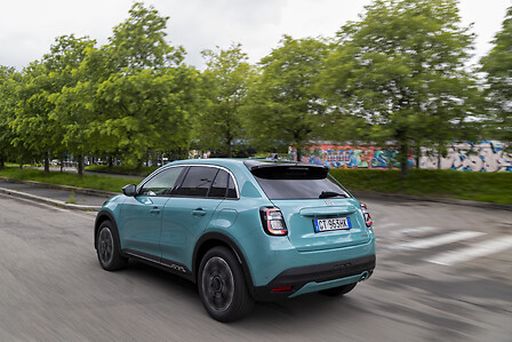
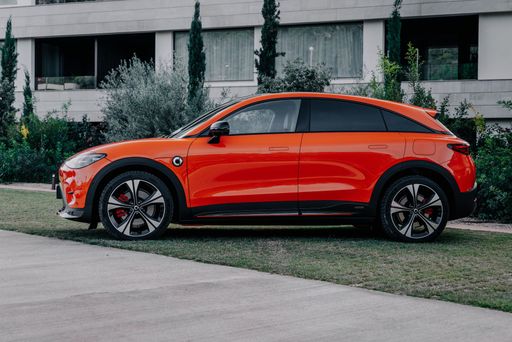
As the automotive landscape continues to evolve towards sustainability and innovation, two standout vehicles—a contemporary take on a classic, the Fiat 600, and the forward-thinking smart #3—have captured the attention of car enthusiasts. Both are compact SUVs designed to appeal to urban dwellers while providing unique features and performance. In this article, we compare the Fiat 600 with the smart #3 in terms of technical specifications, design, and innovative attributes.
#3

Design and Dimensions

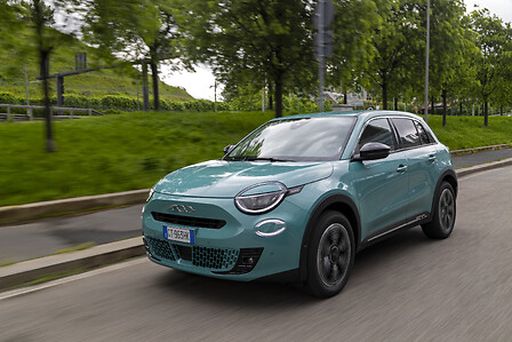
The Fiat 600 boasts a length of 4178 mm, a width of 1779 mm, and a height of 1525 mm. Its slightly retro styling combines modern elements with nostalgic touches, while the spacious interior comfortably seats five passengers. The trunk capacity of 385 liters ensures ample storage for daily urban adventures.

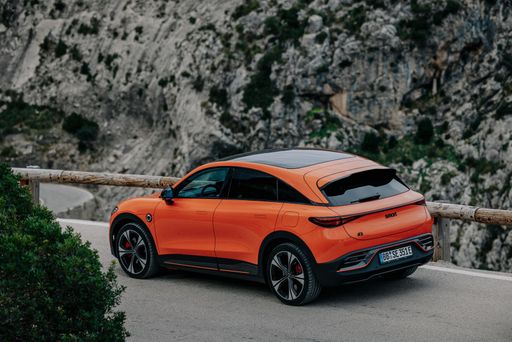
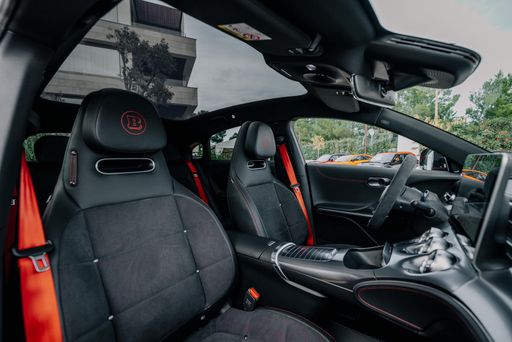
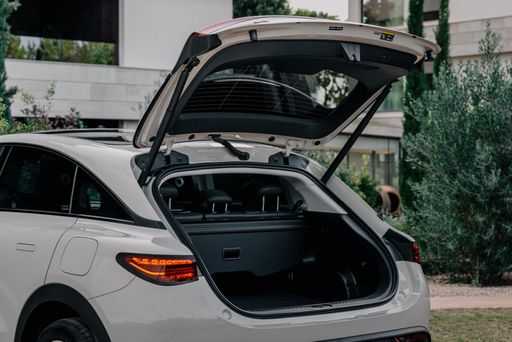
On the other hand, the smart #3 is slightly longer at 4400 mm, wider at 1844 mm, and higher at 1556 mm. This additional size translates into a more robust aesthetic and a slightly more spacious cabin. When it comes to cargo space, the #3 offers 370 liters, making it slightly less practical than the Fiat for storage—but still competitive for a city SUV.

600

Powertrain and Performance

The Fiat 600 offers a choice of petrol MHEV and fully electric powertrains, with power outputs ranging from 100 hp to 156 hp. It's front-wheel drive and comes with an automatic transmission and dual-clutch setup, providing smooth shifts. Its 0-100 km/h acceleration varies from a respectable 8.5 seconds to 10.5 seconds, depending on the engine option, making it agile enough for city driving.

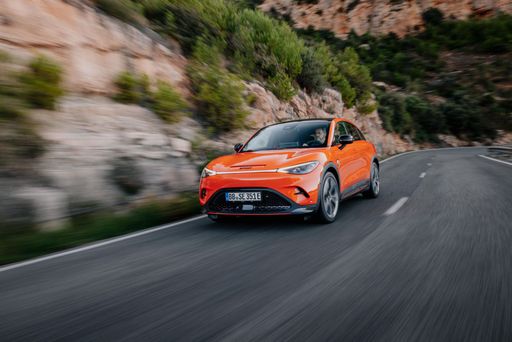
In contrast, the smart #3 is exclusively electric, available with power outputs of up to 428 hp. With a sharp emphasis on performance, it can sprint from 0-100 km/h in as little as 3.7 seconds, which is significantly quicker than the Fiat. The rear-wheel drive or optional all-wheel drive arrangement provides excellent handling, making it a joy on both city streets and open roads.

#3

Battery and Efficiency

The Fiat 600 offers a battery capacity of 51 kWh, with an impressive electric range of up to 409 km. The petrol variant achieves a consumption rate of 4.8 L/100 km, showcasing its efficiency for combustion engine lovers.

Meanwhile, the smart #3 comes with two battery options: 47 kWh and 62 kWh, enabling a maximum electric range between 325 km and 455 km. While the consumption for the smart #3 varies—ranging from 16.3 kWh/100 km to 17.2 kWh/100 km—it offers a zero-emission drive, truly embodying sustainability. Both models achieve an 'A' rating for CO2 efficiency, confirming their eco-conscious designs.

Technological Innovations

The Fiat 600 embraces modern technology with features that enhance safety and connectivity. Advanced driver-assistance systems (ADAS), infotainment platforms, and smartphone integration through Apple CarPlay and Android Auto cater to tech-savvy users.

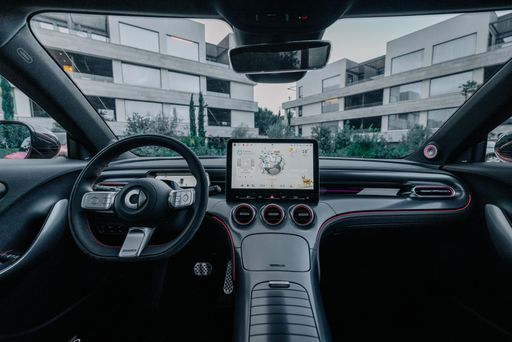
The smart #3 goes a step further with its focus on digital innovation. Boasting cutting-edge connectivity features, a high-performance infotainment system, and an array of smart safety technologies, this SUV is tailored for a more connected driving experience. Its ability to receive over-the-air updates ensures that the vehicle remains current with software improvements and enhancements.

Conclusion: Choosing the Right Compact SUV

In the battle of the compact SUVs, the Fiat 600 and smart #3 each bring distinctive strengths to the table. The Fiat combines classic charm with modern performance and efficiency, making it appealing for everyday city use. Conversely, the smart #3 is a powerhouse of electric performance, packed with advanced technology aimed at providing optimal driving pleasure.

Ultimately, the choice hinges on individual priorities: whether one values a nostalgic design and versatility or cutting-edge performance and electrification. Both vehicles contribute to the shift toward a more sustainable automotive future, ensuring exciting options for eco-conscious consumers.

Here’s where it gets real: The technical differences in detail

600

Costs and Efficiency:

Looking at overall running costs, both models reveal some interesting differences in everyday economy.

Fiat 600 is considerably cheaper – starting at 21,000 £ , while the smart #3 costs 42,000 £ . That’s a price difference of around 21,000 £.

In terms of energy consumption, the Fiat 600 is barely more efficient: consuming 15.1 kWh/100km compared to 16.3 kWh/100km for the smart #3. That’s a difference of about 1.2 kWh/100km.

As for electric range, the smart #3 offers a bit more range – reaching up to 455 km, about 46 km more than the Fiat 600.

#3

Engine and Performance:

Power, torque and acceleration are the classic benchmarks for car enthusiasts – and here, some clear differences start to show.

When it comes to engine power, the smart #3 offers significantly more power – delivering 272 HP compared to 156 HP. That’s roughly 116 HP more horsepower.

When accelerating from 0 to 100 km/h, the smart #3 is clearly quicker – completing the sprint in 5.8 s, while the Fiat 600 takes 8.5 s. That’s about 2.7 s quicker.

There’s also a difference in torque: the smart #3 delivers visibly more torque with 384 Nm compared to 260 Nm. That’s about 124 Nm more.

600

Space and Everyday Use:

Beyond pure performance, interior space and usability matter most in daily life. This is where you see which car is more practical and versatile.

Both vehicles offer seating for 5 people.

In terms of curb weight, Fiat 600 is considerably lighter – 1,265 kg compared to 1,810 kg. The difference is around 545 kg.

Looking at boot space, the Fiat 600 offers only slightly more boot space – 385 L compared to 370 L. That’s a difference of about 15 L.

When it comes to payload, the Fiat 600 carries moderately more – 517 kg compared to 450 kg. That’s a difference of about 67 kg.

Who wins the race in the data check?

The smart #3 holds a slight edge in the objective data comparison.
This result only shows which model scores more points on paper – not which of the two cars feels right for you.

£41,991
#3

smart #3

  • Engine Type Electric
  • Transmission Automatic
  • Drive Type Rear-Wheel Drive
  • Power HP 272 HP
  • Consumption kWh/100km 16.3 kWh/100km
  • Electric Range 455 km
Fiat 600
smart #3

Costs and Consumption

View detailed analysis

Engine and Performance

View detailed analysis

Dimensions and Body

View detailed analysis

Fiat 600

The Fiat 600 is small, cheeky and utterly charming, a pocket-sized Italian that packs more personality than its size suggests. Ideal for city buyers who want fuss-free motoring with a playful driving character, it puts smiles ahead of spreadsheets.

details

smart #3

The Smart #3 turns the brand's cheeky city-car attitude into a grown-up compact SUV, pairing sleek styling with a surprisingly roomy, well-made interior. It's a brilliant pick for buyers who want electric ease without dullness — practical enough for daily life, but still lively enough to make parking and grocery runs feel a little fun.

details
Fiat 600
smart #3

Costs and Consumption

Price
21,000 - 31,300 £
Price
42,000 £
Consumption L/100km
4.8 - 5.7 L/100km
Consumption L/100km
-
Consumption kWh/100km
15.1 kWh/100km
Consumption kWh/100km
16.3 kWh/100km
Electric Range
409 km
Electric Range
455 km
Battery Capacity
-
Battery Capacity
-
co2
0 - 129 g/km
co2
0 g/km
Fuel tank capacity
-
Fuel tank capacity
-

Dimensions and Body

Body Type
SUV
Body Type
SUV
Seats
5
Seats
5
Doors
-
Doors
-
Curb weight
1,265 - 1,595 kg
Curb weight
1,810 kg
Trunk capacity
360 - 385 L
Trunk capacity
370 L
Length
-
Length
-
Width
1,779 mm
Width
1,844 mm
Height
-
Height
-
Max trunk capacity
-
Max trunk capacity
-
Payload
427 - 517 kg
Payload
450 kg

Engine and Performance

Engine Type
Petrol MHEV, Electric, Petrol
Engine Type
Electric
Transmission
Automatic, Manuel
Transmission
Automatic
Transmission Detail
Dual-Clutch Automatic, Reduction Gearbox, Manual Gearbox
Transmission Detail
Reduction Gearbox
Drive Type
Front-Wheel Drive
Drive Type
Rear-Wheel Drive
Power HP
100 - 156 HP
Power HP
272 HP
Acceleration 0-100km/h
8.5 - 10.6 s
Acceleration 0-100km/h
5.8 s
Max Speed
-
Max Speed
-
Torque
205 - 260 Nm
Torque
384 Nm
Number of Cylinders
3
Number of Cylinders
-
Power kW
74 - 115 kW
Power kW
200 kW
Engine capacity
1,199 cm3
Engine capacity
-

General

Model Year
2,025 - 2,026
Model Year
2025
CO2 Efficiency Class
C, A, D
CO2 Efficiency Class
A
Brand
Fiat
Brand
smart
DriveDuel uses data analysis and artificial intelligence to evaluate vehicle data and create content. Content is regularly reviewed and improved. The displayed prices are estimates based on German list prices, adjusted to the respective country’s VAT. Country-specific registration taxes are not included. This information is not legally binding.