
 Deutschland
 France
 Nederland
 Great Britain
 Sverige
 Danmark
 Suomi
Suomi Italia
 Polska
 Česko
Česko España
VS
Fiat Ducato vs NIO EL7 comparison
Compare performance (140 HP vs 653 HP), boot space and price (41,200 £ vs 63,300 £ ) at a glance. Find out which car is the better choice for you – Fiat Ducato or NIO EL7?
Fiat Ducato vs NIO EL7: Key differences
Ducato
Costs and Efficiency:
Price and efficiency are often the first things buyers look at. Here it becomes clear which model has the long-term edge – whether at the pump, the plug, or in purchase price.
Fiat Ducato is considerably cheaper – starting at 41,200 £ , while the NIO EL7 costs 63,300 £ . That’s a price difference of around 22,185 £.
EL7
Engine and Performance:
Under the bonnet, it becomes clear which model is tuned for sportiness and which one takes the lead when you hit the accelerator.
When it comes to engine power, the NIO EL7 offers considerably more power – delivering 653 HP compared to 140 HP. That’s roughly 513 HP more horsepower.
There’s also a difference in torque: the NIO EL7 delivers significantly more torque with 850 Nm compared to 350 Nm. That’s about 500 Nm more.
Ducato
Space and Everyday Use:
Cabin size, boot volume and payload all play a role in everyday practicality. Here, comfort and flexibility make the difference.
Seats: NIO EL7 offers more seats – 5 vs 3.
In terms of curb weight, Fiat Ducato is slightly lighter – 2,165 kg compared to 2,421 kg. The difference is around 256 kg.
When it comes to payload, the Fiat Ducato carries significantly more – 2,020 kg compared to 469 kg. That’s a difference of about 1,551 kg.
Who wins the race in the data check?
The NIO EL7 is decisively ahead in the objective data comparison.
This result only shows which model scores more points on paper – not which of the two cars feels right for you.
from £63,300
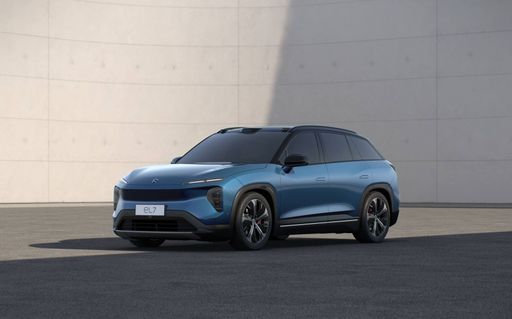
NIO EL7
Fiat Ducato
NIO EL7
Costs and Consumption
View detailed analysis
View detailed analysis
Engine and Performance
View detailed analysis
View detailed analysis
Dimensions and Body
View detailed analysis
View detailed analysis
Fiat Ducato
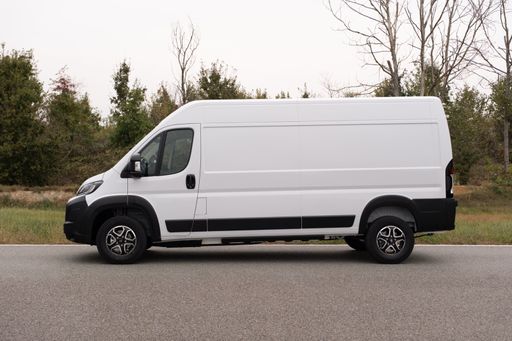
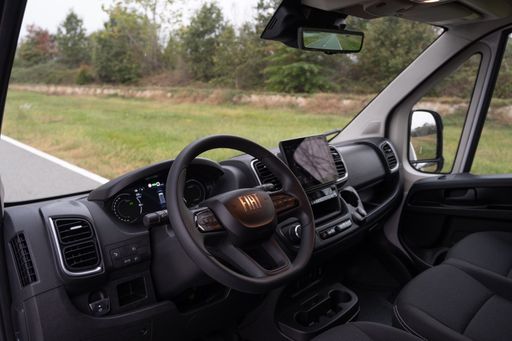
The Fiat Ducato is a no-nonsense workhorse that turns practicality into an artform, with a cavernous, flexible load area and predictable, car-like driving manners that make long days behind the wheel far less tedious. It’s equally at home with a tradesman’s kit or a camper conversion, offering sensible packaging, easy servicing and the sort of reliability that keeps surprises—and down-time—to a minimum.
details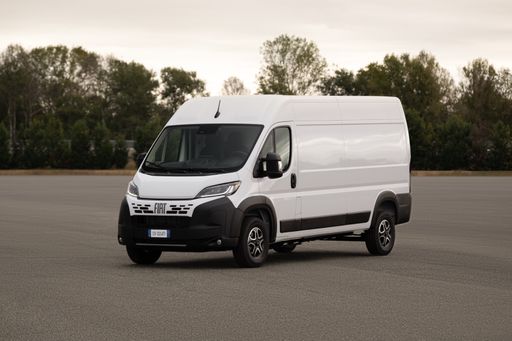
NIO EL7
The NIO EL7 arrives as a roomy electric SUV that pairs restrained elegance with bold design cues, and its interior feels like a calm, tech-forward lounge rather than a gadget parade. For buyers who crave effortless cruising, spirited performance and a tastefully premium experience — with just the right amount of showmanship for the driveway — the EL7 is an enticing, slightly theatrical choice.
details
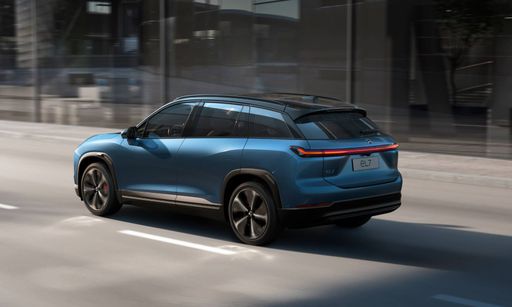
Fiat Ducato
NIO EL7
Costs and Consumption |
|
|---|---|
|
Price
41,200 - 43,900 £
|
Price
63,300 - 81,300 £
|
|
Consumption L/100km
7.5 - 8.2 L/100km
|
Consumption L/100km
-
|
|
Consumption kWh/100km
-
|
Consumption kWh/100km
22.1 - 22.4 kWh/100km
|
|
Electric Range
-
|
Electric Range
384 - 501 km
|
|
Battery Capacity
-
|
Battery Capacity
73.5 - 90 kWh
|
|
co2
198 - 217 g/km
|
co2
0 g/km
|
|
Fuel tank capacity
-
|
Fuel tank capacity
-
|
Dimensions and Body |
|
|---|---|
|
Body Type
Cargo Van
|
Body Type
SUV
|
|
Seats
3
|
Seats
5
|
|
Doors
-
|
Doors
5
|
|
Curb weight
2,165 - 2,230 kg
|
Curb weight
2,421 - 2,441 kg
|
|
Trunk capacity
-
|
Trunk capacity
570 L
|
|
Length
-
|
Length
4,912 mm
|
|
Width
2,050 mm
|
Width
1,987 mm
|
|
Height
-
|
Height
1,720 mm
|
|
Max trunk capacity
-
|
Max trunk capacity
1,545 L
|
|
Payload
1,315 - 2,020 kg
|
Payload
449 - 469 kg
|
Engine and Performance |
|
|---|---|
|
Engine Type
Diesel
|
Engine Type
Electric
|
|
Transmission
Manuel, Automatic
|
Transmission
Automatic
|
|
Transmission Detail
Manual Gearbox, Automatic Gearbox
|
Transmission Detail
Reduction Gearbox
|
|
Drive Type
Front-Wheel Drive
|
Drive Type
All-Wheel Drive
|
|
Power HP
140 HP
|
Power HP
653 HP
|
|
Acceleration 0-100km/h
-
|
Acceleration 0-100km/h
3.9 s
|
|
Max Speed
-
|
Max Speed
200 km/h
|
|
Torque
350 Nm
|
Torque
850 Nm
|
|
Number of Cylinders
4
|
Number of Cylinders
-
|
|
Power kW
103 kW
|
Power kW
480 kW
|
|
Engine capacity
2,184 cm3
|
Engine capacity
-
|
General |
|
|---|---|
|
Model Year
2025
|
Model Year
2023
|
|
CO2 Efficiency Class
G
|
CO2 Efficiency Class
A
|
|
Brand
Fiat
|
Brand
NIO
|
DriveDuel uses data analysis and artificial intelligence to evaluate vehicle data and create content. Content is regularly reviewed and improved.
The displayed prices are estimates based on German list prices, adjusted to the respective country’s VAT. Country-specific registration taxes are not included. This information is not legally binding.