
 Deutschland
 Schweiz (DE)
 France
 Nederland
 Great Britain
 Italia
 España
VS
Ford Transit Courier VS Nissan Leaf – Specs, Efficiency & Price Comparison
Which model is the better choice – the Ford Transit Courier or the Nissan Leaf? We compare performance (136 HP vs 217 HP), boot capacity ( vs 394 L), efficiency ( vs 16.70 kWh), and of course, the price (18900 £ vs 30800 £).
Find out now which car fits your needs better!
The Ford Transit Courier (Cargo Van) is powered by a Petrol, Diesel or Electric engine and comes with a Manuel or Automatic transmission. In comparison, the Nissan Leaf (Hatchback) features a Electric engine and a Automatic gearbox.
When it comes to boot capacity, the Ford Transit Courier offers , while the Nissan Leaf provides 394 L – depending on what matters most to you. If you’re looking for more power, you’ll need to decide whether the 136 HP of the Ford Transit Courier or the 217 HP of the Nissan Leaf suits your needs better.
There are also differences in efficiency: vs 16.70 kWh. In terms of price, the Ford Transit Courier starts at 18900 £, while the Nissan Leaf is available from 30800 £.
Compare all the key specs now and find out which model fits your lifestyle best!
Ford Transit Courier
The Ford Transit Courier is a compact and versatile van that offers practicality and efficiency for urban driving. With its spacious interior and smart storage solutions, it caters well to the needs of small businesses and delivery drivers. The vehicle's design combines functionality with a modern aesthetic, making it a popular choice in the light commercial vehicle market.
details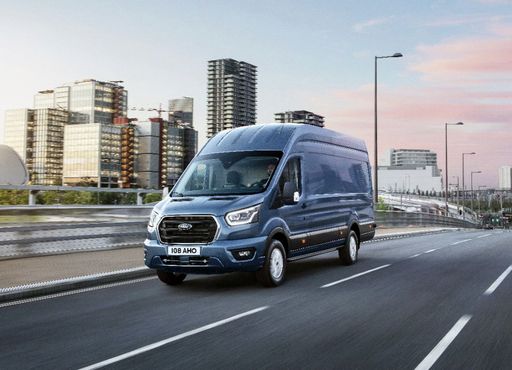 @ media.ford.com
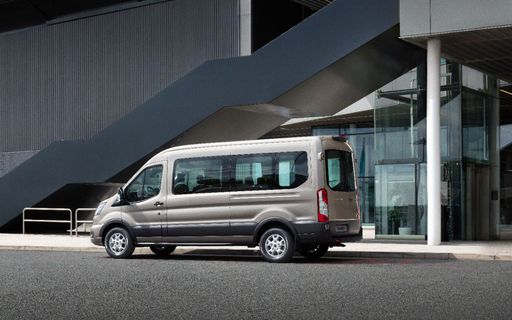 @ media.ford.com
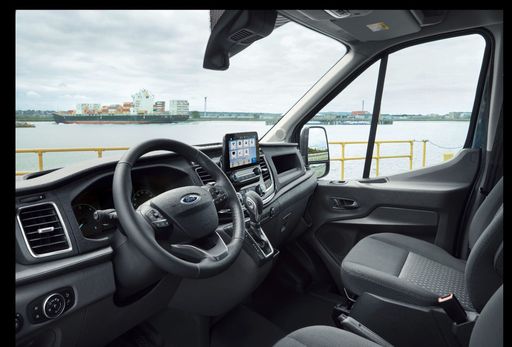 @ media.ford.com
Nissan Leaf
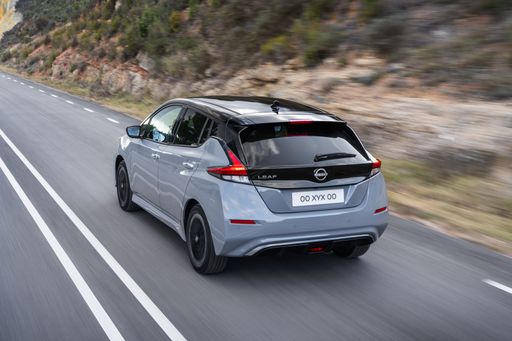
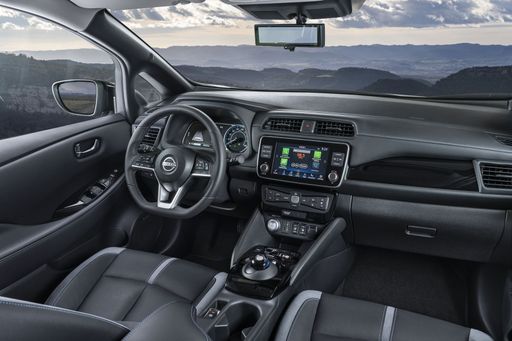
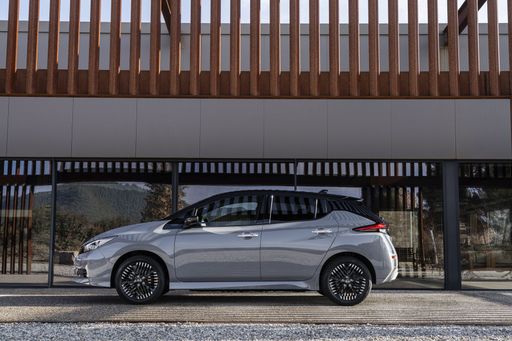
The Nissan Leaf stands out as a pioneering model in the realm of electric vehicles, known for its impressive blend of practicality and eco-friendliness. It offers a smooth and quiet driving experience, making it an ideal choice for city commuting and longer journeys alike. The interior design is both comfortable and intuitive, providing drivers with a sense of modernity and ease of use.
details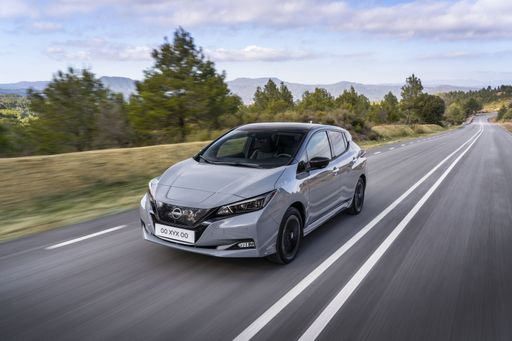 @ germany.nissannews.com
 @ germany.nissannews.com
 @ germany.nissannews.com
 @ germany.nissannews.com
Ford Transit Courier
Nissan Leaf
|
|
|
|
|
|
Costs and Consumption |
|
|---|---|
|
Price
18900 - 31100 £
|
Price
30800 - 37200 £
|
|
Consumption L/100km
-
|
Consumption L/100km
-
|
|
Consumption kWh/100km
-
|
Consumption kWh/100km
16.7 - 17.8 kWh
|
|
Electric Range
293 km
|
Electric Range
270 - 385 km
|
|
Battery Capacity
43.50 kWh
|
Battery Capacity
39 - 59 kWh
|
|
co2
0 g/km
|
co2
0 g/km
|
|
Fuel tank capacity
44 - 45 L
|
Fuel tank capacity
-
|
Dimensions and Body |
|
|---|---|
|
Body Type
Cargo Van
|
Body Type
Hatchback
|
|
Seats
2 - 5
|
Seats
5
|
|
Doors
3 - 5
|
Doors
5
|
|
Curb weight
-
|
Curb weight
1580 - 1756 kg
|
|
Trunk capacity
-
|
Trunk capacity
385 - 394 L
|
|
Length
4337 - 4344 mm
|
Length
4490 mm
|
|
Width
1800 - 1813 mm
|
Width
1788 mm
|
|
Height
1819 - 1839 mm
|
Height
1540 - 1545 mm
|
|
Payload
-
|
Payload
384 - 415 kg
|
Engine and Performance |
|
|---|---|
|
Engine Type
Petrol, Diesel, Electric
|
Engine Type
Electric
|
|
Transmission
Manuel, Automatic
|
Transmission
Automatic
|
|
Transmission Detail
Schaltgetriebe, Automatikgetriebe
|
Transmission Detail
Reduction Gearbox
|
|
Drive Type
Front-Wheel Drive
|
Drive Type
Front-Wheel Drive
|
|
Power HP
100 - 136 HP
|
Power HP
150 - 217 HP
|
|
Acceleration 0-100km/h
-
|
Acceleration 0-100km/h
6.9 - 7.9 s
|
|
Max Speed
-
|
Max Speed
144 - 157 km/h
|
|
Torque
170 - 290 Nm
|
Torque
320 - 340 Nm
|
|
Number of Cylinders
3 - 4
|
Number of Cylinders
-
|
|
Power kW
74 - 100 kW
|
Power kW
110 - 160 kW
|
|
Engine capacity
998 - 1500 cm3
|
Engine capacity
-
|
General |
|
|---|---|
|
Model Year
2023 - 2025
|
Model Year
2019
|
|
CO2 Efficiency Class
A
|
CO2 Efficiency Class
A
|
|
Brand
Ford
|
Brand
Nissan
|
Ford Transit Courier
The All-New Ford Transit Courier: Small Package, Big Performance
The Ford Transit Courier has long been a reliable companion for businesses seeking practicality, versatility, and economy without sacrificing performance. As part of the new 2023 model range, the Transit Courier continues to deliver with updated features and enhanced capabilities. But what makes this small but mighty van stand out in its segment? Let's dive deeper into its technical details and innovations.
Engine and Performance: Power Meets Efficiency
Under the bonnet, the Ford Transit Courier offers a selection of efficient engines designed to maximise performance while keeping running costs low. The range comprises both petrol and diesel variants, with power outputs ranging from 100 PS to a robust 125 PS. The 1.0 EcoBoost engines are well-known for their blend of power and fuel efficiency, making them ideal for urban deliveries and longer hauls alike. Meanwhile, the 1.5 EcoBlue diesel engines provide a torque-rich drive, offering reliable power for those who demand more from their vehicle.
Transmission Options: Tailored for Every Driver
The Ford Transit Courier caters to diverse driving preferences with both manual and automatic transmission options. The manual gearbox provides drivers with a hands-on, engaging drive, while the automatic transmission offers seamless gear changes for a more relaxed experience, perfect for navigating busy city streets or highways.
Sleek Design Meets Functionality: Dimensions and Capacity
Despite its compact size, the Ford Transit Courier maximises interior space with its intelligent design. Measuring between 4337 mm and 4344 mm in length and up to 1813 mm in width, its spacious cargo area is complemented by a well-thought-out cabin, ensuring driver comfort and ample storage solutions. With a height between 1827 mm and 1839 mm, the Transit Courier provides ease of access and loading convenience.
Advanced Technology: The Future of Driving
The 2023 model year brings cutting-edge technology features to the fore. From advanced driver-assist features to enhance safety, such as lane-keeping assist and adaptive cruise control, to intuitive infotainment systems designed to keep drivers connected on the move, the Ford Transit Courier ensures a modern driving experience reflective of its innovative spirit.
Practicality Over Everything: A Vivid Example
True to its reputation, the Transit Courier continues to prioritise practicality. With seating for two, a configurable cargo area, and various trim levels including Active, Basis, Limited, and Trend, businesses can select a model that best suits their needs and budget. Prices range from €22,075 to €29,453, ensuring a versatile choice for any business requirement.
Efficient and Ready: The Final Verdict
The Ford Transit Courier is more than just a compact van; it is a reliable workhorse designed to meet the challenges of modern business. Its combination of fuel-efficient engines, practical design, and innovative technology ensures it remains a top contender in its class. Whether you're a small business owner or a fleet manager, the Transit Courier is an investment in efficiency and reliability.
Nissan Leaf
Introduction to the Nissan Leaf: A Pioneer in Electric Mobility
The Nissan Leaf has established itself as a trailblazer in the realm of electric vehicles (EVs) since its launch. As we delve into its present-day iterations, the Leaf continues to soar in popularity due to remarkable advancements in technology and sustainability. Let's explore what makes the Nissan Leaf a standout in today's automotive market.
Power and Performance: Under the Hood of the Nissan Leaf
The Nissan Leaf boasts a power output ranging from 150 to 217 PS, depending on the battery option chosen. The vehicle's electric motor, a product of cutting-edge engineering, offers instant torque ranging from 320 to 340 Nm, resulting in impressive acceleration capabilities. The 0 to 100 km/h dash is achieved in as little as 6.9 seconds, showcasing its prowess in electric performance.
Battery Technology: Efficient Energy Management
When discussing the Nissan Leaf, battery technology is at the forefront. The available battery capacities range from 39 to 59 kWh, supporting an electric range between 270 to 385 km. This flexibility allows drivers to choose a model that best fits their driving habits, providing peace of mind for longer journeys without frequent recharging.
Sustainability: The Environmental Edge
One of the primary attractions of the Nissan Leaf is its commitment to sustainability. As an all-electric vehicle, it produces zero CO2 emissions, placing it in the top tier of the CO2-efficiency class with an 'A' rating. This clean energy approach contributes significantly to reducing environmental impact and supports Nissan's drive towards a greener future.
Design and Comfort: Aesthetic Appeal and Practicality
The Nissan Leaf is not just about efficiency; it's also designed for comfort and utility. With its sleek hatchback body and dimensions of 4490 mm in length, 1788 mm in width, and a height of up to 1545 mm, it offers ample interior space. The boot capacity ranges from 385 to 394 litres, providing sufficient storage for everyday needs. The model accommodates five passengers comfortably, ensuring a pleasant ride for everyone.
Innovations and Safety: Advanced Features for Peace of Mind
Nissan equips the Leaf with an array of intelligent features that enhance safety and convenience. The available equipment lines, including N-CONNECTA, Tekna, e+ N-CONNECTA, and e+ Tekna, offer varying levels of technology integration. ProPILOT Assist, e-Pedal, and a comprehensive suite of driver-assistance technology are just a few examples that highlight Nissan's commitment to innovation in the EV market.
Conclusion: The Nissan Leaf Continues to Lead
With prices ranging from €35,900 to €43,400, the Nissan Leaf remains an attractive choice for those looking to embrace electric mobility. It perfectly balances performance, design, and sustainability, making it a compelling choice in the competitive EV landscape. The Nissan Leaf not only represents the future of driving but also reinforces why it continues to be a leader in the electric vehicle community.
The prices and data displayed are estimates based on German list prices and may vary by country. This information is not legally binding.