
 Deutschland
 France
 Nederland
 Great Britain
 Sverige
 Danmark
 Suomi
Suomi Italia
 Polska
 Česko
Česko España
VS
Ford Transit Custom Transporter vs Kia EV6 comparison
Compare performance (286 HP vs 609 HP), boot space and price (49,700 £ vs 38,600 £ ) at a glance. Find out which car is the better choice for you – Ford Transit Custom Transporter or Kia EV6?
Ford Transit Custom Transporter vs Kia EV6: Key differences
All details on performance, efficiency, range and trunk space can be found in the technical comparison below – including user reviews for both models.
Transit Custom Transporter
Costs and Efficiency:
Price and efficiency are often the first things buyers look at. Here it becomes clear which model has the long-term edge – whether at the pump, the plug, or in purchase price.
Kia EV6 is noticeably cheaper – starting at 38,600 £ , while the Ford Transit Custom Transporter costs 49,700 £ . That’s a price difference of around 11,112 £.
EV6
Engine and Performance:
Power, torque and acceleration say a lot about how a car feels on the road. This is where you see which model delivers more driving dynamics.
When it comes to engine power, the Kia EV6 offers significantly more power – delivering 609 HP compared to 286 HP. That’s roughly 323 HP more horsepower.
There’s also a difference in torque: the Kia EV6 delivers moderately more torque with 770 Nm compared to 630 Nm. That’s about 140 Nm more.
Transit Custom Transporter
Space and Everyday Use:
Cabin size, boot volume and payload all play a role in everyday practicality. Here, comfort and flexibility make the difference.
Seats: Ford Transit Custom Transporter offers more seats – 6 vs 5.
Who wins the race in the data check?
The Kia EV6 holds a decisive overall lead in the objective data comparison.
This result only shows which model scores more points on paper – not which of the two cars feels right for you.
from £38,600
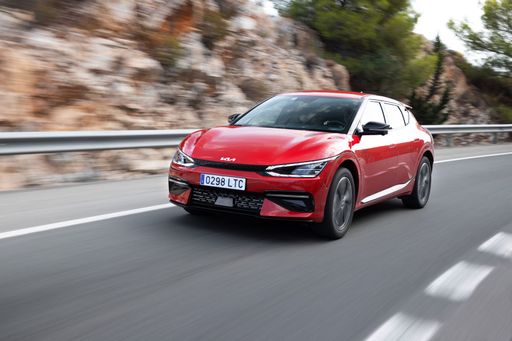
Kia EV6
Ford Transit Custom Transporter
Kia EV6
Costs and Consumption
View detailed analysis
View detailed analysis
Engine and Performance
View detailed analysis
View detailed analysis
Dimensions and Body
View detailed analysis
View detailed analysis
Ford Transit Custom Transporter
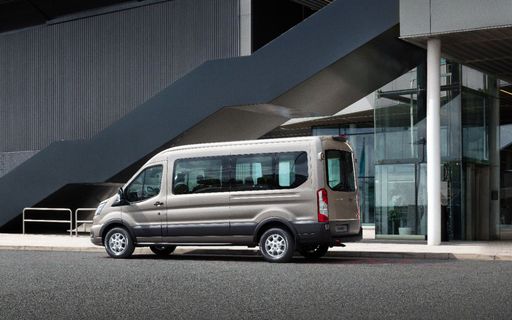
The Transit Custom is a clever, no-nonsense workhorse that blends roomy practicality with surprisingly car-like driving manners, so your workday feels less like a chore and more like efficient transport. With a sensible interior, smart storage and tidy handling, it’s the kind of van that makes owners smile while they get on with the job — reliable, unfussy and built to keep moving.
details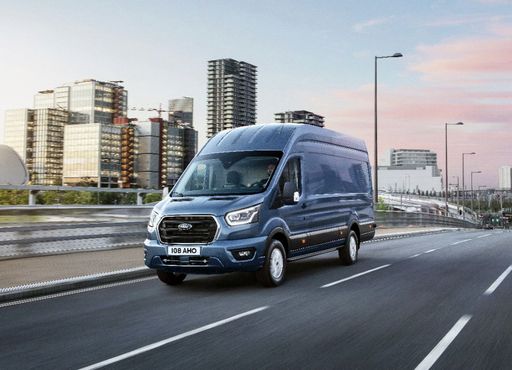

Kia EV6
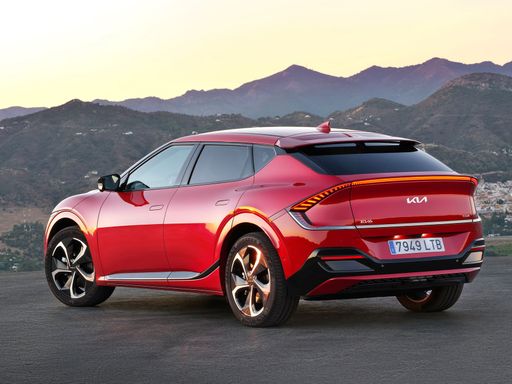
The Kia EV6 looks like it sprinted off a concept stage, its bold, futuristic lines wrapping a surprisingly spacious and grown-up cabin. On the road it delivers crisp, immediate thrust and composed handling, with enough everyday practicality and slick tech to make ditching petrol feel like an upgrade rather than a compromise.
details
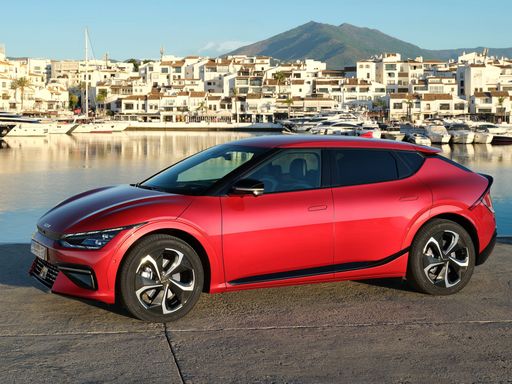

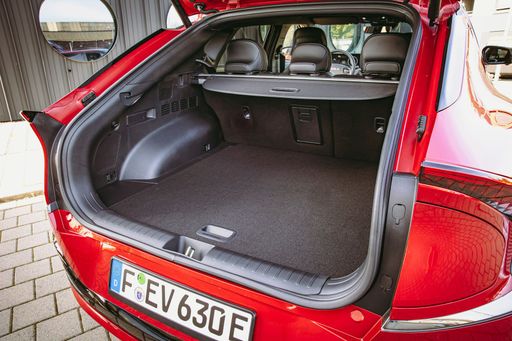
Ford Transit Custom Transporter
Kia EV6
Costs and Consumption |
|
|---|---|
|
Price
49,700 - 77,400 £
|
Price
38,600 - 60,000 £
|
|
Consumption L/100km
-
|
Consumption L/100km
-
|
|
Consumption kWh/100km
-
|
Consumption kWh/100km
15.9 - 20.9 kWh/100km
|
|
Electric Range
-
|
Electric Range
428 - 582 km
|
|
Battery Capacity
-
|
Battery Capacity
-
|
|
co2
0 g/km
|
co2
0 g/km
|
|
Fuel tank capacity
-
|
Fuel tank capacity
-
|
Dimensions and Body |
|
|---|---|
|
Body Type
Cargo Van
|
Body Type
SUV
|
|
Seats
3 - 6
|
Seats
5
|
|
Doors
-
|
Doors
-
|
|
Curb weight
-
|
Curb weight
1,955 - 2,220 kg
|
|
Trunk capacity
-
|
Trunk capacity
480 - 490 L
|
|
Length
-
|
Length
-
|
|
Width
2,032 mm
|
Width
1,880 - 1,890 mm
|
|
Height
-
|
Height
-
|
|
Max trunk capacity
-
|
Max trunk capacity
-
|
|
Payload
-
|
Payload
440 - 450 kg
|
Engine and Performance |
|
|---|---|
|
Engine Type
Electric
|
Engine Type
Electric
|
|
Transmission
Automatic
|
Transmission
Automatic
|
|
Transmission Detail
Reduction Gearbox
|
Transmission Detail
Reduction Gearbox
|
|
Drive Type
Rear-Wheel Drive, All-Wheel Drive
|
Drive Type
Rear-Wheel Drive, All-Wheel Drive
|
|
Power HP
136 - 286 HP
|
Power HP
170 - 609 HP
|
|
Acceleration 0-100km/h
-
|
Acceleration 0-100km/h
3.5 - 8.7 s
|
|
Max Speed
-
|
Max Speed
-
|
|
Torque
415 - 630 Nm
|
Torque
350 - 770 Nm
|
|
Number of Cylinders
-
|
Number of Cylinders
-
|
|
Power kW
100 - 210 kW
|
Power kW
125 - 448 kW
|
|
Engine capacity
-
|
Engine capacity
-
|
General |
|
|---|---|
|
Model Year
2025
|
Model Year
2,024 - 2,025
|
|
CO2 Efficiency Class
A
|
CO2 Efficiency Class
A
|
|
Brand
Ford
|
Brand
Kia
|
DriveDuel uses data analysis and artificial intelligence to evaluate vehicle data and create content. Content is regularly reviewed and improved.
The displayed prices are estimates based on German list prices, adjusted to the respective country’s VAT. Country-specific registration taxes are not included. This information is not legally binding.