VS

GWM ORA 05 vs BYD Atto 2 comparison

Compare performance (160 HP vs 212 HP), boot space and price (23,100 £ vs 30,800 £ ) at a glance. Find out which car is the better choice for you – GWM ORA 05 or BYD Atto 2?

GWM ORA 05 vs BYD Atto 2: Key differences

GWM ORA 05

  • clearly cheaper
details

BYD Atto 2

4.8 (5 Reviews)
rate
  • noticeably more power
  • markedly quicker 0–100 km/h
  • marginally lighter
  • marginally more trunk space
details

All details on performance, efficiency, range and trunk space can be found in the technical comparison below – including user reviews for both models.

By Achim Sedelmaier

ORA 05

BYD Atto 2 vs GWM ORA 05 — quick take

BYD Atto 2 and GWM ORA 05 represent two clear philosophies in the compact-SUV space, and the BYD Atto 2 VS GWM ORA 05 matchup is essentially a choice between urban agility and lounge-like comfort. BYD presents a tightly packaged, feature-heavy city specialist that prioritises maneuverability and everyday practicality. GWM counters with a roomier, softer car that leans into perceived quality, rear-seat comfort and a calm long-distance environment. Both target practical buyers, but they reach that goal with contrasting trade-offs in ride, refinement and usability. This comparison focuses on how those differences matter in day-to-day life rather than on headline specs.
Atto 2

Driving character: city nimbleness vs relaxed cruising

In the urban arena the BYD Atto 2 clearly feels livelier — its short turning circle and light, easy steering make parking and tight lanes less stressful than in the ORA 05. The GWM ORA 05 is still city-friendly thanks to good visibility and soft throttle responses, but it behaves more like a comfortable cruiser than a darting commuter. On motorways the ORA 05's quieter cabin and compliant ride reward long runs, whereas the Atto 2 can reveal wind noise and a softer body control that undermines confidence at higher speeds. If your routine is dense inner-city work and short hops the Atto 2's agility will be more useful; if you spend substantial time at sustained speeds the ORA 05's serenity reduces fatigue.

ORA 05

Comfort and cabin feel

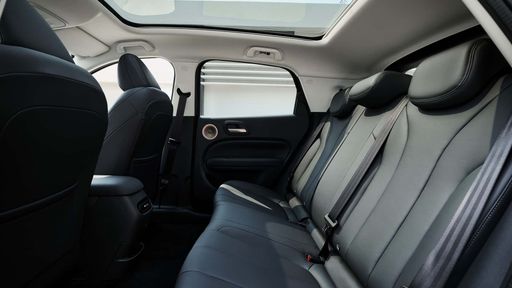
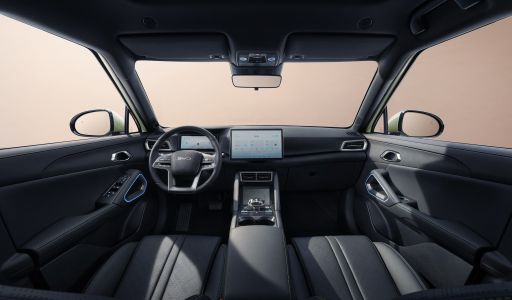
The ORA 05 aims for a cosy, premium-feeling interior: plush seats, calm acoustics and material choices that punch above its price help it feel like a more expensive car. The BYD Atto 2 matches that with tidy fit-and-finish, plenty of soft-touch surfaces and practical extras such as heated seats and other convenience tech, but its seating geometry can feel a touch firmer in the thigh support. The emotional difference is clear — ORA 05 is a lounge, Atto 2 is a well-equipped workhorse. Over long distances the ORA 05’s NVH advantage and forgiving seating make a bigger comfort difference, while the Atto 2 trades some of that for a gadget-rich environment that works well for daily errands.

Atto 2

Practicality and family use

Both cars are five-seaters, yet families will notice that the ORA 05 provides a more spacious and comfortable rear bench, making middle-seat trips less of a compromise. The Atto 2 still offers healthy head- and legroom and useful everyday features like vehicle-to-load capability that add practical value for family life. Boot practicality is a real-world battleground: published cargo figures and hands-on measurements sometimes diverge, so testing with your own luggage is advisable. In use, the BYD tends to feel more tolerant of heavier loads while the ORA 05 wins on straightforward passenger comfort, so pick based on whether seats or cargo are your priority.

ORA 05

Tech, ergonomics and daily usability

Both models lean into large screens and modern connectivity, but they approach controls differently: the BYD Atto 2 offers a pragmatic spread of standard features and useful functions, though some climate menus are tucked into small icons. The GWM ORA 05 impresses with a slick, high-impact central display and a generally polished software feel, but it also risks making routine climate interactions touch-dependent in certain specs. Practically speaking, the Atto 2 rewards drivers who want straightforward access to charging and convenience features, while the ORA 05 delivers a more aspirational infotainment experience that sometimes asks for more attention. Either way, expect a short learning curve and check the climate shortcuts during a test drive.

Who each car suits best — buyer fit and next steps

Choose the BYD Atto 2 if you prioritise city manoeuvrability, a lot of standard kit and the ability to carry heavier everyday loads — it’s the more purposeful daily driver for urban-leaning lifestyles. Pick the GWM ORA 05 if passenger comfort, a quieter touring experience and a premium-feeling cabin at an aggressive price are higher on your list than sporty responses. If you care about genuine long-distance pace, pay attention to the Atto 2’s battery and charging choices; if you want relaxed motorway miles with rear-seat focus, the ORA 05 will feel more composed. Both make sensible family cars but with different compromises, so your daily routine should decide the set of trade-offs you accept. Below we move into the technical comparison so you can convert those real-world impressions into range, performance and ownership numbers.

Here’s where it gets real: The technical differences in detail

ORA 05

Costs and Efficiency:

Price and efficiency are often the first things buyers look at. Here it becomes clear which model has the long-term edge – whether at the pump, the plug, or in purchase price.

GWM ORA 05 is clearly cheaper – starting at 23,100 £ , while the BYD Atto 2 costs 30,800 £ . That’s a price difference of around 7,714 £.

Atto 2

Engine and Performance:

Under the bonnet, it becomes clear which model is tuned for sportiness and which one takes the lead when you hit the accelerator.

When it comes to engine power, the BYD Atto 2 offers noticeably more power – delivering 212 HP compared to 160 HP. That’s roughly 52 HP more horsepower.

When accelerating from 0 to 100 km/h, the BYD Atto 2 is markedly quicker – completing the sprint in 7.5 s, while the GWM ORA 05 takes 9.3 s. That’s about 1.8 s quicker.

There’s also a difference in torque: the BYD Atto 2 delivers somewhat more torque with 310 Nm compared to 270 Nm. That’s about 40 Nm more.

ORA 05

Space and Everyday Use:

Beyond pure performance, interior space and usability matter most in daily life. This is where you see which car is more practical and versatile.

Both vehicles offer seating for 5 people.

In terms of curb weight, BYD Atto 2 is marginally lighter – 1,510 kg compared to 1,560 kg. The difference is around 50 kg.

Looking at boot space, the BYD Atto 2 offers marginally more boot space – 450 L compared to 422 L. That’s a difference of about 28 L.

When it comes to payload, the BYD Atto 2 carries clearly more – 490 kg compared to 360 kg. That’s a difference of about 130 kg.

Who wins the race in the data check?

The BYD Atto 2 holds a decisive overall lead in the objective data comparison.
This result only shows which model scores more points on paper – not which of the two cars feels right for you.

from £30,800
Atto 2

BYD Atto 2

  • Engine Type Plugin Hybrid, Electric
  • Transmission Automatic
  • Drive Type Front-Wheel Drive
  • Power HP 166 - 212 HP
  • Consumption kWh/100km 15.8 - 17.4 kWh/100km
  • Electric Range 40 - 430 km
GWM ORA 05
BYD Atto 2

Costs and Consumption

View detailed analysis

Engine and Performance

View detailed analysis

Dimensions and Body

View detailed analysis

GWM ORA 05

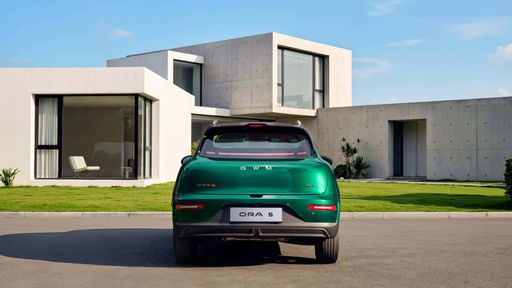
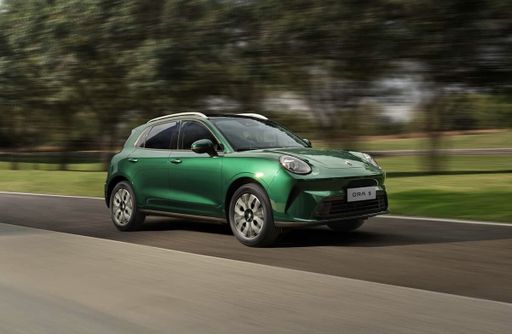
The ORA 05 is a stylish electric hatch that mixes playful, modern styling with a well-finished cabin aimed at urban drivers. It delivers comfortable, composed city driving and sensible practicality, making it a compelling choice for buyers who want an easy-to-live-with, characterful EV.

details

BYD Atto 2

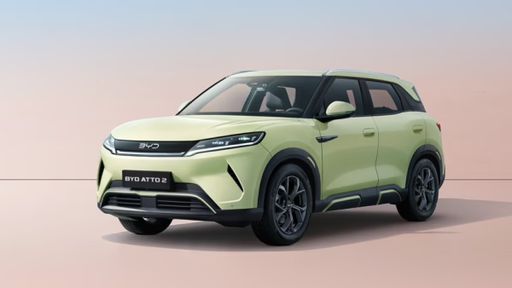
The BYD Atto 2 is a stylish compact electric SUV that blends bold exterior design with a roomy, tech-focused interior, making it well suited to daily driving and urban life. It delivers a comfortable ride and practical features that will appeal to buyers looking for a modern, user-friendly EV.

details
GWM ORA 05
BYD Atto 2

Costs and Consumption

Price
23,100 £
Price
30,800 - 36,000 £
Consumption L/100km
6.9 L/100km
Consumption L/100km
-
Consumption kWh/100km
-
Consumption kWh/100km
15.8 - 17.4 kWh/100km
Electric Range
-
Electric Range
40 - 430 km
Battery Capacity
-
Battery Capacity
-
co2
158 g/km
co2
0 - 72 g/km
Fuel tank capacity
-
Fuel tank capacity
-

Dimensions and Body

Body Type
SUV
Body Type
SUV
Seats
5
Seats
5
Doors
-
Doors
-
Curb weight
1,560 kg
Curb weight
1,510 - 1,720 kg
Trunk capacity
422 L
Trunk capacity
425 - 450 L
Length
-
Length
-
Width
1,833 mm
Width
1,830 mm
Height
-
Height
-
Max trunk capacity
-
Max trunk capacity
-
Payload
360 kg
Payload
420 - 490 kg

Engine and Performance

Engine Type
Petrol
Engine Type
Plugin Hybrid, Electric
Transmission
Automatic
Transmission
Automatic
Transmission Detail
Dual-Clutch Automatic
Transmission Detail
Automatic Gearbox, Reduction Gearbox
Drive Type
Front-Wheel Drive
Drive Type
Front-Wheel Drive
Power HP
160 HP
Power HP
166 - 212 HP
Acceleration 0-100km/h
9.3 s
Acceleration 0-100km/h
7.5 - 9.1 s
Max Speed
-
Max Speed
-
Torque
270 Nm
Torque
310 Nm
Number of Cylinders
4
Number of Cylinders
4
Power kW
118 kW
Power kW
122 - 156 kW
Engine capacity
1,499 cm3
Engine capacity
1,498 cm3

General

Model Year
2026
Model Year
2,025 - 2,026
CO2 Efficiency Class
F
CO2 Efficiency Class
B, A
Brand
GWM
Brand
BYD
DriveDuel uses data analysis and artificial intelligence to evaluate vehicle data and create content. Content is regularly reviewed and improved. The displayed prices are estimates based on German list prices, adjusted to the respective country’s VAT. Country-specific registration taxes are not included. This information is not legally binding.