
 Deutschland
 France
 Nederland
 Great Britain
 Sverige
 Danmark
 Suomi
Suomi Italia
 Polska
 Česko
Česko España
VS
Hyundai Nexo vs Vauxhall Vivaro comparison
Compare performance (204 HP vs 180 HP), boot space and price (59,900 £ vs 33,200 £ ) at a glance. Find out which car is the better choice for you – Hyundai Nexo or Vauxhall Vivaro?
Hyundai Nexo vs Vauxhall Vivaro: Key differences
Nexo
Costs and Efficiency:
When it comes to price and running costs, the biggest differences usually appear. This is often where you see which car fits your budget better in the long run.
Vauxhall Vivaro is significantly cheaper – starting at 33,200 £ , while the Hyundai Nexo costs 59,900 £ . That’s a price difference of around 26,713 £.
Vivaro
Engine and Performance:
Power, torque and acceleration say a lot about how a car feels on the road. This is where you see which model delivers more driving dynamics.
When it comes to engine power, the Hyundai Nexo offers somewhat more power – delivering 204 HP compared to 180 HP. That’s roughly 24 HP more horsepower.
When accelerating from 0 to 100 km/h, the Hyundai Nexo is clearly quicker – completing the sprint in 7.8 s, while the Vauxhall Vivaro takes 10.6 s. That’s about 2.8 s quicker.
There’s also a difference in torque: the Vauxhall Vivaro delivers somewhat more torque with 400 Nm compared to 350 Nm. That’s about 50 Nm more.
Nexo
Space and Everyday Use:
Whether family car or daily driver – which one offers more room, flexibility and comfort?
Seats: Vauxhall Vivaro offers more seats – 9 vs 5.
In terms of curb weight, Vauxhall Vivaro is a bit lighter – 1,722 kg compared to 1,955 kg. The difference is around 233 kg.
When it comes to payload, the Vauxhall Vivaro carries clearly more – 1,226 kg compared to 485 kg. That’s a difference of about 741 kg.
Who wins the race in the data check?
The Vauxhall Vivaro holds a decisive overall lead in the objective data comparison.
This result only shows which model scores more points on paper – not which of the two cars feels right for you.
from £33,200
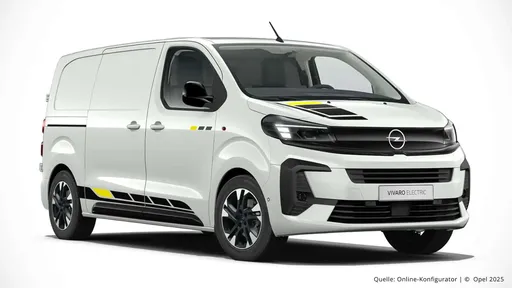
Vauxhall Vivaro
Hyundai Nexo
Vauxhall Vivaro
Costs and Consumption
View detailed analysis
View detailed analysis
Engine and Performance
View detailed analysis
View detailed analysis
Dimensions and Body
View detailed analysis
View detailed analysis
Hyundai Nexo
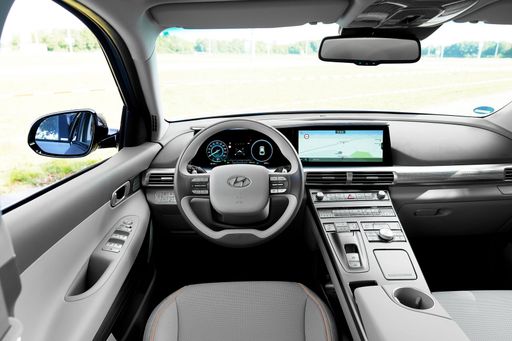
Hyundai Nexo looks like a quietly futuristic family car, gliding along with whisper-quiet refinement and a cabin that keeps long commutes pleasant. As a hydrogen-powered cruiser it delivers genuinely clean driving and a practical, slightly exotic alternative for buyers who want something clever without the fuss.
details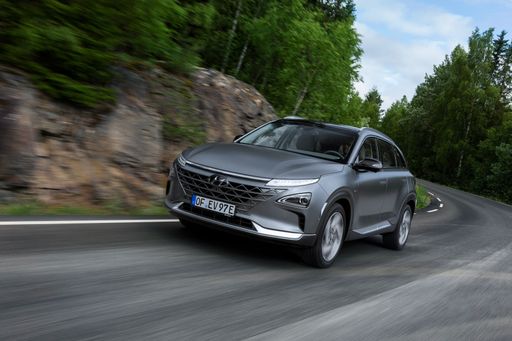


Vauxhall Vivaro
The Opel Vivaro is a workhorse with a surprisingly civilised demeanour, blending rugged practicality with enough style and comfort to keep drivers happy on any job. With clever packaging and sensible features that simplify loading, commuting and family duties, it’s the no-nonsense van for buyers who want functionality without the fuss — honest, dependable and just smart enough to make the day easier.
details
Hyundai Nexo
Vauxhall Vivaro
Costs and Consumption |
|
|---|---|
|
Price
59,900 - 66,500 £
|
Price
33,200 - 45,700 £
|
|
Consumption L/100km
-
|
Consumption L/100km
6.2 - 7 L/100km
|
|
Consumption kWh/100km
-
|
Consumption kWh/100km
23.7 - 23.8 kWh/100km
|
|
Electric Range
-
|
Electric Range
222 - 350 km
|
|
Battery Capacity
-
|
Battery Capacity
-
|
|
co2
0 g/km
|
co2
0 - 184 g/km
|
|
Fuel tank capacity
-
|
Fuel tank capacity
-
|
Dimensions and Body |
|
|---|---|
|
Body Type
SUV
|
Body Type
Cargo Van, Bus
|
|
Seats
5
|
Seats
3 - 9
|
|
Doors
-
|
Doors
-
|
|
Curb weight
1,955 kg
|
Curb weight
1,722 - 2,241 kg
|
|
Trunk capacity
510 L
|
Trunk capacity
-
|
|
Length
-
|
Length
-
|
|
Width
1,865 mm
|
Width
1,920 mm
|
|
Height
-
|
Height
-
|
|
Max trunk capacity
-
|
Max trunk capacity
-
|
|
Payload
485 kg
|
Payload
872 - 1,226 kg
|
Engine and Performance |
|
|---|---|
|
Engine Type
Hydrogen
|
Engine Type
Diesel, Electric
|
|
Transmission
Automatic
|
Transmission
Manuel, Automatic
|
|
Transmission Detail
Reduction Gearbox
|
Transmission Detail
Manual Gearbox, Automatic Gearbox, Reduction Gearbox
|
|
Drive Type
Front-Wheel Drive
|
Drive Type
Front-Wheel Drive
|
|
Power HP
204 HP
|
Power HP
120 - 180 HP
|
|
Acceleration 0-100km/h
7.8 - 8.1 s
|
Acceleration 0-100km/h
10.6 - 14.3 s
|
|
Max Speed
-
|
Max Speed
-
|
|
Torque
350 Nm
|
Torque
260 - 400 Nm
|
|
Number of Cylinders
-
|
Number of Cylinders
4
|
|
Power kW
150 kW
|
Power kW
88 - 132 kW
|
|
Engine capacity
-
|
Engine capacity
1,499 - 2,184 cm3
|
General |
|
|---|---|
|
Model Year
2026
|
Model Year
2025
|
|
CO2 Efficiency Class
A
|
CO2 Efficiency Class
F, G, A
|
|
Brand
Hyundai
|
Brand
Vauxhall
|
DriveDuel uses data analysis and artificial intelligence to evaluate vehicle data and create content. Content is regularly reviewed and improved.
The displayed prices are estimates based on German list prices, adjusted to the respective country’s VAT. Country-specific registration taxes are not included. This information is not legally binding.