
 Deutschland
 France
 Nederland
 Great Britain
 Sverige
 Italia
 Polska
 España
VS
Hyundai Staria vs VW Polo – Differences & prices compared
Compare performance, boot space, consumption and price in one view.
Find out now: which car is the better choice for you – Hyundai Staria or VW Polo?
The Hyundai Staria (Bus) comes with a Full Hybrid engine and Automatic transmission. In comparison, the VW Polo (Hatchback) features a Petrol engine with Manuel or Automatic transmission.
When it comes to boot capacity, the Hyundai Staria offers 831 L, while the VW Polo provides 351 L – depending on how much space you need. If you’re looking for more power, decide whether the 225 HP of the Hyundai Staria or the 207 HP of the VW Polo suits your needs better.
In terms of consumption, the values are 7.60 L per 100 km for the Hyundai Staria, and 5.10 L for the VW Polo.
Price-wise, the Hyundai Staria starts at 42400 £, while the VW Polo is available from 17000 £. Compare all the details and find out which model fits your lifestyle best!
Hyundai Staria
The Hyundai Staria stands out with its futuristic design, characterised by sleek lines and an expansive front grille that makes a bold statement on the road. Inside, it offers a spacious and versatile interior, providing a comfortable ride for both driver and passengers. This vehicle effortlessly combines practicality with a touch of luxury, appealing to families and professionals alike.
details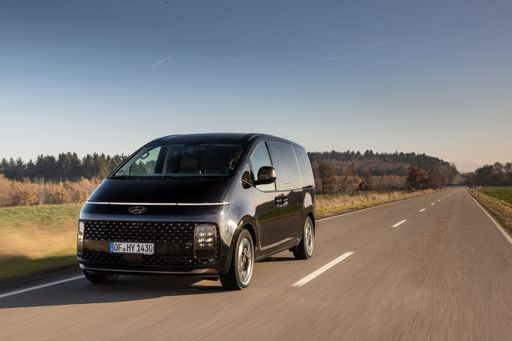 @ hyundai.news
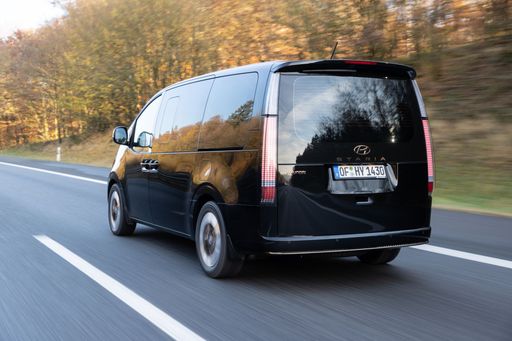 @ hyundai.news
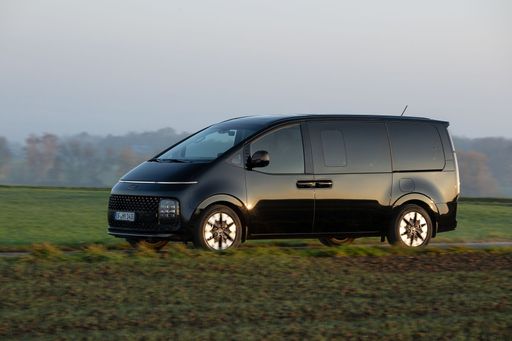 @ hyundai.news
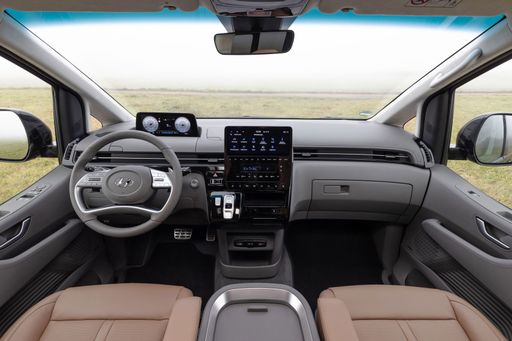 @ hyundai.news
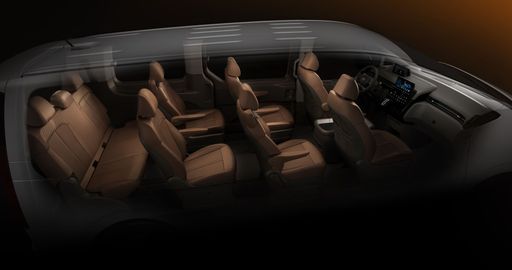 @ hyundai.news
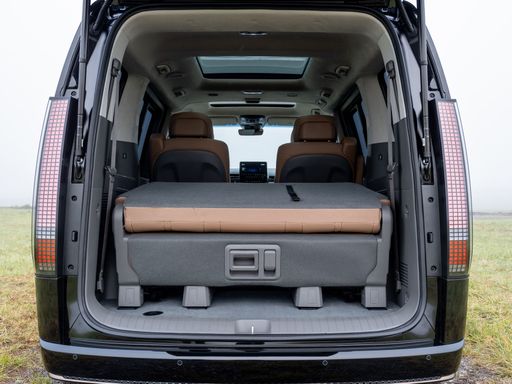 @ hyundai.news
VW Polo
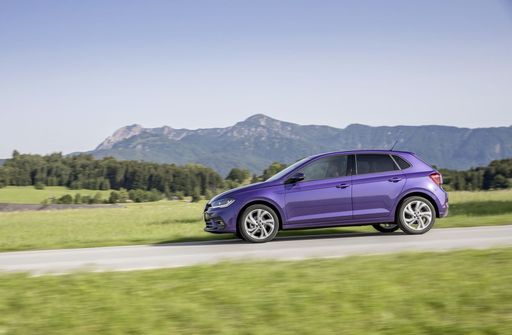
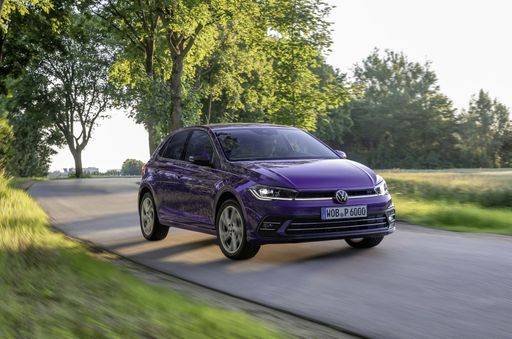
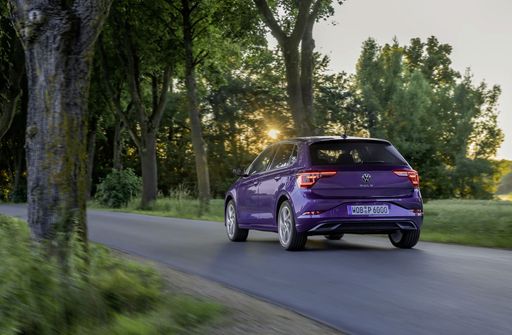
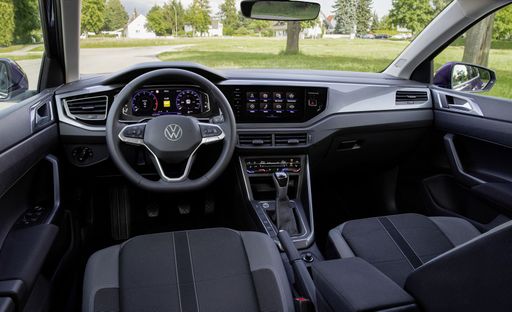
The VW Polo remains a popular choice in the compact car segment, known for its sleek design and sophisticated styling. Inside, it offers a surprisingly spacious cabin with high-quality materials and intuitive technology features, ensuring a comfortable driving experience. Its agile handling and responsive performance make it an excellent option for both city commuting and longer journeys.
details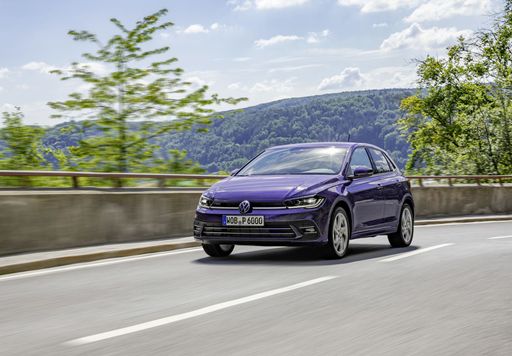 @ Volkswagen
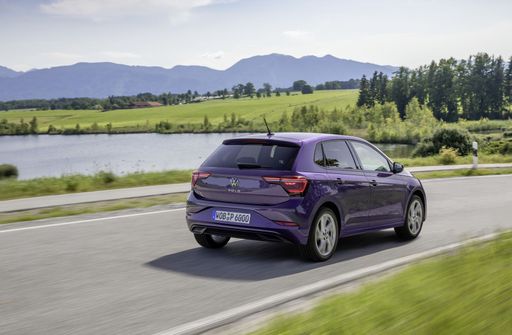 @ Volkswagen
 @ Volkswagen
 @ Volkswagen
 @ Volkswagen
 @ Volkswagen
Hyundai Staria
VW Polo
|
|
|
|
|
|
Costs and Consumption |
|
|---|---|
|
Price
42400 - 50500 £
|
Price
17000 - 30400 £
|
|
Consumption L/100km
7.60 L
|
Consumption L/100km
5.1 - 6.5 L
|
|
Consumption kWh/100km
-
|
Consumption kWh/100km
-
|
|
Electric Range
-
|
Electric Range
-
|
|
Battery Capacity
-
|
Battery Capacity
-
|
|
co2
172 g/km
|
co2
116 - 148 g/km
|
|
Fuel tank capacity
65 L
|
Fuel tank capacity
40 L
|
Dimensions and Body |
|
|---|---|
|
Body Type
Bus
|
Body Type
Hatchback
|
|
Seats
7 - 9
|
Seats
5
|
|
Doors
5
|
Doors
5
|
|
Curb weight
2275 - 2345 kg
|
Curb weight
1143 - 1378 kg
|
|
Trunk capacity
117 - 831 L
|
Trunk capacity
351 L
|
|
Length
5253 mm
|
Length
4074 mm
|
|
Width
1997 mm
|
Width
1751 mm
|
|
Height
1990 mm
|
Height
1431 - 1451 mm
|
|
Payload
605 - 775 kg
|
Payload
432 - 457 kg
|
Engine and Performance |
|
|---|---|
|
Engine Type
Full Hybrid
|
Engine Type
Petrol
|
|
Transmission
Automatic
|
Transmission
Manuel, Automatic
|
|
Transmission Detail
Automatic Gearbox
|
Transmission Detail
Manual Gearbox, Dual-Clutch Automatic
|
|
Drive Type
Front-Wheel Drive
|
Drive Type
Front-Wheel Drive
|
|
Power HP
225 HP
|
Power HP
80 - 207 HP
|
|
Acceleration 0-100km/h
10.20 s
|
Acceleration 0-100km/h
6.5 - 15.6 s
|
|
Max Speed
167 km/h
|
Max Speed
171 - 240 km/h
|
|
Torque
367 Nm
|
Torque
93 - 320 Nm
|
|
Number of Cylinders
4
|
Number of Cylinders
3 - 4
|
|
Power kW
165 kW
|
Power kW
59 - 152 kW
|
|
Engine capacity
1598 cm3
|
Engine capacity
999 - 1984 cm3
|
General |
|
|---|---|
|
Model Year
2024
|
Model Year
2024 - 2025
|
|
CO2 Efficiency Class
F
|
CO2 Efficiency Class
D, E
|
|
Brand
Hyundai
|
Brand
VW
|
Hyundai Staria
A Bold New Horizon: The Hyundai Staria
The Hyundai Staria is redefining the landscape of family vehicles, blending technological innovation with exceptional design. As a groundbreaking multi-purpose vehicle (MPV), it offers a unique balance of style, comfort, and performance. This article delves into the impressive technical details and cutting-edge features that elevate the Staria above its peers.
Cutting-Edge Design & Spacious Comfort
The first thing you’ll notice about the Hyundai Staria is its futuristic design. With a length of 5253 mm, a width of 1997 mm, and a height of 1990 mm, the Staria stands out with its imposing presence. Its sleek silhouette is complemented by wide panoramic windows that enhance visibility and give passengers a sense of space, further underscored by a class-leading interior height.
The Staria is available in configurations that can accommodate between seven to nine seats, offering flexibility for families and businesses alike. Additionally, it boasts a spacious boot with 117 to 831 litres of cargo space, ensuring ample room for luggage and more.
Powertrain and Performance
Under the bonnet of the Hyundai Staria lies a robust 2.2 CRDi diesel engine. Generating an impressive 177 PS (130 kW) and a maximum torque of 430 Nm, this 4-cylinder engine provides strong and consistent performance. It is paired with an automatic transmission that ensures smooth gear shifts, available in both all-wheel and front-wheel drive configurations.
The Staria delivers on efficiency too, with fuel consumption ranging from 8.5 to 8.9 litres per 100 km. It accelerates from 0-100 km/h in 12.4 to 13.5 seconds, with a top speed between 180 to 185 km/h, making it a versatile choice for city and highway driving alike.
Advanced Safety and Technology
Hyundai has packed the Staria with an array of advanced safety features. From intelligent driver assistance systems to cutting-edge connectivity options, the Staria ensures that both driver and passengers are protected and entertained. With its CO2 efficiency class rated at G and CO2 emissions ranging from 222 to 232 g/km, it strikes a balance between performance and environmental considerations.
Conclusion: More Than Just a Vehicle
The Hyundai Staria is more than a mode of transport; it represents a new era in vehicle design and functionality. With prices ranging from €48,100 to €59,600, it provides consumers with a wide array of premium features typically associated with higher-end models. Whether for family adventures or business needs, the Staria assures a drive defined by comfort, innovation, and style.
The Staria sets a new benchmark in the MPV sector, offering a glimpse into the future of automotive versatility and sophistication.
VW Polo
Unveiling the VW Polo: A Compact Car with Big Ambition
The VW Polo, with its sleek hatchback design, stands out in the compact car segment, offering a blend of practicality and innovation. Volkswagen has continued to refine this popular model, ensuring that each new iteration provides cutting-edge technology and enhanced driving dynamics.
A Closer Look at the Mechanics
Under the bonnet, the VW Polo offers a series of efficient petrol engines ranging from 80 to 207 horsepower. These engines, coupled with either a manual or dual-clutch automatic transmission, provide a smooth and responsive driving experience tailored to various driving preferences.
Efficiency Meets Performance
The fuel consumption of the VW Polo is impressively economical, varying between 5.2 and 6.5 litres per 100 km, depending on the engine and transmission combination. Emphasising the car's commitment to sustainability, the CO2 emissions vary between 118 to 149 g/km, placing it within the D to E efficiency classes.
Design and Dimensions
The Polo's dimensions, featuring a length of 4074 mm, width of 1751 mm, and a height ranging from 1431 to 1451 mm, offer a compact profile ideal for urban driving. Despite its size, the Polo provides a generous 351-litre boot space, catering to everyday needs and beyond. With a five-door configuration, it balances convenience and style.
Advanced Features and Variants
The VW Polo 2024 model year comes with a variety of trim levels, from the practical "Life" to the sportier "R-Line", each bringing distinct features and enhancements. High-tech interiors, usability enhancements, and a host of driver-assistance systems are standard, reflecting Volkswagen's dedication to integrating innovation into its vehicles.
Tech-Savvy Interiors
Inside, the Polo is equipped with modern infotainment systems, Apple CarPlay, Android Auto, and wireless connectivity options, ensuring that drivers and passengers remain connected while on the move. The ergonomically designed cabin and digital cockpit enhance the user experience, making every drive comfortable and intuitive.
Conclusion: The All-Rounder in the Compact Car Market
The VW Polo continues to be a compelling choice for those seeking a compact, reliable, and technologically advanced vehicle. With its range of engines, well-appointed interiors, and a robust suite of features, the Polo remains a significant player in its class, meeting the demands of a wide range of drivers.
Which drive types are available for the Hyundai Staria?
Available as Front-Wheel Drive.
The prices and data displayed are estimates based on German list prices and may vary by country. This information is not legally binding.