VS

Toyota Corolla vs VW Polo comparison

Compare performance (178 HP vs 207 HP), boot space and price (28,600 £ vs 17,300 £ ) at a glance. Find out which car is the better choice for you – Toyota Corolla or VW Polo?

Toyota Corolla vs VW Polo: Key differences

Toyota Corolla

4.4 (2 Reviews)
rate
  • slightly more efficient
  • only slightly more trunk space
details

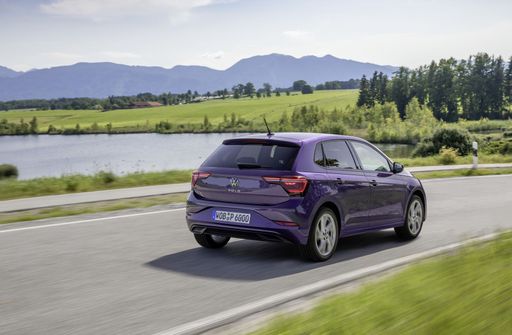
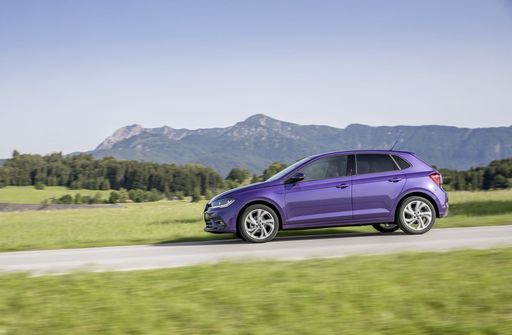
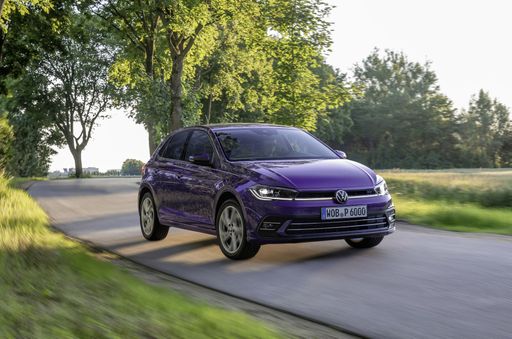
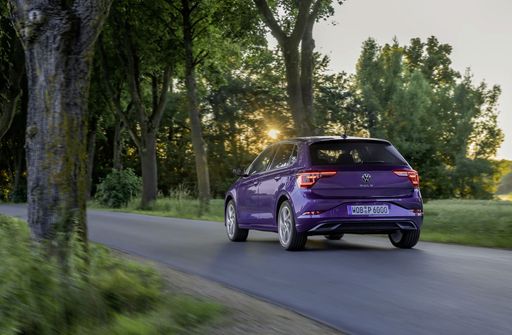
VW Polo

4.2 (4 Reviews)
rate
  • clearly cheaper
  • slightly more power
  • moderately quicker 0–100 km/h
  • markedly lighter
details

All details on performance, efficiency, range and trunk space can be found in the technical comparison below – including user reviews for both models.

Corolla

Overview: Toyota Corolla VS VW Polo — two different ideas of compact ownership

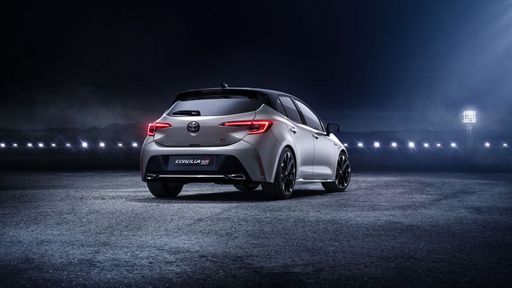
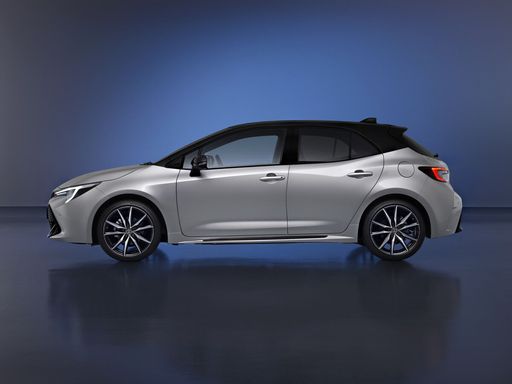
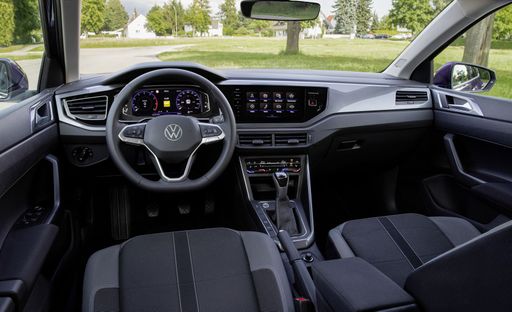
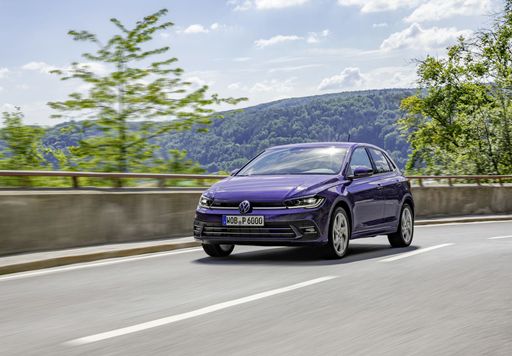
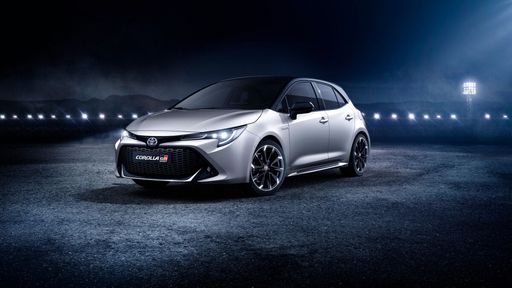
Toyota Corolla VS VW Polo pairs Toyota’s hybrid-minded, comfort-first compact with Volkswagen’s more classically refined small car. The Corolla leans on hybrid efficiency and a calm, forgiving ride that rewards urban commuters and families who value low running costs, while the Polo trades some of that economy for a quieter, more premium-feeling cabin and stronger rear-seat space. Buyers quickly feel the trade-off: Corolla promises lower day-to-day fuel bills and a softer, more utilitarian interior; Polo promises a Mini‑Golf sensibility with superior perceived quality and motorway composure. Below we unpack how those differences translate to everyday comfort, usability and family life so you can judge which compromise fits your routine.
Polo

Comfort & long-distance behavior

The Corolla is tuned for relaxed cruising and city-to-country comfort, its hybrid drivetrain smoothing out stop‑start traffic and delivering a composed ride on long trips, though the CVT can sound strident during hard overtakes. The VW Polo, by contrast, feels unusually grown-up for the class on the motorway — quieter, more planted and with a level of wind- and tyre-damping that makes long runs less tiring. That calm comes at a cost: Polo’s composure can be paired with a firmer response over sharp city bumps, while Corolla’s softer setup soaks them up better. Choose Corolla if you prioritise long-run comfort from a softer suspension and hybrid calm in mixed driving; pick Polo if motorway serenity and a more substantial cabin atmosphere matter more to you.

Corolla

City friendliness and everyday usability

In town the Corolla’s hybrid system and light steering make it extremely easy to live with — quick EV roll-offs, good low-speed manners and lots of physical buttons for climate and driver aids mean less fiddling while driving. The VW Polo is compact and confident in tight streets too, but its trend toward touch sliders and fewer tactile controls makes some daily operations feel more deliberate and occasionally distracting. Parking is simple in both, although Corolla’s rear visibility and camera clarity can be hit-or-miss compared with Polo’s generally better sightlines. If your day is heavy on short urban trips and you prize fuss-free controls and economy, Corolla has the edge; if you want compact presence with clearer outward visibility, Polo is preferable.

Polo

Cabin feel and perceived quality

Step into the Polo and the impression is distinctly upmarket for a small car: soft-touch surfaces, neat joinery and a finish that echoes the larger Golf give it a premium aura. The Corolla’s interior feels tougher and more purpose-driven — controls are practical, many physical buttons survive daily use better, and the overall mood is solid rather than showy. Infotainment is a clear battleground: Toyota favours familiar, robust layouts but can lag in responsiveness, while VW’s screens look crisply rendered but often sacrifice shortcut buttons you miss on the move. If tactile solidity and long-term durability are your preference, Corolla’s cabin will appeal; if you want a quieter, more premium passenger experience, Polo wins on perceived quality.

Corolla

Practicality and family usability

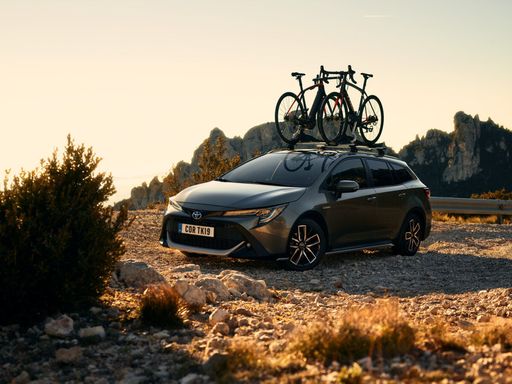
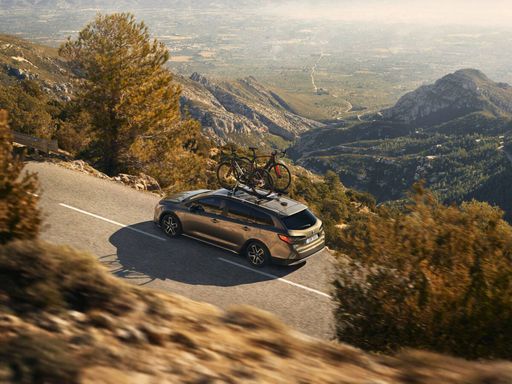
Practicality splits along body style and intent: the Corolla Touring Sports is the most convincing family tool here with a flatter, more usable load area and better rear-seat comfort, whereas the Corolla hatchback shows its limits for taller passengers and bulky loads. The VW Polo surprises for a B‑segment car with roomy rear seats and a well-shaped boot that swallows everyday family kit, although its lip and packaging choices mean you’ll notice the limits with very large items. Both cars accommodate two child seats easily, but families who regularly need luggage space and flexibility will favour the Corolla Touring Sports over the Polo hatch. In short, choose Corolla for cargo flexibility (especially as a Touring Sports) and Polo if rear passenger comfort within a compact footprint is your priority.

Polo

Buyer fit: who should consider the Corolla and who should look at the Polo

The Toyota Corolla suits buyers who prioritise low running costs, reassuring reliability and a relaxed, user-friendly cabin — city commuters, pragmatic families and anyone who values efficiency without plugging in will find it appealing. The VW Polo suits those who want a compact car that feels and behaves like a small premium car: quieter at speed, roomier in the rear and with a more polished interior, best for buyers who spend significant time on motorways and value refinement. Price sensitivity and purchase-cost trade-offs also matter: Corolla’s hybrid tech pays off over time through lower fuel use, while Polo’s packaging can be the cheaper way to get quality and rear-seat space up front. Below you’ll find the technical comparison that lays out how these real‑world differences map to engines, weights and equipment so you can balance the numbers against the day-to-day fit described here.

Here’s where it gets real: The technical differences in detail

Corolla

Costs and Efficiency:

Price and efficiency are key factors when choosing a car – and this is often where the real differences emerge.

VW Polo is clearly cheaper – starting at 17,300 £ , while the Toyota Corolla costs 28,600 £ . That’s a price difference of around 11,319 £.

Fuel consumption also shows a difference: the Toyota Corolla uses 4.4 L/100km and is slightly more efficient than the VW Polo with 5.1 L/100km. The difference is about 0.7 L/100km.

Polo

Engine and Performance:

Power, torque and acceleration are the classic benchmarks for car enthusiasts – and here, some clear differences start to show.

When it comes to engine power, the VW Polo offers slightly more power – delivering 207 HP compared to 178 HP. That’s roughly 29 HP more horsepower.

When accelerating from 0 to 100 km/h, the VW Polo is moderately quicker – completing the sprint in 6.5 s, while the Toyota Corolla takes 7.5 s. That’s about 1 s quicker.

Corolla

Space and Everyday Use:

Cabin size, boot volume and payload all play a role in everyday practicality. Here, comfort and flexibility make the difference.

Both vehicles offer seating for 5 people.

In terms of curb weight, VW Polo is markedly lighter – 1,143 kg compared to 1,420 kg. The difference is around 277 kg.

Looking at boot space, the Toyota Corolla offers only slightly more boot space – 361 L compared to 351 L. That’s a difference of about 10 L.

When it comes to payload, the VW Polo carries only slightly more – 457 kg compared to 450 kg. That’s a difference of about 7 kg.

Who wins the race in the data check?

The VW Polo is decisively ahead in the objective data comparison.
This result only shows which model scores more points on paper – not which of the two cars feels right for you.

from £17,300
Polo

VW Polo

  • Engine Type Petrol
  • Transmission Manual, Automatic
  • Drive Type Front-Wheel Drive
  • Power HP 80 - 207 HP
  • Consumption L/100km 5.1 - 6.5 L/100km
Toyota Corolla
VW Polo

Costs and Consumption

View detailed analysis

Engine and Performance

View detailed analysis

Dimensions and Body

View detailed analysis

Toyota Corolla

The Corolla is a reliable, no-nonsense compact car known for its practicality and composed ride. It’s economical to run, easy to maintain, and suits daily commuting while holding its value well.

details

VW Polo

The Polo is a well-built, comfortable hatchback that blends a refined cabin and composed manners into a compact package. It's easy to live with day to day, offering sensible space, tidy controls and reassuring quality that make it a practical choice for city or longer trips.

details
Toyota Corolla
VW Polo

Costs and Consumption

Price
28,600 - 34,900 £
Price
17,300 - 30,800 £
Consumption L/100km
4.4 L/100km
Consumption L/100km
5.1 - 6.5 L/100km
Consumption kWh/100km
-
Consumption kWh/100km
-
Electric Range
-
Electric Range
-
Battery Capacity
-
Battery Capacity
-
co2
100 g/km
co2
116 - 148 g/km
Fuel tank capacity
43 L
Fuel tank capacity
-

Dimensions and Body

Body Type
Hatchback
Body Type
Hatchback
Seats
5
Seats
5
Doors
5
Doors
-
Curb weight
1,420 - 1,460 kg
Curb weight
1,143 - 1,378 kg
Trunk capacity
313 - 361 L
Trunk capacity
351 L
Length
4,370 mm
Length
-
Width
1,790 mm
Width
1,751 mm
Height
1,435 mm
Height
-
Max trunk capacity
1,004 - 1,052 L
Max trunk capacity
-
Payload
400 - 450 kg
Payload
432 - 457 kg

Engine and Performance

Engine Type
Full Hybrid
Engine Type
Petrol
Transmission
Automatic
Transmission
Manual, Automatic
Transmission Detail
CVT
Transmission Detail
Manual Gearbox, Dual-Clutch Automatic
Drive Type
Front-Wheel Drive
Drive Type
Front-Wheel Drive
Power HP
140 - 178 HP
Power HP
80 - 207 HP
Acceleration 0-100km/h
7.5 - 9.2 s
Acceleration 0-100km/h
6.5 - 15.6 s
Max Speed
180 km/h
Max Speed
-
Torque
-
Torque
93 - 320 Nm
Number of Cylinders
4
Number of Cylinders
3 - 4
Power kW
103 - 131 kW
Power kW
59 - 152 kW
Engine capacity
1,798 - 1,987 cm3
Engine capacity
999 - 1,984 cm3

General

Model Year
2025
Model Year
2,024 - 2,025
CO2 Efficiency Class
C
CO2 Efficiency Class
D, E
Brand
Toyota
Brand
VW
DriveDuel uses data analysis and artificial intelligence to evaluate vehicle data and create content. Content is regularly reviewed and improved. The displayed prices are estimates based on German list prices, adjusted to the respective country’s VAT. Country-specific registration taxes are not included. This information is not legally binding.