
 Deutschland
 Schweiz (DE)
 France
 Nederland
 Great Britain
 Italia
 España
VS
Hyundai Tucson VS ZEEKR 001 – Specs, Efficiency & Price Comparison
Which model is the better choice – the Hyundai Tucson or the ZEEKR 001? We compare performance (252 HP vs 544 HP), boot capacity (620 L vs 539 L), efficiency (1 L vs 18.20 kWh), and of course, the price (30600 £ vs 51400 £).
Find out now which car fits your needs better!
The Hyundai Tucson (SUV) is powered by a Diesel MHEV, Petrol MHEV, Petrol, Full Hybrid or Plugin Hybrid engine and comes with a Automatic or Manuel transmission. In comparison, the ZEEKR 001 (Hatchback) features a Electric engine and a Automatic gearbox.
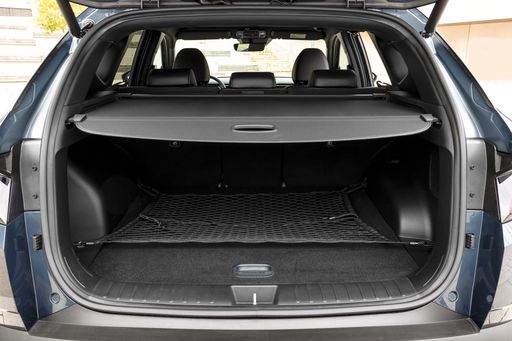
When it comes to boot capacity, the Hyundai Tucson offers 620 L, while the ZEEKR 001 provides 539 L – depending on what matters most to you. If you’re looking for more power, you’ll need to decide whether the 252 HP of the Hyundai Tucson or the 544 HP of the ZEEKR 001 suits your needs better.
There are also differences in efficiency: 1 L vs 18.20 kWh. In terms of price, the Hyundai Tucson starts at 30600 £, while the ZEEKR 001 is available from 51400 £.
Compare all the key specs now and find out which model fits your lifestyle best!
Hyundai Tucson
The Hyundai Tucson is a standout choice in the compact SUV segment, offering a perfect blend of style, comfort, and practicality. Its modern design is complemented by a spacious interior that provides ample room for passengers and luggage alike. With advanced technology and safety features, the Tucson ensures a smooth and enjoyable driving experience.
details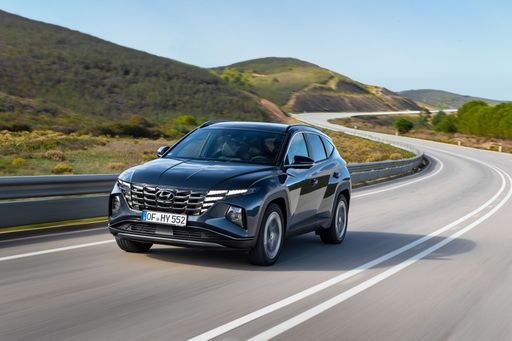 @ hyundai.news
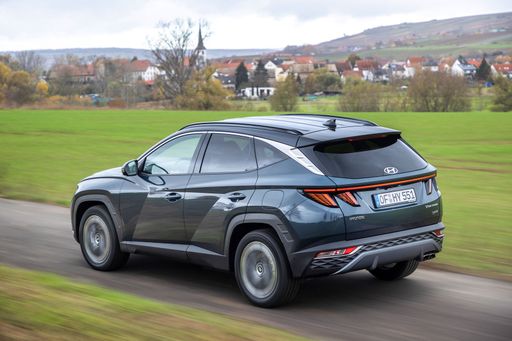 @ hyundai.news
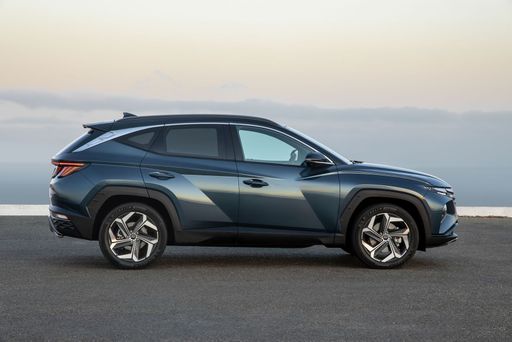 @ hyundai.news
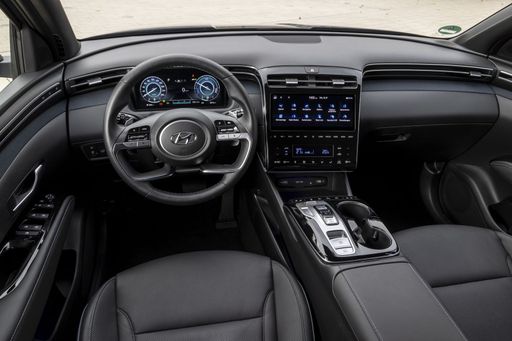 @ hyundai.news
 @ hyundai.news
ZEEKR 001
The ZEEKR 001 heralds a new era for electric vehicles with its sleek design and advanced technology. It combines a striking aesthetic with a luxurious interior, offering drivers an exceptionally comfortable experience. This innovative vehicle showcases impressive performance capabilities, making it a standout choice for those seeking both style and substance in the electric car market.
details
Hyundai Tucson
ZEEKR 001
|
|
|
|
|
|
Costs and Consumption |
|
|---|---|
|
Price
30600 - 46300 £
|
Price
51400 - 58300 £
|
|
Consumption L/100km
1 - 6.9 L
|
Consumption L/100km
-
|
|
Consumption kWh/100km
-
|
Consumption kWh/100km
18.2 - 18.5 kWh
|
|
Electric Range
64 - 70 km
|
Electric Range
580 - 620 km
|
|
Battery Capacity
-
|
Battery Capacity
-
|
|
co2
22 - 156 g/km
|
co2
0 g/km
|
|
Fuel tank capacity
42 - 54 L
|
Fuel tank capacity
-
|
Dimensions and Body |
|
|---|---|
|
Body Type
SUV
|
Body Type
Hatchback
|
|
Seats
5
|
Seats
5
|
|
Doors
5
|
Doors
5
|
|
Curb weight
1520 - 1889 kg
|
Curb weight
2200 - 2350 kg
|
|
Trunk capacity
546 - 620 L
|
Trunk capacity
539 L
|
|
Length
4510 - 4520 mm
|
Length
4955 mm
|
|
Width
1865 mm
|
Width
2005 mm
|
|
Height
1650 mm
|
Height
1548 - 1560 mm
|
|
Payload
525 - 545 kg
|
Payload
505 - 520 kg
|
Engine and Performance |
|
|---|---|
|
Engine Type
Diesel MHEV, Petrol MHEV, Petrol, Full Hybrid, Plugin Hybrid
|
Engine Type
Electric
|
|
Transmission
Automatic, Manuel
|
Transmission
Automatic
|
|
Transmission Detail
Automat. Schaltgetriebe (Doppelkupplung), Schaltgetriebe, Automatikgetriebe
|
Transmission Detail
-
|
|
Drive Type
Front-Wheel Drive, All-Wheel Drive
|
Drive Type
Rear-Wheel Drive, All-Wheel Drive
|
|
Power HP
136 - 252 HP
|
Power HP
272 - 544 HP
|
|
Acceleration 0-100km/h
7.9 - 11.6 s
|
Acceleration 0-100km/h
3.8 - 7.2 s
|
|
Max Speed
180 - 194 km/h
|
Max Speed
200 km/h
|
|
Torque
265 - 367 Nm
|
Torque
343 - 686 Nm
|
|
Number of Cylinders
4
|
Number of Cylinders
-
|
|
Power kW
100 - 185 kW
|
Power kW
200 - 400 kW
|
|
Engine capacity
1598 cm3
|
Engine capacity
-
|
General |
|
|---|---|
|
Model Year
2024
|
Model Year
2024
|
|
CO2 Efficiency Class
E, F, D, B
|
CO2 Efficiency Class
A
|
|
Brand
Hyundai
|
Brand
ZEEKR
|
Hyundai Tucson
Introducing the Hyundai Tucson: An SUV with Innovation at its Core
The Hyundai Tucson has long been synonymous with reliability, comfort, and exceptional value. With its 2024 model, this popular SUV has taken a bold leap forward by incorporating cutting-edge technology, efficient powertrains, and striking design. Let's delve into the technical details and innovations that make the Hyundai Tucson a standout in the crowded SUV market.
Dynamic Engine Options: Power Meets Efficiency
The Tucson offers a range of powertrains, ensuring there is a model perfect for every driver. Whether you're looking for the fuel efficiency of a mild-hybrid diesel or the power of a plug-in hybrid, the Tucson has you covered. The engine options include:
- Diesel Mild-Hybrid: Combining efficiency with robust performance.
- Benzin Mild-Hybrid: Offering a balance between economy and power.
- Voll-Hybrid: Delivering impressive power while maintaining low fuel consumption.
- Plug-in Hybrid: Offering electric-only driving capabilities with a range of up to 65 km.
These engines are paired with either a manual or automatic transmission, catering to different driving preferences.
Performance and Handling: Experience the Drive
The performance of the Hyundai Tucson is designed to impress, with power outputs ranging from 136 to 252 PS. The Tucson accelerates from 0-100 km/h in as little as 8.1 seconds, managed by precise transmission options such as the dual-clutch and traditional automatic gearboxes. With both front-wheel and all-wheel drive options, the Tucson assures stability and control in varied driving conditions.
Interior and Technology: Comfort Meets Cutting-Edge Innovation
The Tucson's interior is a haven of comfort and technology. With a length ranging up to 4520 mm and a spacious boot capacity of 620 litres, practicality is at the forefront. The intuitive infotainment system includes advanced connectivity features, while driver-assist technologies enhance safety and convenience on every journey.
The choice of luxurious trims and finishes, combined with ergonomic design, ensures that every drive is a pleasure, whether you're on a daily commute or an extended adventure.
Environmental Considerations: Efficiency and Sustainability
Hyundai has made notable strides in ensuring that the Tucson is as environmentally friendly as possible. Models with CO2 emissions as low as 27 g/km place it amongst the leaders in its class for eco-friendly driving. The array of hybrid options further complements Hyundai's commitment to sustainability, providing consumers with green alternatives without compromising performance.
Conclusion: The Hyundai Tucson Is More Than Just an SUV
The 2024 Hyundai Tucson is more than just a means of transport—it's a statement of modernity. It reflects Hyundai's dedication to innovation, efficiency, and comfort, all wrapped up in a stylish and versatile SUV. Whether you're tech-savvy, eco-conscious, or performance-oriented, the Tucson proves to be an ideal choice for forward-thinking drivers.
ZEEKR 001
The Future of Automotive Performance: The ZEEKR 001
The ZEEKR 001 embodies a fusion of cutting-edge technology and sustainable performance, offering a tantalising glimpse into the future of motoring. As an emblematic representative of the burgeoning EV market, the ZEEKR 001 comes in various guises, each tailored to satisfy a broad spectrum of driving desires, from efficiency to exhilarating power.
Advanced Powertrain Artistry
Electrification is at the heart of the ZEEKR 001, with each model powered by an advanced electric motor that yields seamless acceleration and impressive energy efficiency. The available powertrains include configurations with up to 544 PS, enabling drivers to experience the thrill of high-performance driving while maintaining an environmentally responsible footprint with zero CO2 emissions.
Impressive Range and Efficiency
The ZEEKR 001 is engineered to ease range anxiety, offering an expansive maximum range that extends up to 620 km on a single charge. The vehicle's consumption rates, ranging between 18.2 and 18.5 kWh/100km, highlight its efficiency, ensuring that drivers can enjoy extended journeys without frequent recharges.
Innovative Design and Practicality
Designed as a sleek fastback, the ZEEKR 001 pairs aesthetic appeal with practicality. Its dimensions, which include a generous length of 4955 mm and a width of 2005 mm, provide a spacious interior characterised by clever space utilisation. With a boot capacity of 539 litres, it offers ample room for luggage, making it ideal for both everyday use and weekend getaways.
The Pinnacle of Comfort and Control
Inside, the ZEEKR 001 promises an opulent experience accentuated by cutting-edge technology that caters to the modern driver. Accommodating up to five occupants, it boasts an array of intuitive features, emphasising comfort, convenience, and connectivity. The vehicle’s adaptive all-wheel drive system ensures superior handling and traction, adapting to varying terrain and driving conditions with ease.
Performance that Impresses
Designed for those who crave performance, certain variants of the ZEEKR 001 can accelerate from 0 to 100 km/h in just 3.8 seconds, showcasing a prowess that rivals many traditional sports cars. This blistering acceleration is supplemented by a top speed of 200 km/h, underlining its capacity to deliver excitement alongside efficiency.
Conclusion: A Visionary Step Forward
With its state-of-the-art drivetrain, remarkable range, and luxurious accommodations, the ZEEKR 001 establishes itself as a forward-thinking option in the competitive EV landscape. Combining performance with practicality, it sets a benchmark not only for electric vehicles but for the automotive industry at large. As the automotive world shifts towards sustainable solutions, the ZEEKR 001 stands as a testament to what can be achieved when innovation is aligned with ecological stewardship.
The prices and data displayed are estimates based on German list prices and may vary by country. This information is not legally binding.