VS

Jeep Compass vs Jeep Gladiator comparison

Compare performance (225 HP vs 264 HP), boot space and price (34,200 £ vs 66,400 £ ) at a glance. Find out which car is the better choice for you – Jeep Compass or Jeep Gladiator?

Jeep Compass vs Jeep Gladiator: Key differences

Jeep Compass

2.7 (5 Reviews)
rate
  • considerably cheaper
  • considerably more efficient
  • very slightly quicker 0–100 km/h
  • significantly lighter
details

Jeep Gladiator

  • moderately more power
details

By Achim Sedelmaier

Compass

When it comes to ruggedness and versatility, Jeep has always been a brand that stands out. In this article, we will compare two remarkable models from the Jeep lineup: the Jeep Compass and the Jeep Gladiator. These vehicles, while emanating the same spirit of adventure, cater to different types of drivers and lifestyles. Let's delve into the technical aspects, innovations, and unique features that set these two models apart.
Gladiator

Body Types: SUV vs Pickup

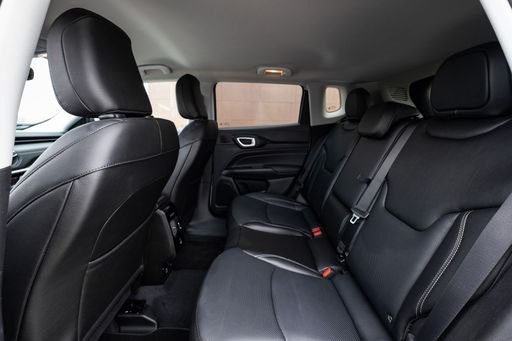
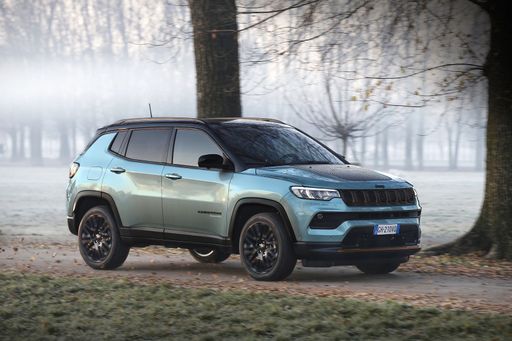
The Jeep Compass is classified as an SUV, making it a perfect choice for families and urban drivers who seek comfort and functionality. With dimensions of 4404 mm in length, 1819 mm in width, and a height of 1629 mm, the Compass offers a spacious interior with room for up to five passengers.

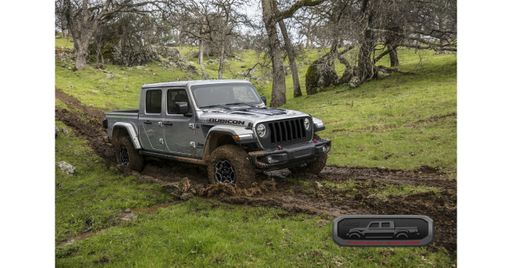
On the other hand, the Jeep Gladiator is a pickup truck that provides exceptional utility for those who require cargo space and off-road capability. Measuring 5591 mm long, 1894 mm wide, and 1905 mm high, the Gladiator’s larger frame accommodates both passengers and an impressive payload, making it ideal for work and outdoor activities.

Compass

Engine Options and Performance

Under the hood, the Jeep Compass offers a variety of engine choices, including petrol MHEV and plug-in hybrid options. The horsepower ranges from 130 to 240 HP, with torque peaking at 240 Nm. The 0-100 km/h acceleration times range from 7.3 to 10.3 seconds, depending on the specific engine configuration.

Meanwhile, the Gladiator is powered exclusively by a 3.0L diesel engine, delivering a robust 264 HP and a remarkable torque of 600 Nm. With a 0-100 km/h acceleration time of 8.6 seconds, the Gladiator combines power with off-road prowess. Its All-Wheel Drive (AWD) system ensures optimal traction in various terrains, a hallmark of the Jeep brand.

Transmission and Drive Type

Both the Compass and Gladiator utilize advanced automatic gearboxes. The Compass offers dual-clutch and traditional automatic transmission options, while the Gladiator features a robust automatic gearbox that complements its powerful diesel engine. The Compass is available in both front-wheel drive and all-wheel drive, providing drivers with options depending on their driving needs.

Fuel Efficiency and Consumption

One of the standout features of the Jeep Compass is its impressive fuel efficiency. With a consumption rate as low as 2 L/100 km in hybrid configurations, it presents an environmentally friendly choice in the compact SUV segment. The Compass boasts a fuel tank capacity of 55 liters, ensuring good range for urban driving.

Conversely, the Gladiator’s diesel engine consumes roughly 9.8 L/100 km, which is expected given its larger size and power output. It holds 71 liters of fuel, providing ample capacity for longer journeys and heavy-duty use.

Innovative Features and Technology

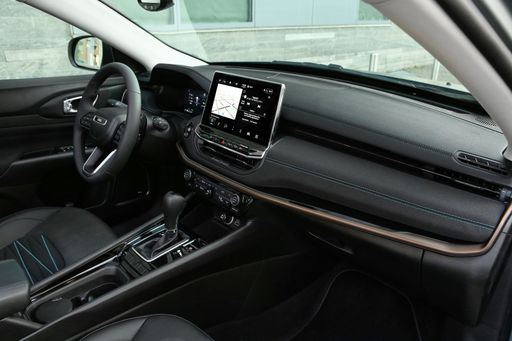
In terms of innovation, the Jeep Compass comes equipped with a variety of modern infotainment features, safety technologies, and driver assistance systems. From advanced navigation systems to smart connectivity options, the Compass is designed to cater to the tech-savvy driver.

The Gladiator, on the other hand, emphasizes utility and ruggedness. Its impressive towing capacity, combined with integrated storage solutions and off-road navigational tools, makes it a favorite among adventure enthusiasts who also need a reliable work vehicle.

Conclusion: Choosing Your Jeep

Choosing between the Jeep Compass and the Jeep Gladiator ultimately boils down to individual needs. The Compass is tailored for those seeking a comfortable and economical SUV for daily commutes and family outings, while the Gladiator speaks to adventure-lovers who need a robust pickup for both work and play. Each vehicle embodies the Jeep spirit in its own unique way, ensuring that Jeep enthusiasts can find the perfect match for their lifestyle.

As you consider your options, think about what you prioritize in your vehicle—whether it be fuel efficiency and modern comforts from the Compass, or the rugged utility and power of the Gladiator. Either way, you’ll be well-equipped for the journey ahead.

Here’s where it gets real: The technical differences in detail

Compass

Costs and Efficiency:

Price and efficiency are often the first things buyers look at. Here it becomes clear which model has the long-term edge – whether at the pump, the plug, or in purchase price.

Jeep Compass is considerably cheaper – starting at 34,200 £ , while the Jeep Gladiator costs 66,400 £ . That’s a price difference of around 32,228 £.

Fuel consumption also shows a difference: the Jeep Compass uses 3 L/100km and is considerably more efficient than the Jeep Gladiator with 9.8 L/100km. The difference is about 6.8 L/100km.

Gladiator

Engine and Performance:

Power, torque and acceleration are the classic benchmarks for car enthusiasts – and here, some clear differences start to show.

When it comes to engine power, the Jeep Gladiator offers moderately more power – delivering 264 HP compared to 225 HP. That’s roughly 39 HP more horsepower.

When accelerating from 0 to 100 km/h, the Jeep Compass is very slightly quicker – completing the sprint in 8 s, while the Jeep Gladiator takes 8.6 s. That’s about 0.6 s quicker.

There’s also a difference in torque: the Jeep Gladiator delivers significantly more torque with 600 Nm compared to 345 Nm. That’s about 255 Nm more.

Compass

Space and Everyday Use:

Cabin size, boot volume and payload all play a role in everyday practicality. Here, comfort and flexibility make the difference.

Both vehicles offer seating for 5 people.

In terms of curb weight, Jeep Compass is significantly lighter – 1,667 kg compared to 2,360 kg. The difference is around 693 kg.

When it comes to payload, the Jeep Gladiator carries a bit more – 565 kg compared to 473 kg. That’s a difference of about 92 kg.

Who wins the race in the data check?

The Jeep Compass is decisively ahead in the objective data comparison.
This result only shows which model scores more points on paper – not which of the two cars feels right for you.

from £34,200
Compass

Jeep Compass

  • Engine Type Petrol MHEV, Electric, Plugin Hybrid
  • Transmission Automatic
  • Drive Type Front-Wheel Drive
  • Power HP 145 - 225 HP
  • Consumption L/100km 3 - 5.6 L/100km
  • Consumption kWh/100km 17.5 kWh/100km
  • Electric Range 95 - 500 km
Jeep Compass
Jeep Gladiator

Costs and Consumption

View detailed analysis

Engine and Performance

View detailed analysis

Dimensions and Body

View detailed analysis

Jeep Compass

The Jeep Compass packs classic Jeep styling with a surprisingly composed demeanor, equally at home turning heads in the city or tackling a weekend dirt track. Inside it's a pragmatic, user-friendly compact SUV that prioritizes comfort and versatility — a smart pick if you want a dose of adventure without giving up everyday sense.

details

Jeep Gladiator

The Jeep Gladiator grafts the Wrangler's go-anywhere attitude onto a proper pickup bed, giving weekend adventurers the ability to haul gear, pop the top, and head off-road with confidence. It won't pretend to be a luxury cruiser, but its honest, rugged charm and practical versatility make it a great pick for buyers who value character and capability over showroom polish.

details
Jeep Compass
Jeep Gladiator

Costs and Consumption

Price
34,200 - 43,200 £
Price
66,400 £
Consumption L/100km
3 - 5.6 L/100km
Consumption L/100km
9.8 L/100km
Consumption kWh/100km
17.5 kWh/100km
Consumption kWh/100km
-
Electric Range
95 - 500 km
Electric Range
-
Battery Capacity
-
Battery Capacity
-
co2
0 - 127 g/km
co2
257 g/km
Fuel tank capacity
-
Fuel tank capacity
71 L

Dimensions and Body

Body Type
SUV
Body Type
Pickup
Seats
5
Seats
5
Doors
-
Doors
4
Curb weight
1,667 - 2,198 kg
Curb weight
2,360 kg
Trunk capacity
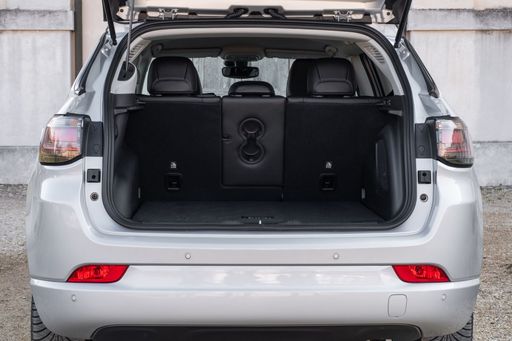
550 L
Trunk capacity
-
Length
-
Length
5,591 mm
Width
1,928 mm
Width
1,894 mm
Height
-
Height
1,905 mm
Max trunk capacity
-
Max trunk capacity
-
Payload
472 - 473 kg
Payload
565 kg

Engine and Performance

Engine Type
Petrol MHEV, Electric, Plugin Hybrid
Engine Type
Diesel
Transmission
Automatic
Transmission
Automatic
Transmission Detail
Dual-Clutch Automatic, Reduction Gearbox
Transmission Detail
Automatic Gearbox
Drive Type
Front-Wheel Drive
Drive Type
All-Wheel Drive
Power HP
145 - 225 HP
Power HP
264 HP
Acceleration 0-100km/h
8 - 10 s
Acceleration 0-100km/h
8.6 s
Max Speed
-
Max Speed
177 km/h
Torque
230 - 345 Nm
Torque
600 Nm
Number of Cylinders
3 - 4
Number of Cylinders
6
Power kW
107 - 165 kW
Power kW
194 kW
Engine capacity
1,199 - 1,596 cm3
Engine capacity
2,987 cm3

General

Model Year
2,025 - 2,026
Model Year
2023
CO2 Efficiency Class
D, A, B
CO2 Efficiency Class
G
Brand
Jeep
Brand
Jeep
DriveDuel uses data analysis and artificial intelligence to evaluate vehicle data and create content. Content is regularly reviewed and improved. The displayed prices are estimates based on German list prices, adjusted to the respective country’s VAT. Country-specific registration taxes are not included. This information is not legally binding.