VS

Lexus LBX vs Kia Niro comparison

Compare performance (136 HP vs 138 HP), boot space and price (28,300 £ vs 29,100 £ ) at a glance. Find out which car is the better choice for you – Lexus LBX or Kia Niro?

Lexus LBX vs Kia Niro: Key differences

Lexus LBX

5 (2 Reviews)
rate
  • marginally cheaper
  • clearly quicker 0–100 km/h
  • somewhat lighter
details

Kia Niro

4.5 (3 Reviews)
rate
  • marginally more power
  • clearly more trunk space
details

All details on performance, efficiency, range and trunk space can be found in the technical comparison below – including user reviews for both models.

By Achim Sedelmaier

LBX

Compact SUV Showdown: Kia Niro vs. Lexus LBX

In the burgeoning segment of compact SUVs, two models are catching the eye for 2024: the Kia Niro and the Lexus LBX. Both vehicles blend practicality with innovation, but which one offers the superior mix of performance, efficiency, and modern conveniences? In this article, we compare their technical details to help you decide which one might suit your needs better.
Niro

Power and Performance

The Kia Niro offers a choice between a full hybrid and a plug-in hybrid setup. In terms of power, it provides two output options—129 HP and 171 HP, translating to 95 kW and 126 kW, respectively. It utilizes a dual-clutch automatic transmission for smooth gear changes and front-wheel drive for consistent handling. The car's acceleration from 0-100 km/h ranges from 11.3 seconds for the hybrid to 10.4 seconds for the plug-in variant.

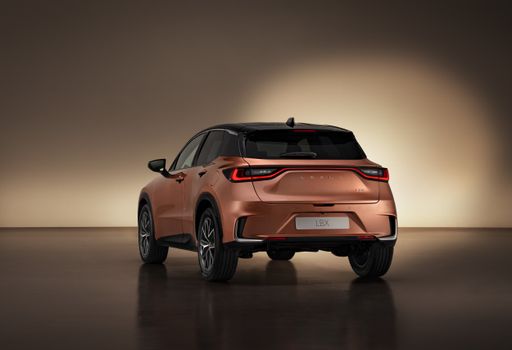
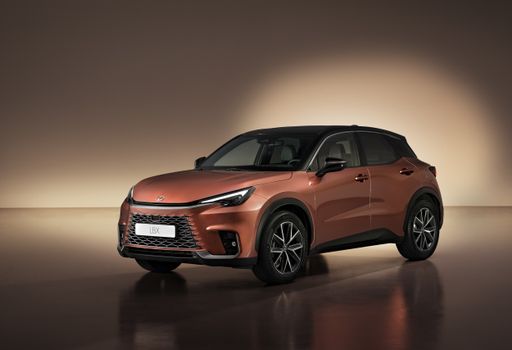
In contrast, the Lexus LBX is available in a full hybrid configuration with a single output of 136 HP (100 kW). It features a continuously variable transmission (CVT) which offers a seamless driving experience. Buyers have the option between front-wheel and all-wheel drive, with the vehicle accelerating from 0-100 km/h in approximately 9.2 to 9.6 seconds. This makes it slightly faster than the Niro.

LBX

Fuel Efficiency and Range

The Kia Niro shines in its eco-friendly credentials, especially the plug-in hybrid version, which offers a remarkable fuel consumption of just 0.8 L/100 km and an electric range of up to 65 km. Its full hybrid variant also performs well with a consumption of 4.4 L/100 km. The Niro's CO2 emissions are notably low, with figures ranging from 19 to 23 g/km.

The Lexus LBX has a commendable fuel consumption of 4.5 to 4.8 L/100 km and CO2 emissions between 102 and 109 g/km. While it can't match the electric range of a plug-in hybrid, it offers a practical balance of power and efficiency.

Niro

Design and Dimensions

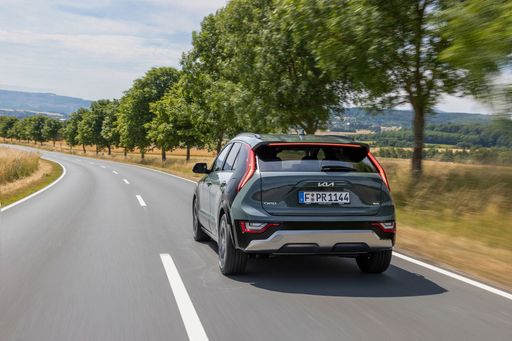
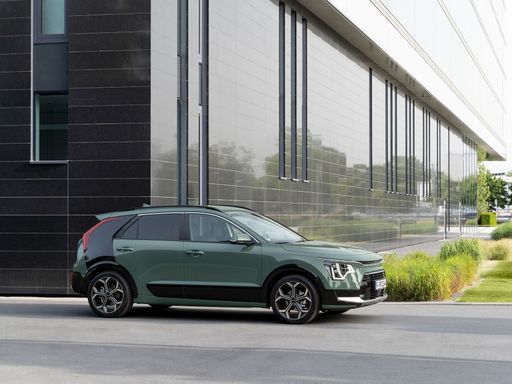
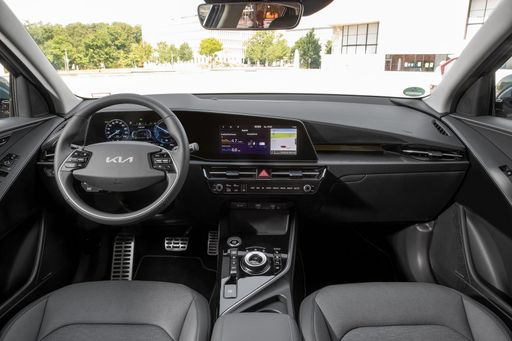
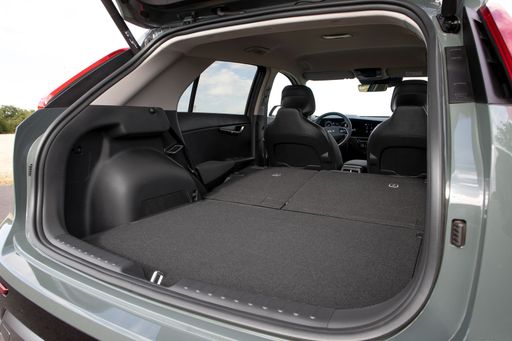
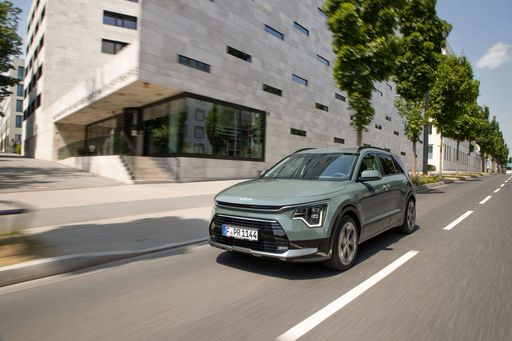
The Kia Niro measures 4420 mm in length, 1825 mm in width, and 1545 mm in height, providing ample space for passengers and luggage. Its trunk capacity is generous with 451 liters for the hybrid and 348 liters for the plug-in hybrid. The Niro can comfortably seat five passengers, making it a practical choice for families.

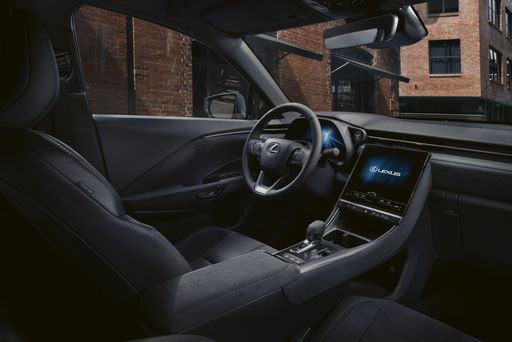
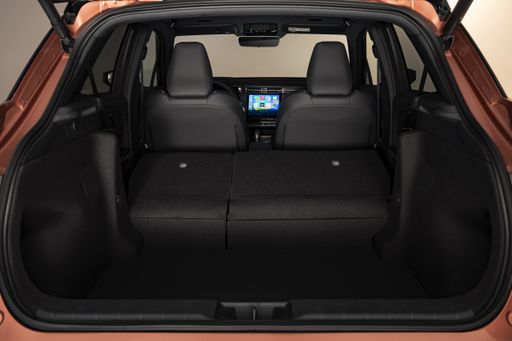
The Lexus LBX is slightly more compact at 4190 mm in length but shares the same width at 1825 mm. It stands slightly taller at 1560 mm. The LBX offers a trunk capacity of 332 liters with all seats in place. It seats four occupants, focusing on a more luxurious interior experience.

LBX

Conclusion: Which Should You Choose?

If you're looking for a vehicle with an emphasis on electric efficiency and a practical interior, the Kia Niro's plug-in hybrid variant may be the best fit. Its excellent electric range and versatile seating are significant advantages for eco-conscious drivers.

However, for those prioritizing a premium feel and advanced drivetrain options, the Lexus LBX presents a compelling case. With the choice of all-wheel drive and a slightly faster acceleration, it offers a blend of luxury and performance, making it suitable for small families or individuals seeking comfort and capability.

Ultimately, both the Kia Niro and Lexus LBX bring their unique strengths to the compact SUV arena, and the decision will hinge on your specific priorities, whether it's efficiency, luxury, or a balance of both.

Here’s where it gets real: The technical differences in detail

LBX

Costs and Efficiency:

Price and efficiency are often the first things buyers look at. Here it becomes clear which model has the long-term edge – whether at the pump, the plug, or in purchase price.

Lexus LBX is marginally cheaper – starting at 28,300 £ , while the Kia Niro costs 29,100 £ . That’s a price difference of around 857 £.

Both cars consume an average of 4.5 L/100km – no difference here.

Niro

Engine and Performance:

Power, torque and acceleration say a lot about how a car feels on the road. This is where you see which model delivers more driving dynamics.

When it comes to engine power, the Kia Niro offers marginally more power – delivering 138 HP compared to 136 HP. That’s roughly 2 HP more horsepower.

When accelerating from 0 to 100 km/h, the Lexus LBX is clearly quicker – completing the sprint in 9.2 s, while the Kia Niro takes 11.1 s. That’s about 1.9 s quicker.

There’s also a difference in torque: the Kia Niro delivers noticeably more torque with 265 Nm compared to 185 Nm. That’s about 80 Nm more.

LBX

Space and Everyday Use:

Whether family car or daily driver – which one offers more room, flexibility and comfort?

Both vehicles offer seating for 5 people.

In terms of curb weight, Lexus LBX is somewhat lighter – 1,280 kg compared to 1,474 kg. The difference is around 194 kg.

Looking at boot space, the Kia Niro offers clearly more boot space – 451 L compared to 332 L. That’s a difference of about 119 L.

When it comes to payload, the Lexus LBX carries marginally more – 475 kg compared to 466 kg. That’s a difference of about 9 kg.

Who wins the race in the data check?

The Kia Niro stands out in the key areas in the objective data comparison.
This result only shows which model scores more points on paper – not which of the two cars feels right for you.

from £29,100
Niro

Kia Niro

  • Engine Type Full Hybrid
  • Transmission Automatic
  • Drive Type Front-Wheel Drive
  • Power HP 138 HP
  • Consumption L/100km 4.5 - 4.9 L/100km
Lexus LBX
Kia Niro

Costs and Consumption

View detailed analysis

Engine and Performance

View detailed analysis

Dimensions and Body

View detailed analysis

Lexus LBX

The Lexus LBX is a compact premium crossover that brings Lexus styling and craftsmanship to city driving, pairing a cozy interior with thoughtful tech and upscale materials. It focuses on a quiet, refined ride and fuel-efficient everyday usability while carrying the brand’s familiar emphasis on comfort and safety.

details

Kia Niro

The Kia Niro is a practical crossover that blends economy and everyday versatility without sacrificing comfort. With a roomy, well-laid-out cabin and calm, composed handling, it’s an easy-to-live-with choice for commuters and families.

details
Lexus LBX
Kia Niro

Costs and Consumption

Price
28,300 - 40,000 £
Price
29,100 - 33,800 £
Consumption L/100km
4.5 - 4.8 L/100km
Consumption L/100km
4.5 - 4.9 L/100km
Consumption kWh/100km
-
Consumption kWh/100km
-
Electric Range
-
Electric Range
-
Battery Capacity
-
Battery Capacity
-
co2
102 - 110 g/km
co2
102 - 111 g/km
Fuel tank capacity
-
Fuel tank capacity
-

Dimensions and Body

Body Type
SUV
Body Type
SUV
Seats
5
Seats
5
Doors
-
Doors
-
Curb weight
1,280 - 1,365 kg
Curb weight
1,474 kg
Trunk capacity
255 - 332 L
Trunk capacity
451 L
Length
-
Length
-
Width
1,825 mm
Width
1,825 mm
Height
-
Height
-
Max trunk capacity
-
Max trunk capacity
-
Payload
455 - 475 kg
Payload
466 kg

Engine and Performance

Engine Type
Full Hybrid
Engine Type
Full Hybrid
Transmission
Automatic
Transmission
Automatic
Transmission Detail
CVT
Transmission Detail
Dual-Clutch Automatic
Drive Type
Front-Wheel Drive, All-Wheel Drive
Drive Type
Front-Wheel Drive
Power HP
136 HP
Power HP
138 HP
Acceleration 0-100km/h
9.2 - 9.6 s
Acceleration 0-100km/h
11.1 - 11.4 s
Max Speed
-
Max Speed
-
Torque
185 Nm
Torque
265 Nm
Number of Cylinders
3
Number of Cylinders
4
Power kW
100 kW
Power kW
102 kW
Engine capacity
1,490 cm3
Engine capacity
1,580 cm3

General

Model Year
2025
Model Year
2025
CO2 Efficiency Class
C
CO2 Efficiency Class
C
Brand
Lexus
Brand
Kia
DriveDuel uses data analysis and artificial intelligence to evaluate vehicle data and create content. Content is regularly reviewed and improved. The displayed prices are estimates based on German list prices, adjusted to the respective country’s VAT. Country-specific registration taxes are not included. This information is not legally binding.