VS

Lexus UX vs Lexus LBX comparison

Compare performance (199 HP vs 136 HP), boot space and price (38,700 £ vs 28,300 £ ) at a glance. Find out which car is the better choice for you – Lexus UX or Lexus LBX?

Lexus UX vs Lexus LBX: Key differences

Lexus UX

4.5 (5 Reviews)
rate
  • clearly more power
  • slightly quicker 0–100 km/h
details

Lexus LBX

5 (2 Reviews)
rate
  • markedly cheaper
  • moderately more efficient
  • a bit lighter
details

All details on performance, efficiency, range and trunk space can be found in the technical comparison below – including user reviews for both models.

By Achim Sedelmaier

UX

Lexus LBX VS Lexus UX: compact Lexus crossovers compared

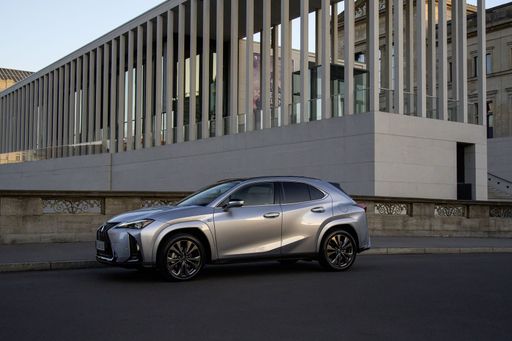
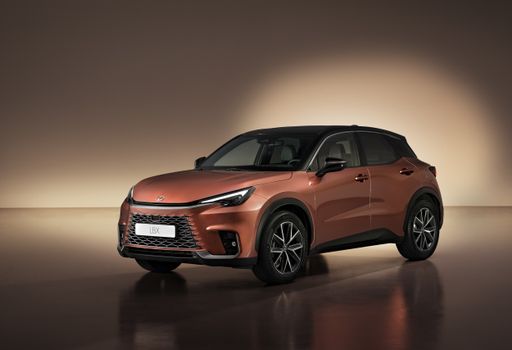
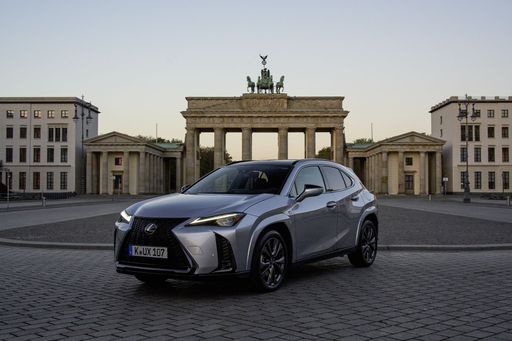
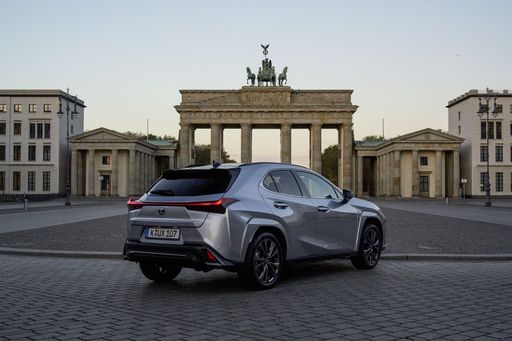
The Lexus LBX and Lexus UX aim at the same sweet spot: premium comfort in a small, city-friendly SUV footprint. This matchup pits the boutique-newcomer feel of the Lexus LBX against the established polish of the Lexus UX. Both prioritize calm over fireworks, but they go about it with different emphases that matter in daily life. If you’re deciding between them, the key differences show up in driving character, cabin experience, and how each handles tight spaces and longer trips.
LBX

Driving feel and everyday calm

In town, the Lexus LBX glides off the line more willingly and spends a lot of time whispering along on its hybrid system, which suits relaxed commuting. The Lexus UX counters with a stronger shove when you demand it, feeling brisker when merging or overtaking, though both hybrids get audibly strained if you hold your foot down. Light steering and easy low-speed manners define both, but the LBX’s smaller size helps it feel more nimble in tight streets. Drivers who value a touch more response will lean UX; those who want the most serene, EV-like creep in traffic will feel right at home in the LBX.

UX

Ride comfort and motorway manners

The Lexus UX settles into a particularly calm groove at a steady cruise, with a planted feel that encourages long, unhurried journeys. The Lexus LBX is impressively quiet for its size and copes well on the motorway, though it can fidget a bit over sharp city ridges at low speeds. Ask for rapid acceleration and both remind you they’re tuned for ease, not drama, with the familiar hybrid flare of revs. Choose the UX if you spend more time loping along at higher speeds; the LBX suits mixed routes where urban comfort matters just as much as weekend A-road stints.

LBX

Cabin quality, controls and visibility

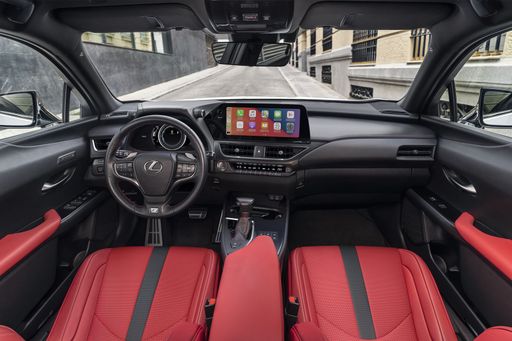
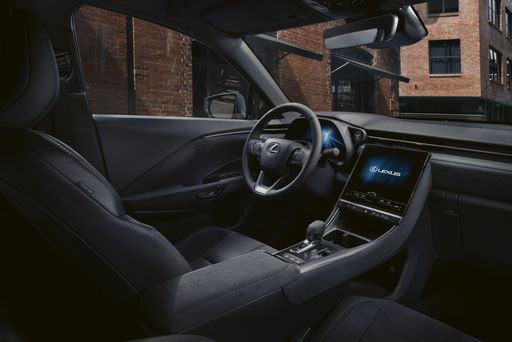
Both cabins feel genuinely premium, with tight fits, soft-touch materials and the Lexus emphasis on quiet craftsmanship. The LBX leans into straightforward ergonomics with proper climate knobs and a clean, modern layout, while its generous visibility makes city driving less stressful. The UX’s design still looks and feels upscale, yet its chunkier rear pillars and slightly lower seating position reduce outward view, and its infotainment—improved in recent updates—remains more functional than delightful. If you want the slickest day-to-day control simplicity and an airier perch, the LBX has the edge; if you prioritize a mature, cocooning ambience, the UX delivers.

UX

Space and practicality for real lives

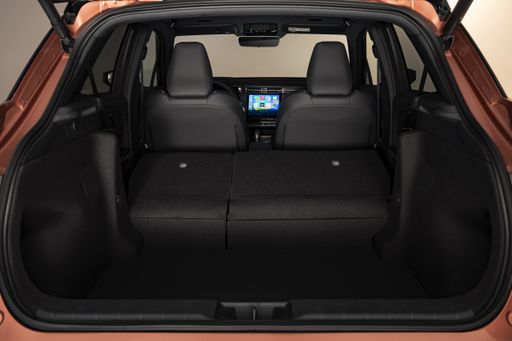
Rear seating is the pinch point in both, with limited room for tall passengers and little joy in carrying three across. The Lexus UX also has a modest boot, fine for a weekly shop but short on reserve for bulky strollers or holiday luggage. The Lexus LBX feels a touch more cleverly packaged for its size and easier to park, yet its door openings are tight and the load area lacks flexible tricks, and all-wheel drive versions eat into space. Occasional family duty is possible in either, but downsizers and couples who travel light will find them at their best.

LBX

Costs, efficiency and buyer fit

The Lexus LBX undercuts the Lexus UX by a clear margin, and it typically sips a bit less fuel, which will appeal to cost-conscious premium shoppers. The UX justifies its higher outlay with stronger performance when you need it and a more settled long-haul demeanor, plus the usual Lexus service and warranty ecosystem that favors long-term keepers. Both offer E-Four all-wheel drive; in the LBX it’s a neat winter safety net, while in the UX it adds weight and a small efficiency penalty that many urban drivers won’t need. In short, pick the LBX if you want the most affordable, easygoing hybrid SUV experience with top-tier city manners; choose the UX if you prefer extra shove and a calmer stride on bigger roads, and can live with tighter space and price to get it.

Here’s where it gets real: The technical differences in detail

UX

Costs and Efficiency:

Looking at overall running costs, both models reveal some interesting differences in everyday economy.

Lexus LBX is markedly cheaper – starting at 28,300 £ , while the Lexus UX costs 38,700 £ . That’s a price difference of around 10,465 £.

Fuel consumption also shows a difference: the Lexus LBX uses 4.5 L/100km and is moderately more efficient than the Lexus UX with 5 L/100km. The difference is about 0.5 L/100km.

LBX

Engine and Performance:

Power, torque and acceleration say a lot about how a car feels on the road. This is where you see which model delivers more driving dynamics.

When it comes to engine power, the Lexus UX offers clearly more power – delivering 199 HP compared to 136 HP. That’s roughly 63 HP more horsepower.

When accelerating from 0 to 100 km/h, the Lexus UX is slightly quicker – completing the sprint in 7.9 s, while the Lexus LBX takes 9.2 s. That’s about 1.3 s quicker.

UX

Space and Everyday Use:

Whether family car or daily driver – which one offers more room, flexibility and comfort?

Both vehicles offer seating for 5 people.

In terms of curb weight, Lexus LBX is a bit lighter – 1,280 kg compared to 1,495 kg. The difference is around 215 kg.

When it comes to payload, the Lexus UX carries noticeably more – 615 kg compared to 475 kg. That’s a difference of about 140 kg.

Who wins the race in the data check?

The Lexus UX holds a decisive overall lead in the objective data comparison.
This result only shows which model scores more points on paper – not which of the two cars feels right for you.

from £38,700
UX

Lexus UX

  • Engine Type : Full Hybrid
  • Transmission : Automatic
  • Drive Type : Front-Wheel Drive, All-Wheel Drive
  • Power HP : 199 HP
  • Consumption L/100km : 5 - 5.6 L/100km
Lexus UX
Lexus LBX

Costs and Consumption

View detailed analysis

Engine and Performance

View detailed analysis

Dimensions and Body

View detailed analysis

Lexus UX

The Lexus UX is a compact luxury crossover that blends sharp styling with a quiet, comfortable cabin, perfect for urban buyers who want premium feel without shouting about it. It rides with poise, serves up plush materials and thoughtful tech, and—while it won’t satisfy anyone chasing track thrills—it's a smart, stylish choice for everyday driving.

details

Lexus LBX

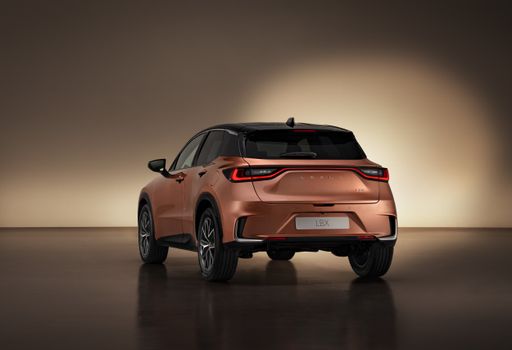
The Lexus LBX is a compact premium crossover that brings Lexus styling and craftsmanship to city driving, pairing a cozy interior with thoughtful tech and upscale materials. It focuses on a quiet, refined ride and fuel-efficient everyday usability while carrying the brand’s familiar emphasis on comfort and safety.

details
Lexus UX
Lexus LBX

Costs and Consumption

Price
38,700 - 54,100 £
Price
28,300 - 40,000 £
Consumption L/100km
5 - 5.6 L/100km
Consumption L/100km
4.5 - 4.8 L/100km
Consumption kWh/100km
-
Consumption kWh/100km
-
Electric Range
-
Electric Range
-
Battery Capacity
-
Battery Capacity
-
co2
113 - 127 g/km
co2
102 - 110 g/km
Fuel tank capacity
-
Fuel tank capacity
-

Dimensions and Body

Body Type
SUV
Body Type
SUV
Seats
5
Seats
5
Doors
-
Doors
-
Curb weight
1,495 - 1,555 kg
Curb weight
1,280 - 1,365 kg
Trunk capacity
320 L
Trunk capacity
-
Length
-
Length
-
Width
1,840 mm
Width
1,825 mm
Height
-
Height
-
Max trunk capacity
-
Max trunk capacity
-
Payload
555 - 615 kg
Payload
455 - 475 kg

Engine and Performance

Engine Type
Full Hybrid
Engine Type
Full Hybrid
Transmission
Automatic
Transmission
Automatic
Transmission Detail
CVT
Transmission Detail
CVT
Drive Type
Front-Wheel Drive, All-Wheel Drive
Drive Type
Front-Wheel Drive, All-Wheel Drive
Power HP
199 HP
Power HP
136 HP
Acceleration 0-100km/h
7.9 - 8.1 s
Acceleration 0-100km/h
9.2 - 9.6 s
Max Speed
-
Max Speed
-
Torque
-
Torque
185 Nm
Number of Cylinders
4
Number of Cylinders
3
Power kW
146 kW
Power kW
100 kW
Engine capacity
1,987 cm3
Engine capacity
1,490 cm3

General

Model Year
2025
Model Year
2025
CO2 Efficiency Class
C, D
CO2 Efficiency Class
C
Brand
Lexus
Brand
Lexus
DriveDuel uses data analysis and artificial intelligence to evaluate vehicle data and create content. Content is regularly reviewed and improved. The displayed prices are estimates based on German list prices, adjusted to the respective country’s VAT. Country-specific registration taxes are not included. This information is not legally binding.