
 Deutschland
 France
 Nederland
 Great Britain
 Sverige
 Danmark
 Suomi
Suomi Italia
 Polska
 España
C Class Wagon
VS
Mercedes C Class Wagon vs BMW X3 comparison
Compare performance (680 HP vs 398 HP), boot space and price (42,600 £ vs 51,300 £ ) at a glance. Find out which car is the better choice for you – Mercedes C Class Wagon or BMW X3?
X3
The Battle of Luxury: BMW X3 vs. Mercedes C-Klasse T-Modell
The automotive market has long been a battleground for luxury vehicles, and two models that stand out in this segment are the BMW X3 and the Mercedes C-Klasse T-Modell. The X3, a premium SUV, and the C-Klasse T-Modell, a versatile wagon, offer their own unique blend of luxury, performance, and cutting-edge technology. In this comparison, we will explore their technical aspects and innovations to determine which one comes out on top.
C Class Wagon
Powertrains and Performance
The BMW X3 offers a wide array of powertrains, including options such as Diesel MHEV, Petrol MHEV, Plugin Hybrid, and traditional petrol engines. It boasts performance figures ranging from 190 hp to an impressive 510 hp for the X3 M. The acceleration from 0 to 100 km/h can be achieved in as little as 3.8 seconds, making it a formidable contender in the performance domain.
In contrast, the Mercedes C-Klasse T-Modell comes with a selection of petrol and diesel MHEV engines, pushing power output from 193 hp to a remarkable 680 hp in the AMG variant. The acceleration efficiency is equally impressive, with the top-of-the-line models hitting 100 km/h in just 3.4 seconds.
X3
Fuel Efficiency and Eco-Friendliness
Fuel efficiency is a crucial consideration for modern buyers, and both cars offer competitive options. The BMW X3 has a consumption range between 0.9 to 10.8 L/100km, while providing a max electric range of up to 90 km for its Plug-in Hybrid variant. On the other hand, the C-Klasse T-Modell showcases impressive fuel efficiency, with consumption figures ranging from 0.4 to 9 L/100km and an electric range of up to 113 km.
C Class Wagon
Interior and Technology
Step inside the BMW X3, and you're greeted with a blend of luxury and advanced technology. The interior boasts spacious seating for five, alongside high-quality materials and cutting-edge infotainment options. Innovations such as the BMW iDrive system offer intuitive controls, smartphone integration, and a host of driver assistance features that cater to a luxurious driving experience.
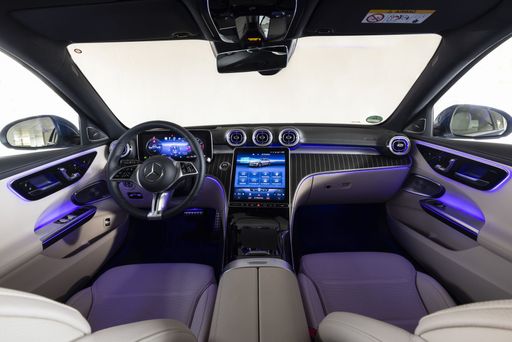
On the other hand, the Mercedes C-Klasse T-Modell takes a different approach to interior design. Its cabin is ergonomically designed with premium materials, focusing on comfort and style. The Mercedes MBUX infotainment system stands out with its voice-activated controls and seamless connectivity, providing an intelligent driving environment. Furthermore, it integrates the latest in digital instrumentation, offering a futuristic dashboard display.
X3
Space and Practicality
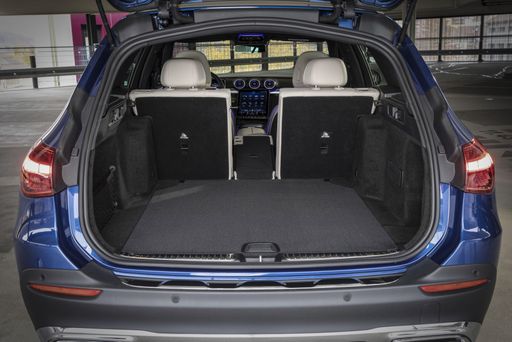
While the BMW X3 excels in utility due to its SUV build, offering trunk capacities between 550 to 570 liters, the C-Klasse T-Modell provides adequate storage for a wagon, with trunk spaces ranging up to 490 liters. Both models prioritize passenger comfort, but the X3's spaciousness is more pronounced, making it the preferred choice for families or those needing more cargo room.
C Class Wagon
Safety Features
When it comes to safety, both vehicles are equipped with the latest technology to ensure driver and passenger security. The BMW X3 includes advanced driver assistance systems that enhance stability and accident avoidance. Likewise, the C-Klasse T-Modell features high-level safety technologies that have earned it high ratings in crash tests, making it a reliable choice for safety-conscious buyers.
X3
Conclusion: Which One Reigns Supreme?
In conclusion, choosing between the BMW X3 and the Mercedes C-Klasse T-Modell ultimately depends on personal preference and needs. If you prioritize spaciousness, ruggedness, and performance versatility, the BMW X3 is the clear winner. Conversely, if you value style, advanced tech features, and a luxurious driving experience in a refined wagon design, the C-Klasse T-Modell stands out.
Both vehicles represent the pinnacle of automotive engineering, but your final choice should reflect your lifestyle and driving aspirations. With their blend of power, efficiency, and luxury, either option is bound to impress.
Here’s where it gets real: The technical differences in detail
C Class Wagon
Costs and Efficiency:
Price and efficiency are often the first things buyers look at. Here it becomes clear which model has the long-term edge – whether at the pump, the plug, or in purchase price.
Mercedes C Class Wagon is clearly cheaper – starting at 42,600 £ , while the BMW X3 costs 51,300 £ . That’s a price difference of around 8,657 £.
Fuel consumption also shows a difference: the Mercedes C Class Wagon uses 0.4 L/100km and is considerably more efficient than the BMW X3 with 2.8 L/100km. The difference is about 2.4 L/100km.
As for electric range, the Mercedes C Class Wagon offers noticeably more range – reaching up to 112 km, about 24 km more than the BMW X3.
X3
Engine and Performance:
Power, torque and acceleration say a lot about how a car feels on the road. This is where you see which model delivers more driving dynamics.
When it comes to engine power, the Mercedes C Class Wagon offers substantially more power – delivering 680 HP compared to 398 HP. That’s roughly 282 HP more horsepower.
When accelerating from 0 to 100 km/h, the Mercedes C Class Wagon is markedly quicker – completing the sprint in 3.4 s, while the BMW X3 takes 4.6 s. That’s about 1.2 s quicker.
Looking at top speed, the Mercedes C Class Wagon is moderately faster – reaching 280 km/h, while the BMW X3 tops out at 250 km/h. The difference is around 30 km/h.
There’s also a difference in torque: the Mercedes C Class Wagon delivers noticeably more torque with 1,020 Nm compared to 670 Nm. That’s about 350 Nm more.
C Class Wagon
Space and Everyday Use:
Whether family car or daily driver – which one offers more room, flexibility and comfort?
Both vehicles offer seating for 5 people.
In terms of curb weight, Mercedes C Class Wagon is very slightly lighter – 1,755 kg compared to 1,930 kg. The difference is around 175 kg.
Looking at boot space, the BMW X3 offers slightly more boot space – 570 L compared to 490 L. That’s a difference of about 80 L.
For maximum load capacity, the BMW X3 offers slightly more capacity – up to 1,700 L, about 325 L more than the Mercedes C Class Wagon.
When it comes to payload, the BMW X3 carries barely more – 570 kg compared to 565 kg. That’s a difference of about 5 kg.
Who wins the race in the data check?
The Mercedes C Class Wagon is far ahead overall in the objective data comparison.
This result only shows which model scores more points on paper – not which of the two cars feels right for you.
from £42,600
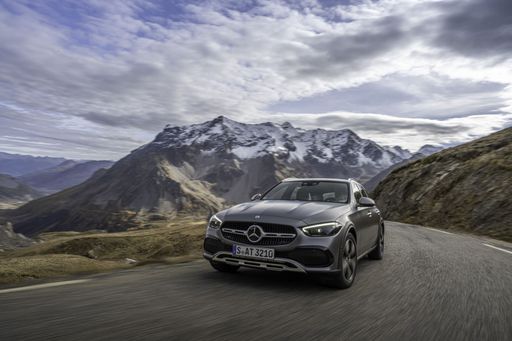
Mercedes C Class Wagon
Mercedes C Class Wagon
BMW X3
Costs and Consumption
View detailed analysis
View detailed analysis
Engine and Performance
View detailed analysis
View detailed analysis
Dimensions and Body
View detailed analysis
View detailed analysis
Mercedes C Class Wagon
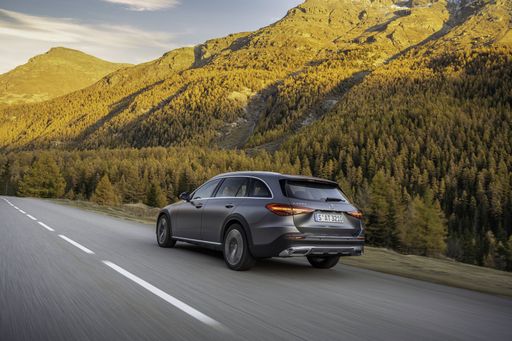
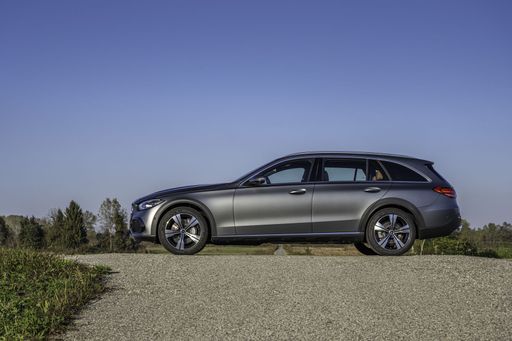
The Mercedes C-Class wagon dresses Mercedes refinement in a sensible, practical package, marrying a sleek estate silhouette with a plush, high-quality cabin that feels more premium than its badge implies. It quietly soaks up motorway miles and cartloads of family kit with composed handling and effortless comfort — a clever alternative to an SUV for buyers who still like to steer.
details
BMW X3
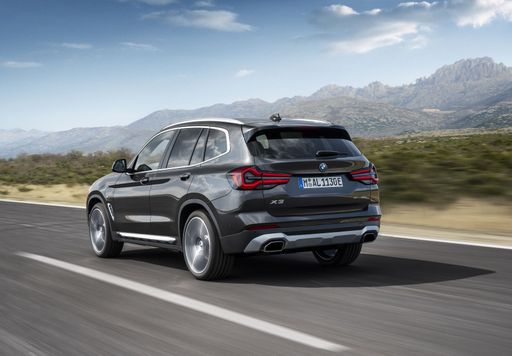
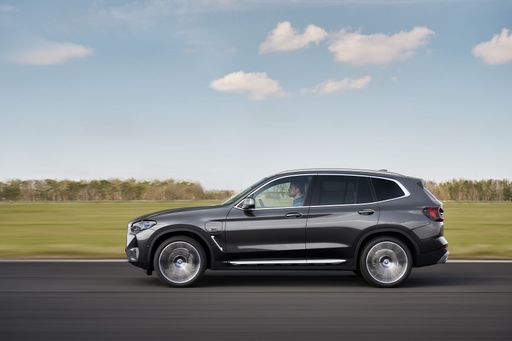
The BMW X3 mixes Bavarian poise with everyday practicality, delivering a composed ride and a cabin that feels both premium and lived-in. It’s the sort of SUV that lets you enjoy sporty handling without sacrificing family-friendly space, so you get fun and sense in one neat package.
details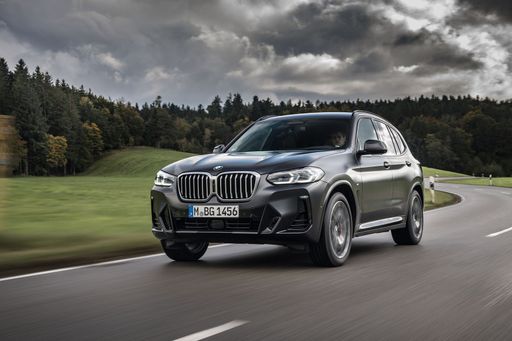
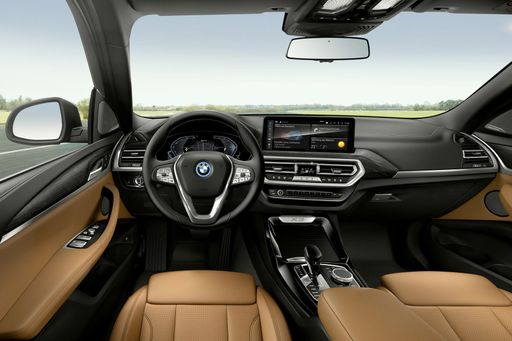
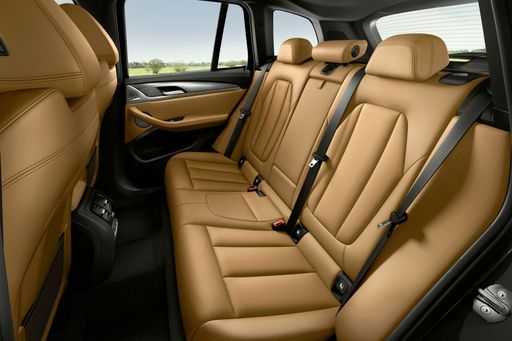
Mercedes C Class Wagon
BMW X3
Costs and Consumption |
|
|---|---|
|
Price
42,600 - 104,400 £
|
Price
51,300 - 72,400 £
|
|
Consumption L/100km
0.4 - 9 L/100km
|
Consumption L/100km
2.8 - 7.7 L/100km
|
|
Consumption kWh/100km
-
|
Consumption kWh/100km
-
|
|
Electric Range
11 - 112 km
|
Electric Range
88 km
|
|
Battery Capacity
19.5 kWh
|
Battery Capacity
-
|
|
co2
11 - 205 g/km
|
co2
64 - 175 g/km
|
|
Fuel tank capacity
50 - 60 L
|
Fuel tank capacity
60 - 65 L
|
Dimensions and Body |
|
|---|---|
|
Body Type
Estate
|
Body Type
SUV
|
|
Seats
5
|
Seats
5
|
|
Doors
5
|
Doors
5
|
|
Curb weight
1,755 - 2,235 kg
|
Curb weight
1,930 - 2,140 kg
|
|
Trunk capacity
360 - 490 L
|
Trunk capacity
460 - 570 L
|
|
Length
4,751 - 4,842 mm
|
Length
4,755 mm
|
|
Width
1,820 - 1,900 mm
|
Width
1,920 mm
|
|
Height
1,454 - 1,474 mm
|
Height
1,660 mm
|
|
Max trunk capacity
1,375 L
|
Max trunk capacity
1,700 L
|
|
Payload
440 - 565 kg
|
Payload
570 kg
|
Engine and Performance |
|
|---|---|
|
Engine Type
Petrol MHEV, Plugin Hybrid, Diesel MHEV
|
Engine Type
Petrol MHEV, Diesel MHEV, Plugin Hybrid
|
|
Transmission
Automatic
|
Transmission
Automatic
|
|
Transmission Detail
Automatic Gearbox
|
Transmission Detail
Automatic Gearbox
|
|
Drive Type
Rear-Wheel Drive, All-Wheel Drive
|
Drive Type
All-Wheel Drive
|
|
Power HP
186 - 680 HP
|
Power HP
197 - 398 HP
|
|
Acceleration 0-100km/h
3.4 - 8.8 s
|
Acceleration 0-100km/h
4.6 - 7.8 s
|
|
Max Speed
232 - 280 km/h
|
Max Speed
215 - 250 km/h
|
|
Torque
250 - 1,020 Nm
|
Torque
330 - 670 Nm
|
|
Number of Cylinders
4
|
Number of Cylinders
4 - 6
|
|
Power kW
137 - 500 kW
|
Power kW
145 - 293 kW
|
|
Engine capacity
1,496 - 1,999 cm3
|
Engine capacity
1,995 - 2,998 cm3
|
General |
|
|---|---|
|
Model Year
2,024 - 2,025
|
Model Year
2,024 - 2,025
|
|
CO2 Efficiency Class
E, F, G, B, D
|
CO2 Efficiency Class
F, E, B
|
|
Brand
Mercedes-Benz
|
Brand
BMW
|
DriveDuel uses data analysis and artificial intelligence to evaluate vehicle data and create content. Content is regularly reviewed and improved.
The displayed prices are estimates based on German list prices, adjusted to the respective country’s VAT. Country-specific registration taxes are not included. This information is not legally binding.