
 Deutschland
 France
 Nederland
 Great Britain
 Sverige
 Danmark
 Suomi
Suomi Italia
 Polska
 Česko
Česko España
VS
Mercedes EQA vs Tesla Model S comparison
Compare performance (228 HP vs 1,020 HP), boot space and price (45,900 £ vs 94,300 £ ) at a glance. Find out which car is the better choice for you – Mercedes EQA or Tesla Model S?
EQA
Costs and Efficiency:
Price and efficiency are key factors when choosing a car – and this is often where the real differences emerge.
Mercedes EQA is substantially cheaper – starting at 45,900 £ , while the Tesla Model S costs 94,300 £ . That’s a price difference of around 48,403 £.
In terms of energy consumption, the Tesla Model S is barely more efficient: consuming 16.8 kWh/100km compared to 16.9 kWh/100km for the Mercedes EQA. That’s a difference of about 0.1 kWh/100km.
As for electric range, the Tesla Model S offers clearly more range – reaching up to 744 km, about 268 km more than the Mercedes EQA.
Model S
Engine and Performance:
Power, torque and acceleration are the classic benchmarks for car enthusiasts – and here, some clear differences start to show.
When it comes to engine power, the Tesla Model S offers considerably more power – delivering 1,020 HP compared to 228 HP. That’s roughly 792 HP more horsepower.
When accelerating from 0 to 100 km/h, the Tesla Model S is significantly quicker – completing the sprint in 2.1 s, while the Mercedes EQA takes 7.7 s. That’s about 5.6 s quicker.
EQA
Space and Everyday Use:
Cabin size, boot volume and payload all play a role in everyday practicality. Here, comfort and flexibility make the difference.
Both vehicles offer seating for 5 people.
In terms of curb weight, Tesla Model S is marginally lighter – 2,092 kg compared to 2,115 kg. The difference is around 23 kg.
Looking at boot space, the Tesla Model S offers considerably more boot space – 799 L compared to 340 L. That’s a difference of about 459 L.
When it comes to payload, the Tesla Model S carries marginally more – 442 kg compared to 425 kg. That’s a difference of about 17 kg.
Who wins the race in the data check?
The Tesla Model S stands well ahead of its rival in the objective data comparison.
This result only shows which model scores more points on paper – not which of the two cars feels right for you.
from £94,300
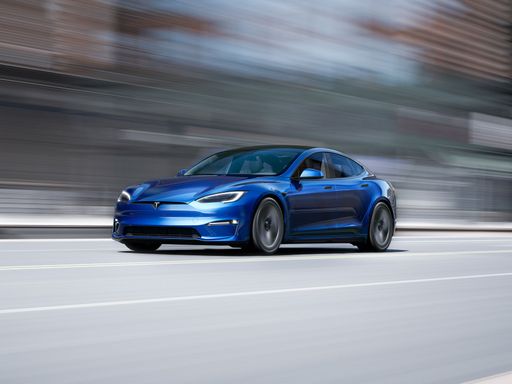
Tesla Model S
Mercedes EQA
Tesla Model S
Costs and Consumption
View detailed analysis
View detailed analysis
Engine and Performance
View detailed analysis
View detailed analysis
Dimensions and Body
View detailed analysis
View detailed analysis
Mercedes EQA
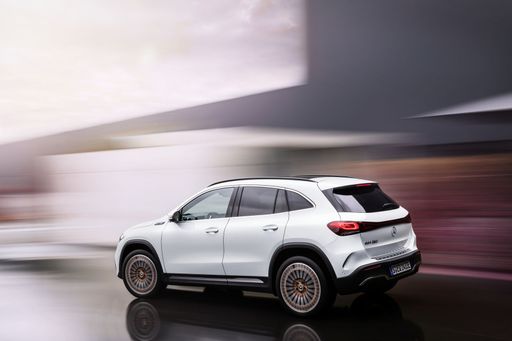
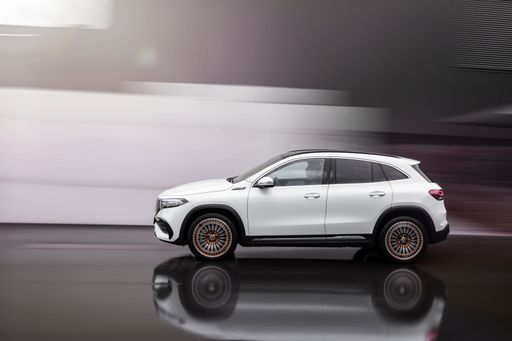
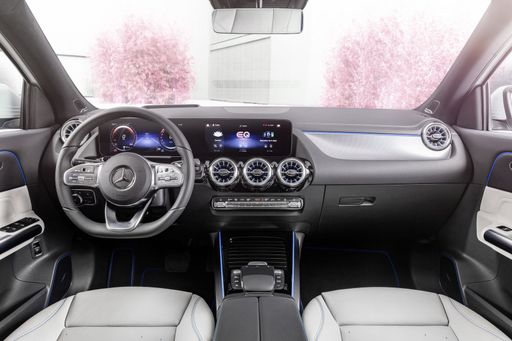
The Mercedes EQA slips into the electric crossover ranks with the brand’s familiar luxury polish, offering a quiet, fuss-free drive that feels perfectly at home in the city or on a country escape. Inside it’s neatly finished and tech-forward, projecting grown-up refinement even if it plays things a bit safe for anyone chasing outright excitement.
details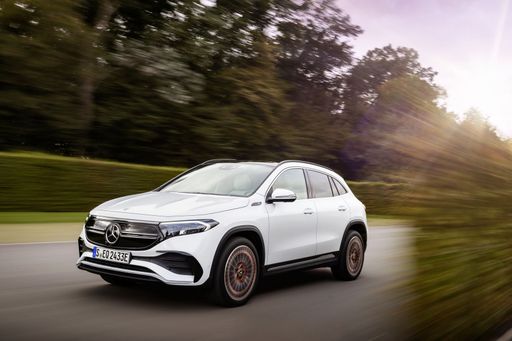
Tesla Model S
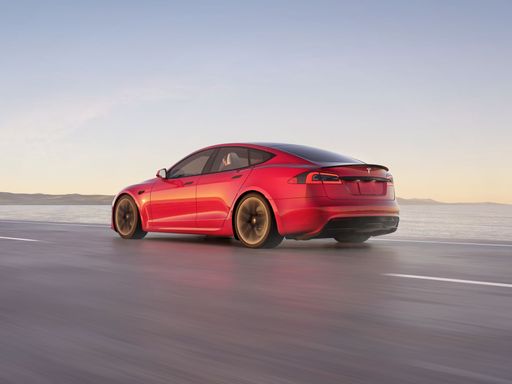
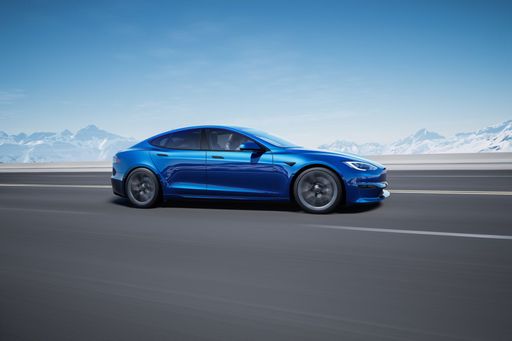
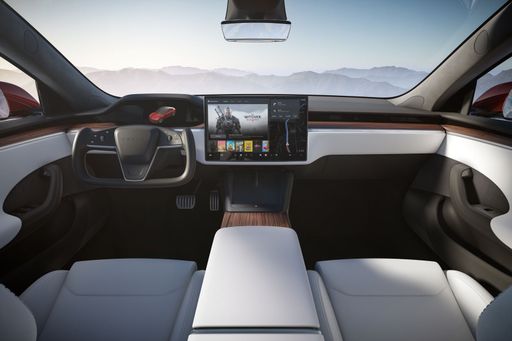
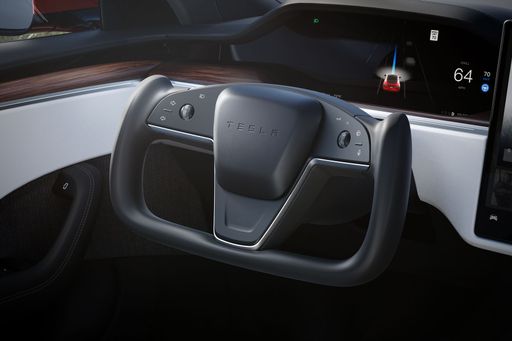
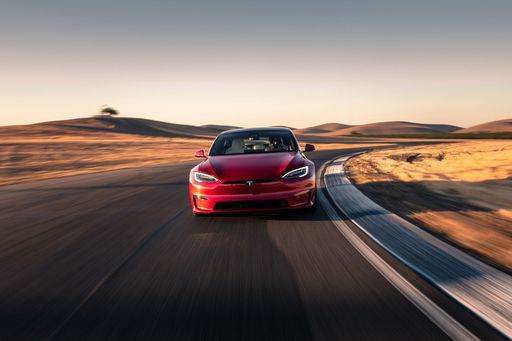
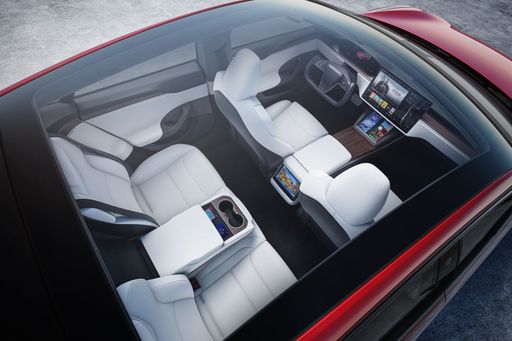
The Tesla Model S glides like a luxury sedan from the future, delivering instant shove and serene highway composure that make it feel equally at home on a rush-hour commute or a long-distance cruise. Inside, its minimalist cabin and gadget-forward interface turn every drive into a tech demo, making it as much a statement piece as a practical choice — and one that still manages to feel a little bit magical.
details
Mercedes EQA
Tesla Model S
Costs and Consumption |
|
|---|---|
|
Price
45,900 - 54,900 £
|
Price
94,300 - 102,800 £
|
|
Consumption L/100km
-
|
Consumption L/100km
-
|
|
Consumption kWh/100km
16.9 kWh/100km
|
Consumption kWh/100km
16.8 - 18 kWh/100km
|
|
Electric Range
476 km
|
Electric Range
611 - 744 km
|
|
Battery Capacity
-
|
Battery Capacity
-
|
|
co2
0 g/km
|
co2
0 g/km
|
|
Fuel tank capacity
-
|
Fuel tank capacity
-
|
Dimensions and Body |
|
|---|---|
|
Body Type
SUV
|
Body Type
Hatchback
|
|
Seats
5
|
Seats
5
|
|
Doors
-
|
Doors
5
|
|
Curb weight
2,115 kg
|
Curb weight
2,092 - 2,197 kg
|
|
Trunk capacity
340 L
|
Trunk capacity
799 L
|
|
Length
-
|
Length
5,021 mm
|
|
Width
1,834 mm
|
Width
1,987 mm
|
|
Height
-
|
Height
1,431 mm
|
|
Max trunk capacity
-
|
Max trunk capacity
1,828 L
|
|
Payload
425 kg
|
Payload
432 - 442 kg
|
Engine and Performance |
|
|---|---|
|
Engine Type
Electric
|
Engine Type
Electric
|
|
Transmission
Automatic
|
Transmission
Automatic
|
|
Transmission Detail
Reduction Gearbox
|
Transmission Detail
Reduction Gearbox
|
|
Drive Type
All-Wheel Drive
|
Drive Type
All-Wheel Drive
|
|
Power HP
228 HP
|
Power HP
670 - 1,020 HP
|
|
Acceleration 0-100km/h
7.7 s
|
Acceleration 0-100km/h
2.1 - 3.2 s
|
|
Max Speed
-
|
Max Speed
240 - 322 km/h
|
|
Torque
390 Nm
|
Torque
-
|
|
Number of Cylinders
-
|
Number of Cylinders
-
|
|
Power kW
168 kW
|
Power kW
493 - 750 kW
|
|
Engine capacity
-
|
Engine capacity
-
|
General |
|
|---|---|
|
Model Year
2025
|
Model Year
2025
|
|
CO2 Efficiency Class
A
|
CO2 Efficiency Class
A
|
|
Brand
Mercedes-Benz
|
Brand
Tesla
|
DriveDuel uses data analysis and artificial intelligence to evaluate vehicle data and create content. Content is regularly reviewed and improved.
The displayed prices are estimates based on German list prices, adjusted to the respective country’s VAT. Country-specific registration taxes are not included. This information is not legally binding.